What Is a Functional Resume: Guide & Examples
Master the functional resume format to highlight your skills and land your ideal job.
What Is a Functional Resume?
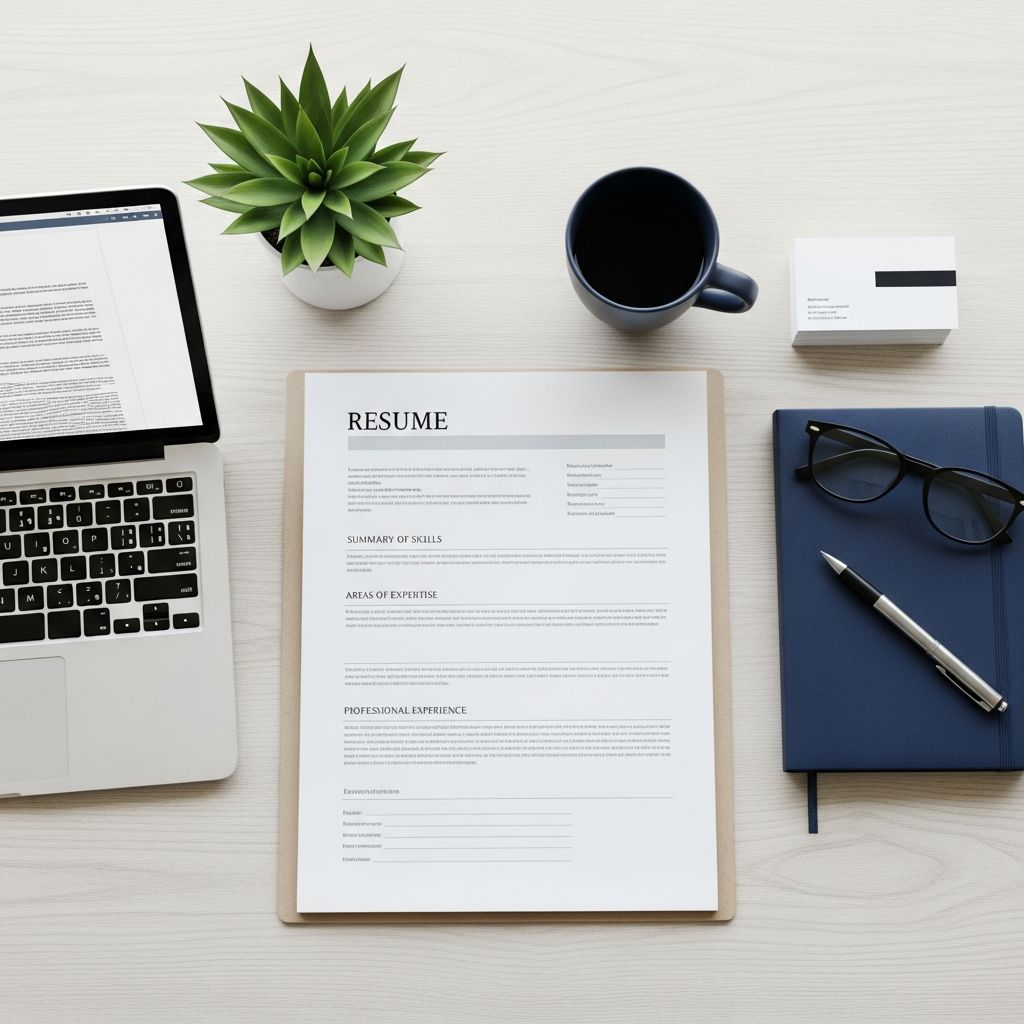
A functional resume is an alternative resume format that prioritizes your professional skills and qualifications over your work history and employment timeline. Unlike traditional chronological resumes that organize experience by job position and dates, a functional resume groups your experience and accomplishments under skill categories or areas of expertise. This format allows you to showcase your relevant abilities and demonstrate how you’ve applied them, making it particularly effective for job seekers who want to emphasize what they can do rather than where they’ve worked.
Also known as a skills-based resume, the functional format is designed to help candidates present a compelling case to employers about their capabilities, regardless of their employment background. By highlighting your most relevant skills first, you can grab the attention of hiring teams and applicant tracking systems with your strongest qualifications before they review your work history.
How a Functional Resume Differs From Other Formats
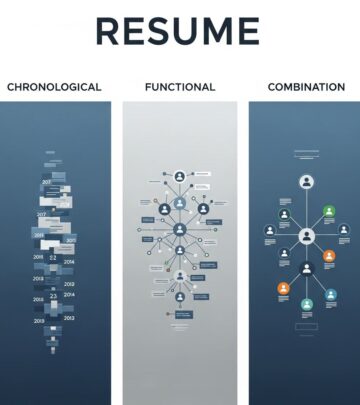
Understanding the differences between functional, chronological, and combination resumes can help you choose the format that best presents your background. Each format has distinct advantages depending on your career situation and the type of position you’re pursuing.
| Resume Format | Primary Focus | Structure | Best For |
|---|---|---|---|
| Functional Resume | Skills and qualifications | Organized by skill categories with brief employment history | Career changers, entry-level candidates, employment gaps |
| Chronological Resume | Work history and achievements | Organized by job position with detailed accomplishments | Candidates with substantial career experience |
| Combination Resume | Skills and work experience | Blends both skills section and detailed work history | Those with relevant experience or career changers |
The functional resume stands out because it places your skills section at the top of the document, followed by a brief employment history section that includes only job titles, company names, and dates. In contrast, chronological resumes feature extensive job descriptions with bullet points under each position, while combination resumes balance both approaches.
Key Components of a Functional Resume
A well-structured functional resume includes several essential sections that work together to present a comprehensive picture of your qualifications:
Contact Information
Begin your resume with your full name, city and state, email address, phone number, and LinkedIn profile URL. This section ensures employers can easily reach you and learn more about your professional background online.
Professional Summary or Objective
Include a 2-4 line professional summary that outlines your main skill set and professional goals. This section should align with the specific job or opportunity you’re applying for, providing a snapshot of why you’re an excellent fit for the position. Your summary should focus on your capabilities and what value you bring to potential employers.
Skills Section
The skills section is the heart of a functional resume. Create one subheading for each major skill category relevant to your target job, followed by 3-7 bullet points per skill. Each bullet point should include a specific example of when you demonstrated that skill, such as during a school project, volunteer role, internship, or work experience. This approach provides concrete evidence of your abilities rather than simply listing them.
Employment History
Include a brief employment history section with one line for each previous job that lists the employer name, location, job title, and employment dates. Unlike chronological resumes, you won’t include detailed bullet points describing your accomplishments here—you’ve already covered those in your skills section. However, a 1-2 line summary of your role can provide context for each position.
Education
Create one subheading for each degree, including degrees that are currently in progress. For each degree, include the school name, academic major, and graduation date (or expected graduation date). Below each degree, list relevant courses, academic achievements, honors, awards, or extracurricular activities that relate to the job requirements.
Additional Sections
Depending on your background and the job you’re applying for, consider including sections for languages, volunteer experiences, professional certifications, or technical proficiencies. Each of these sections should include relevant information that strengthens your candidacy for the specific position.
When to Use a Functional Resume
The functional resume format is particularly beneficial in specific career situations. Understanding when this format works best can help you make the most strategic choice for your job search.
Career Changers
If you’re transitioning into a new industry or role, a functional resume allows you to highlight transferable skills that apply to your target position. Rather than drawing attention to your previous work in a different field, you can emphasize the capabilities that make you valuable in your new career direction.
Entry-Level Job Seekers
For recent graduates and those with limited professional experience, a functional resume helps you showcase relevant skills gained through internships, volunteer work, school projects, and extracurricular activities. This format allows you to build a compelling case for your abilities even without extensive work history.
Employment Gaps
If your resume contains gaps due to education, family circumstances, health issues, or other reasons, a functional resume reduces the emphasis on these gaps by focusing on what you can do rather than when you worked.
Multiple Career Paths
If you’ve held diverse roles that don’t follow a traditional career trajectory, a functional resume helps you present a cohesive narrative about your skills rather than appearing scattered or unfocused.
Tips for Writing an Effective Functional Resume
Start With a Strong Professional Statement
Your professional summary or objective should immediately convey why you’re the best applicant for the job. Make it specific to the position and company, avoiding generic statements that could apply to any role.
Use a Summary of Qualifications
Present up to three skills that you’ve used or developed through projects, extracurricular activities, internships, or volunteer work related to the job you’re applying for. Briefly expand on each skill with specific examples of how you’ve demonstrated it.
Categorize Your Skills Strategically
Group your skills by category to make your resume easy to scan. For example, a web developer might create categories for “Software Skills,” “Technical Abilities,” and “Computer Languages.” A customer service professional might use “Communication,” “Problem-Solving,” and “Customer Relations.”
Include Relevant Projects and Activities
Don’t limit yourself to paid employment. Feature relevant internships, volunteer work, personal projects, and extracurricular activities that demonstrate your skills. Providing such details can be just as impactful as describing extensive professional experience.
Add Specific Examples
Under each skill, include concrete examples of when you used that skill. Rather than simply stating “Project Management,” write “Managed a team of five volunteers to organize a community fundraiser that raised $5,000 in two months.” Specific examples make your skills more believable and memorable.
Keep Your Work History Concise
While your work history section should be brief compared to a chronological resume, ensure you still include all relevant positions. List your job title, company name, location, and employment dates. You can add a one-line description if it’s particularly relevant to your target role.
Focus on Transferable Skills
Identify skills that apply across multiple roles and industries. Communication, teamwork, leadership, problem-solving, and time management are valuable in virtually any position. Make sure your functional resume emphasizes these transferable abilities along with job-specific technical skills.
Functional Resume Examples by Industry
Customer Service Representative
When applying for a customer service position, highlight soft skills such as communication, patience, and problem-solving alongside technical skills like knowledge of customer management software. Include examples from retail, hospitality, or volunteer experiences where you’ve demonstrated excellent customer service, even if these weren’t formal customer service roles.
Graphic Designer
For design positions, create skill categories for software proficiency (Adobe Creative Suite, Figma, etc.), design principles, and project types you’ve completed. Include personal projects, freelance work, or volunteer design projects that showcase your portfolio capabilities, even if you haven’t held a formal graphic design job.
Cook or Chef
Emphasize culinary skills, food preparation techniques, and food safety knowledge. Include soft skills like teamwork, efficiency in fast-paced environments, and any recognition you’ve received for your cooking. Highlight both professional kitchen experience and relevant volunteer or personal catering work.
Cashier
Beyond point-of-sale system skills, include abilities in customer service, cash handling, inventory management, and team supervision. Provide examples from retail or food service positions that demonstrate your proficiency with these skills and your ability to work effectively in busy environments.
Advantages of Using a Functional Resume
Highlights Your Most Relevant Skills
By placing your skills section at the top, you immediately draw attention to the qualifications most relevant to the job. This helps you pass both human recruiters and applicant tracking systems that scan resumes for specific keywords and competencies.
Reduces Focus on Employment Gaps
If you have gaps in your employment history, a functional resume minimizes attention to these gaps by emphasizing your capabilities instead. The brief work history section doesn’t highlight the timeline of your employment.
Demonstrates Transferable Skills
This format makes it easy to show how skills developed in one role or context apply to a different position or industry, making it ideal for career changers.
Showcases Non-Traditional Experience
A functional resume values volunteer work, academic projects, internships, and extracurricular activities equally with paid employment, recognizing that skills developed through any experience are valuable.
Limitations of Functional Resumes
May Raise Questions About Work History
Some hiring managers are skeptical of functional resumes because they can make employment gaps less obvious. If you’re using this format, be prepared to explain any significant gaps in a cover letter or interview.
Less Effective for Traditional Careers
For positions that value a clear career progression and extensive professional experience, a chronological or combination resume may be more persuasive than a functional format.
May Not Impress All Recruiters
Some employers and recruiters prefer the traditional chronological format and may view a functional resume with less favor, particularly in conservative industries.
Functional Resume Template Structure
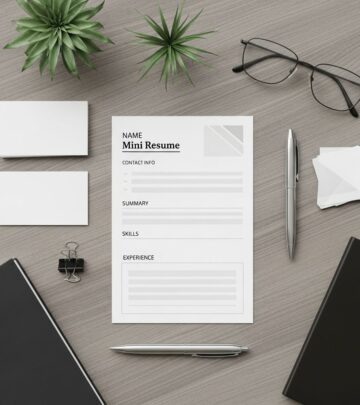
Here’s the basic structure for organizing a functional resume:
Header Section
Your name, city/state, phone number, email, and LinkedIn profile
Professional Summary
2-4 lines describing your skills and professional goals
Core Competencies
3-4 skill categories, each with 3-7 bullet points and specific examples
Professional Experience
Job title, company, location, and dates for each position (without detailed descriptions)
Education
Degrees, school names, majors, and graduation dates with relevant coursework or achievements
Additional Sections
Languages, certifications, volunteer work, or other relevant information
Is a Functional Resume Right for You?
Consider using a functional resume if you’re a recent graduate with limited work experience, changing careers, have employment gaps you want to de-emphasize, or are seeking to highlight specific skills for a specialized position. However, if you have a traditional employment trajectory with steady career progression in your industry, a chronological or combination resume might be more effective. Assess your individual situation and the expectations of your target industry before deciding which format best serves your job search.
Frequently Asked Questions
Q: Can I use a functional resume if I have significant work experience?
A: Yes, you can use a functional resume even with extensive work experience if you’re changing careers or want to emphasize specific skills most relevant to your target position. However, a combination resume might be more effective if your experience directly relates to the job you’re seeking.
Q: How long should my functional resume be?
A: A functional resume should be one page if you have limited experience or are early in your career, and can extend to two pages if you have substantial skills and experience to showcase.
Q: Will applicant tracking systems (ATS) read functional resumes?
A: Modern ATS systems can read functional resumes, but to be safe, include relevant keywords from the job description throughout your skills sections and ensure your formatting is clean and simple.
Q: Should I include a cover letter with my functional resume?
A: Yes, especially if you have employment gaps or are making a significant career change. A cover letter allows you to explain your background and how your skills transfer to the position.
Q: How many skill categories should I include?
A: Typically, include 3-4 skill categories that are most relevant to the job you’re applying for. Too many categories can make your resume appear unfocused, while too few may not adequately represent your qualifications.
References
- Indeed Career Advice: Functional Resume Tips and Examples — Indeed. 2025. https://www.indeed.com/career-advice/resumes-cover-letters/functional-resume-tips-and-examples
- QuillBot Blog: What Is a Functional Resume? — QuillBot. 2025. https://quillbot.com/blog/job-applications/functional-resume/
- My Perfect Resume: Functional Resume Format Examples & Templates — My Perfect Resume. 2025. https://www.myperfectresume.com/resume/formats/functional
- UC Davis Human Resources: Resume Formats — UC Davis. 2025. https://hr.ucdavis.edu/departments/learning/toolkits/career-dev/action/resumes-formats
- Coursera: Functional Resume Guide: Template and Tips — Coursera. 2025. https://www.coursera.org/articles/functional-resume
Similar Articles








Read full bio of medha deb