Free Annual Credit Report: How To Get And Use Yours
Your complete guide to accessing free annual credit reports and monitoring your financial health.

What Is a Free Annual Credit Report?
A free annual credit report is one of the most valuable financial tools available to consumers, yet many people are unaware of this benefit or don’t understand how to use it effectively. Under federal law, you have the right to obtain one free copy of your credit report every 12 months from each of the three major credit reporting companies: Equifax, Experian, and TransUnion. This right is guaranteed regardless of your creditworthiness, income level, or employment status, making it an essential resource for anyone who wants to stay informed about their financial profile.
Your credit report is essentially a detailed summary of your financial history as reported by lenders and creditors. It contains important information that banks, insurance companies, employers, and other organizations use to make decisions about extending credit, hiring, or providing services. By reviewing your free annual credit report, you gain valuable insight into how others perceive your financial responsibility and can identify any errors or signs of identity theft.
Understanding Credit Reports
Before you can effectively use your free annual credit report, it’s important to understand what information it contains and why it matters. A credit report is far more than just a list of your debts; it’s a comprehensive overview of your financial behavior and creditworthiness.
What Information Is Included in Your Credit Report
Your credit report typically contains several categories of information:
- Personal Information: This includes your name, Social Security number, date of birth, current and former addresses, and sometimes your current and former employers. Credit bureaus maintain this information to ensure they have the correct consumer’s file.
- Account Information: This section details all your credit accounts, including credit cards, mortgages, auto loans, student loans, and other credit obligations. For each account, the report lists the account balance, credit limit, payment history, and dates when accounts were opened or closed.
- Payment History: One of the most important sections, your payment history shows whether you’ve paid your bills on time. It records any late payments, missed payments, or accounts sent to collections.
- Public Records: This section includes bankruptcies, tax liens, judgments, and other legal financial issues that become part of the public record.
- Inquiries: This lists all the companies and lenders that have accessed your credit report, including both hard inquiries (which can affect your credit score) and soft inquiries (which don’t impact your score).
Credit Report vs. Credit Score
An important distinction to understand is that your credit report and credit score are not the same thing. Your credit report is a factual record of your credit activity, while your credit score is a three-digit number calculated from the information in your credit report using a specific formula. When you request your free annual credit report from AnnualCreditReport.com, you receive the report itself but not your credit score. Your score is calculated by credit scoring models like FICO or VantageScore and is not included in your free report. However, you may be able to get your credit score free from other sources or directly from the credit bureaus’ websites.
How to Access Your Free Annual Credit Report
Getting your free annual credit report is straightforward and can be done in multiple ways. The key is knowing where to go and what to expect during the process.
The Official Gateway: AnnualCreditReport.com
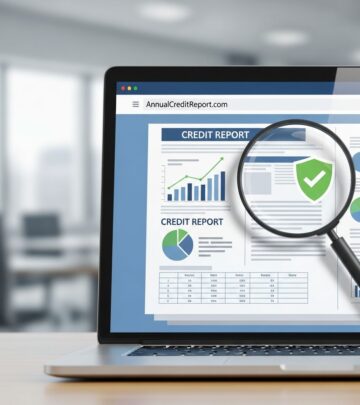
The most reliable way to access your free annual credit report is through AnnualCreditReport.com, which is the only federally mandated website authorized to distribute free credit reports from all three major credit bureaus. This website was created specifically to comply with the Fair Credit Reporting Act and is completely legitimate and safe to use.
When you visit AnnualCreditReport.com, you can request all three reports at once or order them one at a time. Many consumers prefer to request one report every four months, which allows them to monitor their credit throughout the year rather than waiting for the annual opportunity.
Phone Request Method
If you prefer not to use the internet, you can call the Annual Credit Report Request Service at 1-877-322-8228 to request your free credit reports. This phone number is managed by the credit bureaus and will connect you to the official service. You can request your reports by providing your personal information over the phone, though you may need to answer security questions to verify your identity.
Direct Contact with Credit Bureaus
You can also contact the three major credit bureaus directly: Equifax, Experian, and TransUnion. Each bureau has its own website where you can request your free annual report. This method has the advantage that you can sometimes access additional free tools and resources offered directly by each bureau.
Mail Request
For those who want to submit a request in writing, you can mail your request to: Annual Credit Report Request Service, P.O. Box 105281, Atlanta, GA 30348-5281.
What to Expect When You Access Your Free Report
Understanding what happens when you request your free annual credit report can help you navigate the process more smoothly and avoid unnecessary pitfalls.
Verification Process
When you request your credit report online or by phone, you’ll be asked to verify your identity. This is a security measure to ensure that only authorized individuals can access credit reports. You’ll typically be asked to answer security questions based on information in your credit file, provide your Social Security number, and confirm your address.
Avoiding Credit Monitoring Upsells
When you use AnnualCreditReport.com to access your reports, you may be redirected to the individual credit bureau websites to retrieve your specific reports. Once you reach these websites, be aware that the credit bureaus will likely attempt to sell you credit monitoring services, identity theft protection, or credit score products. These services are often unnecessary for consumers who plan to monitor their reports regularly on their own. Stay focused on retrieving your free report and avoid clicking on offers unless you’re genuinely interested in paid services.
Viewing Free Reports Online
Many credit bureaus now offer the ability to view your updated credit reports online at no cost more frequently than just once per year. When you visit AnnualCreditReport.com, you may see options to view your updated reports online. This enhanced frequency of monitoring provides greater ability to track changes in your credit profile throughout the year and quickly identify any suspicious activity.
Additional Free Credit Reports
While you’re entitled to one free annual report from each bureau, there are several situations where you can request additional free reports beyond your annual allotment:
- Adverse Action Notice: If you’re denied credit, insurance, employment, or receive an unfavorable change in credit terms based on information in your credit report, you have the right to a free report. You must request it within 60 days of receiving the adverse action notice.
- Fraud Suspicion: If you believe your credit file is inaccurate due to fraud, you can request a free report.
- Fraud Alert: If you’ve placed a fraud alert on your credit file, you may request up to two free copies of your report for an initial fraud alert or extended fraud alert.
- Unemployment: If you’re currently unemployed and planning to search for employment within the next 60 days, you can request a free report.
- Public Assistance: Recipients of public welfare assistance are entitled to free credit reports.
- State Law Provisions: Some states provide additional free credit reports beyond the federal requirement.
Paid Credit Reports and Additional Copies
If you need additional credit reports beyond your free annual copy and don’t qualify for the exceptions listed above, you can purchase them. By federal law, credit reporting companies cannot charge more than $14.50 for a single credit report. You can order paid copies directly from any of the three major credit bureaus at any time.
Specialty Consumer Reporting Companies
In addition to the three major nationwide credit bureaus, you’re also eligible to receive reports from specialty consumer reporting companies. These companies maintain credit information about specific aspects of your financial history, such as rental payment history, utility payments, insurance claims, or other specialized data. Most specialty consumer reporting companies provide one free report every 12 months, though some may charge fees. The Consumer Financial Protection Bureau maintains a list of these specialty companies so you can determine which ones are relevant to your situation.
Protecting Your Child’s Credit Report
Credit identity theft isn’t limited to adults. Children can become victims of identity theft, and monitoring their credit is an important protective step. Parents and guardians should check their child’s credit report before the child turns 16 to ensure no fraudulent accounts have been opened in their name.
How to Request Your Child’s Credit Report
To request a credit report for your child, you’ll need to send the following information to each of the three major credit reporting bureaus:
- Child’s full name
- Copy of birth certificate
- Copy of Social Security card
- Addresses for the past two years
- Copy of parent’s driver’s license
- Copy of proof of residence for the parent (such as a utility bill)
- Guardianship papers (if applicable)
Placing a Protected Consumer Security Freeze
In addition to monitoring your child’s credit report, parents can place a Protected Consumer security freeze on their child’s credit reports. This freeze helps prevent identity theft by restricting access to the credit file, making it difficult for criminals to open new accounts using your child’s identity.
Why Your Free Annual Credit Report Matters
Taking advantage of your free annual credit report is about more than just satisfying curiosity about your financial standing. Regular review of your credit report serves several critical purposes:
Detecting Errors and Inaccuracies
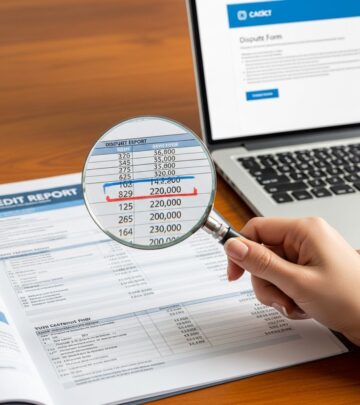
Credit reports contain errors more often than many people realize. These mistakes might include accounts that don’t belong to you, incorrect payment histories, or inaccurate account balances. By reviewing your report annually, you can catch these errors before they damage your credit score and take action to correct them. If you find inaccurate information, you should contact the credit bureau and the lender or creditor that reported the incorrect information to dispute the error.
Identifying Identity Theft
One of the most important reasons to review your credit report is to catch signs of identity theft early. If you see accounts you didn’t open, inquiries from companies you never contacted, or addresses you don’t recognize, these could be red flags that someone has stolen your identity. Discovering identity theft early allows you to take swift action to protect yourself and limit the damage.
Monitoring Credit Health
Your credit report tells the story of your financial behavior. By reviewing it regularly, you can see how your responsible financial practices are reflected in your profile and identify areas where you might need to improve. This information can help you make better financial decisions and work toward a stronger credit position.
What to Look for When Reviewing Your Report
When you receive your free annual credit report, focus on reviewing these key areas to ensure accuracy and identify potential issues:
- Personal Information Accuracy: Verify that your name, address, Social Security number, and employer information are correct and up to date. Remove any names or addresses that don’t belong to you.
- Account Completeness and Accuracy: Review all listed accounts to ensure they are actually yours and that the account information, including balances and credit limits, is accurate.
- Payment History: Check that your payment history is accurate and that any late or missed payments are correctly reported.
- Unauthorized Accounts or Inquiries: Look for any accounts or inquiries you don’t recognize, which could indicate fraud.
- Collections or Legal Actions: Ensure any reported collections, judgments, or bankruptcies are accurate and current.
Taking Action on Your Findings
If you discover inaccurate information or signs of fraud in your credit report, taking prompt action is essential. Contact the credit bureau that issued the report and the lender or creditor responsible for reporting the incorrect information. File a dispute with the credit bureau, which will investigate your claim. If fraud is involved, consider placing a fraud alert or security freeze on your credit file to protect yourself from further identity theft.
Frequently Asked Questions
Q: How often can I get a free credit report?
A: Federal law entitles you to one free copy of your credit report from each of the three major credit bureaus every 12 months. However, you can request additional free reports if certain conditions apply, such as identity theft, adverse actions, or unemployment. Some credit bureaus also offer more frequent online access to updated reports.
Q: Is AnnualCreditReport.com really free?
A: Yes, AnnualCreditReport.com is the official, federally mandated website for accessing free annual credit reports and is completely free. However, be cautious about credit monitoring services or credit scores offered on related websites, as those are typically paid services.
Q: Why doesn’t my free credit report include my credit score?
A: Federal law requires credit bureaus to provide free credit reports but does not require them to provide free credit scores. Your credit score is calculated separately using proprietary formulas. You may obtain your credit score through paid services or directly from the credit bureaus’ websites.
Q: What should I do if I find errors on my credit report?
A: Contact the credit bureau that issued the report and file a dispute. You should also contact the lender or creditor that reported the inaccurate information. The credit bureau must investigate your dispute within 30 days and correct any errors.
Q: How can I protect my child’s credit?
A: Request your child’s credit report from all three bureaus before age 16 to check for fraudulent accounts. You can also place a Protected Consumer security freeze on your child’s credit reports to prevent identity theft.
Q: Can I request all three credit reports at the same time?
A: Yes, you can request all three reports simultaneously from AnnualCreditReport.com, or you can request them one at a time, spacing them throughout the year for more frequent monitoring.
References
- Free Annual Credit Report — North Carolina Department of Justice. Updated 2024. https://ncdoj.gov/protecting-consumers/protecting-your-identity/free-annual-credit-report/
- How do I get a free copy of my credit reports? — Consumer Financial Protection Bureau. Updated 2024. https://www.consumerfinance.gov/ask-cfpb/how-do-i-get-a-free-copy-of-my-credit-reports-en-5/
- Get a Free Credit Report — Equifax. Updated 2024. https://www.equifax.com/personal/credit-report-services/free-credit-reports/
- What is a credit report? — Annual Credit Report.com. Updated 2024. https://www.annualcreditreport.com/whatIsCreditReport.action
- Is AnnualCreditReport.com Safe? — Experian. Updated 2024. https://www.experian.com/blogs/ask-experian/is-annualcreditreport-com-safe/
- Learn about your credit report and how to get a copy — USA.gov. Updated 2024. https://www.usa.gov/credit-reports
Similar Articles








Read full bio of Sneha Tete