What Is Etsy? A Complete Guide for Buyers and Sellers
Discover how Etsy connects millions of buyers with unique handmade and vintage items globally.

What Is Etsy? Understanding the Global Marketplace
Etsy is a thriving online marketplace that has fundamentally transformed how millions of people buy and sell unique, handmade, and vintage items across the globe. Founded in 2005, Etsy has grown into one of the most recognized e-commerce platforms, with a community of millions of active sellers and buyers who connect daily through its digital platform. The marketplace serves as a bridge between creative entrepreneurs and consumers seeking distinctive products that stand out from mass-produced alternatives.
At its core, Etsy operates as a peer-to-peer marketplace, meaning individual sellers list their products directly to buyers without a traditional corporate intermediary. This direct-to-consumer model has empowered countless artisans, craft enthusiasts, and vintage collectors to build sustainable businesses from their passions. Whether you’re looking to start a side hustle or establish a full-time creative enterprise, Etsy provides the infrastructure, tools, and audience to make it possible.
How Etsy Works: The Buyer Experience
For buyers, Etsy offers an intuitive shopping experience designed to help discover one-of-a-kind items. The platform’s search functionality allows customers to browse millions of listings across diverse categories, from handmade jewelry and home decor to vintage clothing and personalized gifts. Each product listing includes detailed descriptions, multiple photos, seller reviews, and pricing information, enabling informed purchasing decisions.
The buyer experience emphasizes trust and quality through several protective mechanisms. Etsy’s review system allows customers to rate sellers and leave detailed feedback, creating accountability and helping future shoppers identify reliable vendors. The platform also provides buyer protection policies, secure payment processing, and dispute resolution services to ensure transactions remain safe and fair.
Shopping on Etsy is accessible worldwide, with the platform supporting multiple currencies and international shipping options. This global reach means buyers can discover artisanal products from creators across continents, accessing items that may be impossible to find through traditional retail channels.
How Etsy Works: The Seller Experience
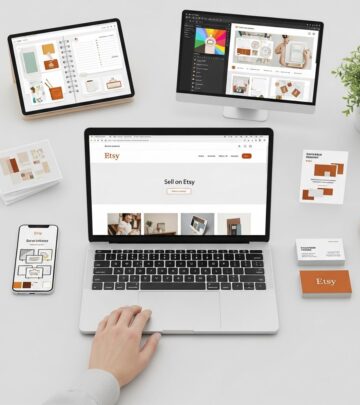
For sellers, Etsy presents an accessible entry point into e-commerce entrepreneurship. Setting up an Etsy shop is straightforward—creators can register, customize their storefront, and begin listing products within hours. The platform handles payment processing, provides seller analytics, and offers integrated shipping tools, eliminating many technical barriers that traditionally prevented small creators from reaching global audiences.
Sellers can list physical products, digital downloads, and services, giving creators flexibility in what they offer. The platform’s Shop Manager dashboard provides comprehensive insights into sales performance, customer behavior, and inventory management. Etsy also offers various tools and features to help sellers optimize their presence, including promotional options, social media integration, and SEO features to improve product visibility.
One significant advantage for sellers is the established audience. Etsy attracts millions of monthly visitors actively searching for the types of unique items sellers offer, eliminating the need to build traffic from scratch. This built-in customer base represents a crucial difference between selling on Etsy versus establishing an independent e-commerce website.
Etsy’s Business Model: How the Platform Generates Revenue
Etsy operates a fee-based business model that generates revenue from multiple sources within its seller ecosystem. Understanding these fees is essential for anyone considering selling on the platform.
Listing Fees: Sellers pay $0.20 USD for each product listing, regardless of whether the item sells. Listings remain active for four months before expiring, after which sellers can renew them for the same fee.
Transaction Fees: When a product sells, Etsy charges a transaction fee of 6.5% of the sale price. This fee compensates the platform for facilitating the transaction and maintaining the marketplace infrastructure.
Payment Processing Fees: Etsy Payments charges between 3% and 4% plus a fixed amount per transaction to process buyer payments. These fees are automatically deducted from sales funds, with the difference between sales and fees comprising a seller’s current balance.
Shipping Fees: Sellers using Etsy’s integrated shipping labels incur a small fee for this convenience, though sellers can also arrange shipping independently.
Shop Features: Optional premium features like Etsy Ads, promoted listings, and shop customization tools generate additional revenue for the platform.
This diverse fee structure ensures Etsy generates consistent revenue while maintaining a relatively low barrier to entry for new sellers. Most sellers find the costs reasonable given the access to Etsy’s established marketplace and customer base.
Types of Products Sold on Etsy
The diversity of offerings on Etsy reflects the platform’s appeal to creators across numerous industries and disciplines. Understanding what sells well on Etsy helps both buyers identify categories of interest and sellers determine whether the platform suits their products.
Handmade Goods: The original focus of Etsy remains central to its identity. Artisans create and sell handmade items including jewelry, home decor, clothing, accessories, and art. These products often feature custom personalization options, making them attractive for gift-giving.
Vintage Items: Collectors and resellers offer genuine vintage merchandise, from furniture and fashion to collectibles and décor. Etsy’s vintage category has developed a substantial following among consumers seeking authentic, pre-owned treasures.
Digital Products: Digital creators sell downloadable files including printables, graphic designs, ebooks, templates, and digital art. This category appeals to sellers requiring no inventory management or shipping.
Craft Supplies: Sellers provide materials and supplies for other crafters, from specialty yarns and beads to sewing patterns and metalworking components.
Personalized Products: Items customized with names, dates, or personal messages represent a significant portion of Etsy sales. Custom mugs, signs, apparel, and gifts command premium prices and generate repeat business.
Etsy’s Impact on Small Business and Creative Entrepreneurship
Since its founding, Etsy has democratized entrepreneurship for creative professionals worldwide. The platform has enabled millions to transform hobbies into income streams, side hustles into full-time enterprises, and artistic pursuits into sustainable careers. This transformation represents a significant shift in how creative professionals monetize their work.
Etsy sellers span diverse backgrounds and circumstances. Some are established artisans seeking to expand their reach beyond local markets. Others are hobbyists exploring whether their creations merit commercial sale. Still others are entrepreneurs building legitimate small businesses that employ additional staff and generate six or seven-figure annual revenues.
The platform’s economic impact extends beyond individual sellers. Etsy’s ecosystem supports complementary services including photography, marketing, packaging design, and logistics. This network effect creates broader economic opportunities within the creative community.
Additionally, Etsy has influenced mainstream retail and consumer preferences. The success of handmade and personalized items on the platform has prompted traditional retailers to emphasize artisanal aspects and customization in their own offerings, indicating how Etsy has shaped contemporary consumer values.
Etsy Shop Finances: Managing Your Balance and Payments
For sellers, understanding Etsy’s financial system is crucial for successful operation. When you have an Etsy shop, you’ll incur fees for selling on Etsy, and if you make any sales through Etsy Payments, your fees are automatically deducted from your sales funds, with the difference between your sales and fees comprising your current balance.
Available for Deposit: When you have money left over after your fees are deducted from your sales and your sales have finished processing, you’ll have a positive balance called “available for deposit,” which shows what’s available to deposit into your bank account.
Amount Due: If your current balance is negative at the end of a month, you’ll have an amount due in your Payment account, which is similar to a bill. Any amount due for fees charged during a given month can be paid from the first day of the following month, with payment available between the 1st and 15th of the month.
Payment Methods: You can pay your amount due with a debit card, a credit card, a prepaid card or PayPal, though sellers located in Türkiye must use a debit card, credit card or prepaid card as PayPal does not operate there.
To manage payments effectively, sellers should monitor their Payment Account regularly through Shop Manager, understanding the relationship between sales, fees, and available balance.
Advantages of Selling on Etsy
Low Entry Barrier: Starting an Etsy shop requires minimal investment compared to traditional retail or building an independent website. There are no monthly shop fees, only transaction-based charges.
Built-in Audience: Etsy’s massive user base eliminates the need to build traffic independently. Millions of visitors actively search for products daily.
Comprehensive Tools: The platform provides integrated analytics, inventory management, payment processing, and shipping tools without requiring separate software purchases.
Community Support: Etsy offers educational resources, seller forums, and customer service support to help entrepreneurs succeed.
Global Reach: Sellers automatically access international markets without managing separate websites or payment systems for different countries.
Brand Recognition: Etsy’s established reputation for handmade and unique items provides sellers credibility and attracts quality-conscious consumers.
Challenges and Considerations for Etsy Sellers
Increased Competition: Millions of sellers list similar products, requiring effective differentiation and marketing to stand out.
Fee Structure: Multiple fees compound—listing fees, transaction fees, payment processing fees, and shipping fees significantly impact profit margins, particularly for low-priced items.
Etsy Algorithm Dependency: Product visibility depends partly on Etsy’s search algorithm, which sellers cannot fully control.
Platform Volatility: Changes to Etsy’s policies, fee structures, or algorithm can dramatically impact seller revenue and visibility.
Customer Service Demands: Managing customer inquiries, custom requests, and potential disputes requires significant time investment.
Inventory and Production: For handmade items, scaling production while maintaining quality presents ongoing challenges.
Etsy’s Global Reach and Cultural Significance
Etsy’s international presence reflects broader economic trends toward valuing authenticity, craftsmanship, and sustainability. The platform operates in multiple countries and supports dozens of currencies, enabling genuine global commerce. This reach has preserved and elevated traditional crafts and artistic practices that might otherwise have faded with industrialization.
Furthermore, Etsy has influenced consumer consciousness about buying practices. The platform’s emphasis on handmade and vintage items has contributed to broader movements emphasizing sustainability, ethical consumption, and support for independent creators—values increasingly important to contemporary consumers.
The Future of Etsy and Online Marketplaces
As e-commerce continues evolving, Etsy’s position in the marketplace landscape remains significant. The platform continues developing features to enhance user experience, improve seller tools, and expand product categories. Emerging technologies, including augmented reality for product visualization and artificial intelligence for personalized recommendations, may shape future Etsy experiences.
The success of Etsy demonstrates sustained consumer demand for unique, handmade, and personalized products—demand that will likely persist and grow as consumers increasingly seek authentic alternatives to mass production.
Frequently Asked Questions About Etsy
Q: Is it free to open an Etsy shop?
A: Opening an Etsy shop is free, but you’ll pay listing fees ($0.20 per item) and transaction fees (6.5%) when items sell, plus payment processing fees (3-4%).
Q: How long does it take to make sales on Etsy?
A: Timeline varies significantly based on product quality, pricing, marketing efforts, and competition. Some sellers make sales within days; others require weeks or months of optimization.
Q: Can I sell anything on Etsy?
A: No. Etsy prohibits certain categories including weapons, animal products, counterfeit items, and adult content. Review Etsy’s prohibited items list before listing.
Q: How does Etsy handle buyer disputes?
A: Etsy provides a Resolution Center where buyers and sellers can attempt to resolve issues. Unresolved disputes may be escalated to Etsy staff for mediation.
Q: Can I run multiple shops on Etsy?
A: Yes, you can open multiple shops under one account for different product categories or brands, though each requires separate management.
Q: How often should I update my Etsy shop?
A: Regular updates improve visibility and engagement. Refresh product photos, rotate promotions, and add new inventory consistently for optimal results.
References
- How Do I Pay My Etsy Shop Balance? — Etsy Help Center. Accessed November 29, 2025. https://help.etsy.com/hc/en-us/articles/360024112294-How-Do-I-Pay-My-Etsy-Shop-Balance
- Your Shop’s Finances, Simplified — Etsy Seller Handbook. Accessed November 29, 2025. https://www.etsy.com/seller-handbook/article/your-shops-finances-simplified/304604155581
- Etsy Payments and Financial Resources for Sellers — Etsy (Official). 2024. https://www.youtube.com/watch?v=Xv7HCRRt3wI
- Etsy Payments and Shop Finances Live Q&A — Etsy (Official). 2024. https://www.youtube.com/watch?v=CDvgblpsDZg
- How to Receive Your Etsy Payments Deposit — Etsy Help Center. Accessed November 29, 2025. https://help.etsy.com/hc/en-us/articles/360046998234-How-to-Receive-Your-Etsy-Payments-Deposit
Similar Articles








Read full bio of Sneha Tete