What Is Enterprise Resource Planning? ERP Definition & Benefits
Comprehensive guide to ERP systems, how they work, and their transformative business benefits.
What Is Enterprise Resource Planning?
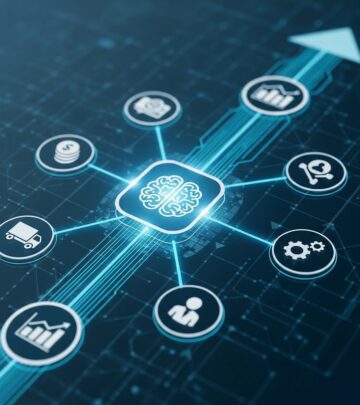
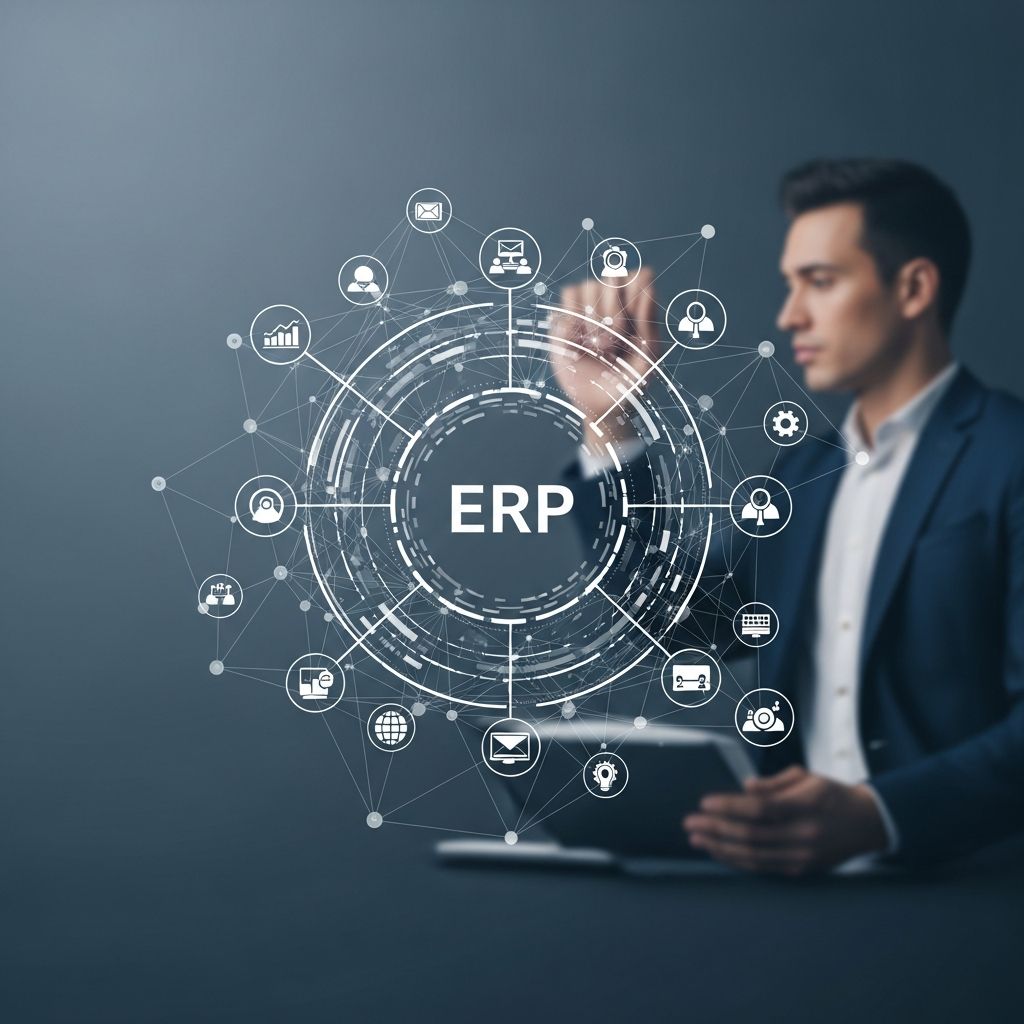
Enterprise Resource Planning (ERP) is a comprehensive business management software solution that integrates all core functions of an organization into a unified system. At its core, an ERP system serves as a centralized hub that connects multiple departments—including finance, human resources, supply chain, sales, and operations—onto a single integrated platform. This consolidation allows organizations to manage all aspects of their business from one cohesive system rather than maintaining disparate legacy systems that don’t communicate with each other.
The fundamental purpose of ERP software is to optimize operational efficiency by providing businesses with a single source of truth for all their data. By creating a centralized database that all departments can access simultaneously, ERP systems eliminate data silos that often plague organizations using multiple standalone systems. This unified approach represents a paradigm shift in how modern businesses operate, enabling seamless collaboration, real-time visibility, and informed decision-making across the entire organization.
How Enterprise Resource Planning Systems Work
ERP systems function by collecting data from different departments and storing it in a common database that serves as the backbone of the organization’s operations. Each department inputs information into the same system, which automatically updates across all areas of the business. This interconnected architecture ensures that when one department updates information—such as inventory levels, customer orders, or financial transactions—that information is immediately available to all other departments that need it.
The system utilizes role-based access controls, meaning employees see only the information relevant to their position and responsibilities. A sales representative might access customer data and order information, while a financial analyst accesses budget and expense reports. This permission-based access ensures data security while maintaining transparency throughout the organization. Real-time reporting and customizable dashboards provide users with instant visibility into key metrics and performance indicators, enabling quick decision-making and strategic adjustments when needed.
Key Features of Modern ERP Systems
Contemporary ERP platforms offer a comprehensive suite of integrated modules designed to address the diverse operational needs of businesses. These features include:
– Financial management and accounting automation- Human resources and workforce management- Supply chain and inventory optimization- Customer relationship management (CRM)- Project management and resource planning- Business intelligence and analytics tools- Real-time reporting and dashboard functionality- Mobile accessibility for remote work capabilities- Security features including access controls and audit trails- Compliance management for regulatory requirements
The Strategic Importance of Unified Data
Single Source of Truth
One of the most transformative aspects of ERP implementation is the establishment of a single source of truth for organizational data. In traditional business environments, information is scattered across multiple systems, spreadsheets, and databases, creating inconsistencies, duplication, and costly errors. When data exists in multiple locations with different versions of the truth, departments often work with outdated or conflicting information, leading to poor decision-making and operational inefficiencies.
ERP systems solve this critical problem by creating a shared, unified database that serves all departments equally. This centralized repository ensures that every team member, regardless of their location or department, accesses the same accurate, up-to-date information. Sales teams know exact inventory levels, finance teams have current customer payment statuses, and operations teams understand real-time production capacity. This alignment eliminates the confusion and errors that result from working with inconsistent data.
Real-Time Data Access and Analytics
Modern ERP systems provide decision-makers with real-time access to critical business data, enabling organizations to respond quickly to opportunities and challenges. Powerful analytics tools analyze trends, highlight areas for improvement, and predict future outcomes based on historical data. Customizable dashboards and reports allow users to view information most relevant to their roles, providing a quick overview of organizational performance without wading through irrelevant data.
Operational Excellence Through ERP Implementation
Streamlined Business Processes and Workflows
ERP systems fundamentally transform how organizations operate by automating repetitive tasks and eliminating redundant processes. By integrating various departments and functions into a unified system, companies can eliminate the manual data entry that previously consumed hours of employee time. This automation not only saves time but dramatically reduces errors that occur through manual processes.
When business processes are streamlined through ERP implementation, employees can shift their focus from administrative tasks to higher-value activities that directly contribute to business growth. The system handles routine transactions, data transfers, and report generation, freeing professionals to concentrate on strategy, innovation, and customer service.
Enhanced Collaboration and Communication
By utilizing a centralized database and integrating various departments, ERP systems enable teams to share information easily and work together more seamlessly. This promotes effective collaboration across departments, breaking down communication barriers that often hinder productivity in siloed organizations. With real-time data accessible to all stakeholders, decision-making becomes faster and more informed.
ERP systems provide efficient communication channels and collaborative tools within the organization, facilitating effective teamwork even in large or geographically dispersed organizations. Team members can see what others are working on, understand dependencies between projects, and coordinate efforts without the delays associated with traditional communication methods.
Business Performance Improvements
Increased Productivity and Accuracy
ERP systems are instrumental in improving productivity within organizations by enhancing accuracy and eliminating redundant information. By automating time-consuming tasks and ensuring consistent data accuracy, these systems streamline processes and eliminate the need for manual data entry. This reduces the risk of errors while leading to increased efficiency throughout the organization.
With ERP software, employees access accurate real-time data, enabling them to make informed decisions quickly and effectively. The availability of precise information also facilitates better coordination between different business areas, ensuring smooth operations and maximizing productivity across all departments.
Improved Decision-Making and Strategic Planning
One of the most significant benefits of implementing an ERP system is the improvement it brings to decision-making and strategic planning. With real-time access to accurate and updated data from various departments, managers can make informed decisions based on facts rather than assumptions. This allows them to analyze trends, identify patterns, and forecast future outcomes more effectively.
By having a comprehensive overview of their business operations, leaders can develop robust strategies that align with organizational goals and stay ahead of the competition. ERP enables proactive decision-making by providing managers with timely information at their fingertips, empowering them to take decisive actions when needed. Advanced analytics capabilities offered by ERP systems enable businesses to leverage data-driven insights for more successful strategic planning and execution.
Financial and Operational Benefits
Cost Management and Profitability
Implementing ERP applications can bring significant financial benefits to organizations. One of the key advantages is improved cost management and reduced operational expenses. By streamlining business processes, eliminating redundant tasks, and automating manual activities, ERP software systems help reduce labor, paperwork, and error costs.
Additionally, these applications provide better control over financial operations, allowing for improved planning and forecasting. With real-time access to accurate financial data, decision-makers can make more informed choices regarding resource allocation and budgeting. By increasing efficiency and productivity throughout the organization, ERP applications contribute to increased profitability and higher return on investment.
Supply Chain Optimization
ERP solutions provide end-to-end visibility into the supply chain, enabling manufacturing and distribution companies to better manage relationships with suppliers, distributors, and logistics providers. Integrated supply chain functionalities optimize inventory levels, reduce lead times, and improve supplier relationships. ERP systems help companies identify cost-saving opportunities by providing real-time visibility into financial data and inventory metrics.
For distribution companies, ERP systems streamline the order fulfillment process by integrating sales, inventory, and shipping data, reducing errors and improving customer service. Manufacturing and distribution organizations can reduce waste, minimize errors, optimize resource utilization, and improve profitability by streamlining processes and automating workflows through ERP implementation.
Enhanced Financial Control and Compliance
Automated accounting, budgeting, and forecasting features within ERP systems help businesses tighten financial control and improve cost tracking and resource allocation. ERP systems help businesses comply with financial standards and regulations by providing built-in controls and audit trails, including support for GAAP, IFRS, and industry-specific regulations such as SOX.
Built-in compliance tools help businesses meet regulatory compliance requirements while maintaining data security and integrity. Better risk management capabilities include robust security features, access controls, and audit trails to protect sensitive data from unauthorized access or breaches.
Human Resource Management Through ERP
ERP systems play a crucial role in harnessing the potential of human resources management. Businesses can effectively plan and manage their workforce by integrating HR activities into an ERP solution. This includes retaining employment history, recording skills, tracking illness, and implementing automated performance tracking.
With dedicated HR modules within ERP systems, companies can streamline recruitment processes, onboarding workflows, and performance management. By collecting data from different departments and storing it in a common database, ERP gives leaders a holistic view of the organization’s operations. This allows for better coordination between departments and facilitates informed decision-making regarding workforce planning and resource allocation.
Customer Service Excellence
ERP systems provide a 360-degree view of customer interactions, helping businesses deliver personalized service and improve customer satisfaction. Integrated customer relationship management (CRM) features within ERP platforms enable organizations to access complete customer histories, order records, and communication logs from a single interface. This comprehensive view enables faster issue resolution, more personalized interactions, and improved customer loyalty.
By understanding customer purchase patterns, preferences, and pain points through integrated ERP data, businesses can proactively address needs and deliver exceptional service that builds long-term relationships.
Scalability and Flexibility
Modern ERP systems are designed with scalability in mind, allowing organizations to grow without replacing their core business management platform. As companies expand, add new departments, or enter new markets, ERP systems can accommodate increased data volumes, additional users, and new business processes. This flexibility prevents the need for costly system replacements and ensures that technology investments continue to serve organizational needs as the business evolves.
Cloud-based ERP solutions offer particular advantages in terms of scalability, allowing organizations to quickly add resources, scale operations, and adapt to changing market conditions without significant capital investment in infrastructure.
Mobility and Remote Work Capabilities
Contemporary ERP systems offer mobile accessibility, enabling employees to access critical business information and perform essential functions from anywhere. This capability has become increasingly important as organizations embrace hybrid and remote work models. Mobile-enabled ERP platforms ensure that decision-makers can monitor key metrics, approve transactions, and access reports even when away from the office.
Frequently Asked Questions About Enterprise Resource Planning
Q: What makes ERP different from traditional business software?
A: Unlike traditional systems that operate in silos, ERP integrates all business functions into one unified platform. This eliminates data duplication, improves communication between departments, and provides real-time visibility across the entire organization, enabling faster decision-making and reduced operational costs.
Q: How long does it take to implement an ERP system?
A: ERP implementation timelines vary significantly depending on organizational size, complexity, and current systems. Small implementations might take 6-12 months, while large enterprise implementations can span 2-3 years or longer. Success requires careful planning, proper change management, and adequate resource allocation.
Q: Can ERP systems work for small businesses?
A: Yes, modern ERP solutions are increasingly accessible to small and mid-sized businesses. Cloud-based ERP platforms offer flexible pricing models that allow smaller organizations to access enterprise-grade functionality without massive upfront investments in infrastructure or IT resources.
Q: What are the main security considerations for ERP systems?
A: ERP systems incorporate multiple security layers including user authentication, role-based access controls, encryption, and audit trails. Organizations should implement strong password policies, regular security updates, employee training, and backup procedures to protect sensitive business data.
Q: How do ERP systems handle data migration from legacy systems?
A: Data migration involves extracting information from legacy systems, cleaning and validating the data, and loading it into the new ERP platform. This process requires careful planning to ensure data integrity and minimize disruption to business operations. Many organizations phase implementation to reduce risk.
References
- Enterprise Resource Planning: Definition, Benefits, and Challenges — Inbound Logistics. 2024. https://www.inboundlogistics.com/articles/enterprise-resource-planning/
- Understanding the Key Benefits of ERP — Top10ERP. 2024. https://www.top10erp.org/blog/benefits-of-erp
- 15 Benefits of ERP for Businesses in 2025 — NetSuite. 2025. https://www.netsuite.com/portal/resource/articles/erp/erp-benefits.shtml
- What are the benefits of an ERP system? — Oracle. 2024. https://www.oracle.com/erp/what-is-erp/erp-benefits/
- Enterprise Resource Planning 101: Definition, Benefits, and More — Acumatica. 2024. https://www.acumatica.com/resources/articles/enterprise-resource-planning-101/
- What Is ERP Software? — Workday US. 2024. https://www.workday.com/en-us/topics/erp/what-is-erp-software.html
Similar Articles








Read full bio of Sneha Tete