Economy: Definition, Types, and Impact on Society
Understanding economies: Systems, types, and their role in shaping global prosperity.
What Is an Economy?
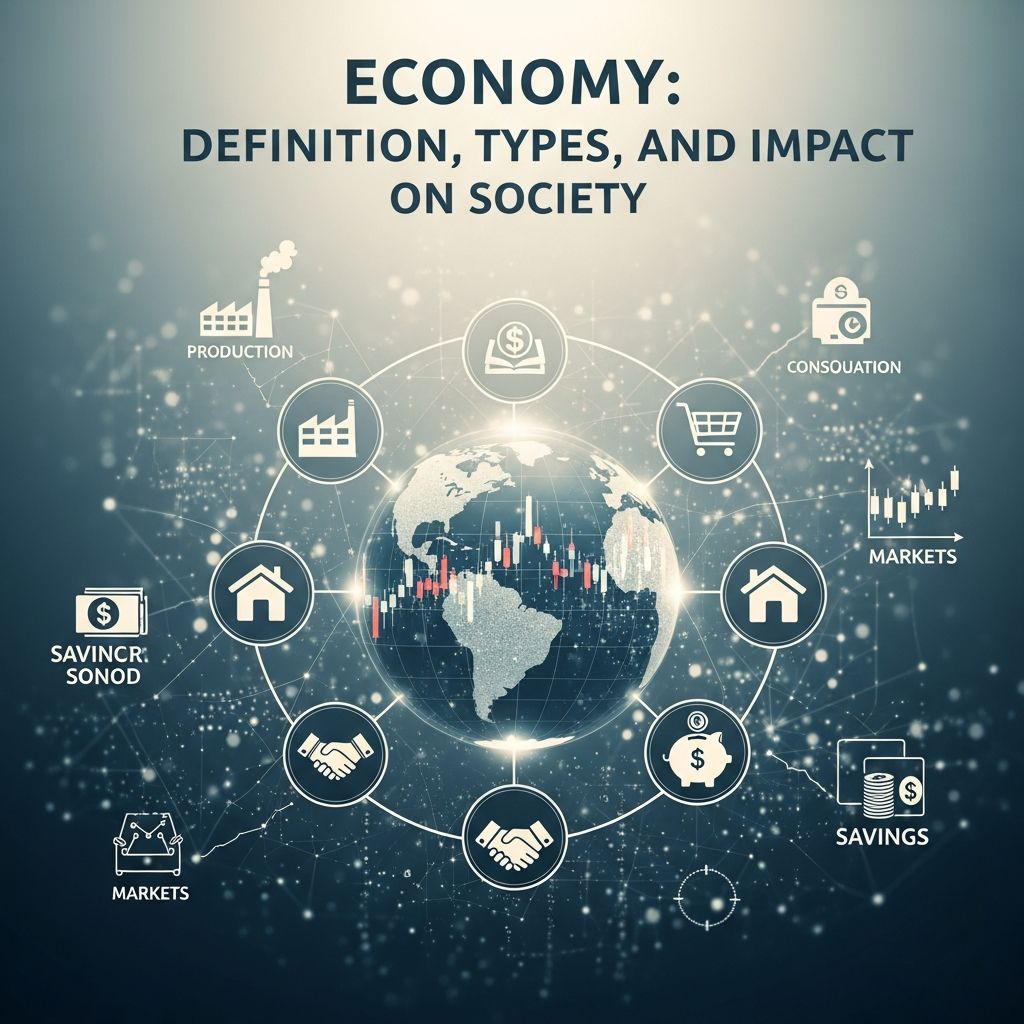
An economy refers to the system of production, distribution, and consumption of goods and services within a geographic area or nation. It encompasses all the activities, institutions, and relationships that individuals, businesses, and governments engage in to produce, exchange, and use resources to satisfy human wants and needs. An economy is fundamentally driven by the need to allocate scarce resources efficiently while attempting to maximize productivity and improve the standard of living for its population.
The term economy derives from the Greek word “oikonomia,” which means “household management.” Just as a household must budget its finances and allocate resources wisely, an economy must manage its productive resources—land, labor, capital, and entrepreneurship—to create value and generate wealth. Modern economies are complex systems involving millions of transactions, countless business entities, and sophisticated financial markets that work together to facilitate economic activity.
Key Components of an Economy
Understanding the fundamental components of an economy helps illustrate how these systems function:
- Production: The creation of goods and services through the combination of factors of production, including natural resources, human labor, and capital equipment.
- Distribution: The mechanism by which produced goods and services reach consumers through markets, supply chains, and distribution networks.
- Consumption: The use of goods and services by individuals and businesses to satisfy their needs and desires.
- Exchange: The trading of goods, services, and financial instruments between economic actors, facilitated by money and markets.
- Investment: The allocation of capital toward productive activities that generate future income and economic growth.
- Employment: The provision of labor services by workers to businesses and organizations in exchange for compensation.
Types of Economic Systems
Economies around the world are organized according to different systems, each with distinct characteristics regarding ownership, production, and resource allocation:
Market Economy
A market economy relies on free markets, private ownership, and the price mechanism to allocate resources. In this system, individuals and businesses make production and consumption decisions based on supply and demand, seeking to maximize profit and personal utility. Market economies emphasize entrepreneurship, competition, and minimal government intervention. The United States, United Kingdom, and most developed nations operate primarily as market economies, though they incorporate some government regulation and social programs.
Command Economy
A command economy, also known as a centrally planned economy, relies on government control and central planning to allocate resources and determine production levels. In this system, the state makes decisions about what goods to produce, how much to produce, and how resources are distributed. Historical examples include the Soviet Union and present-day North Korea. Command economies often prioritize equality and collective welfare but may struggle with efficiency and innovation.
Mixed Economy
A mixed economy combines elements of both market and command economies, incorporating both private enterprise and government intervention. In a mixed economy, markets drive most economic activity, but the government may regulate certain industries, provide public goods and services, and implement social safety nets. Most modern developed economies, including Germany, Canada, and Australia, operate as mixed economies, balancing free market principles with government oversight and social protection.
Traditional Economy
A traditional economy is based on customs, traditions, and cultural practices passed down through generations. In traditional economies, economic activity revolves around agriculture, barter, and family-based production. Many developing nations and indigenous communities maintain elements of traditional economies, though they increasingly interact with modern market-based systems.
How Economies Function
Economic systems operate through interconnected mechanisms that facilitate the production and distribution of goods and services:
The Circular Flow of Economics
The circular flow model illustrates how money and resources move through an economy. Households provide labor to businesses and receive wages in return. Businesses use these wages to purchase goods from other businesses and to invest in capital. Consumers spend their income on goods and services, creating demand that incentivizes production. This continuous cycle of earning, spending, and investing drives economic activity.
Supply and Demand
In market economies, the interaction of supply and demand determines prices and quantities of goods and services. When demand exceeds supply, prices typically rise, encouraging producers to increase production. Conversely, when supply exceeds demand, prices fall, incentivizing consumers to purchase more. This price mechanism helps coordinate economic activity without centralized planning.
Factors of Production
Economies utilize four primary factors of production to create value:
- Land: Natural resources including soil, minerals, water, and climate.
- Labor: Human effort and skills applied to production.
- Capital: Man-made resources such as machinery, tools, buildings, and infrastructure.
- Entrepreneurship: The initiative and innovation to combine other factors of production in new ways.
Economic Indicators and Measurement
Economists measure economic performance using various indicators that reflect the health and growth of an economy:
Gross Domestic Product (GDP)
GDP represents the total monetary value of all goods and services produced within a country’s borders during a specific period. It serves as the primary measure of economic size and growth. Nations track GDP growth rates to assess whether their economies are expanding or contracting, which influences policy decisions and investment strategies.
Unemployment Rate
This indicator measures the percentage of the labor force actively seeking employment but currently without jobs. A lower unemployment rate generally indicates a stronger economy, while higher rates suggest economic weakness and reduced consumer spending capacity.
Inflation Rate
Inflation measures the rate at which prices for goods and services increase over time. Moderate inflation is considered normal and healthy for an economy, promoting spending and investment. However, high inflation erodes purchasing power and can destabilize economic activity.
Interest Rates
Central banks set benchmark interest rates that influence borrowing costs throughout an economy. Lower rates encourage borrowing and spending, stimulating economic growth, while higher rates can slow inflation but may reduce economic activity.
The Role of Government in Economies
Governments play various roles in managing economies, though the extent of intervention varies by system:
- Fiscal Policy: Managing government spending and taxation to influence economic activity and growth.
- Monetary Policy: Controlling money supply and interest rates to stabilize prices and promote employment.
- Regulation: Establishing rules and standards to protect consumers, workers, and the environment.
- Public Goods: Providing infrastructure, education, and healthcare that markets may not supply adequately.
- Social Protection: Implementing programs such as unemployment insurance and retirement benefits.
Global Economies and International Trade
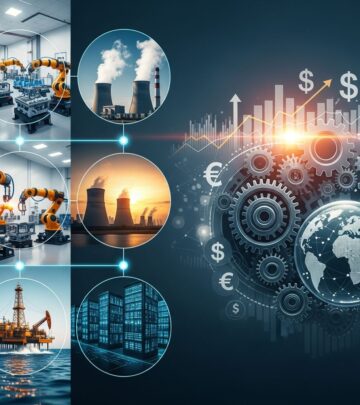
Modern economies are increasingly interconnected through international trade, investment, and financial flows. Globalization has enabled businesses to operate across borders, consumers to access products worldwide, and capital to flow freely among nations. However, global economic integration also means that economic shocks in one region can rapidly affect others, as demonstrated by the 2008 financial crisis and the COVID-19 pandemic’s economic disruptions.
Challenges Facing Modern Economies
Contemporary economies face numerous challenges that policymakers and business leaders must address:
- Income Inequality: Widening gaps between the wealthy and poor can reduce social mobility and economic stability.
- Unemployment and Underemployment: Job displacement from automation and globalization affects workers across industries.
- Environmental Sustainability: Balancing economic growth with environmental protection and climate change mitigation.
- Debt Accumulation: Government and private sector debt can constrain future economic growth.
- Technological Disruption: Rapid technological change requires workforce adaptation and policy reform.
Frequently Asked Questions
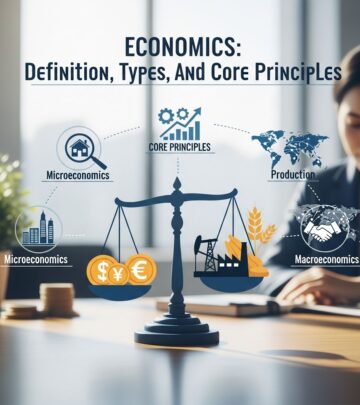
Q: What is the difference between microeconomics and macroeconomics?
A: Microeconomics studies individual consumers, workers, and firms, examining how they make decisions and interact in markets. Macroeconomics analyzes entire economies, focusing on aggregate phenomena such as national income, employment, and inflation.
Q: How does inflation affect an economy?
A: Moderate inflation encourages spending and investment as money loses value over time. However, high inflation erodes purchasing power, increases uncertainty, and can lead to economic instability. Deflation, conversely, can discourage spending and investment.
Q: What causes economic recessions?
A: Recessions result from various factors, including financial crises, sudden shocks (such as oil price spikes), policy mistakes, or loss of consumer confidence. They are characterized by declining GDP, rising unemployment, and reduced business investment.
Q: How do interest rates impact the economy?
A: Lower interest rates reduce borrowing costs, encouraging businesses to invest and consumers to spend, thereby stimulating growth. Higher rates increase borrowing costs, which can slow inflation but may also reduce economic activity and employment.
Q: What is economic development?
A: Economic development refers to sustained increases in per capita income and improvements in living standards, including healthcare, education, and infrastructure. It differs from economic growth, which merely measures increases in GDP.
Q: How does technology affect economies?
A: Technology increases productivity, reduces production costs, and creates new industries and markets. However, it can also displace workers and exacerbate income inequality if not accompanied by appropriate education and training programs.
Conclusion
An economy is a complex system of production, distribution, and consumption that determines how societies allocate resources and create prosperity. Understanding different economic systems, how they function, and the indicators that measure their health is essential for informed decision-making by investors, policymakers, and citizens. As economies continue to evolve in response to technological innovation, globalization, and environmental challenges, adaptability and informed policy will be crucial for ensuring sustainable and inclusive economic growth.
References
- Gross Domestic Product (GDP) — Bureau of Economic Analysis, U.S. Department of Commerce. 2025. https://www.bea.gov/resources/learning-center/what-to-know/GDP
- Employment Situation — U.S. Bureau of Labor Statistics. 2025. https://www.bls.gov/news.release/empsit.nr0.htm
- Understanding the U.S. Inflation — Federal Reserve Board of Governors. 2025. https://www.federalreserve.gov/faqs/economy_14400.htm
- Types of Economic Systems — OECD iLibrary. 2024. https://www.oecd-ilibrary.org/
- World Economic Outlook — International Monetary Fund. November 2024. https://www.imf.org/en/Publications/WEO
- Global Trade and Investment Trends Monitor — UNCTAD (United Nations Conference on Trade and Development). 2024. https://unctad.org/webflyer/global-trade-and-investment-trends-monitor
Similar Articles








Read full bio of Sneha Tete