What is Economic Stagnation: Definition and Effects
Understanding economic stagnation: causes, effects, and recovery strategies for sustained growth.
What is Economic Stagnation?
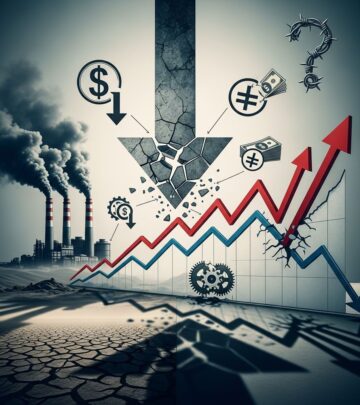
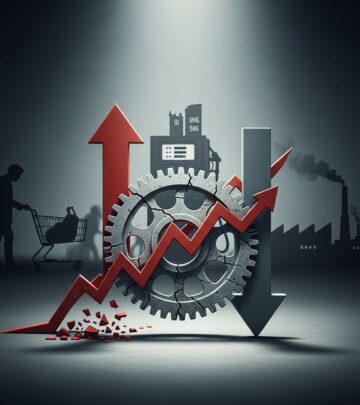
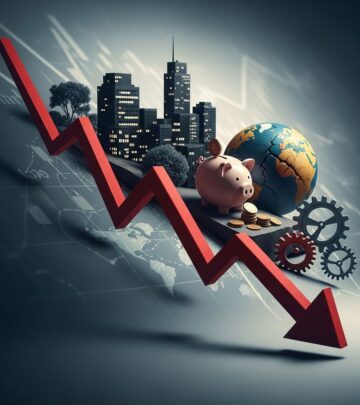
Economic stagnation refers to a prolonged period of little or no economic growth in a given region or economy. It is characterized by minimal increases in gross domestic product (GDP), typically defined as growth below 2% or 3% annually. During stagnation, an economy remains in a state of inactivity where progress stalls despite external opportunities and market forces. This condition represents more than just slow growth; it reflects a fundamental lack of dynamism that permeates multiple sectors of the economy and affects various aspects of society, from labor markets to consumer confidence.
Unlike acute economic downturns, stagnation is a persistent phenomenon that can linger for extended periods. The economy continues to function, but at a sluggish pace, with minimal job creation, weak business expansion, and little improvement in living standards for the population. Understanding this distinction is crucial for policymakers and individuals alike, as stagnation requires different interventions than more sudden economic shocks.
Key Causes of Economic Stagnation
Economic stagnation does not emerge in isolation. Rather, it results from a combination of interconnected factors that collectively constrain growth and innovation. Identifying these causes is essential for developing effective recovery strategies.
Lack of Innovation
Innovation serves as a primary engine of economic growth, driving productivity improvements and creating new industries and employment opportunities. When organizations and economies fail to invest in research and development, technological advancement slows considerably. This stagnation in innovation means businesses rely on outdated processes and products, reducing their competitiveness in global markets. Without breakthrough technologies or improved methodologies, productivity gains plateau, and economic growth becomes increasingly difficult to achieve.
Regulatory Hurdles
Excessive or poorly designed regulations can create significant barriers to business expansion and entrepreneurship. When regulatory frameworks become too burdensome, they discourage new ventures and limit the ability of existing businesses to adapt and grow. Complex compliance requirements increase operational costs, divert resources from productive activities, and reduce the incentive for companies to invest in expansion or new initiatives. Removing unnecessary regulatory barriers while maintaining essential protections can help unlock economic potential.
Economic Factors and Cyclical Downturns
Economic downturns, particularly recessions, create ripple effects throughout the economy. Reduced consumer spending, diminished business investments, and limited job opportunities combine to create conditions favorable for stagnation. During these periods, businesses become risk-averse, postponing expansion plans and capital investments. Consumers tighten their spending due to uncertainty about employment and income stability. This contraction in both spending and investment creates a self-reinforcing cycle that can persist long after the initial shock passes.
Cultural Resistance to Change
Organizations and societies that resist innovation and change often find themselves trapped in stagnant conditions. When leadership prioritizes maintaining the status quo over adaptation, the organization loses the flexibility needed to respond to changing market conditions. This cultural rigidity prevents the adoption of new technologies, business models, and management practices that could drive growth. Fostering a culture that embraces change and encourages experimentation is vital for breaking free from stagnation.
Monopolistic Practices
When a single entity or a small number of firms dominate a market, competition diminishes significantly. This lack of competitive pressure removes the primary incentive for innovation and efficiency improvements. Monopolistic or oligopolistic firms may become complacent, knowing they face little threat from competitors. Consumer choices become limited, prices may rise without corresponding quality improvements, and the dynamism typically associated with competitive markets evaporates. Antitrust enforcement and measures to promote fair competition are essential for preventing monopolistic stagnation.
Geopolitical and Global Factors
International conflicts, recessions in major trading partners, trade tariffs, and global crises can significantly impact domestic economies. Wars or economic downturns in other countries reduce demand for exports and can disrupt supply chains. Trade barriers increase costs for businesses and consumers, reducing economic activity. These global factors remind us that modern economies are interconnected, and external shocks can quickly translate into domestic stagnation.
Excessive Debt and Financial System Issues
High levels of consumer, business, or government debt can lead to increased interest rates and reduced lending availability. When resources are devoted to servicing debt rather than productive investments, economic growth slows. Financial instability or a weakened banking system further constrains credit availability, making it difficult for businesses and consumers to access the capital needed for expansion and consumption.
Understanding the Effects of Economic Stagnation
The consequences of economic stagnation extend far beyond abstract economic statistics. These effects touch the lives of ordinary people and reshape society in profound ways.
Rising Unemployment and Underemployment
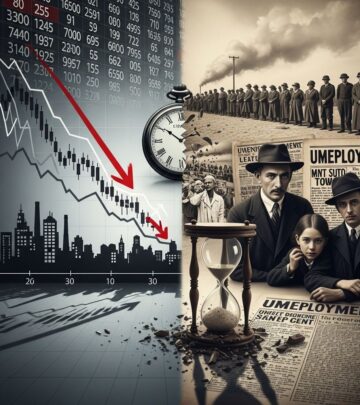
One of the most immediate effects of stagnation is reduced job creation. As economic growth slows, businesses have little incentive to expand their workforce. Simultaneously, population growth continues through births and immigration, creating an oversupply of labor relative to available positions. This glut of workers seeking limited jobs drives unemployment rates higher. Additionally, many workers are forced into part-time positions because full-time opportunities remain scarce. Underemployment becomes widespread, with skilled workers accepting positions below their qualifications.
Declining Wages and Income Stagnation
The excess supply of labor during stagnation places downward pressure on wages. With many workers competing for relatively few positions, employers can offer lower compensation packages without fear that employees will leave for better opportunities elsewhere. Real wage growth stalls or even reverses, reducing the purchasing power of workers and their families. Low personal incomes limit household spending, which further dampens economic activity, creating a vicious cycle.
Reduced Consumer Demand and Business Investment
When employment is weak and wages are stagnant, consumer confidence erodes. Households reduce spending and increase savings rates, perceiving economic uncertainty. This decline in consumer demand forces businesses to postpone expansion plans, knowing that demand for their products and services remains weak. Investment activities decrease as investors become risk-averse, fearing further economic deterioration. This reduction in both consumption and investment perpetuates the stagnation.
Economic Decline and Productivity Loss
Stagnation manifests as reduced productivity, lower job creation, and sluggish GDP growth. The fundamental indicators of economic health all deteriorate. This decline translates directly into a lower standard of living for the population. Economic opportunities narrow, businesses struggle to grow, and communities face reduced tax revenues, limiting their ability to invest in infrastructure and services.
Increased Inequality
Stagnation disproportionately affects those at the lower end of the income spectrum. While wealthier individuals may maintain their standard of living through investment income and accumulated assets, working-class people struggle with unemployment and wage stagnation. This divergence increases income inequality and can create social divisions. The gap between rich and poor widens, reducing social mobility and opportunity for vulnerable populations.
Social Discontent and Brain Drain
Prolonged stagnation breeds frustration and discontent, particularly among younger generations who see limited opportunities for advancement. This dissatisfaction can manifest in social unrest, protests, and widespread disillusionment with existing institutions. Additionally, talented and ambitious individuals often seek opportunities in more dynamic regions, leading to a “brain drain” where skilled professionals emigrate. This departure of human capital further weakens the stagnant region, as those who could contribute most to revitalization choose to leave.
Financial Sector Deterioration
During stagnation, the financial sector experiences significant challenges. The market value of financial assets declines as economic prospects worsen. Bank lending contracts as institutions become more cautious about credit risk. Consumer and government debt may actually increase as individuals and governments borrow to maintain spending levels or stimulate growth, further straining the financial system.
Distinguishing Stagnation from Similar Economic Conditions
Economic terminology can be confusing, as several terms describe different but related economic problems. Understanding the distinctions is crucial for proper analysis and policy response.
| Economic Condition | Key Characteristics | Duration and Severity |
|---|---|---|
| Stagnation | Prolonged low or no growth (below 2-3% GDP), persistent inactivity, limited progress across sectors | Extended period of weeks, months, or years of slow growth |
| Stagflation | Simultaneous stagnant growth, high unemployment, and rising inflation | Acute crisis requiring immediate policy intervention |
| Recession | Significant decline in economic activity, negative GDP growth, sharply increased unemployment | Typically 6 months to 2 years, more acute than stagnation |
Stagflation
Stagflation represents a particularly challenging economic scenario where stagnant growth coexists with high inflation and unemployment. This combination defies traditional economic theory, which suggested an inverse relationship between inflation and unemployment. Stagflation creates a policy dilemma, as measures to combat inflation may worsen unemployment, while efforts to stimulate employment may accelerate inflation. This rare but complex condition requires nuanced policy approaches.
Recession
A recession involves a more pronounced decline in economic activity compared to stagnation. It features negative GDP growth rather than simply slow positive growth, sharply rising unemployment, and rapidly declining consumer spending. While stagnation may persist without dramatic changes in major economic indicators, a recession represents a more acute contraction requiring aggressive policy intervention through fiscal and monetary measures.
Types of Economic Stagnation
Economic stagnation manifests in different forms, each with distinct characteristics and policy implications.
Cyclical Stagnation
Cyclical stagnation occurs as a natural part of the business cycle, characterized by periods of expansion followed by contraction. During cyclical downturns, economic activity decreases temporarily, unemployment rises, and consumption falls. However, these phases typically reverse as the economy moves through its natural cycle. Cyclical stagnation is generally temporary and can be addressed through conventional monetary and fiscal policy adjustments.
Secular Stagnation
Secular stagnation represents a more persistent challenge, characterized by prolonged periods of weak growth that extend across decades. This type of stagnation reflects fundamental structural challenges in the economy, including demographic factors, education gaps, rising inequality, globalization pressures, energy and environmental constraints, and the burden of consumer and government debt. Addressing secular stagnation requires deep structural reforms rather than simple cyclical policy adjustments.
Frequently Asked Questions
Q: What is considered stagnation in terms of GDP growth?
A: Economic stagnation is typically defined as GDP growth below 2% or 3% annually. This threshold represents growth too slow to meaningfully improve living standards or create sufficient employment opportunities for a growing population.
Q: How does stagnation differ from a recession?
A: A recession involves negative GDP growth and more acute economic decline, while stagnation refers to extended periods of minimal positive growth. Recessions are more severe but often shorter, while stagnation persists over longer timeframes with less dramatic but persistent weakness.
Q: What causes brain drain during economic stagnation?
A: During stagnation, ambitious and talented individuals seek opportunities in more dynamic regions or countries where economic growth and job prospects are stronger. This emigration of skilled workers further weakens stagnant economies by removing human capital that could contribute to revitalization.
Q: Can government policies address stagnation?
A: Yes, government policies can help address stagnation through fiscal stimulus, monetary policy adjustments, regulatory reform, investments in education and infrastructure, and antitrust enforcement to promote competition. However, severe cases of secular stagnation may require more comprehensive structural reforms.
Q: How does stagnation affect different income groups differently?
A: Stagnation disproportionately affects lower-income individuals who depend on employment income. While they face unemployment, wage stagnation, and underemployment, wealthier individuals with investment income and assets may maintain their standard of living, thereby increasing overall income inequality.
References
- Stagnation Unveiled: Decoding Causes, Effects, and Prevention — Holistique Training. 2024. https://holistiquetraining.com/en/news/stagnation-unveiling-causes-effects-and-prevention
- Economic Stagnation: Identifying Challenges and Paving the Way for Recovery — LP Centre. 2024. https://www.lpcentre.com/articles/economic-stagnation-identifying-challenges-and-paving-the-way-for-recovery
- What is Stagnation? — Robinhood. 2020. https://robinhood.com/us/en/learn/articles/6AiyIuJlFSXlfuqUVvayBA/what-is-stagnation/
- Economic Stagnation: Definition, Types, and Challenges — Bat D Academy. 2024. https://batdacademy.com/en/post/economic-stagnation-definition-types-and-challenges
- Effects of Economic Stagnation and How to Prepare for Them — BlueCart. 2024. https://www.bluecart.com/blog/effects-economic-stagnation
Similar Articles








Read full bio of Sneha Tete