What Is a Credit Card CVV? Security Guide
Learn what CVV means, where to find it, and how it protects your credit card from fraud.

What Is a Credit Card CVV? A Complete Security Guide
If you’ve ever made a purchase online or over the phone, you’ve likely encountered a request for your credit card CVV number. This three- or four-digit code has become a standard security feature in modern payment processing, yet many cardholders don’t fully understand what it is or why it matters. Understanding your CVV is crucial for protecting yourself against credit card fraud and maintaining the security of your financial information in an increasingly digital world.
A CVV number is a security code that adds an extra layer of protection to your credit card transactions, particularly when you cannot physically present your card to a merchant. This guide will help you understand everything about CVV codes, from their basic function to advanced security considerations.
What Does CVV Stand For?
CVV stands for Card Verification Value, though it goes by several other names depending on your credit card issuer. This terminology can be confusing, but they all refer to the same security feature designed to verify that you have physical possession of the card. Understanding the various names helps when dealing with different financial institutions and payment processors.
The most common names for this security code include:
- CVV (Card Verification Value) – Used by Visa and Discover
- CVC (Card Verification Code) – Used by Mastercard
- CID (Card Identification Number) – Used by American Express
- CSC (Card Security Code) – An industry standard term
- CVN (Card Verification Number) – Used by some processors
Regardless of the name your card issuer uses, the function remains the same: verifying that you are the legitimate cardholder making the transaction.
Where Is Your CVV Located?
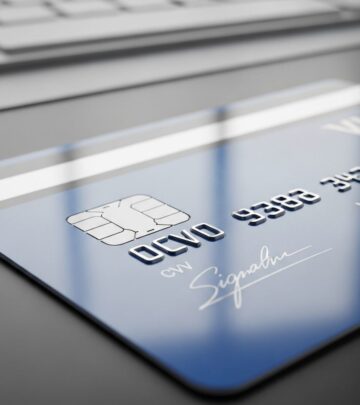
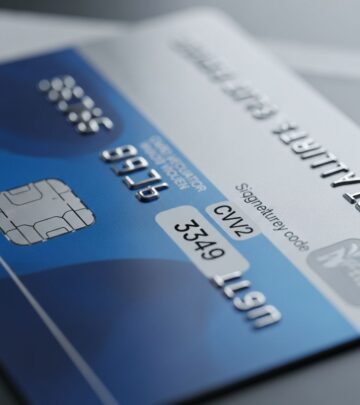
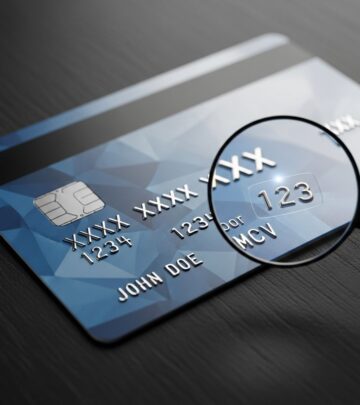
Finding your CVV is straightforward, though the exact location can vary depending on your credit card type and issuer. For most credit cards, including Visa, Mastercard, and Discover cards, the CVV is a three-digit number printed on the back of the card, usually near the signature strip. However, American Express differs from this standard by placing a four-digit CVV on the front of the card, above the account number.
To locate your CVV:
- Check the back of your card for a three-digit number, typically in the rightmost position on the signature panel
- For American Express cards, look at the front of the card just above the account number for a four-digit code
- Ensure you’re reading the correct number and not confusing it with other card identifiers
It’s important to note that the CVV is not embossed or raised on the card like the account number. Instead, it’s printed flat on the card’s surface, which is an intentional security feature that makes it harder to reproduce through skimming or copying methods.
Why Is the CVV Important?
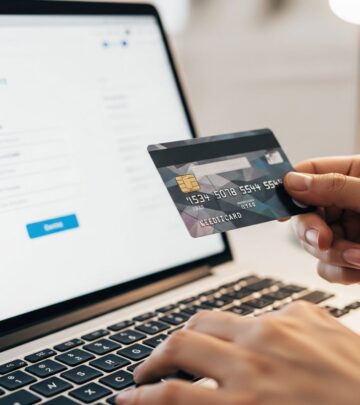
The CVV plays a critical role in protecting your credit card from unauthorized use, particularly in card-not-present transactions. When you shop online, make a phone purchase, or use your card through a mobile app, the merchant cannot physically verify that you have the card in your possession. The CVV bridges this security gap by confirming that you have actual physical access to the card. This additional verification layer significantly reduces the risk of fraudulent transactions.
Credit card fraud remains the most common type of identity theft according to the Federal Trade Commission (FTC), making the CVV an essential security measure. Without this code, a thief who obtained your card number could potentially make unauthorized purchases online or over the phone without any additional verification. By requiring the CVV, merchants can verify your identity and confirm that you are the legitimate cardholder.
For merchants and payment processors, accepting the CVV also helps reduce chargebacks and protects customer trust. When a CVV is verified, the transaction is much less likely to be disputed as fraudulent, which reduces financial losses for businesses and improves overall transaction security.
CVV vs. PIN: Understanding the Difference
Many people confuse their CVV with their Personal Identification Number (PIN), but these are two distinct security features with different purposes. Understanding the difference helps you use each code appropriately and protects your account security.
The main differences between CVV and PIN include:
- CVV is used for card-not-present transactions like online shopping or phone orders, while a PIN is typically used for in-person payments or ATM withdrawals
- CVV is printed on the card and cannot be changed, whereas your PIN is usually a number you create and can modify
- CVV is verified by merchants and should never be stored, while your PIN remains confidential between you and your bank
- CVV provides verification of card possession, while a PIN verifies your identity and access to your account
How CVV Protects You From Fraud
The CVV provides protection against several types of credit card fraud by adding a verification step that cyber thieves cannot easily bypass. If a criminal obtains your credit card number through a data breach, phishing attack, or other means, they still cannot make online or phone purchases without your CVV. This single additional security measure has proven remarkably effective at preventing unauthorized transactions.
The protection works because:
- The CVV is not stored in the card’s magnetic stripe or chip, making it much harder for thieves to steal through skimming devices
- Merchants are required by Payment Card Industry Security Standards not to store your CVV after the transaction is authorized, so even if a merchant’s database is breached, your CVV remains protected
- The CVV proves that a person has the physical card, which is a significant barrier for cybercriminals operating remotely
- When a CVV doesn’t match what’s on file, it triggers fraud alerts and transaction denials, preventing unauthorized use
However, it’s important to recognize that while the CVV is an effective security measure, it’s not foolproof and doesn’t protect against all types of fraud. For example, if your physical card is stolen, a thief can use it for in-person transactions without needing the CVV.
Best Practices for Protecting Your CVV
While the CVV is designed as a security feature, you still need to protect it like any other sensitive financial information. Treating your CVV with care helps ensure that your credit card remains secure and reduces your risk of identity theft.
Follow these essential practices:
- Never share your CVV with anyone, including bank employees or customer service representatives who call you unsolicited
- Never write down or photograph your CVV unless absolutely necessary, and never store it digitally in an unencrypted format
- Only enter your CVV on secure, encrypted websites that display a padlock icon and begin with “https://”
- Avoid entering your CVV on public Wi-Fi networks or shared devices where your information could be intercepted
- Keep your credit card in a safe place where others cannot view the CVV printed on it
- Monitor your credit card statements regularly for unauthorized charges and report them immediately
- Be cautious of phishing emails and calls requesting your CVV, as legitimate financial institutions never ask for this information via email or unsolicited phone calls
CVV and Merchant Requirements
Credit card networks impose strict requirements on merchants regarding how they handle CVV information. Understanding these requirements helps you know what to expect when shopping and provides assurance that your information is being handled responsibly.
Key merchant requirements include:
- Merchants must verify the CVV during the transaction authorization process
- The CVV must be deleted from the merchant’s system immediately after the transaction is authorized
- The CVV cannot be stored in the merchant’s database or backup systems
- Only authorized personnel with legitimate business needs can access CVV information during processing
- Merchants must comply with Payment Card Industry Data Security Standards (PCI DSS) to protect all cardholder data, including CVV information
These requirements exist to ensure that if a merchant’s database is compromised, stolen credit card numbers are much less valuable to criminals because the CVV is not available. This reduces incentive for cyberattacks and helps protect both consumers and merchants.
Do All Online Merchants Require Your CVV?
While requesting the CVV has become standard practice for online and phone transactions, not all merchants require it. Some established retailers with strong fraud prevention systems may not ask for this additional verification, particularly if they have other methods of confirming your identity or if you have an established account with them.
Whether a merchant requests your CVV depends on several factors:
- Their fraud prevention policies and risk assessment tools
- The payment processor they use and their security requirements
- Your transaction history and account standing with the merchant
- The type of purchase being made and its perceived risk level
If a merchant doesn’t ask for your CVV, never volunteer it. Only provide your CVV when specifically requested as part of the payment process.
Understanding CVV Mismatch
A CVV mismatch occurs when the number you enter doesn’t match the CVV associated with your card in the payment processor’s system. This situation can happen for several reasons and typically results in either a fraud alert or a declined transaction.
Common causes of CVV mismatch include:
- Entering the wrong CVV number (transposed digits or misreading the code)
- Using a replacement card with a different CVV than your previous card
- Fraudulent transaction attempts by unauthorized users
- System errors or database synchronization issues with the payment processor
If you experience a CVV mismatch, carefully verify that you’ve entered the correct three- or four-digit code from your card and try again. If the problem persists, contact your credit card issuer to ensure there are no issues with your account.
Related Credit Card Security Features
The CVV works alongside other security features to create a comprehensive fraud protection system for your credit card. Understanding how these elements work together helps you appreciate the layers of security protecting your financial information.
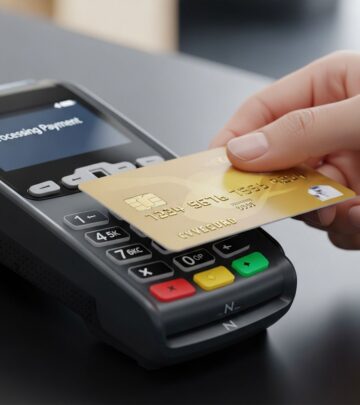
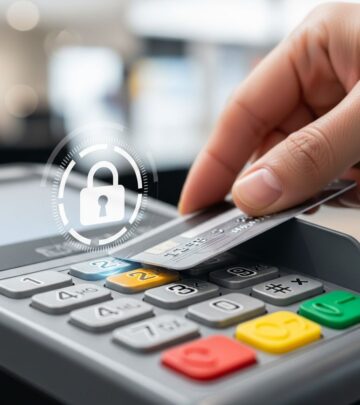
EMV Chip Technology – Modern credit cards include an embedded microchip (EMV chip) that encrypts transaction data when you insert or tap your card at a physical point-of-sale terminal. This technology significantly reduces counterfeit card fraud compared to older magnetic stripe-only cards.
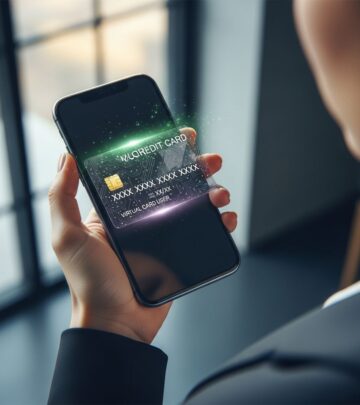
Tokenization – This security process replaces your actual card number with a random token during digital payments. When you use mobile wallets or save your card to online retailers, tokenization prevents your real card number from being exposed to merchants or hackers.
PCI Compliance – Payment Card Industry Data Security Standards (PCI DSS) establish mandatory security requirements for any organization that handles credit card information. These standards ensure businesses implement proper encryption, access controls, and monitoring to protect cardholder data.
Card-Not-Present Fraud Detection – Payment processors use sophisticated algorithms to detect suspicious card-not-present transactions, often flagging orders that differ significantly from your normal spending patterns or that originate from unusual geographic locations.
Frequently Asked Questions About CVV Numbers
Q: What should I do if my CVV has been compromised?
A: If you believe your CVV or credit card information has been compromised, contact your credit card issuer immediately. They can cancel your current card and issue a replacement with a new CVV. Monitor your account closely for unauthorized transactions and consider placing a fraud alert or credit freeze with the credit bureaus.
Q: Can someone use my credit card number without the CVV?
A: While someone with only your credit card number and expiration date cannot make secure online or phone purchases that require CVV verification, they may still be able to make in-person transactions with a counterfeit card or potentially exploit merchants who don’t implement proper security measures. This is why protecting your full card information, including the CVV, remains important.
Q: Is it safe to provide my CVV over the phone?
A: Only provide your CVV over the phone when you initiate the call to a company you trust, such as your credit card issuer or a known merchant. Never provide your CVV if someone calls you unsolicited, as this is a common fraud tactic. Legitimate financial institutions and businesses will never ask for your CVV via unsolicited phone calls or emails.
Q: How long does a CVV remain the same?
A: Your CVV remains the same throughout the life of your current credit card. However, when you renew your card or receive a replacement card due to damage or suspected fraud, your new card will have a different CVV number. Make sure to update any stored payment information with your new CVV when you receive a replacement card.
Q: Why isn’t my CVV embossed like my card number?
A: The CVV is intentionally printed rather than embossed to prevent it from being easily copied or reproduced. An embossed number can be read through physical contact or simple copying methods, whereas a printed CVV requires viewing the actual card. This design choice adds an important security layer that makes counterfeiting and fraud more difficult.
References
- Card Security Code (CSC / CVV / CVC / CVN) — Sycurio. 2025. https://sycurio.com/knowledge/glossaries/card-security-code-csc-cvv-cvc-cvn
- What is a CVV number and where is it on a credit card? — Capital One. June 12, 2025. https://www.capitalone.com/learn-grow/money-management/what-is-a-cvv/
- What is a Credit Card CVV Number? — Citi.com. 2025. https://www.citi.com/credit-cards/understanding-credit-cards/what-is-a-cvv-number-on-a-credit-card
- What is the CVV number on a credit card? — Chase.com. 2025. https://www.chase.com/personal/credit-cards/education/basics/cvv-number
- Card security code — Wikipedia. 2025. https://en.wikipedia.org/wiki/Card_security_code
Similar Articles








Read full bio of Sneha Tete