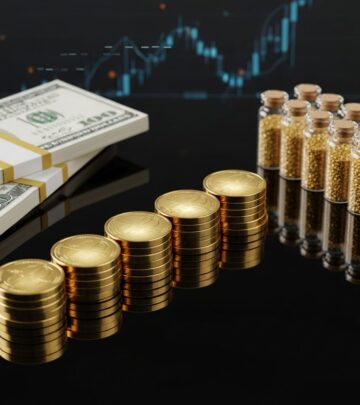
Commodity: Definition, Types, and Market Examples
Complete guide to commodities: Understanding raw materials, trading, and market dynamics.

What Is a Commodity?
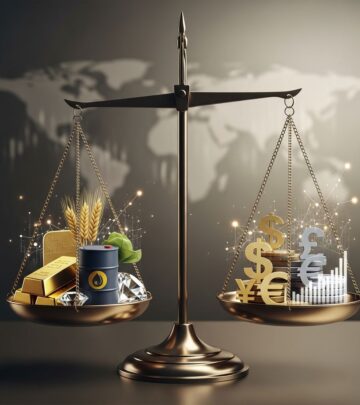
A commodity is a basic good or raw material that is interchangeable with other identical goods of the same type. Commodities are essential building blocks of the global economy, serving as inputs for manufactured goods and services. The defining characteristic of commodities is their fungibility meaning one unit of a particular commodity is essentially identical to another unit of the same commodity, regardless of where it was produced or who produces it.
Commodities are traded on specialized exchanges around the world, and their prices are determined by supply and demand dynamics in global markets. Unlike branded products or services, commodities have no significant differentiation in quality or origin from one producer to another. A barrel of crude oil from one region is functionally equivalent to a barrel from another region; similarly, bushels of wheat or troy ounces of gold maintain their fundamental characteristics regardless of source.
Understanding Commodities
The commodity market represents one of the oldest and most fundamental aspects of global commerce. Humans have traded commodities for thousands of years, from spices and textiles to metals and agricultural products. In modern economies, commodities form the foundation of industrial production and consumer goods.
The key distinguishing feature of commodities is their standardization. This standardization enables efficient trading through futures contracts and spot markets. Because commodities are homogeneous, buyers and sellers can conduct transactions without inspecting individual units, reducing transaction costs and increasing market efficiency.
Commodities serve multiple economic functions:
- Raw materials for manufacturing industries
- Investment vehicles for portfolio diversification
- Hedging instruments against inflation and currency fluctuations
- Essential resources for energy and food security
- Strategic reserves and wealth storage
Types of Commodities
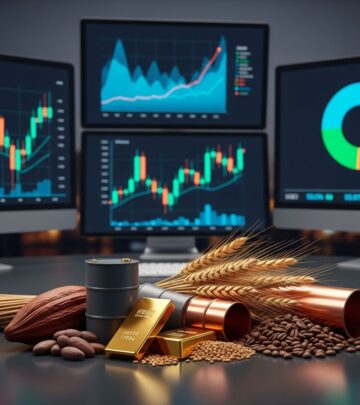
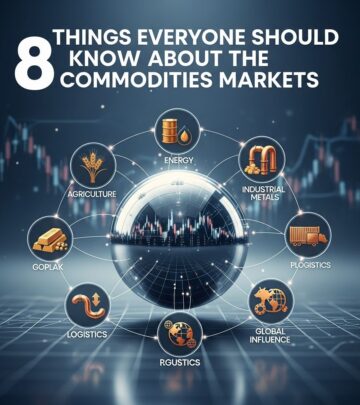
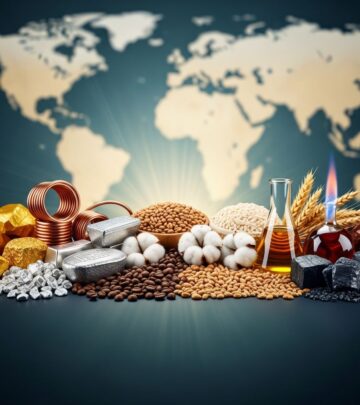
Commodities are typically categorized into several major groups based on their nature and end-use. Understanding these categories helps investors and market participants better navigate commodity markets.
Energy Commodities
Energy commodities are among the most actively traded and economically significant commodities globally. Crude oil, the most widely traded energy commodity, serves as the foundation for gasoline, diesel, heating oil, and numerous petrochemical products. The price of crude oil significantly influences transportation costs, manufacturing expenses, and inflation rates worldwide.
Natural gas represents another crucial energy commodity, used for heating, electricity generation, and industrial processes. Coal, while declining in some developed nations, remains a significant energy source globally. These energy commodities are essential for powering modern economies and are subject to geopolitical risks, supply disruptions, and weather-related factors that create price volatility.
Metals Commodities
Precious metals and industrial metals constitute another major commodity category. Gold and silver are highly valued for their rarity, aesthetic properties, and industrial applications. Gold serves as a store of value, currency reserve, and inflation hedge, while also being used in jewelry, electronics, and dentistry.
Industrial metals including copper, aluminum, zinc, and nickel are essential for construction, manufacturing, electrical systems, and renewable energy infrastructure. Copper, often called the “canary in the coal mine” for economic activity, is particularly sensitive to economic cycles and industrial demand fluctuations. These metals are critical inputs for infrastructure development and technological advancement.
Agricultural Commodities
Agricultural commodities encompass crops and livestock products traded on global markets. Major agricultural commodities include wheat, corn, soybeans, rice, coffee, sugar, and cocoa. These commodities are essential food sources and ingredients for processed foods, beverages, and animal feed.
Livestock commodities such as cattle, pork, and poultry represent significant portions of global food production. Agricultural commodities are particularly sensitive to weather conditions, seasonal patterns, disease outbreaks, and government agricultural policies. Climate change increasingly impacts commodity yields and prices, making agricultural commodities increasingly volatile.
Soft Commodities
Soft commodities typically refer to agricultural products that are grown rather than extracted or mined. This category includes coffee, cocoa, sugar, cotton, and orange juice. These commodities are often subject to weather-related disruptions, pest infestations, and disease, creating supply shocks that impact prices significantly.
Commodity Markets and Trading
Commodity markets operate through various channels and mechanisms that connect producers, consumers, and investors worldwide. The primary venues for commodity trading include organized futures exchanges, spot markets, and over-the-counter (OTC) markets.
Futures Exchanges
Major commodity futures exchanges such as the Chicago Mercantile Exchange (CME), Intercontinental Exchange (ICE), and the London Metal Exchange (LME) facilitate standardized trading of commodity futures contracts. These exchanges provide price discovery, liquidity, and risk management tools for market participants.
Futures contracts obligate buyers and sellers to exchange a specified quantity of a commodity at a predetermined price on a future date. These contracts allow farmers, producers, and manufacturers to hedge against price fluctuations, while also attracting investors seeking exposure to commodity price movements.
Spot Markets
Spot markets involve immediate or near-immediate physical delivery of commodities at current market prices. These markets are essential for consumers and producers who require actual physical commodities for their operations. Spot prices serve as reference points for futures markets and influence contract valuations.
Factors Affecting Commodity Prices
Commodity prices are influenced by numerous interconnected factors that create both short-term volatility and long-term trends:
- Supply and Demand Dynamics: Fundamental imbalances between global supply and demand create price pressures. Production increases, demand surges, and inventory levels all influence commodity valuations.
- Geopolitical Events: Political instability, trade disputes, sanctions, and conflicts in major producing regions can disrupt supply chains and create price shocks.
- Currency Fluctuations: Since most commodities are priced in U.S. dollars, changes in currency valuations affect commodity affordability and competitiveness globally.
- Economic Cycles: Economic growth increases industrial demand and consumption, while recessions reduce commodity demand and prices.
- Weather and Climate: Agricultural and energy commodities are particularly sensitive to weather patterns, seasonal variations, and climate-related disruptions.
- Technological Advances: New extraction techniques, production methods, and alternative technologies can shift commodity demand and supply dynamics.
- Government Policies: Trade policies, environmental regulations, subsidies, and strategic reserves influence commodity markets.
Commodity Investment Strategies
Investors access commodity markets through various instruments and strategies suited to different risk profiles and investment objectives:
Direct Physical Investment
Direct ownership of physical commodities such as gold bullion or oil storage represents the most straightforward approach. However, physical investment requires secure storage, insurance, and handling costs that reduce returns.
Futures and Forward Contracts
Commodity futures enable leveraged exposure to price movements with minimal capital requirements. However, futures trading involves significant complexity and risk, particularly for inexperienced investors unfamiliar with margin requirements and contract specifications.
Exchange-Traded Funds (ETFs)
Commodity ETFs provide convenient, liquid exposure to commodity price movements without requiring direct physical ownership or futures trading expertise. These funds track commodity indices or specific commodity prices.
Mutual Funds and Managed Products
Professional commodity fund managers provide diversified exposure and active management strategies tailored to commodity market conditions.
Advantages and Disadvantages of Commodity Investing
Advantages:
- Inflation hedge—commodities often maintain value during inflationary periods
- Portfolio diversification—low correlation with traditional stocks and bonds
- Essential economic inputs—underlying demand from industries and consumers
- Liquidity—major commodity markets offer substantial trading volumes
Disadvantages:
- High volatility—commodity prices fluctuate dramatically based on supply shocks and geopolitical events
- Storage and carrying costs—physical commodities require secure storage and insurance
- No income generation—commodities produce no dividends or interest payments
- Complexity—futures trading involves leverage, margin calls, and contract specifications
- Environmental and sustainability concerns—commodity production often faces environmental scrutiny
Commodity Markets: Historical Context and Evolution
Commodity trading has evolved dramatically from ancient barter systems to sophisticated modern financial markets. The establishment of formalized commodity exchanges in the 19th and 20th centuries revolutionized global trade by standardizing contracts, enabling price discovery, and facilitating hedging activities.
The Chicago Board of Trade (CBOT), established in 1848, pioneered standardized grain futures contracts that became the template for modern commodity markets. Today, electronic trading has transformed commodity markets, enabling 24/7 global participation and instantaneous price discovery.
The Role of Commodities in Global Economy
Commodities remain fundamental to global economic activity despite technological advancement and economic transformation. Developing economies heavily dependent on commodity exports face particular vulnerabilities to price fluctuations and commodity boom-bust cycles.
The transition toward renewable energy and sustainable practices is reshaping commodity demand patterns. Critical mineral commodities necessary for battery technology, solar panels, and wind turbines are gaining importance, while fossil fuel commodities face long-term structural decline pressure.
Frequently Asked Questions
What is the difference between commodities and derivatives?
Commodities are physical goods or raw materials with intrinsic value and real-world use. Derivatives are financial contracts whose value is derived from underlying commodities, stocks, bonds, or other assets. Commodity futures contracts are derivatives that derive their value from underlying commodity prices.
Why do commodity prices fluctuate so dramatically?
Commodity prices fluctuate due to supply and demand imbalances, geopolitical events, currency changes, speculation, weather disruptions, and economic cycles. The relatively inelastic nature of commodity supply and demand—production cannot respond instantly to price changes—amplifies price volatility.
How can individual investors invest in commodities?
Individual investors can access commodities through commodity ETFs, mutual funds, futures contracts, commodity company stocks, or direct physical purchase. Each approach offers different risk-return profiles, liquidity characteristics, and complexity levels.
What is a commodity index?
Commodity indices track price movements of baskets of commodities weighted by production or consumption. Major indices include the S&P GSCI, Bloomberg Commodity Index, and Rogers International Commodity Index, providing broad commodity market exposure.
Are commodities good inflation hedges?
Historically, commodities have provided some inflation protection as their prices tend to rise during inflationary periods. However, this relationship is not perfect, and certain commodities perform better inflation hedges than others depending on demand drivers.
What impact does the U.S. dollar have on commodity prices?
Since most commodities are priced in U.S. dollars internationally, a stronger dollar makes commodities more expensive for foreign buyers, reducing demand and potentially lowering prices. Conversely, a weaker dollar can support commodity prices by increasing affordability.
How do supply disruptions affect commodity markets?
Supply disruptions from geopolitical conflicts, natural disasters, production accidents, or policy changes can create sudden price spikes. Markets may experience significant volatility and price premiums as participants scramble to secure supply or hedge disruption risks.
References
- Commodity Futures Trading Commission (CFTC) Overview
U.S. Commodity Futures Trading Commission. 2024. https://www.cftc.gov/ - Chicago Mercantile Exchange (CME) Commodity Markets
CME Group. 2024. https://www.cmegroup.com/ - World Bank Commodity Markets Outlook
The World Bank. 2024. https://www.worldbank.org/en/research/commodity-markets - International Organization of Standardization (ISO) Standards for Commodity Grading
International Organization for Standardization. 2024. https://www.iso.org/ - U.S. Energy Information Administration (EIA) – Energy Commodity Data
U.S. Department of Energy. 2024. https://www.eia.gov/ - London Metal Exchange (LME) – Industrial Metals Trading
LME. 2024. https://www.lme.com/ - U.S. Department of Agriculture (USDA) – Agricultural Commodity Markets
USDA. 2024. https://www.usda.gov/
Similar Articles








Read full bio of Sneha Tete