What Is Car Insurance: Coverage Types & Protection
Complete guide to car insurance: Learn coverage types, requirements, and how to protect your vehicle.
What Is Car Insurance?
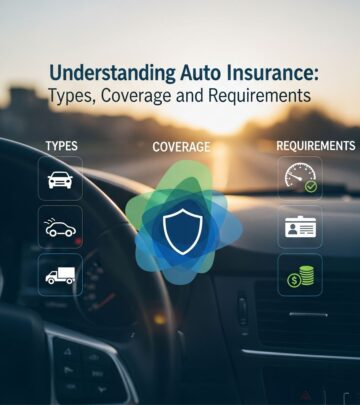
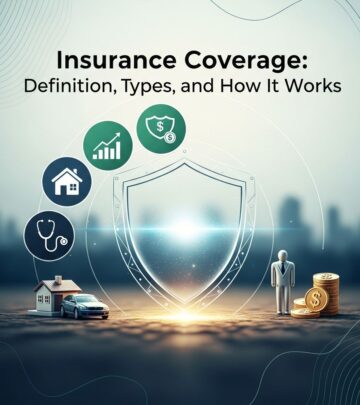
Car insurance is a contractual agreement between you and an insurance company that provides financial protection against losses resulting from vehicle-related incidents. When you purchase a car insurance policy, you agree to pay regular premiums in exchange for the insurer’s promise to cover specific types of damages, injuries, and liabilities outlined in your policy. This essential financial product protects not only your vehicle but also your personal assets and finances from potentially devastating losses due to accidents, theft, natural disasters, or legal liability.
Understanding car insurance is crucial for every vehicle owner because it’s legally required in most states and serves as a vital safety net against financial hardship. Whether you’re involved in a minor fender-bender or a major collision, having appropriate insurance coverage ensures that repair costs, medical expenses, and legal fees won’t drain your savings or create long-term financial difficulties.
Why Car Insurance Is Important
Car insurance serves multiple critical functions in protecting your financial wellbeing. First, it fulfills legal requirements—most states mandate minimum liability coverage to legally operate a vehicle on public roads. Second, it provides essential financial protection by covering repair or replacement costs for your vehicle, which can easily reach thousands of dollars. Third, it shields you from personal liability if you cause injury or property damage to others.
Beyond legal compliance, car insurance offers peace of mind. Knowing you have coverage means you won’t face catastrophic financial consequences from unexpected accidents. Additionally, if you have a loan or lease on your vehicle, your lender typically requires comprehensive and collision coverage to protect their financial interest in the car.
Main Types of Car Insurance Coverage
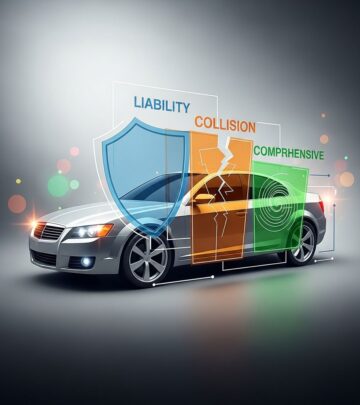
Car insurance policies typically include several types of coverage, each serving a distinct purpose. Understanding each type helps you make informed decisions about which coverages suit your needs and budget.
1. Liability Coverage
Liability coverage is the most fundamental type of car insurance and is required by law in nearly every state. This coverage protects you financially if you’re found legally responsible for causing injury or property damage to others in an accident. Liability coverage is divided into two components:
Bodily Injury Liability: This covers medical expenses, rehabilitation costs, and other medical-related expenses for people injured in an accident you cause. It helps pay for hospital bills, doctor visits, and ongoing treatment for injured parties.
Property Damage Liability: This portion covers the cost of repairing or replacing another person’s property that you damage, including their vehicle, fence, building, or other structures. Without this coverage, you could be personally liable for these expenses.
Most states require minimum liability limits, but you can choose higher limits for additional protection. Common liability limits are expressed as 25/50/25, meaning $25,000 for bodily injury per person, $50,000 for total bodily injury per accident, and $25,000 for property damage.
2. Collision Coverage
Collision coverage pays for damage to your own vehicle resulting from a collision with another vehicle or object, regardless of who is at fault. This includes accidents where you hit another car, a tree, a guardrail, a building, or any other object. Collision coverage also covers damages if your vehicle is hit by another car.
This coverage is typically required if your car is financed or leased, as your lender wants to ensure the vehicle’s value is protected. Collision coverage includes a deductible—the amount you pay out-of-pocket before insurance kicks in. Choosing a higher deductible lowers your premiums but increases your out-of-pocket expenses if an accident occurs.
3. Comprehensive Coverage
Comprehensive coverage protects your vehicle against damage from non-collision incidents. This type of coverage helps pay for repair or replacement of your vehicle following events such as theft, vandalism, fire, hail, floods, and weather-related damage. Additionally, comprehensive coverage typically includes protection against hitting an animal, windshield damage, and falling objects like tree branches.
Like collision coverage, comprehensive coverage includes a deductible. Many insurers offer optional zero-deductible or low-deductible options for specific perils like glass damage. Comprehensive coverage is usually optional but may be required by your lender if you’re leasing or financing your vehicle.
4. Uninsured and Underinsured Motorist Coverage
Uninsured motorist (UM) coverage protects you if you’re hit by a driver who has no insurance, while underinsured motorist (UIM) coverage applies when the at-fault driver’s insurance limits are insufficient to cover your damages and injuries. This coverage has two components:
Uninsured/Underinsured Motorist Bodily Injury: Covers your medical expenses and lost income if you’re injured by an uninsured or underinsured driver.
Uninsured/Underinsured Motorist Property Damage: Helps pay for repairs to your vehicle if an uninsured or underinsured driver causes the damage.
UM/UIM coverage is required in some states and highly recommended in all states, as approximately one in eight drivers nationwide lacks any insurance.
5. Personal Injury Protection (PIP)
Personal Injury Protection, also called no-fault coverage, covers medical expenses, lost wages, and other costs for you and your passengers following an accident, regardless of who is at fault. This coverage typically includes hospital bills, doctor visits, rehabilitation, and lost income due to injury-related work absence.
PIP is required in no-fault states and optional in others. The coverage is particularly valuable because it pays quickly without waiting for fault determination, ensuring immediate medical expenses are covered.
6. Medical Payments Coverage
Medical Payments coverage (MedPay) covers medical expenses for you and your passengers following an accident, regardless of fault. This coverage pays for reasonable and necessary medical treatment expenses resulting from an auto accident. Unlike PIP, MedPay typically doesn’t cover lost wages or other non-medical expenses.
Medical Payments coverage is optional in most states and provides additional protection beyond your health insurance, serving as a valuable supplement for accident-related medical costs.
Additional Optional Coverages
Beyond the standard coverage types, insurers offer several additional optional coverages that can enhance your protection:
Rental Car Reimbursement: Covers the cost of a rental vehicle while your car is being repaired after an accident, ensuring you have transportation during repairs.
Gap Coverage: Protects you if your car is totaled or stolen and its value is lower than the amount remaining on your loan. This coverage pays the difference between your car’s actual cash value and what you still owe on the loan.
24-Hour Roadside Assistance: Provides coverage for towing costs or onsite repairs if your vehicle breaks down, offering peace of mind during emergencies.
New Car Replacement: Covers the cost of a new vehicle if your car is totaled during the policy period, rather than just paying the actual cash value.
Required vs. Optional Coverage
Understanding which coverages are required versus optional helps you build an appropriate policy. Liability coverage is mandated by law in nearly all states. Collision and comprehensive coverage are required if you have a loan or lease on your vehicle, as lenders want to protect their financial interest.
Medical Payments, Personal Injury Protection, and Uninsured/Underinsured Motorist coverage requirements vary by state. Some states mandate these coverages, while others make them optional. All additional coverages like rental car reimbursement, gap coverage, and roadside assistance are optional.
Coverage Comparison Table
| Coverage Type | What It Covers | Typically Required |
|---|---|---|
| Liability | Bodily injury and property damage you cause to others | Yes, in most states |
| Collision | Damage to your vehicle from colliding with objects or other vehicles | Required if financed/leased |
| Comprehensive | Non-collision damage like theft, fire, weather, vandalism | Required if financed/leased |
| Uninsured/Underinsured Motorist | Your injuries or damages caused by uninsured drivers | Required in some states |
| Personal Injury Protection | Medical expenses and lost wages regardless of fault | Required in no-fault states |
| Medical Payments | Medical expenses for you and passengers after accident | Optional in most states |
| Rental Car Reimbursement | Cost of rental vehicle during repairs | Optional |
How to Choose the Right Coverage
Selecting appropriate coverage depends on several factors including your vehicle’s age and value, your financial situation, state requirements, and personal risk tolerance. For older vehicles with lower values, carrying only liability coverage might be economical. For newer vehicles or those with outstanding loans, comprehensive and collision coverage are essential.
Consider your financial ability to pay deductibles and replace your vehicle. If you couldn’t afford to replace your car if it were totaled, collision and comprehensive coverage are wise investments. Review your state’s minimum liability requirements and consider exceeding them for additional protection, especially if you have significant assets to protect.
Understanding Policy Limits and Deductibles
Policy limits are the maximum amounts your insurance company will pay for covered claims. Liability limits are expressed as three numbers (like 25/50/25), representing per-person bodily injury, per-accident bodily injury, and property damage limits respectively. Higher limits provide greater protection but result in higher premiums.
Deductibles represent the amount you pay out-of-pocket before insurance coverage applies. Common deductible amounts are $250, $500, $1,000, or higher. Choosing higher deductibles reduces your premiums but increases your out-of-pocket costs if an accident occurs.
Frequently Asked Questions
Q: Is car insurance required by law?
A: Yes, liability insurance is required by law in nearly all states. Most states mandate minimum liability coverage limits. However, the specific minimum limits vary by state, so check your state’s requirements.
Q: What’s the difference between comprehensive and collision coverage?
A: Collision coverage pays for damage from accidents with other vehicles or objects, while comprehensive coverage covers non-collision damage like theft, weather, vandalism, and animal collisions.
Q: Do I need comprehensive and collision coverage?
A: If your vehicle is financed or leased, your lender typically requires both coverages. If you own your car outright, these coverages are optional but recommended, especially for newer vehicles.
Q: What does uninsured motorist coverage do?
A: Uninsured motorist coverage protects you if you’re hit by a driver with no insurance. It covers your medical expenses and vehicle damages, ensuring you’re not left paying out-of-pocket.
Q: How do I choose the right deductible?
A: Consider your emergency savings and risk tolerance. A higher deductible lowers premiums but increases out-of-pocket costs if you have an accident. Choose an amount you can comfortably afford to pay if needed.
Q: Can I lower my car insurance premiums?
A: Yes, you can lower premiums by increasing deductibles, maintaining a clean driving record, bundling policies, asking about available discounts, and shopping around with multiple insurers for competitive quotes.
Q: What is a deductible?
A: A deductible is the amount you pay out-of-pocket toward a claim before your insurance company pays the remaining covered amount. Higher deductibles mean lower premiums.
Q: Does car insurance cover rental cars?
A: Your personal auto insurance typically extends limited coverage to rental vehicles, but rental car reimbursement coverage specifically covers rental car costs while your vehicle is being repaired.
References
- Types of Car Insurance Coverage — Allstate. Accessed November 2025. https://www.allstate.com/resources/car-insurance/types-of-car-insurance-coverage
- 7 Types of Car Insurance Coverage to Know — Mercury Insurance. Accessed November 2025. https://www.mercuryinsurance.com/resources/basics-101/types-of-car-insurance-coverage.html
- What are the 6 main types of car insurance coverage? — Liberty Mutual. Accessed November 2025. https://www.libertymutual.com/insurance-resources/auto/main-types-of-car-insurance
- Types of Car Insurance Coverages — Progressive. Accessed November 2025. https://www.progressive.com/answers/types-of-car-insurance/
- Collision coverage — Travelers Insurance. Accessed November 2025. https://www.travelers.com/car-insurance/coverage
Similar Articles








Read full bio of Sneha Tete