Bankruptcy: Chapter 7 Vs Chapter 13 – 2 Key Differences
Understand bankruptcy: types, processes, impacts, and recovery strategies for financial relief.

Understanding Bankruptcy: What It Means and Why People File
Bankruptcy is a legal process designed for individuals and businesses that find themselves unable to pay their debts. When someone files for bankruptcy, they’re essentially asking the court to help them manage overwhelming financial obligations. This process provides a structured way to address debt through either liquidation or reorganization, offering a fresh financial start for those facing insurmountable monetary challenges.
The decision to file for bankruptcy is significant and should not be made lightly. However, for many people struggling with excessive debt, it represents a viable path toward financial recovery. Understanding what bankruptcy entails, the different types available, and the long-term implications is crucial before pursuing this option.
The Two Main Types of Bankruptcy: Chapter 7 and Chapter 13
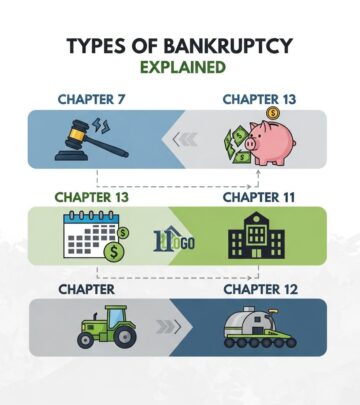
There are two primary forms of personal bankruptcy available to individuals in the United States, each with distinct characteristics and requirements.
Chapter 7 Bankruptcy
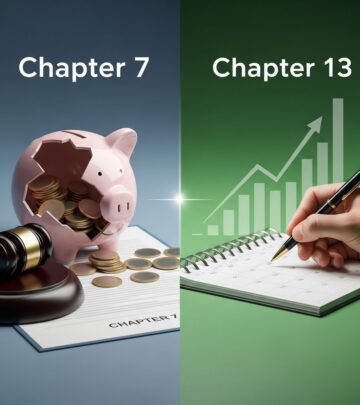
Chapter 7 is a straight bankruptcy in which the debtor’s assets are distributed to creditors. In this type of filing, a trustee is appointed to liquidate nonexempt assets and use the proceeds to pay creditors. Most consumer debts, including credit card balances, medical bills, and personal loans, are eliminated through Chapter 7. However, certain obligations such as student loans, child support, and alimony typically cannot be discharged.
The Chapter 7 process moves relatively quickly, usually lasting three to six months from filing to discharge. Once the bankruptcy is discharged, the debtor receives a fresh start with most debts eliminated. A bankruptcy flag remains on your credit report for up to 10 years from the date of last activity.
Chapter 13 Bankruptcy
Chapter 13, also known as the Wage Earner Plan, is a court-arranged payment plan. Rather than liquidating assets, Chapter 13 allows individuals with regular income to reorganize their debts and create a repayment plan typically lasting three to five years. During this period, the debtor makes monthly payments to a trustee, who distributes the funds to creditors according to the court-approved plan.
Chapter 13 is particularly useful for individuals who have valuable assets they wish to protect or who earn sufficient income to repay at least a portion of their debts. Unlike Chapter 7, Chapter 13 allows debtors to keep their property while making payments toward their obligations. However, the debtor must complete the entire repayment plan to receive a discharge. About half of Chapter 13 cases are dismissed, usually because debtors fall behind on payments.
Key Differences Between Chapter 7 and Chapter 13
| Aspect | Chapter 7 | Chapter 13 |
|---|---|---|
| Primary Purpose | Liquidation of assets | Debt reorganization and repayment |
| Duration | 3-6 months | 3-5 years |
| Asset Disposition | Nonexempt assets sold | Assets retained by debtor |
| Income Requirements | Must pass means test | Must have regular income |
| Credit Report Duration | Up to 10 years | Up to 7-10 years (depending on circumstances) |
| Debt Elimination | Most debts discharged | Debts reorganized into repayment plan |
The Bankruptcy Filing Process
Filing for bankruptcy involves several critical steps that debtors must follow to navigate the legal system properly.
Step 1: Credit Counseling
Before filing, individuals must complete a credit counseling course with an approved agency. This counseling session educates debtors about budgeting alternatives and helps them understand whether bankruptcy is the right choice for their situation.
Step 2: Preparing and Filing Documents
Debtors must complete extensive paperwork including their petition, schedules of assets and debts, income and expense statements, and a statement of financial affairs. These documents provide the court and creditors with a comprehensive view of the debtor’s financial situation. Most individuals work with bankruptcy attorneys to ensure all documents are accurate and complete.
Step 3: Automatic Stay
Upon filing, an automatic stay goes into effect immediately. This legal protection stops most creditor collection activities, including phone calls, lawsuits, and wage garnishments. The automatic stay provides temporary relief while the bankruptcy case proceeds.
Step 4: Meeting of Creditors
Within 20-40 days of filing, the debtor must attend a meeting of creditors, also called the Section 341 meeting. The trustee questions the debtor under oath about their finances and the information provided in the bankruptcy documents. Creditors may also attend to ask questions.
Step 5: Debt Discharge
For Chapter 7, discharge occurs after the trustee has liquidated assets and distributed proceeds to creditors. For Chapter 13, discharge occurs only after the debtor completes the entire repayment plan. The discharge eliminates the debtor’s legal obligation to pay certain debts.
How Bankruptcy Appears on Your Credit Report
Bankruptcy information significantly impacts credit reports and affects creditworthiness for years. All items included in a bankruptcy remain on your credit report for up to 10 years from the date of last activity, depending on the type of bankruptcy. Accounts included in the bankruptcy are not automatically removed from your Equifax credit report.
The bankruptcy flag indicates to potential lenders that you have struggled with debt management in the past. This information appears in the public records section of your credit report and includes details such as:
- The filing date
- The chapter under which you filed
- Case number
- Disposition date
- Whether the case was dismissed or discharged
Research shows that consumer credit scores plunge significantly before bankruptcy and gradually recover after discharge. The lowest credit scores are typically seen among those who have their Chapter 13 cases dismissed, as these individuals tend to be disproportionately low-income and members of minority groups with lower average credit scores. When bankruptcy flags are removed from credit reports after seven or ten years, depending on the chapter, consumers’ credit scores typically jump by approximately 10 points.
The Impact of Bankruptcy on Your Financial Life
The consequences of filing for bankruptcy extend beyond just credit scores. Understanding the full scope of impacts helps individuals make informed decisions about their financial future.
Credit Score Impact
Bankruptcy causes an immediate and substantial drop in credit scores, often ranging from 100 to 200 points or more. The impact is particularly severe immediately after filing but gradually improves over time, especially if you demonstrate responsible financial behavior such as making on-time payments and keeping credit utilization low.
Housing and Rental Implications
A bankruptcy on your credit history seriously affects your ability to obtain credit and can also impact your ability to qualify for rental housing. Landlords frequently check credit reports and may deny applications based on bankruptcy information. This can make securing appropriate housing more challenging and expensive.
Employment Considerations
While federal law prohibits most employers from automatically disqualifying applicants based solely on bankruptcy, some industries and positions may be affected. Certain regulated industries and government positions may conduct more thorough background checks that reveal bankruptcy information.
Insurance Rates
Even car insurance rates may be affected by bankruptcy. Insurance companies often review credit information when determining premiums, and bankruptcy can result in higher rates for auto insurance and other coverage types.
Rebuilding Your Credit After Bankruptcy
Filing for bankruptcy can have a long-term impact on your credit score, but recovery is possible with dedication and strategic financial management. Successfully rebuilding credit after bankruptcy requires patience and consistent responsible financial behavior.
Immediate Post-Bankruptcy Steps
- Obtain a copy of your credit report to verify accuracy
- Dispute any errors or inaccuracies you find
- Review your bankruptcy discharge paperwork thoroughly
- Create a realistic budget based on your income
- Build an emergency fund to avoid future debt problems
Establishing New Credit
After discharge, you’ll need to rebuild your credit history. This may involve obtaining a secured credit card, becoming an authorized user on someone else’s account, or taking out a credit-builder loan. These tools help you establish a positive payment history, which is the most important factor in credit scores.
Long-Term Credit Recovery Strategy
- Make all payments on time, as payment history comprises 35% of your credit score
- Keep credit card balances low relative to credit limits
- Avoid applying for multiple new accounts simultaneously
- Monitor your credit report regularly for errors
- Maintain consistent employment and income
- Avoid taking on new debt unless absolutely necessary
Special Considerations: Chapter 13 Dismissals and Credit Reporting
Recent changes in how credit agencies handle Chapter 13 bankruptcies reflect growing awareness of fairness in credit reporting. For years, Equifax treated Chapter 13 filers differently than its competitors, TransUnion and Experian. While TransUnion and Experian placed a flag on Chapter 13 histories for seven years, Equifax left the flag on reports of Chapter 13 filers who failed to complete their bankruptcy plans for 10 years.
This disparate treatment had significant consequences, particularly for black consumers who are more likely than whites to choose Chapter 13 and have their cases dismissed. Equifax has since modified its policy so that dismissed Chapter 13 bankruptcies are removed after seven years, regardless of outcome, bringing their practices into alignment with competitors.
Alternatives to Bankruptcy
Before filing for bankruptcy, individuals should explore alternatives that may help address debt without the long-lasting credit impact:
- Debt Consolidation: Combining multiple debts into a single loan with a potentially lower interest rate
- Debt Management Plans: Working with a nonprofit credit counselor to create a structured repayment plan
- Negotiation: Working directly with creditors to reduce debt amounts or modify payment terms
- Forbearance or Deferment: Temporarily pausing or reducing payments, particularly for student loans
- Credit Counseling: Professional guidance to improve financial management and budgeting
Frequently Asked Questions (FAQs)
Q: How long does bankruptcy stay on my credit report?
A: Bankruptcy remains on your credit report for up to 10 years from the date of last activity. Chapter 7 bankruptcies typically appear for 10 years, while Chapter 13 bankruptcies may be removed after 7 years if the plan is completed successfully.
Q: Will bankruptcy eliminate all my debts?
A: No. While bankruptcy eliminates many types of debt, certain obligations cannot be discharged, including student loans, child support, alimony, court fines, and recent tax debts. Consult with a bankruptcy attorney to understand which debts apply to your situation.
Q: Can I keep my house or car if I file for bankruptcy?
A: In Chapter 7, you may lose non-exempt assets, including vehicles and homes with little equity. In Chapter 13, you can typically keep your property while making payments through the repayment plan. Exempt assets vary by state.
Q: How much does it cost to file for bankruptcy?
A: Filing fees typically range from $300 to $400, depending on whether you file Chapter 7 or Chapter 13. However, attorney fees can be substantial and often range from $1,500 to $5,000 or more. Many attorneys offer payment plans.
Q: Will bankruptcy affect my job or employment?
A: Federal law prohibits most private employers from discriminating against you based solely on bankruptcy. However, government agencies and certain regulated industries may have different rules. Check with your employer or industry regulations.
Q: Can I rebuild my credit after bankruptcy?
A: Yes, absolutely. Many people successfully rebuild their credit after bankruptcy by making on-time payments, keeping credit balances low, and managing credit responsibly. Credit scores can improve significantly within 2-3 years of discharge.
Q: What is the automatic stay?
A: The automatic stay is a court order that goes into effect immediately upon filing for bankruptcy. It stops most creditor collection activities, including phone calls, lawsuits, wage garnishments, and foreclosure proceedings.
Q: Can I file for bankruptcy more than once?
A: Yes, but there are waiting periods. You must wait eight years between Chapter 7 filings, three years between Chapter 13 filings, and two years if filing Chapter 7 after Chapter 13. These waiting periods exist to prevent abuse of the bankruptcy system.
References
- Without Fanfare, Equifax Makes Bankruptcy Change That Affects Hundreds of Thousands — ProPublica. Accessed January 12, 2026. https://www.propublica.org/article/equifax-makes-bankruptcy-change-that-affects-hundreds-of-thousands
- How To Read An Equifax Credit Report — Equifax. PDF Document. https://www.700credit.com/wp-content/uploads/2021/01/Equifax-how-to-read-the-credit-report.pdf
- Why are accounts included in a bankruptcy still reported on your credit report? — Equifax. https://www.equifax.com/personal/help/article-list/-/h/a/account-bankruptcy-credit-report/
- What is Bankruptcy? — Equifax. https://www.equifax.com/personal/education/personal-finance/articles/-/learn/what-is-bankruptcy/
- How to Repair Credit History After Bankruptcy — Equifax. https://www.equifax.com/personal/education/personal-finance/articles/-/learn/rebuilding-credit-after-bankruptcy/
Similar Articles








Read full bio of Sneha Tete