What Is a Bank Endorsement and How Does It Work?
Master bank endorsements: Learn types, security benefits, and proper procedures for check transfers.

What Is a Bank Endorsement?
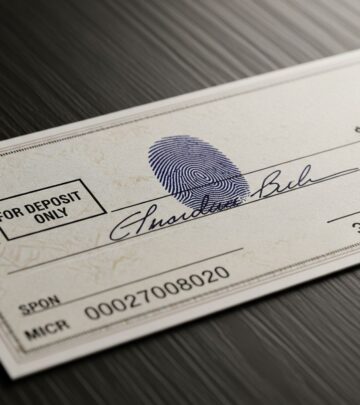
A bank endorsement, commonly referred to as a check endorsement, is the act of signing the back of a check to authorize the transfer of funds from one party to another. This signature serves as a legal verification that you are the intended recipient of the funds and grants permission for the check to be processed by a financial institution. When you endorse a check, you are essentially authorizing your bank to move the money from the check into your account or to transfer ownership of the check to another party. The endorsement box, typically located on the back of the check, is the designated area where this signature must be placed. Without a valid endorsement, banks cannot process checks, making this step integral to the check-cashing or depositing process.
Endorsements serve multiple critical functions in the banking system. They validate the authenticity of the check and approve its payment to the designated payee, acting as an insurance mechanism for banks by mitigating the risk of fraud or bounced checks. By understanding the mechanics of check endorsement, you can protect yourself from financial loss and ensure smooth transaction processing.
Why Check Endorsements Matter
Check endorsements play a vital role in the financial system for several compelling reasons. First and foremost, banks require a valid endorsement before they will take any action with a check, whether it be to cash, deposit, or transfer it. This requirement is established by the Uniform Commercial Code (UCC), which most states have adopted in some form to ensure the validity of checks and protect all parties involved.
The endorsement confirms the payee’s approval to receive or transfer the funds, providing legal authorization for the transaction. Without this key step, banks would not have the necessary authorization to proceed, as the signature demonstrates your consent for the transfer of ownership. Additionally, endorsements assist in tracking and documenting financial transactions, creating a clear audit trail that protects both consumers and financial institutions.
From a security standpoint, endorsements reduce the chance of check fraud significantly. By requiring a signature from the authorized payee, the banking system ensures that only legitimate recipients can access the funds. Furthermore, an incorrect or fraudulent endorsement can lead to serious repercussions, including legal disputes, financial loss, and in some cases, criminal charges, underscoring the importance of understanding proper endorsement procedures.
Types of Check Endorsements
Understanding the different types of endorsements is essential, as each serves distinct purposes and carries varying levels of risk. The type you choose depends on your specific situation and security needs.
Blank Endorsement
A blank endorsement occurs when the endorser simply signs their name on the back of the check exactly as it appears on the “Pay to the Order of” line on the front, with no additional notes or directions. This is the simplest form of endorsement but also the riskiest. With a blank endorsement, the check can be deposited or cashed by anyone in possession of it, even someone other than the payee who signed it. Banks recommend signing the check immediately before cashing or depositing it to minimize the risk of unauthorized access in case the check is lost or stolen. While this is the most commonly used endorsement method, financial institutions generally advise against it for checks of large amounts due to the security risks involved.
Restrictive Endorsement
A restrictive endorsement limits the actions that can be taken with the check by adding specific instructions. The most common form involves writing “For Deposit Only” followed by the endorser’s account number and signature. This endorsement adds a layer of security, specifying that the check can only be deposited into a specific account and cannot be cashed or partially withdrawn. When using a restrictive endorsement for mobile check deposit, you may write “For Mobile Deposit Only” followed by the name of your bank underneath your signature. This type of endorsement is usually what banks want when you use mobile check deposit services and serves as a reminder that the check has already been deposited if you set it aside while waiting for processing.
Special Endorsement
A special endorsement, also known as an endorsement in full, occurs when the endorser specifies a third party to whom the check can be transferred. In this case, the endorser writes “Pay to the Order of [Third Party Name]” and then signs their name. This type of endorsement designates a specific individual or entity as the new payee, and only that person or entity can further endorse or cash the check.
Business Endorsement
When a check is made payable to a business rather than an individual, the process differs slightly. An authorized individual must endorse the check on behalf of the company. The proper procedure involves writing the name of the business exactly as it appears on the “Pay to the Order of” line, signing your name, adding your title (such as Owner or Accountant), and including any restrictions such as “For Deposit Only.”
FBO (For the Benefit of) Endorsement
An FBO endorsement is used when a check is made payable to a third party, such as a custodian, on another person’s behalf, as in trust and custodial arrangements. The restrictive nature of this endorsement provides protection from fraud or mismanagement. With an FBO endorsement, the payee endorses the check, and funds are typically restricted to deposit into the account specified in the trust or custodial arrangement.
Legal Framework Governing Endorsements
Check endorsements are governed by a comprehensive legal framework designed to protect consumers and financial institutions. The Uniform Commercial Code (UCC) establishes the rules governing check endorsements, with most states having adopted this code in some form. These regulations ensure the validity of checks and protect all parties involved in the transaction.
Under these rules, a bank is not required to honor a check if the endorsement is missing or if the institution suspects fraud. Banks have the authority to verify the legitimacy of endorsements and refuse to process checks that appear fraudulent or improperly endorsed. The legal implications of check endorsements are significant; an incorrect or fraudulent endorsement can result in legal disputes, financial loss, and potentially criminal charges for fraud.
Understanding these legal requirements is crucial for protecting yourself and ensuring smooth financial transactions. Accuracy in endorsement, particularly in restrictive or special endorsements, ensures the check is processed without issues and maintains proper documentation for audit purposes.
Security Best Practices for Check Endorsements
Given the security risks associated with check endorsements, implementing best practices is essential for protecting your finances and preventing fraud.
Timing of Endorsement: Endorse a check right before its negotiation to minimize the risk of unauthorized access in case the check is lost or stolen. Avoid signing checks well in advance of when you plan to deposit or cash them.
Use Restrictive Endorsements: For checks of large amounts, it is advisable to use restrictive endorsements rather than blank endorsements. The added security of specifying deposit requirements significantly reduces fraud risk.
Accuracy in Details: Ensure accuracy in endorsement, particularly in restrictive or special endorsements, to prevent processing issues. Double-check that you’ve written all necessary information correctly.
Regular Bank Statement Review: Regularly review your bank statements to detect any fraudulent activities or irregularities. This practice helps you identify unauthorized transactions quickly.
Third-Party Audits: Regular audits, either done internally or by a third-party auditor, can be highly beneficial. They help identify procedural issues or potential vulnerabilities that could lead to fraud or loss.
Multiple Payee Checks: When a check is made out to multiple people, be aware that everyone listed may need to sign, depending on the wording. If the check says “John and Jane Smith,” both must sign for the check to be valid.
Step-by-Step Guide to Endorsing a Check
Following these steps will ensure you endorse checks properly and securely:
- Locate the Endorsement Area: Find the section on the back of the check labeled “Endorse Here” or “Endorsement Box.” This is where your signature must be placed.
- Determine the Appropriate Endorsement Type: Choose your endorsement type based on your needs and security preferences. Consider whether you need a blank, restrictive, special, or other type of endorsement.
- Sign Your Name: For a blank endorsement, simply sign your name as it appears on the front of the check.
- Add Restrictions if Needed: If using a restrictive endorsement, write “For Deposit Only” followed by your account number above your signature.
- Include Additional Information: For business checks or special circumstances, add your title, the business name, or other required information as appropriate.
- Stay Within the Box: Keep all endorsement information inside the designated endorsement box to ensure proper processing.
Common Mistakes to Avoid
To protect yourself and ensure smooth check processing, avoid these common endorsement mistakes:
- Endorsing checks too far in advance of when you plan to deposit or cash them
- Using blank endorsements for large checks
- Signing outside the designated endorsement box
- Failing to match the signature to the name on the check
- Not specifying account numbers for restrictive endorsements
- Endorsing checks made out to multiple people when only one signature is present
- Attempting to cash a check endorsed with “For Deposit Only”
Frequently Asked Questions
Q: What is a bank endorsement?
A: A bank endorsement is a signature on the back of a check that authorizes the transfer of funds and verifies that you are the intended recipient. It serves as legal permission for the bank to process the check.
Q: Where do I sign a check to endorse it?
A: Sign on the back of the check in the designated area called the endorsement box or the section labeled “Endorse Here.”
Q: What is a restrictive endorsement?
A: A restrictive endorsement is an endorsement that limits how the check can be used, typically by writing “For Deposit Only” followed by your account number and signature. This ensures the check can only be deposited and not cashed.
Q: Which endorsement type is the most secure?
A: A restrictive endorsement is more secure than a blank endorsement because it specifies exactly how the check can be processed and limits unauthorized use.
Q: What happens if I don’t endorse a check properly?
A: An incorrect or fraudulent endorsement can lead to serious repercussions, including legal disputes, financial loss, and potentially criminal charges. Banks also may refuse to process an improperly endorsed check.
Q: Can someone else endorse a check for me?
A: Generally, only the named payee or an authorized representative (in the case of business checks) can endorse a check. Allowing someone else to endorse your check creates significant fraud risks.
Q: What is an FBO endorsement used for?
A: An FBO (For the Benefit of) endorsement is used for checks made payable to a third party on behalf of another person, such as in trust or custodial arrangements. It protects funds from fraud or mismanagement.
Q: How long can I hold a check before endorsing it?
A: There is no specific time limit, but it’s best practice to endorse checks immediately before depositing or cashing them to minimize fraud risk if the check is lost or stolen.
References
- Check Endorsement | Definition, Types, How It Works — Finance Strategists. Accessed November 2025. https://www.financestrategists.com/banking/bank-account/check-endorsement/
- How to Endorse a Check — PNC Insights. Accessed November 2025. https://www.pnc.com/insights/personal-finance/spend/how-to-endorse-a-check.html
- How to Endorse a Check: Key Steps, Examples, and Benefits — SBI Cal Bank. Accessed November 2025. https://www.sbical.bank/education-center/how-to-endorse-a-check
- How to Endorse a Check: Step-by-Step Guide — WaFd Bank. Accessed November 2025. https://www.wafdbank.com/articles/banking-101/how-to-endorse-a-check
- How to Properly Endorse a Check and Reduce Fraud — KeyBank. Accessed November 2025. https://www.key.com/about/security/endorsing-a-check.html
Similar Articles








Read full bio of medha deb