What Is Autonomous Consumption? Definition and Examples
Understand autonomous consumption: essential spending independent of income levels and economic cycles.

What Is Autonomous Consumption?
Autonomous consumption represents the level of consumer spending that occurs regardless of income levels. It refers to essential expenditures that individuals and households must make even when their disposable income is zero or significantly reduced. These are necessary purchases that cannot be eliminated, such as food, shelter, utilities, and healthcare. When people lack sufficient income to cover these basic needs, they finance autonomous consumption through savings, borrowing, or accumulating debt.
The concept of autonomous consumption is fundamental to understanding how economies function and how consumers behave during periods of economic uncertainty. Unlike discretionary spending, which fluctuates based on available income, autonomous consumption remains relatively constant because it addresses survival and basic living standards.
Understanding the Consumption Function
Economists use the consumption function to model the relationship between income and spending. The standard consumption function formula is:
C = a + bY
In this equation:
- C represents total consumption
- a represents autonomous consumption (the intercept)
- b represents the marginal propensity to consume
- Y represents disposable income
The autonomous consumption component (a) indicates the baseline spending level when income equals zero. The slope of the consumption line (b) shows how consumption changes with each additional unit of income earned. This mathematical relationship helps economists predict consumer behavior and understand economic cycles.
Autonomous Consumption vs. Induced Consumption
Understanding the distinction between autonomous and induced consumption is crucial for economic analysis. Autonomous consumption is independent of income changes, while induced consumption varies directly with income levels.
| Characteristic | Autonomous Consumption | Induced Consumption |
|---|---|---|
| Income Dependence | Independent of income | Directly dependent on income |
| Nature of Spending | Essential and necessary | Discretionary and flexible |
| Changes with Income | Remains constant | Increases with income rise |
| Examples | Food, rent, utilities | Vacations, luxury goods, dining out |
| Zero Income Scenario | Still occurs through borrowing | Does not occur |
When disposable income increases, induced consumption rises proportionally, allowing households to purchase higher-quality goods, luxury items, and services. Conversely, autonomous consumption persists even when income disappears, as individuals must maintain a minimum standard of living.
Key Determinants of Autonomous Consumption
Several factors influence the level of autonomous consumption within an economy or household:
Personal Assets and Wealth
Households with significant assets such as real estate can access equity through refinancing or home equity loans. This borrowing capacity enables them to maintain consumption levels even when current income is inadequate. Homeowners can extract equity to finance essential expenses, demonstrating how asset ownership affects autonomous consumption levels.
Future Income Expectations
Consumer confidence about future income significantly impacts autonomous consumption. When individuals expect higher future earnings, they are more willing to borrow money to finance current spending. Conversely, pessimistic economic outlooks reduce borrowing and autonomous consumption, as people become reluctant to take on additional debt.
Access to Credit
The ease or difficulty of obtaining credit directly influences autonomous consumption. Individuals with easier access to favorable lending terms, such as credit cards or personal loans, can finance essential spending more readily. Those relying on payday loans or facing stricter lending requirements often struggle to maintain autonomous consumption during income disruptions.
Time Horizon Considerations
The duration of income loss significantly affects autonomous consumption behavior. In the short term, individuals maintain regular spending because they have committed bills and obligations. However, if income loss persists over extended periods, people adjust their behavior by downsizing housing, canceling subscriptions, reducing utility consumption, and even growing food domestically.
Savings Levels
Accumulated savings provide a crucial buffer for maintaining autonomous consumption during income disruptions. Households with substantial emergency funds can sustain spending longer than those without savings. The relationship between savings levels and autonomous consumption demonstrates how financial security influences consumer behavior.
Minimum Living Standards
Cultural norms and societal standards regarding acceptable living conditions determine the baseline autonomous consumption level. Concepts of absolute poverty and minimum standards of living vary across societies, influencing how much individuals spend on necessities. Different communities may have different baseline autonomous consumption requirements based on climate, cost of living, and cultural expectations.
Examples of Autonomous Consumption
Autonomous consumption encompasses various essential goods and services that individuals must purchase regardless of income levels:
- Food and Groceries: Basic nutrition is non-negotiable, representing a significant portion of autonomous consumption
- Housing: Rent or mortgage payments constitute mandatory housing expenses
- Utilities: Electricity, water, gas, and heating are essential services
- Healthcare: Medical expenses and prescription medications cannot be deferred indefinitely
- Personal Hygiene Products: Soap, toothpaste, and other basic hygiene items
- Debt Obligations: Minimum loan payments and interest on existing debts
- Transportation: Public transit fares or basic vehicle maintenance
These items represent the minimum expenditure necessary to maintain a functioning household and basic health standards.
Autonomous Consumption and Dissaving
When households lack sufficient income to cover autonomous consumption, they engage in dissaving or negative saving. This occurs when individuals spend more money than their current disposable income allows, financing the difference through savings depletion, borrowing, or credit card debt.
Dissaving can signal important economic trends. When aggregate autonomous spending in an economy exceeds total income across the population, it indicates negative savings at the macroeconomic level. This situation reflects increased money demand and suggests that consumers are relying on future income expectations or accumulated wealth to sustain current spending patterns.
Individual dissaving may not always indicate financial distress. Significant spending beyond current income can occur for planned purposes such as home purchases, wedding expenses, or educational investments. However, chronic dissaving to finance basic necessities indicates economic stress and potential financial vulnerability.
Autonomous Consumption and Economic Policy
Understanding autonomous consumption levels helps policymakers evaluate economic health and predict consumer behavior. Economists analyze autonomous spending patterns to assess saving trends and identify economic cycles.
When autonomous consumption remains stable despite income fluctuations, it suggests that households have adequate financial buffers and credit access. Conversely, rising autonomous consumption levels may indicate that consumers are increasingly reliant on borrowing to maintain living standards, signaling potential economic instability.
Government policies affecting credit availability, interest rates, and income support directly influence autonomous consumption. During recessions, policymakers may implement stimulus measures to support autonomous consumption, ensuring that vulnerable populations can maintain basic living standards.
The Role of Autonomous Consumption in Keynesian Economics
Autonomous consumption plays a critical role in Keynesian economic theory. In the Keynesian model of aggregate expenditure, the autonomous consumption component determines the baseline level of economic activity. Even when business investment and consumer confidence decline, autonomous consumption continues, providing a floor for aggregate demand.
This foundation of autonomous spending helps explain why complete economic collapse is unusual. Even during severe recessions, people continue purchasing food, paying rent, and acquiring essential services. This persistent demand stabilizes economies and provides a basis for recovery.
Frequently Asked Questions
Q: What happens to autonomous consumption when income becomes zero?
A: When income reaches zero, autonomous consumption continues as individuals finance essential purchases through savings depletion or borrowing. This situation is called dissaving or negative saving, where people spend more than their current income allows.
Q: How does autonomous consumption differ from discretionary consumption?
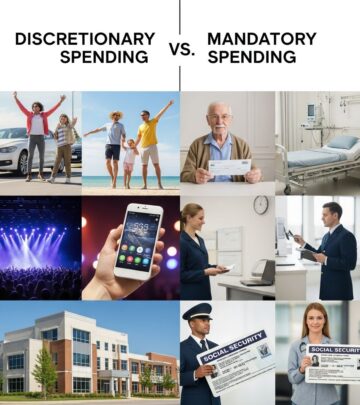
A: Autonomous consumption includes essential, non-negotiable expenses like food and shelter that must be purchased regardless of income. Discretionary consumption refers to non-essential purchases like luxury goods or entertainment that increase with available income and can be eliminated during financial hardship.
Q: Can autonomous consumption levels change over time?
A: Yes, autonomous consumption levels are not static. They change based on personal circumstances, economic conditions, asset levels, credit availability, and future income expectations. Significant life events or economic shocks can permanently alter household autonomous consumption patterns.
Q: Why is autonomous consumption important for economists?
A: Autonomous consumption helps economists understand consumer behavior, predict economic cycles, and evaluate policy effectiveness. It serves as a baseline indicator of economic stability and consumer financial health.
Q: How do savings relate to autonomous consumption?
A: Savings provide the financial cushion enabling households to maintain autonomous consumption during income disruptions. Lower savings levels mean individuals must rely more heavily on borrowing to finance essential expenses, potentially increasing debt and financial vulnerability.
Q: What role does credit access play in autonomous consumption?
A: Credit availability directly enables autonomous consumption during income shortfalls. Those with easy access to favorable credit terms can more readily finance essential purchases, while those facing credit constraints may struggle to maintain minimum consumption levels.
References
- Autonomous Consumption — Economics Help. 2024. https://www.economicshelp.org/blog/glossary/autonomous-consumption/
- Autonomous Consumption — Wikipedia. 2024. https://en.wikipedia.org/wiki/Autonomous_consumption
- Autonomous Consumption Overview: How It Works — Corporate Finance Institute. 2024. https://corporatefinanceinstitute.com/resources/economics/autonomous-consumption/
Similar Articles








Read full bio of Sneha Tete