Automatic Transfer Of Funds: 4 Types And Setup Guide
Master automatic fund transfers: streamline banking, automate payments, and reach financial goals effortlessly.

What Is an Automatic Transfer of Funds?
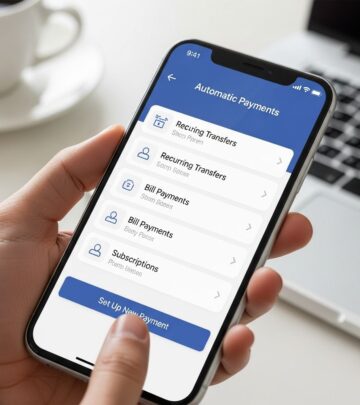
An automatic transfer of funds is a pre-arranged movement of money from one account to another that occurs on a scheduled basis without requiring manual intervention each time. When you set up an automatic transfer, you authorize your financial institution to move funds according to conditions and rules you establish in advance. This streamlined approach to managing money has become increasingly popular among individuals and businesses seeking to simplify their banking processes and maintain better control over their finances.
The fundamental concept behind automatic transfers is convenience and consistency. Instead of logging into your bank account each month to manually transfer funds, the system handles the transaction automatically based on your predetermined instructions. This not only saves time but also reduces the likelihood of missed payments or forgotten transfers that could impact your financial goals or obligations.
How Automatic Transfers Work
Setting up an automatic transfer involves establishing a direct authorization between your bank account and either another account you own or a designated recipient. The process begins when you provide your financial institution with specific instructions about when and how much money should be transferred. Once these rules are activated, your bank automatically processes the transfers according to your schedule without requiring additional action from you.
The mechanics of automatic transfers typically operate through your online banking platform or by contacting your bank directly. Most financial institutions require you to specify the source account (the account from which money will be withdrawn), the destination account (where the funds will be deposited), the amount to be transferred, and the frequency of transfers. You can also set specific dates when transfers should occur, such as the first of each month or on your payday.
Types of Automatic Transfers
Automatic transfers serve various financial purposes and can be categorized based on their intended use and frequency. Understanding the different types helps you determine which approach best suits your financial situation and goals.
Regular Fixed-Amount Transfers
The most straightforward type of automatic transfer involves moving the same amount of money at regular intervals. For example, you might set up a transfer of $200 from your checking account to your savings account every payday. This type of transfer is ideal for building savings systematically or consistently paying down debt. It requires minimal adjustments once established and provides predictability in your cash flow planning.
Target Balance Transfers
Target balance transfers maintain a specific amount in your primary checking account while automatically moving excess funds elsewhere. For instance, if you establish a target balance of $2,000 in your checking account, any amount above that threshold automatically transfers to your savings account. This approach ensures you maintain adequate funds for daily expenses and emergencies while directing surplus funds toward savings or debt reduction goals. It’s particularly useful for managing cash flow without depleting your primary account.
Percentage-Based Transfers
Percentage-based automatic transfers move a specified percentage of deposits or income to another account. For example, you might direct 20% of each paycheck to automatically transfer to a savings account designated for a future purchase or emergency fund. This method aligns your savings with your income level and automatically adjusts when your earnings change, making it flexible and responsive to your financial situation.
Zero-Balance Transfers
Zero-balance transfers are designed to sweep remaining funds from one account to another after all scheduled expenses and bills have been paid. Typically set to occur on a specific date each month, this method transfers any remaining balance to a savings or investment account. This approach maximizes your savings potential by ensuring no money sits idle in a low-interest checking account while still maintaining liquidity for emergencies.
Benefits of Automatic Transfers
Automatic transfers offer numerous advantages that make them an attractive option for managing personal and business finances. These benefits extend beyond simple convenience to include meaningful improvements in financial health and goal achievement.
Time Savings and Convenience
Perhaps the most obvious benefit is the time saved by eliminating manual transfer processes. Rather than logging into your bank account each month to initiate a transfer, the system handles this automatically. For busy professionals, entrepreneurs, and parents juggling multiple responsibilities, this automation frees up time for other important tasks while ensuring financial obligations are met consistently.
Improved Savings Consistency
Automatic transfers promote disciplined saving by treating savings like a non-negotiable bill. When funds transfer automatically before you have a chance to spend them, you’re more likely to reach your savings goals. This “pay yourself first” approach helps build wealth systematically and removes the temptation to skip savings during months when unexpected expenses arise.
Reduced Risk of Late Payments
For bill payments, automatic transfers virtually eliminate the risk of late or missed payments. Since transfers occur on schedule regardless of external factors, creditors receive payments on time, protecting your credit score and avoiding late fees or penalty interest charges. This consistency is particularly valuable for loan payments, insurance premiums, and other critical obligations.
Enhanced Budget Management
Automatic transfers facilitate better budgeting by creating a predictable, automated financial flow. When you know exactly how much money transfers on specific dates, you can plan your spending around these movements. This visibility helps prevent overdrafts and ensures funds are allocated according to your priorities rather than arbitrary spending habits.
Compound Interest Benefits
For savings-focused automatic transfers, consistent deposits into interest-bearing accounts allow you to benefit from compound interest. As your savings grow, you earn interest not just on your original deposits but also on the accumulated interest itself. Over time, this compounding effect significantly accelerates wealth building, particularly when transfers occur over extended periods.
Setting Up Automatic Transfers
Most financial institutions make setting up automatic transfers straightforward through online banking platforms. The process typically involves several simple steps that can be completed in minutes.
Step-by-Step Setup Process
Step 1: Access Your Online Banking Account – Log into your bank’s website or mobile application using your credentials. Navigate to the transfers section, usually found in the main menu or dashboard.
Step 2: Select Transfer Type – Choose whether you want a one-time transfer or a recurring automatic transfer. For automatic transfers, select the recurring option and specify the frequency (weekly, bi-weekly, monthly, etc.).
Step 3: Specify Accounts – Identify your “from” account (source) and “to” account (destination). Both accounts can be your own within the same bank or potentially at different financial institutions, depending on your bank’s capabilities.
Step 4: Enter Transfer Amount – Specify the exact dollar amount to transfer. If you’re using percentage-based or target balance transfers, your bank’s interface will allow you to input the parameters instead.
Step 5: Schedule Frequency and Date – Select how often transfers should occur (monthly, bi-weekly, etc.) and choose the specific date each period. Many people select dates close to when they receive income to align transfers with cash flow.
Step 6: Review and Confirm – Double-check all details before confirming. Ensure the amounts, dates, and account numbers are correct, then authorize the setup.
Automatic Transfers for Different Financial Goals
Automatic transfers can be customized to support various financial objectives, making them versatile tools for different situations and priorities.
Building an Emergency Fund
Setting up automatic transfers to a dedicated savings account ensures you consistently build emergency reserves. Most financial experts recommend maintaining three to six months of expenses in an easily accessible emergency fund. Automatic transfers make reaching this goal realistic by removing the willpower factor and ensuring regular contributions regardless of other financial demands.
Saving for Large Purchases
Whether saving for a down payment on a home, a vehicle, or a vacation, automatic transfers help accumulate funds for significant expenses. By knowing exactly when and how much will transfer, you can calculate precisely when you’ll have enough for your purchase and adjust transfer amounts as needed to meet your timeline.
Paying Down Debt
Automatic transfers to loan or credit card payment accounts ensure consistent debt reduction. By setting transfers slightly above the minimum payment, you can accelerate payoff timelines and reduce total interest paid. This approach is particularly effective for managing multiple debts simultaneously.
Retirement Savings
Automatic transfers to retirement accounts, whether traditional IRAs, Roth IRAs, or employer-sponsored plans, help ensure consistent contributions toward long-term financial security. Regular automatic transfers compound significantly over decades, substantially increasing retirement savings.
Tax Savings
Business owners often use automatic transfers to set aside portions of revenue for tax obligations. By automatically transferring a predetermined percentage of income to a separate account designated for taxes, business owners ensure sufficient funds are available when tax payments are due, avoiding the stress of scrambling for payment and reducing the risk of penalties and interest.
Important Considerations and Precautions
While automatic transfers offer significant advantages, there are important considerations to keep in mind when setting them up and managing them.
Account Balance Verification
Before setting up automatic transfers, ensure your source account will consistently have sufficient funds. Transfers from accounts with inadequate balances can result in overdraft fees or failed transfers. Monitor your account regularly to confirm transfers are occurring as scheduled and funds remain adequate for other obligations.
Payment Authorization Terms
When authorizing automatic payments to third parties (creditors, utilities, etc.), carefully review and keep copies of authorization terms. Ensure you understand how much and how often money will be withdrawn. If payment amounts vary, such as with utility bills, confirm you understand how your bank handles fluctuations and whether advance notice is provided for unusual amounts.
Cancellation Procedures
Understand your bank’s procedures for stopping or modifying automatic transfers. Most institutions allow cancellations through online banking, but some may require written requests. Knowing these procedures beforehand helps you respond quickly if circumstances change and you need to halt transfers.
Regular Account Monitoring
Don’t simply set up automatic transfers and forget about them. Regularly monitor your accounts to ensure transfers occur as expected and amounts remain appropriate for your financial situation. Changes in income, expenses, or financial goals may necessitate adjusting transfer amounts or frequencies.
Frequently Asked Questions
Q: Are automatic transfers safe and secure?
A: Yes, automatic transfers processed through established financial institutions are protected by the same security measures as other banking transactions. Banks encrypt data, use multi-factor authentication, and comply with federal regulations protecting consumer accounts. However, you should maintain strong passwords and monitor accounts regularly for unauthorized activity.
Q: Can I set up automatic transfers between accounts at different banks?
A: Many banks now offer this capability through ACH (Automated Clearing House) transfers, though some may charge fees or have processing delays. Check with your specific financial institution about inter-bank transfer capabilities and any associated costs.
Q: What happens if I don’t have sufficient funds for a scheduled transfer?
A: If your account lacks sufficient funds, the transfer typically fails and may trigger overdraft fees. Some banks offer overdraft protection that covers the shortfall, while others simply decline the transfer. Review your bank’s overdraft policy to understand how failed transfers are handled.
Q: How quickly do automatic transfers process?
A: Transfers between accounts at the same bank typically post immediately or within one business day. Transfers between different banks via ACH usually process within one to two business days. International transfers may take longer depending on the institutions involved.
Q: Can I modify or cancel automatic transfers once they’re set up?
A: Yes, most automatic transfers can be modified or canceled through your online banking account. Changes typically take effect immediately or within one business day, though some banks may require advance notice for certain modifications.
Q: What’s the minimum amount I can transfer automatically?
A: Most banks allow automatic transfers starting at $1, though some may have minimum transfer requirements. Check your financial institution’s specific policies regarding minimum transfer amounts.
Q: Do automatic transfers cost money?
A: Most banks offer free automatic transfers between your own accounts at the same institution. Transfers to accounts at other banks or business transfers may have associated fees. Review your bank’s fee schedule to understand any costs.
Getting Started with Automatic Transfers Today
Automatic transfers represent a powerful tool for simplifying your financial life and achieving your money goals more efficiently. Whether you’re focused on building savings, reducing debt, paying bills consistently, or managing business finances, automatic transfers eliminate friction from your financial routine while promoting disciplined money management. By taking time now to set up automatic transfers aligned with your goals and circumstances, you’ll benefit from improved organization, better savings consistency, and reduced stress about managing your finances. Most banks make setup quick and straightforward, so you can begin enjoying the benefits of automated financial management almost immediately.
References
- How Do Automatic Payments From a Bank Account Work? — Consumer Financial Protection Bureau. 2021. https://www.consumerfinance.gov/ask-cfpb/how-do-automatic-payments-from-a-bank-account-work-en-2021/
- Save Time with Automatic Transfer Rules — Bluevine. https://www.bluevine.com/blog/save-time-with-automatic-transfer-rules
- Save Smarter with Automatic Transfers — United Community Bank. https://www.ucbi.com/support/learning-center/save-smarter-with-automatic-transfers
- Automated Funds Transfer & Check Funds Transfer — CU*Answers. https://www.cuanswers.com/
Similar Articles








Read full bio of medha deb