What Is An Apartment? Complete Guide to Apartment Living
Understand apartment living: types, benefits, ownership options, and how apartments compare to other housing.
What Is An Apartment?
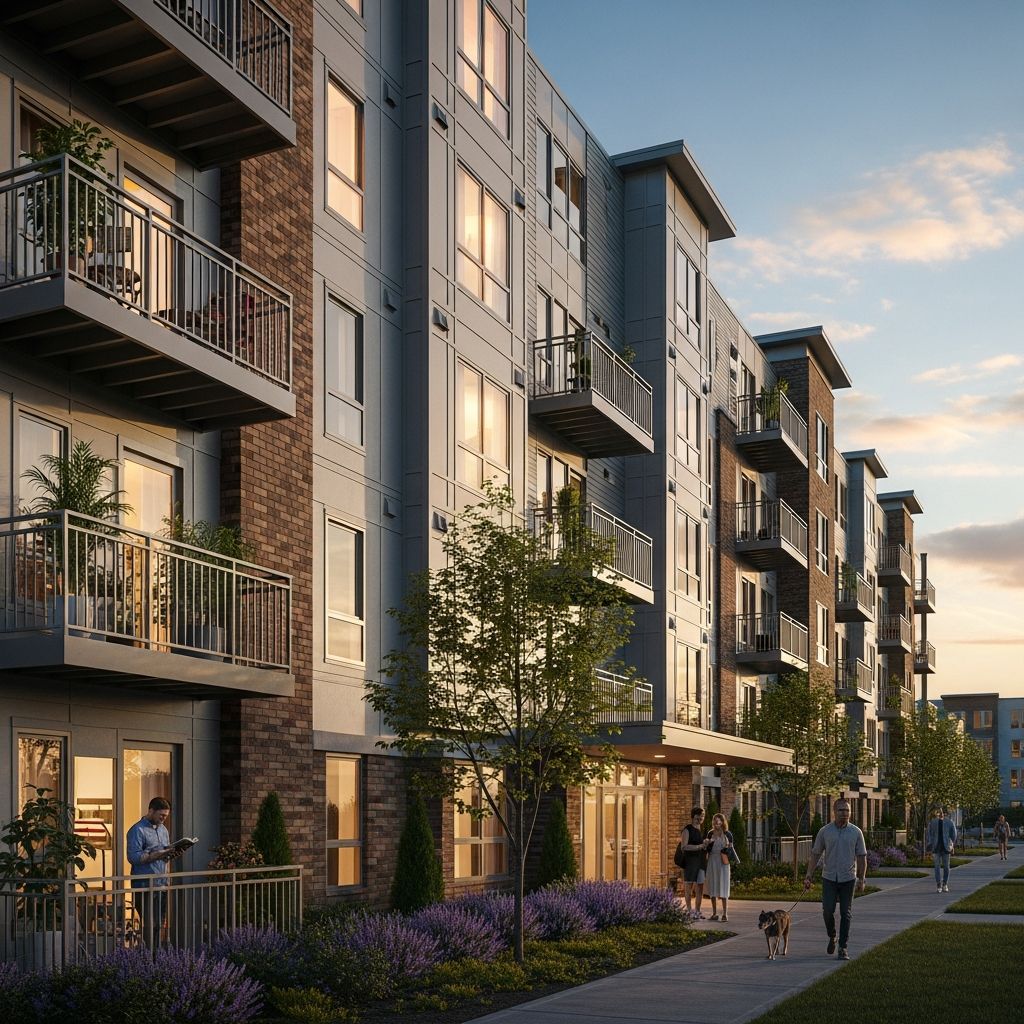
Choosing where to live is one of life’s most significant decisions, and understanding your housing options is essential to making the right choice. An apartment is a residential unit that is part of one or several residential buildings, or a separate dwelling within a house with its own entrance, bathroom, and kitchen. Apartments are typically one-story units within a multifamily or multi-unit building. Depending on the number of units it contains, the building itself may be commercial property, but the units themselves are residential real estate.
Many people appreciate the convenience and flexibility that apartment living offers, particularly those new to a city or individuals who prefer not to handle the maintenance responsibilities associated with detached dwellings. Apartments are commonly rented, making them ideal for those who cannot yet afford to purchase a home. There is typically one owner or management company responsible for all units who handles maintenance and upkeep of common areas and infrastructure repairs in individual units.
Although apartments can be owned—as in co-ops or condos—they’re usually associated with rented residences. The distinction between renting and owning an apartment is significant and affects your financial obligations, maintenance responsibilities, and long-term housing strategy.
Types of Apartments
The apartment market offers several options depending on your location and housing needs. Understanding these different types helps you identify what best suits your lifestyle and financial situation.
Rental Apartments
Rental apartments include units in multifamily homes, high-rise buildings, or other multi-unit buildings. When renting an apartment, tenants typically sign a lease agreement, often with a term of one to two years. Renters usually have a building or property manager responsible for unit maintenance and addressing repair issues. This arrangement means you don’t worry about major structural repairs or building maintenance—the landlord or property management company handles these responsibilities. Rental apartments are particularly appealing for people seeking flexibility without the long-term commitment or financial responsibility of homeownership.
Condominiums (Condos)
Condominiums represent an owned apartment option where individual unit owners hold the deed to their specific unit while sharing ownership of common areas. Condo owners are responsible for their individual unit’s maintenance and pay property taxes on their units. They typically pay monthly homeowners association (HOA) fees that cover common area maintenance, building insurance, and other shared expenses. This option appeals to those wanting homeownership benefits without managing a single-family home.
Co-operative Apartments (Co-ops)
Co-ops represent a different ownership model where residents purchase shares in a resident-owned housing corporation rather than owning individual units outright. In exchange for purchasing shares, residents get the right to occupy their apartment. Co-op owners pay monthly maintenance fees, which can be partially tax-deductible since the building’s mortgage payments and property taxes are rolled into them. Notably, co-op residents don’t pay property taxes on their individual units—taxes are paid collectively at the building level. Co-ops are particularly common in large cities like New York and appeal to those seeking a strong community with shared values and building standards.
High-Rise Apartments
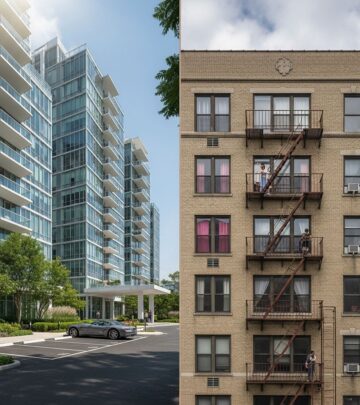
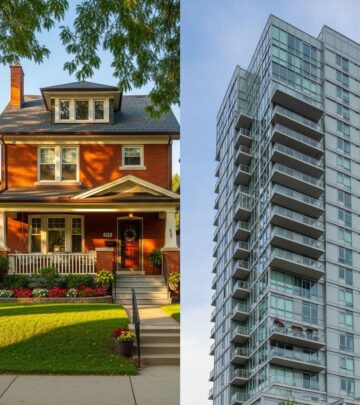
High-rises are tall buildings containing dozens, even hundreds of apartments, typically found in large urban centers. These buildings offer a concentration of residential units in a single structure, providing convenient access to city amenities and services. High-rise living appeals to urban professionals and those seeking walkable neighborhoods with easy access to public transportation.
Townhouse Apartments
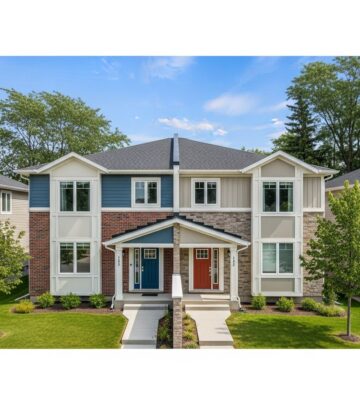
Townhouses are apartment-style residences that are often three, four, or five stories tall. These units may be available for rent or purchase, offering more vertical space than traditional apartments while maintaining the benefits of a multifamily community. Townhouses appeal to those seeking additional space and privacy without the full responsibility of a detached single-family home.
Benefits of Apartment Living
Apartment living offers numerous advantages that make it an attractive housing option for many people:
- Prime Location: Apartments are often situated in or near city centers with easy access to restaurants, shopping, entertainment, and cultural amenities
- Affordability: Apartments typically cost less than purchasing a condo or single-family home, making them accessible for budget-conscious renters
- Low Maintenance: Landlords or property management companies handle building maintenance, repairs, and upkeep of common areas, freeing residents from these responsibilities
- Flexibility: Rental leases provide flexibility to relocate without the complications of selling a property
- Amenities: Many apartment complexes offer shared amenities such as fitness centers, pools, laundry facilities, and community spaces
- Security: Apartment buildings often feature security systems, surveillance cameras, and controlled access points
- Community: Multi-unit buildings foster a sense of community and provide opportunities for social interaction with neighbors
Should I Rent or Own an Apartment?
The decision between renting and owning an apartment depends on your financial situation, lifestyle, and long-term goals. Both options have distinct advantages and considerations.
Reasons to Rent an Apartment
Renting an apartment makes sense if you lack sufficient funds for a down payment and closing costs, or if you’re uncertain about your long-term housing needs. Rental apartments offer flexibility—if you plan to move within five years or anticipate job or lifestyle changes requiring relocation, renting provides freedom without the complications of selling a property. Renting also eliminates responsibility for major repairs and maintenance, keeping your housing costs predictable.
Reasons to Own an Apartment
Owning an apartment—whether as a condo or co-op—allows you to build equity and establish housing stability. Ownership provides tax benefits in some cases, particularly with co-ops where maintenance fees are partially tax-deductible. If you plan to stay in one location long-term, owning can be more economical than renting over time. Ownership also gives you control over your living space and investment in your community.
How Apartments Compare to Other Housing Types
| Housing Type | Best For | Key Characteristics |
|---|---|---|
| Apartment | Anyone seeking prime location near urban amenities at affordable costs | Rented or owned units in multifamily buildings; lower maintenance; community living |
| Condominium | Those wanting lower-maintenance living with homeownership and security | Owned individual units; shared common areas; HOA fees; more control than rentals |
| Townhouse | First-time homebuyers or budget-conscious buyers seeking more space | Multi-story residential units; more space than condos; lower cost than single-family homes |
| Single-Family Home | Families preferring large yards and plenty of space to spread out | Detached home on individual lot; complete privacy; full maintenance responsibility |
| Multi-Family Investment | Real estate investors comfortable with landlord responsibilities | Multiple residential units; rental income potential; significant time commitment |
| Co-op | Those in major cities seeking security and strong community standards | Share-based ownership; collective governance; tax-deductible fees; common in NYC |
Condo vs. Apartment: Key Differences
The most significant difference between a condo and an apartment is ownership. An apartment is generally defined as a residence that is rented, often as part of a larger residential building. A condo can be similar in structure to an apartment—usually a unit within a larger residential building—but condos are owned instead of rented.
Ownership and Taxes: While condo owners pay property taxes on their units, property taxes for apartments are paid by landlords, not renters. This fundamental distinction affects your financial obligations and benefits. Condo owners build equity through their investment, while apartment renters do not.
Maintenance Responsibility: Condo owners are responsible for maintaining their individual units and pay HOA fees for common area maintenance. Apartment renters rely on landlords or property management companies for all maintenance and repairs.
Community Location: Like many condo complexes, apartment communities are often located in or near city centers with easy access to restaurants, shopping, and entertainment, offering similar location benefits to both renters and owners.
Understanding Residential Real Estate
Apartments are classified as residential real estate, which is property—both land and buildings—used for housing. This contrasts with commercial or industrial real estate, where land and buildings are zoned for business operations such as stores, offices, or factories.
Residential real estate is typically defined by local zoning ordinances and cannot be used for commercial or industrial purposes. Purchasing residential real estate is often the largest and most important financial investment a person makes in their lifetime. Its value is determined by many factors, including size and location, and is subject to shifts in the market. Some individuals invest in residential real estate as a money-making venture, either by flipping it for profit or renting it out to tenants.
Frequently Asked Questions
Q: What is the main difference between an apartment and a condo?
A: The primary difference is ownership. Apartments are typically rented, while condos are owned. Condo owners pay property taxes and HOA fees, whereas apartment renters do not pay property taxes directly.
Q: Are apartments good for first-time renters?
A: Yes, apartments are excellent for first-time renters. They offer flexibility without requiring a down payment, provide low-maintenance living with landlord-managed repairs, and are often located in convenient urban areas with access to amenities.
Q: Can you own an apartment?
A: Yes, you can own an apartment through different structures. You can purchase a condo unit, buy shares in a co-op building, or invest in a multifamily residential property for rental income.
Q: What are co-op apartments?
A: Co-ops are resident-owned housing corporations where you purchase shares rather than owning an individual unit. You pay monthly maintenance fees that include the building’s mortgage and property taxes. Co-ops are common in large cities like New York.
Q: Is renting or buying an apartment better financially?
A: The answer depends on your situation. Renting offers flexibility and lower upfront costs, ideal if you plan to move within five years. Buying builds equity and can be more economical long-term if you stay in one location.
Q: What amenities do apartment buildings typically offer?
A: Many apartment complexes offer fitness centers, swimming pools, community rooms, laundry facilities, parking, security systems, and landscaped common areas. Specific amenities vary by building and location.
Q: Why are apartments popular in cities?
A: Apartments are popular in cities because they maximize space efficiency, offer convenient access to urban amenities, public transportation, and employment centers. They’re also typically more affordable than single-family homes in desirable urban locations.
Q: What should I consider before renting an apartment?
A: Consider your budget, location preferences, length of stay, lifestyle needs, and the building’s amenities. Also review lease terms, pet policies, parking availability, and utility costs before committing to an apartment rental.
References
- What Is An Apartment? — Bankrate. Updated 2025. https://www.bankrate.com/real-estate/what-is-an-apartment/
- Residential Real Estate — Bankrate. Updated 2025. https://www.bankrate.com/real-estate/residential-real-estate-definition/
- Real Estate Explained: Definition And Types — Bankrate. Updated 2025. https://www.bankrate.com/real-estate/what-is-real-estate/
- Condo Vs. Apartment: Which Is Best For You? — Bankrate. Updated 2025. https://www.bankrate.com/real-estate/condo-vs-apartment/
- Apartment Vs. Condo Vs. Townhouse Vs. House — Bankrate. Updated 2025. https://www.bankrate.com/real-estate/buy-house-condo-townhouse-apartment/
- Primary Residence: A Guide — Bankrate. Updated 2025. https://www.bankrate.com/real-estate/primary-residence-definition/
Similar Articles








Read full bio of Sneha Tete