Open Job Interview: Essential Guide To Prepare And Succeed
Master open job interviews: Learn formats, benefits, preparation strategies, and success tips.

What Is an Open Job Interview?
An open job interview, also known as a walk-in interview, is a recruitment method where employers hold public or group interview sessions to screen multiple candidates simultaneously. Unlike traditional one-on-one interviews that require extensive scheduling and preparation, open job interviews create an accessible entry point for candidates to meet directly with hiring managers and company representatives without formal prescreening processes. These events typically occur at specified locations and times, such as company hiring events, job fairs, or business premises, allowing employers to assess a large pool of applicants efficiently while giving job seekers the opportunity to explore various positions and network with decision-makers.
Open interviews represent a shift in how modern companies approach talent acquisition, particularly when they need to fill multiple positions quickly. The format is designed to be inclusive and accessible, removing barriers that might prevent qualified candidates from getting their foot in the door. Companies use open interviews as an initial screening mechanism, often leading to on-the-spot offers for exceptional candidates or advancing qualified applicants to subsequent interview rounds.
Understanding the Open Interview Format
Traditional Open Interviews
Traditional open interviews involve candidates walking into a designated location during a specified time window and being interviewed on the spot by company representatives. This format is commonly used by employers looking to fill multiple positions simultaneously. For example, a newly opening hotel might conduct open interviews for housekeeping, front desk, kitchen, and restaurant positions all in one day. The informal and relaxed atmosphere often reduces interview anxiety compared to formal, structured one-on-one interviews, allowing candidates to present themselves more naturally.
Group Interview Sessions
Many open interviews employ a group format where multiple candidates participate in collaborative activities simultaneously. In this setting, candidates engage in group discussions, role-plays, and case studies while being observed and evaluated by hiring managers. Group interview sessions allow employers to observe how candidates interact with peers, handle group dynamics, and contribute to team-based problem-solving. This format reveals interpersonal skills, communication abilities, and cultural fit that might not be apparent in individual interviews.
Rotating Station Format
Some employers use a station-rotation approach where candidates move through different interview stations, each focusing on specific skills or departments. At each station, candidates spend a designated amount of time answering questions and participating in relevant activities or mini-tasks. This format provides a well-rounded perspective on each candidate’s capabilities and allows the candidate to learn about different aspects of the organization and available roles.
How Open Job Interviews Work
At Business Locations
When conducted at business premises, open interviews typically occur when companies want to fill multiple positions quickly. The hiring manager coordinates with candidates to arrive during designated time slots, though some positions may take walk-ins without appointments. The casual yet professional environment allows candidates to familiarize themselves with the workplace while being interviewed.
At Job Fairs and Events
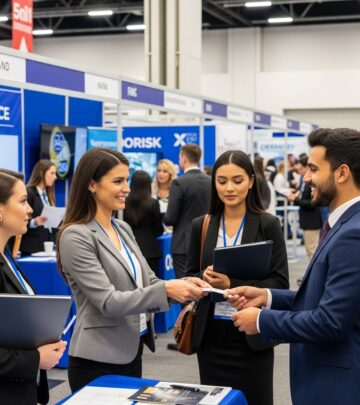
Job fairs and community events frequently host open interview sessions where multiple employers set up booths or interview spaces. Candidates can visit different company representatives, learn about job opportunities, and participate in brief screening interviews. This format is particularly valuable for employers seeking to attract diverse talent pools from the broader community.
The Candidate Flow
The process typically begins with candidates arriving at the scheduled location during the designated time window. They may sign in, provide basic information, and wait their turn for interviews. Depending on the format, they might participate in group activities or individual interviews. The entire process can range from thirty minutes to several hours, and candidates may receive immediate feedback or be informed of next steps.
Key Benefits of Open Job Interviews
For Employers
Time Efficiency: Open interviews eliminate the need for extensive prescreening, phone interviews, and individual scheduling. Employers can assess multiple candidates in a single session, significantly reducing the overall hiring timeline. For companies needing to staff positions within weeks rather than months, this acceleration is invaluable.
Cost Reduction: By gathering all candidates in one location and session, employers minimize logistics costs associated with multiple individual interviews, travel reimbursements, and administrative coordination. The consolidated format makes recruitment more economical, particularly for large-scale hiring initiatives.
Expanded Candidate Pool: Open interviews attract candidates who might not pursue traditional application processes, increasing the diversity and breadth of the applicant pool. This wider reach often uncovers talent with unique skills and perspectives that might otherwise go undiscovered.
Direct Capability Assessment: Observing candidates in group settings, problem-solving scenarios, and real-world simulations provides insights beyond what traditional interviews reveal. Employers can assess communication skills, teamwork abilities, handling of pressure, and cultural alignment more effectively.
For Candidates
Reduced Barriers to Entry: Candidates can apply and interview without navigating lengthy application processes, resume screening, or waiting weeks for interview invitations. This democratizes access to job opportunities for individuals who might lack extensive professional networks.
Immediate Opportunity: Qualified candidates can receive on-the-spot job offers, significantly shortening the job search process. Even without immediate offers, candidates who perform well advance faster through the hiring pipeline since the company has already invested in meeting them.
Less Pressure: The informal atmosphere of open interviews often feels less intimidating than formal one-on-one interviews. Many candidates report feeling more relaxed and capable of showcasing their authentic personalities in group settings.
Company Exposure: Candidates gain firsthand exposure to the workplace environment, company culture, and potential colleagues, helping them make informed decisions about whether the organization aligns with their career goals and values.
Networking Opportunities: Meeting multiple company representatives and other candidates provides valuable networking connections that can benefit candidates throughout their careers.
Preparing for an Open Job Interview
Research the Company
Before attending an open interview, invest time in understanding the company’s mission, values, products or services, recent news, and company culture. Familiarize yourself with the specific positions being offered and the qualifications they seek. This preparation allows you to ask informed questions, demonstrate genuine interest, and articulate how your skills align with organizational needs.
Prepare Your Materials
Bring multiple copies of your resume, printed on quality paper. Include a notepad and pen for jotting down information or questions. If applicable, prepare a portfolio showcasing your work samples, certifications, or projects. Have your elevator pitch—a concise thirty-second summary of who you are, your key skills, and what you’re seeking—prepared and practiced.
Dress Appropriately
Choose professional attire that aligns with the industry and company culture. For corporate environments, business formal or business casual is standard. For creative or tech industries, smart casual may be appropriate. When in doubt, err toward the more formal side; you can never be overdressed for an interview.
Arrive Early
Plan to arrive at least fifteen minutes before your scheduled time. This buffer allows you to find the location, use the restroom, review your materials, and arrive calm and composed. Early arrival also demonstrates respect for the employer’s time and your genuine interest in the opportunity.
Practice Common Questions
Prepare thoughtful responses to common interview questions such as “Tell me about yourself,” “Why are you interested in this position?” “What are your strengths and weaknesses?” and “Where do you see yourself in five years?” Practice delivering these responses concisely and conversationally, avoiding overly rehearsed delivery.
Succeeding at Your Open Job Interview
Make a Strong First Impression
Within seconds of meeting your interviewer, establish a positive impression through firm handshakes, genuine smiles, and confident body language. Introduce yourself clearly and express enthusiasm for the opportunity. First impressions significantly influence how interviewers perceive you throughout the conversation.
Listen Actively and Engage
Pay close attention to interview questions and instructions provided by the hiring manager. Avoid interrupting and demonstrate genuine interest through active listening. Ask clarifying questions when necessary—this shows engagement and prevents misunderstandings. In group settings, respect others’ contributions while ensuring your own voice is heard.
Demonstrate Relevant Skills
Use specific examples and accomplishments to demonstrate how your skills address the position’s requirements. Rather than simply stating you’re a good problem-solver, describe a situation where you solved a complex problem and achieved measurable results. Concrete examples make your qualifications tangible and memorable.
Show Enthusiasm and Positivity
Project genuine enthusiasm for the role and company. Maintain positive energy even if other candidates seem more qualified or the environment feels competitive. Employers value candidates who demonstrate passion and positive attitudes, as these traits often translate to better workplace performance and engagement.
Adapt to the Format
Whether participating in group discussions, role-plays, or individual interviews, adapt your communication style to the format. In group settings, balance assertiveness with collaboration. Listen to others’ ideas, build on them, and contribute meaningfully without dominating conversations. In individual interviews, maintain focus entirely on the interviewer.
Ask Thoughtful Questions
Prepare questions that demonstrate your understanding of the company and role. Ask about team dynamics, growth opportunities, company culture, or specific aspects of the position. Asking questions signals genuine interest and allows you to evaluate whether the opportunity aligns with your career objectives.
Follow Up Appropriately
If the interviewer provides contact information, send a professional thank-you email or note within twenty-four hours. Reference specific conversation points and reiterate your interest in the position. This follow-up reinforces your enthusiasm and keeps you on the employer’s radar.
Common Activities in Open Interviews
Group Discussions
Candidates engage in structured conversations about assigned topics, allowing employers to evaluate communication skills, critical thinking abilities, and capacity to contribute effectively in group settings. Your ability to listen, respect diverse viewpoints, and articulate your perspective clearly is observed and assessed.
Role-Playing Scenarios
Simulating real-life job situations, role-plays allow candidates to demonstrate problem-solving abilities, adaptability, and interpersonal skills. You might role-play customer service interactions, conflict resolution, or sales scenarios. Your approach to handling pressure and finding creative solutions is evaluated.
Case Studies and Analysis
Employers may present complex situations or business challenges requiring analysis and thoughtful decision-making. This assesses analytical skills, logical thinking, and ability to work under pressure. Take time to think through your response, ask clarifying questions, and present well-reasoned conclusions.
Individual Interviews
Many open interviews include individual conversation segments where you discuss your background, qualifications, and fit for specific roles. These segments allow for more personalized discussion and deeper exploration of your professional history and aspirations.
Frequently Asked Questions
Q: Can I really get hired on the spot at an open interview?
A: Yes, employers often make on-the-spot offers to exceptional candidates who meet their requirements and demonstrate strong fit. However, many positions proceed through additional interview rounds before final hiring decisions.
Q: What if I’m nervous about group interviews?
A: Focus on active listening, thoughtful participation, and allowing your authentic personality to shine. Remember that other candidates likely feel similarly nervous, and employers understand that open interviews can feel intimidating.
Q: Should I dress formally for an open interview?
A: Dress professionally in attire appropriate for the industry. When uncertain, choose business casual or business formal. Your polished appearance demonstrates respect and professionalism regardless of the specific industry standards.
Q: How long do open interviews typically last?
A: Duration varies depending on format and number of candidates. Most open interviews last between thirty minutes to two hours. You may spend ten to twenty minutes in actual interview time, with additional time for waiting, group activities, and registration.
Q: Is it better to arrive early or at my scheduled time?
A: Arriving fifteen minutes early is ideal. This provides time to compose yourself, review your materials, and demonstrate punctuality. Avoid arriving excessively early, as this may inconvenience staff or create awkward waiting situations.
Q: Can I interview for multiple positions at one open interview?
A: Often yes, particularly if you meet qualifications for multiple roles. Express interest in various positions to hiring managers, and they may arrange interviews or discussions about multiple opportunities during your visit.
References
- What Is An Open Interview & How Does It Work — Turing. 2024. https://www.turing.com/resources/what-is-an-open-interview
- Open Job Interview — Bryq. 2024-11-12. https://www.bryq.com/human_resources_defi/open-job-interview
- How an open interview works — Smartbrain Blog. 2024. https://blog.smartbrain.io/how-an-open-interview-works.html
- The Ultimate Guide to Open Job Interviews — ScoutLogic. 2024. https://www.scoutlogicscreening.com/blog/open-job-interviews-guide/
- How to Ace the Open Interview — TopInterview. 2024. https://topinterview.com/interview-advice/what-is-an-open-interview
- Guide: How to Succeed at a Hiring Event or Open Interview — Indeed. 2024. https://www.indeed.com/career-advice/interviewing/guide-how-to-succeed-at-a-hiring-event-or-open-interview
Similar Articles








Read full bio of medha deb