What Is an Online Bank: Guide to Digital Banking
Discover what online banks are, how they work, and why millions choose digital banking for their finances.

What Is an Online Bank?
An online bank is a financial institution that operates primarily or exclusively through digital channels rather than physical branch locations. Online banking refers to managing your bank accounts using a computer or mobile device with an internet connection. This allows you to conduct the same transactions you would perform at a traditional brick-and-mortar bank—including transferring funds, depositing checks, and paying bills—but entirely from your computer or mobile device.
Online banking can also be referred to by several alternative terms, including digital banking, electronic banking, internet banking, web banking, or mobile banking, though mobile banking specifically refers to banking conducted on a mobile device rather than a computer. The fundamental principle remains the same: managing your finances remotely through digital platforms.
How Online Banking Works
Online banking operates through secure digital platforms accessible via bank websites or mobile applications. To use online banking, you simply need a computer or mobile device and an internet connection. Most banks, whether traditional or online-only, now offer online account management through their websites or apps, allowing customers to handle banking tasks remotely.
The process is straightforward: you log into your account through the bank’s secure website or app, and from there, you can perform various financial activities. The infrastructure behind online banking uses advanced encryption technology and multi-factor authentication to ensure your transactions and personal data remain secure.
For online-only banks, all banking tasks are handled exclusively through digital channels via the bank’s website or app. Some banks are app-based, meaning account management is handled primarily through their mobile applications, offering maximum flexibility and accessibility.
Key Differences: Online Banks vs. Traditional Banks
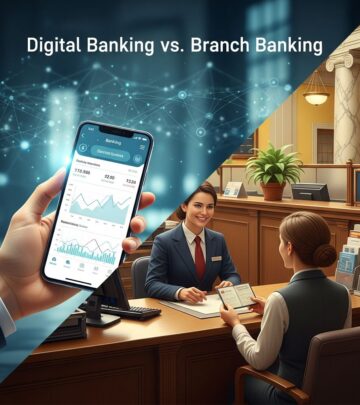
The most obvious difference between online banks and traditional banks is the absence of physical branch locations. Online banks eliminate the overhead costs associated with maintaining brick-and-mortar facilities, which translates into significant financial benefits for customers.
Traditional banks typically charge monthly service fees around $10 and overdraft fees of $30-$35, though they may waive monthly fees if you maintain certain minimum balances. In contrast, online banks leverage their lower operational costs to offer customers dramatically reduced or eliminated fees on most accounts.
Additionally, online banks often provide higher interest rates on savings accounts compared to traditional banks, as they pass their savings directly to customers through better rates and lower fees. While traditional banks offer in-person services and multiple branch locations, online banks compensate by providing superior rates, lower costs, and exceptional digital convenience.
The Major Benefits of Online Banking
24/7 Accessibility and Convenience
One of the most compelling advantages of online banking is unparalleled convenience and accessibility with 24/7 access to your accounts. Whether you’re at home, at work, or on the go, you can check your account balance, transfer funds, and pay bills anytime, anywhere. This flexibility allows you to take control of your finances and make decisions entirely on your own terms.
You no longer need to plan your day around traveling to your local bank branch during business hours. With just a few clicks, you can conduct transactions from the comfort of your home or while traveling. Whether it’s scheduling payments, transferring money to friends or family, or simply checking your balance, everything becomes easy thanks to the convenience of online banking.
Moreover, you don’t necessarily need to visit a physical branch, saving you valuable time and effort. No more waiting in long queues or rushing to the bank before it closes. With online banking, everything is just a few clicks away.
Cost Savings and Lower Fees
Online banking often comes with substantial cost-saving benefits that can make a significant difference in your financial life. Because online banks don’t have to spend money on branch maintenance and physical infrastructure, they tend to have low or no fees. Many online accounts don’t charge monthly service fees, and some don’t charge overdraft fees either.
Online banking eliminates the need for physical checks and money orders in many cases. Most online banking platforms offer free digital check deposit, allowing you to deposit checks using your smartphone or computer. This saves you the hassle of going to a physical branch or paying for check-cashing services.
Additionally, online banks often provide higher interest rates on savings accounts, allowing your money to work harder for you. Many institutions offer account features at no cost that traditional banks charge for separately.
Enhanced Security Measures
Security is a top concern for anyone considering online banking, and rightfully so. However, online banking platforms have invested heavily in advanced security measures to protect your sensitive information. Online banks with standard security measures are just as safe as traditional banks, with features such as encryption and fraud monitoring.
Advanced encryption technology and multi-factor authentication protect your transactions and personal data, giving you peace of mind knowing your information is secure. Online banking platforms also provide fraud protection services that monitor your account for suspicious activity and notify you immediately if anything out of the ordinary is detected. With real-time alerts and notifications, you can stay on top of your account’s security and take action promptly if needed.
It’s important to note that online banking security is a shared responsibility. While online banking platforms have robust security measures in place, you also play a crucial role in protecting your account. This includes using strong, unique passwords, keeping your devices secure, and being vigilant about phishing attempts.
Time-Saving Features
Online banking provides numerous time-saving features that streamline your financial management. You can check your account balance, monitor account activity, transfer funds, view e-statements, pay bills, send secure messages, and control your cards—all from one platform. These capabilities eliminate the need for multiple visits to physical branches or phone calls to customer service.
Additionally, online banking offers user-friendly interfaces, making it easy for even the least tech-savvy individuals to navigate. The convenience extends beyond basic transactions, as many online banking platforms offer features like financial planning tools and spending trackers. These tools empower you to manage your money more effectively and make informed financial decisions.
Comprehensive Online Banking Tools
Modern online banking platforms come equipped with a variety of user-friendly tools designed to make financial management effortless. Online banking features like budgeting tools and spending trackers allow you to get a clear picture of your financial habits. Many banks also offer customizable alerts for bill due dates and low balances, helping you stay on top of your finances without the hassle of manually tracking everything.
The advantages of digital banking extend beyond basic convenience. The ability to transfer funds instantly, pay bills online, and even apply for loans through your bank’s website means you can handle your finances swiftly and efficiently, allowing you to focus on other important aspects of your life.
Common Online Banking Features and Services
When you open an account online, you gain access to a comprehensive range of banking services typically offered by traditional banks:
- Checking accounts with competitive features
- Savings accounts with higher interest rates
- Loans and credit products
- Credit cards
- Remote deposit capabilities
- 24/7 customer chat support
- Electronic statements
- Text banking services
- Card control and security features
- Direct deposit functionality
- Savings roundup features
Online banking strives to offer the same services and benefits as traditional banking, if not more. Once you open an account, your debit card will be mailed out as soon as your initial deposit gets posted. Typically, the low initial funding of $19 takes just 5 days or less to post to your account.
Account Opening Benefits
Opening an account online is a game-changer, providing convenience, security, and financial benefits that traditional banking cannot match. Some additional benefits you should know about opening an account online include:
- No credit check requirement
- Early direct deposit access with E-Advanced checking accounts
- 5-star online banking with mobile deposit capabilities
- Visa CheckCard with Card Control features
- Automatic savings roundup functionality
- Free electronic statements
- Free live chat services
- Free automated phone access
- Ability to earn interest on your savings
Types of Online Banking
You can use online banking through several different channels:
- Bank websites accessed through your computer
- Mobile banking apps on smartphones or tablets
- Dedicated online-only banking platforms
- App-based banks that operate primarily through mobile applications
Most standard or traditional banks now offer online account management, so you can handle your banking tasks via the bank website or app. With an online-only bank, all banking tasks are handled online via the bank website or app, with no option to visit a physical branch.
Is Online Banking Right for You?
If you want higher rates and lower fees and don’t need frequent branch banking services, an online bank may be worth considering. However, there are several factors to evaluate before making the switch.
One important consideration is whether you need in-person banking services. Some customers prefer the ability to visit a physical branch for certain transactions or to speak with a banker face-to-face. If this is important to you, you might consider maintaining accounts at both a traditional bank and an online bank, which could give you the best of both worlds: the best savings rates and access to in-person help when you need it.
You should also ensure that any online bank you consider is insured by the Federal Deposit Insurance Corporation (FDIC), which protects your deposits up to $250,000 per account category. This protection is crucial and ensures that your money is safe even in the unlikely event of bank failure.
Addressing Common Online Banking Concerns
Technical Difficulties
One concern some customers have is the possibility of technical difficulties or system outages with online banking platforms. While technical issues can occur, they are relatively rare, and online banking platforms have dedicated teams to address and resolve any technical problems promptly. Major banks invest substantial resources into redundancy and backup systems to minimize downtime.
Limited Services
Some individuals believe that online banking offers limited services compared to traditional banking. However, online banking platforms provide a wide range of services, including checking accounts, savings accounts, loans, credit cards, remote deposit, chat, e-statements, text banking, and card control. Online banking strives to offer the same services and benefits as traditional banking, if not more.
Security Concerns
While security is a legitimate concern, online banks maintain security standards equal to or exceeding those of traditional banks. The key measures you can take to ensure secure online banking include avoiding public Wi-Fi networks and keeping anti-virus software up to date. Online banks also employ advanced encryption, fraud monitoring, and other sophisticated security protocols.
Frequently Asked Questions About Online Banking
Q: What is the meaning of online banking and how do you use online banking?
A: Online banking means managing your bank accounts using your computer or mobile device with an internet connection. You can bank online by transferring money and paying bills electronically through bank websites or by using a bank’s mobile app. Most banks also offer check deposits via their mobile apps.
Q: Can you open a bank account online?
A: Yes, you can open a bank account online for both online and brick-and-mortar banks. Online-only banks require you to open a bank account online, as there’s no option to go to a branch to open an account.
Q: What are the types of online banking?
A: You can use online banking through bank websites on your computer or mobile device, or by using mobile banking apps. Some banks operate primarily through app-based platforms, while others offer both web and mobile options.
Q: Is online banking secure?
A: Yes, online banks with standard security measures are just as safe as traditional banks. Look for features such as encryption and fraud monitoring, and ensure the money is insured by the Federal Deposit Insurance Corp. You can also enhance security by avoiding public Wi-Fi networks and keeping anti-virus software up to date.
Q: How much do online banks charge in fees?
A: Many online accounts don’t charge monthly service fees, and some don’t charge overdraft fees either. This is significantly lower than traditional banks, which often charge monthly service fees around $10 and overdraft fees of $30-$35.
Q: What happens if I have technical problems with online banking?
A: While technical issues are relatively rare, online banking platforms have dedicated teams to address and resolve any technical problems promptly. Most major online banks have redundancy and backup systems to minimize downtime.
Q: Can I use online banking if I need branch services?
A: You can choose to open an online account without giving up an existing account at your local institution. Having accounts at both a traditional bank and an online bank could give you the best of both worlds: the best savings rates and access to in-person help when you need it.
The Future of Banking Is Digital
Online banking has transformed the way consumers and businesses manage their finances. Thanks to online banking, you can manage direct transactions, pay bills, and access your account remotely, all from a single platform 24/7. The key features of digital banking—affordability, convenience, and instant access to information—help consumers understand their financial situations better and make more informed decisions.
Online and mobile banking allow you to easily bank wherever and whenever—banking on your schedule and when you need it most. Both online and mobile banking are feature-rich and offer benefits that can’t be found offline through traditional banking methods. You also have more control over your finances and instant access to essential financial tools on-the-go. Plus, both mobile and online banking are beneficial free tools for you to use as often as you’d like.
Whether you’re a busy professional, a parent managing household finances, or a small business owner, online banking offers the flexibility, security, and cost savings that modern financial management demands. Opening an account online today means embracing the future of banking and enjoying the numerous benefits of online banking and online account opening.
References
- Benefits of Online Banking and Online Accounts — First State National Bank. https://fsnb.com/blog-benefits-of-online-banking
- The Benefits of Online Banking: Convenience at Your Fingertips — Landmark National Bank. https://www.banklandmark.com/blog/the-benefits-of-online-banking-convenience-at-your-fingertips/
- What Is Online Banking? Definition, Pros and Cons — NerdWallet. https://www.nerdwallet.com/banking/learn/pros-cons-online-only-banking
- Online Banking: Everything You Need to Know About — Bivial AG. https://www.bivial.com/articles/online-banking-everything-you-need-to-know-about
- 15 Features Your Online Banking & Mobile App Should Have — Dollar Bank. https://dollar.bank/be-dollar-wise/august-2021/15-features-your-online-banking-mobile-app-should-have
- Is Digital Banking for Me? — Federal Deposit Insurance Corporation (FDIC). https://www.fdic.gov/consumers/consumer/news/april2020.html
Similar Articles








Read full bio of Sneha Tete