What Is an ATM? Complete Guide to Banking
Learn how ATMs work, their history, types, and how to avoid expensive fees.
What Is an ATM?
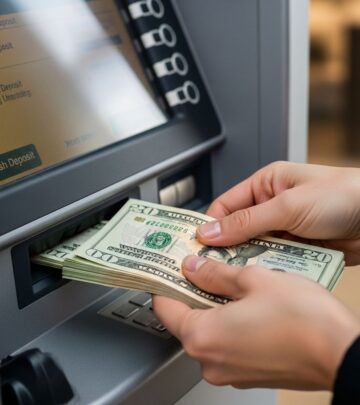
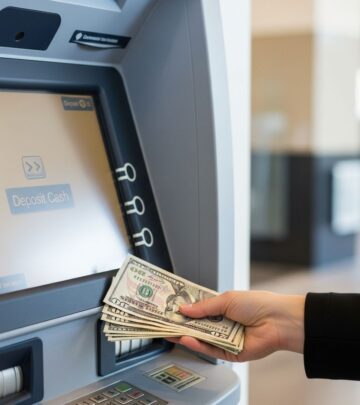
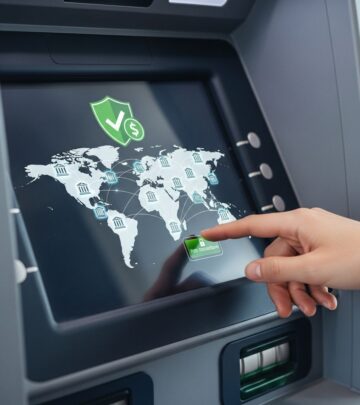
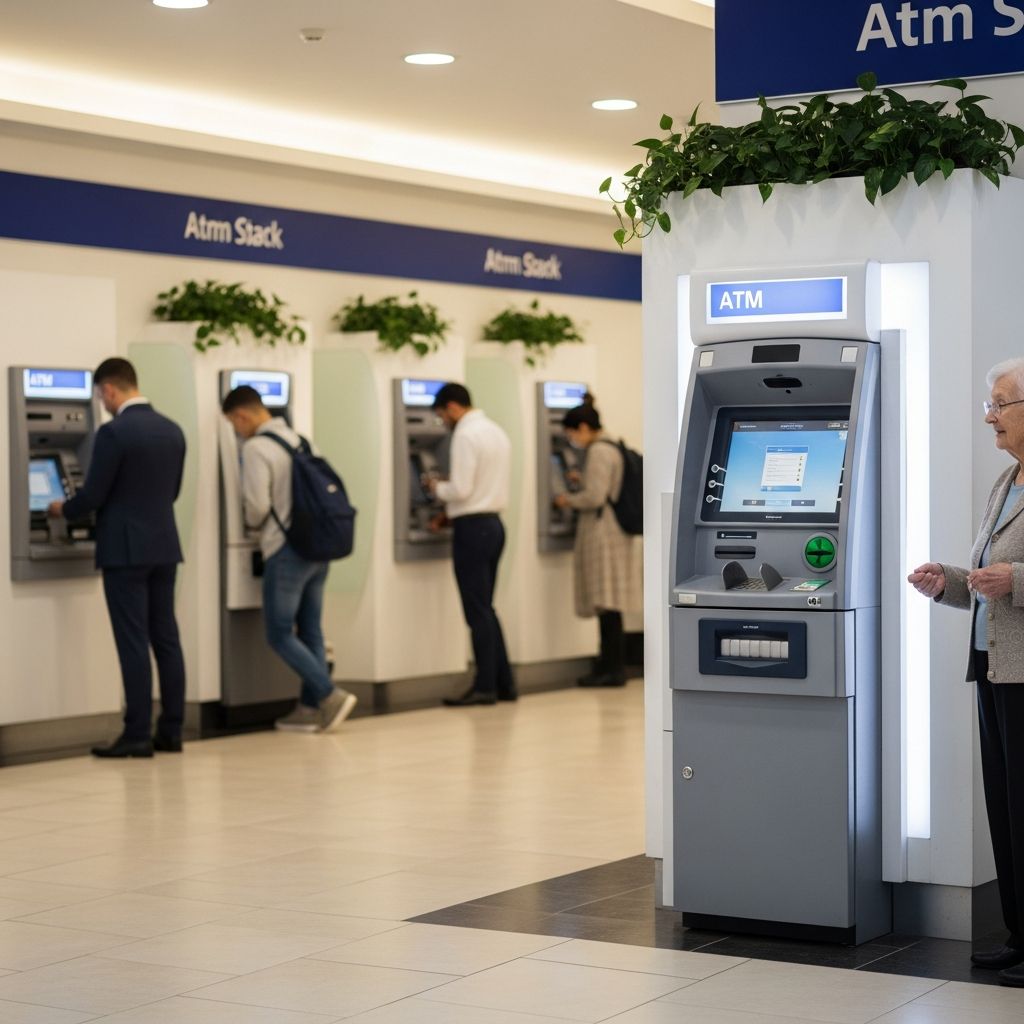
An ATM, or automated teller machine, is an electronic banking outlet that allows customers to complete basic financial transactions without the need for a human teller or bank employee. These machines provide 24/7 access to your funds, enabling you to withdraw cash, check account balances, transfer money between accounts, and perform various other banking operations at any time of day or night. ATMs have become an essential part of modern banking infrastructure, offering unparalleled convenience to millions of people worldwide.
The primary function of an ATM is to dispense cash to account holders. However, modern ATMs have evolved far beyond simple cash withdrawal machines. Today’s ATMs serve as comprehensive banking terminals that facilitate numerous transactions, making them indispensable tools in the digital banking ecosystem. Whether you need emergency cash late at night or want to check your balance before making a purchase, ATMs provide immediate access to essential banking services.
How Do ATMs Work?
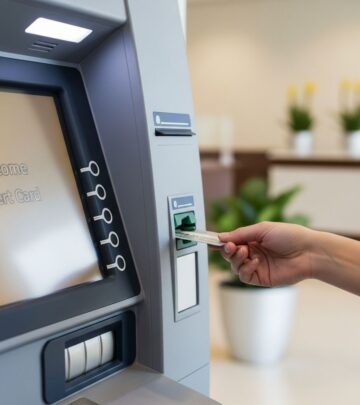
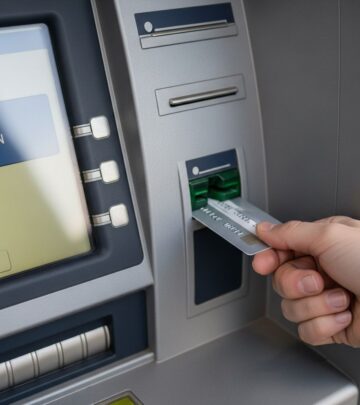
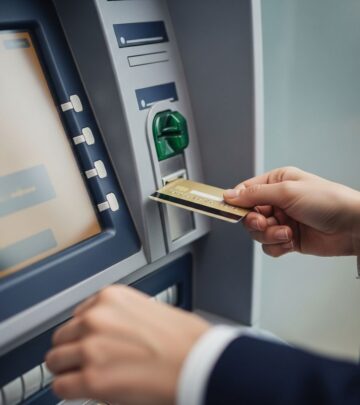
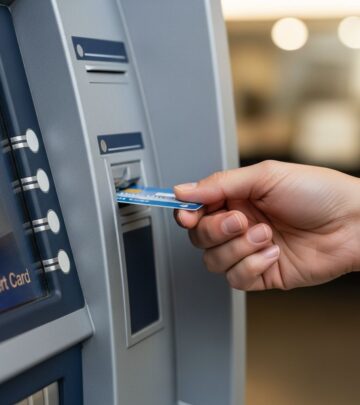
ATMs operate through a sophisticated system of electronic communication and secure authentication. When you insert your debit card or ATM card into the machine, it reads the magnetic stripe or chip embedded in the card. The machine then prompts you to enter your personal identification number (PIN), which serves as your security verification. This PIN ensures that only authorized users can access the account associated with the card.
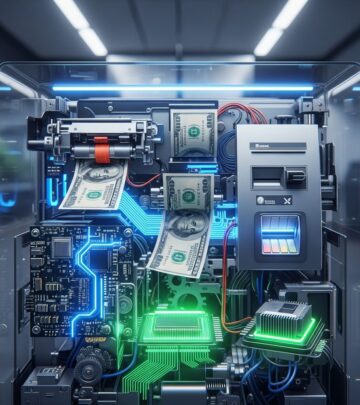
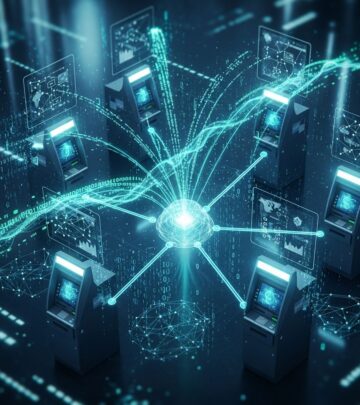
Once your identity is verified, the ATM communicates with your bank’s servers through secure encrypted connections. This communication occurs in real-time, allowing the machine to access your account information and confirm available funds. The ATM’s software processes your transaction request—whether it’s a withdrawal, deposit, balance inquiry, or transfer—and either completes or denies the transaction based on your account status and available balance.
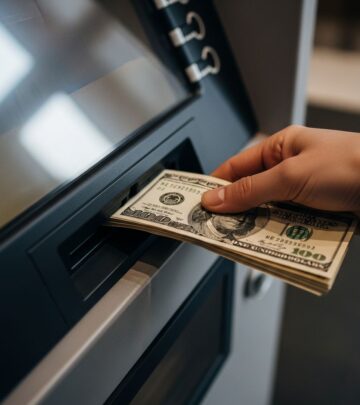
When you withdraw cash, the ATM’s internal dispensing mechanism counts and delivers the exact amount you requested. The transaction is then recorded in your bank’s system, updating your account balance immediately. This entire process typically takes just seconds, demonstrating the efficiency of modern ATM technology.
Types of ATMs
ATMs come in various configurations, each designed to serve different banking needs and locations. Understanding the different types can help you choose the most convenient and cost-effective option for your banking requirements.
In-Network ATMs
In-network ATMs are machines owned and operated by your bank or a network your bank is affiliated with. These ATMs typically charge no fee or a minimal fee for transactions. Using in-network ATMs is the most economical way to access your funds, as you avoid the dual fees charged by out-of-network machines. Most banks operate extensive networks of ATMs across various locations, from bank branches to retail partners.
Out-of-Network ATMs
Out-of-network ATMs are machines operated by banks or independent operators other than your own bank. When you use these ATMs, you typically incur two separate fees: a surcharge charged by the ATM operator and a fee charged by your own bank for using an out-of-network machine. The average total cost for out-of-network ATM withdrawals has climbed to a record high of $4.86, according to recent data. This combined fee consists of the average surcharge of $3.22 levied by ATM-operating banks, plus the average fee of $1.64 from your own bank.
Cardless ATMs
Cardless ATMs represent the latest innovation in cash access technology. These machines allow you to withdraw cash using your smartphone and a secure code or authentication method, eliminating the need to carry a physical ATM card. Many major banks now offer cardless ATM access through their mobile banking applications, providing enhanced security and convenience.
Surcharge-Free ATM Networks
Many banks participate in surcharge-free ATM networks that extend their reach far beyond their own branches. These networks allow customers to use thousands of ATMs nationwide without incurring surcharges. For example, PNC Bank offers access to more than 60,000 ATMs through its PNC, MoneyPass, and Allpoint networks. Choosing a bank that participates in extensive surcharge-free networks can significantly reduce your ATM expenses.
ATM Fees: Current Trends and Record Highs
ATM fees have reached unprecedented levels in recent years, placing an increasing burden on consumers. The average total cost of using an out-of-network ATM is now $4.86 per transaction, representing a significant increase from just $1.97 in 1998 when Bankrate first began tracking these fees.
Breaking Down the Fees
Understanding the components of ATM fees is essential for managing your banking costs effectively. The $4.86 average fee comprises two distinct charges:
- ATM Surcharge: The average surcharge charged by the ATM owner is $3.22
- Bank Fee: The average fee charged by your own bank for using an out-of-network ATM is $1.64
Geographic Variations
ATM fees vary significantly across different metropolitan areas. Among the cities surveyed, Atlanta has the highest combined average ATM fees at $5.33. This variation is influenced by local market conditions, competition levels, and the density of ATM networks in each region.
Strategies to Avoid ATM Fees
With ATM fees reaching record highs, implementing strategies to minimize these charges is more important than ever. Here are proven methods to keep more money in your account:
Use In-Network ATMs Exclusively
The most straightforward way to avoid ATM fees is to use only your bank’s ATM network or allied surcharge-free networks. Before opening a bank account, research the ATM network availability and choose a bank with extensive branch and ATM presence in your area.
Choose Banks with Large ATM Networks
Major banks offer varying levels of ATM network access. Chase Bank operates approximately 15,000 ATMs, Bank of America provides access to about 15,000 ATMs, and Axos Bank offers access to roughly 91,000 ATMs through partner networks. Selecting a bank with an expansive network maximizes your in-network options.
Get Cash Back with Debit Card Purchases
One of the simplest ways to access cash without fees is to request cash back when making debit card purchases at retailers. Most stores offer this service at no charge, eliminating the need to visit an ATM altogether. This strategy is particularly useful when you’re already shopping.
Select Banks That Reimburse ATM Fees
Some financial institutions reimburse ATM surcharges imposed by other banks, effectively eliminating out-of-network fees for their customers. Options include:
- Axos Bank: Unlimited domestic reimbursements for qualifying checking accounts
- Wells Fargo: Unlimited reimbursements for Premier Checking customers
- Bank of America: Unlimited reimbursements for higher-tier customers
Consider Online Banks
Online banks often partner with extensive ATM networks or reimburse all ATM fees, providing cost-effective cash access without the overhead of physical branches. These banks pass savings to customers through reduced or eliminated ATM fees.
Other Bank Fees to Be Aware Of
While ATM fees grab headlines, other banking charges also impact your bottom line. Understanding these fees helps you make informed banking decisions.
Overdraft Fees
Overdraft fees occur when you make a withdrawal or payment that exceeds your available account balance. The average overdraft fee has dipped slightly to $26.77 in 2025, down from $27.08 in 2024. However, approximately 94 percent of accounts still charge this fee, making it a significant concern for many account holders.
Non-Sufficient Funds (NSF) Fees
NSF fees are charged when your bank declines a transaction because insufficient funds are available. The good news is that NSF fees have declined to a record low of $16.82, and only 61 percent of accounts now charge this fee. This represents a positive trend for consumers, with NSF fees falling for the fourth straight year.
Monthly Service Fees
Many banks charge monthly maintenance fees for checking accounts, though free checking options are widely available. Nearly 47 percent of non-interest checking accounts charge no monthly service fees, while another 46 percent waive the fee with direct deposit. This means 93 percent of non-interest accounts are either free or can become free through direct deposit.
Frequently Asked Questions
What is the difference between an ATM card and a debit card?
An ATM card is specifically designed to withdraw cash from ATMs and check account balances, but it cannot be used to make purchases at retailers. A debit card, by contrast, functions both as an ATM card and as a payment method for purchases, offering greater versatility for everyday transactions.
Why do banks charge fees for out-of-network ATM usage?
ATM owners charge surcharges to offset the costs of maintaining and operating their machines. Your bank charges a fee to compensate for directing your transaction through another bank’s network. These dual fees have resulted in the current record-high average of $4.86 per out-of-network transaction.
How can I find surcharge-free ATMs near me?
Most banks provide ATM locators on their websites or mobile banking apps. You can search for in-network ATMs and machines within surcharge-free networks. Additionally, many banks participate in nationwide networks like MoneyPass or Allpoint, which dramatically expand surcharge-free access.
Are there banks that don’t charge ATM fees?
Some online banks and credit unions offer accounts with no ATM fees or reimburse all ATM surcharges. Additionally, many banks offer premium account tiers that include ATM fee reimbursements as a benefit for maintaining higher balances or meeting other eligibility requirements.
Can I access my account at a cardless ATM without my physical card?
Yes, cardless ATMs allow you to access your funds using your mobile banking app and a secure code or biometric authentication. This technology provides enhanced security and convenience, though availability varies by bank and location.
What should I do if I’m charged an incorrect ATM fee?
Contact your bank immediately if you believe you’ve been charged incorrectly. Provide details of the transaction, including the location, time, and amount. Banks typically review disputed charges and will refund fees if they were applied in error.
The Bottom Line
ATMs have revolutionized banking by providing 24/7 access to your funds outside traditional banking hours. However, rising ATM fees—now averaging $4.86 per out-of-network transaction—make it increasingly important to use strategies that minimize these charges. By choosing a bank with an extensive ATM network, using in-network machines exclusively, getting cash back with debit card purchases, and considering banks that reimburse ATM fees, you can effectively eliminate this expense from your banking costs.
As you evaluate banking options, prioritize ATM access and fee structures alongside other account features. The right bank choice can save you hundreds of dollars annually in ATM fees while providing convenient access to your funds whenever you need them.
References
- Survey: ATM fees reach 26-year high while overdraft fees inch back up — Bankrate. 2024-01-17. https://www.bankrate.com/banking/checking/checking-account-survey-2024/
- Key insights from Bankrate’s 2025 Checking Account and ATM Fee Study — Bankrate. 2025-01-15. https://www.bankrate.com/banking/checking/checking-account-survey/
- How Much Are Bank ATM Fees? — Bankrate. 2025. https://www.bankrate.com/banking/how-much-are-atm-fees/
- ATM Fees Hit Record High for Third Consecutive Year — Bankrate. 2025. https://www.bankrate.com/f/102997/x/501bc34c86/checking-study-press-release-final.pdf
- Average out-of-network ATM fees up by a penny: Bankrate — Payments Dive. 2024-01-17. https://www.paymentsdive.com/news/ATM-cash-fees-checking-withdrawals-payments-bankrate/692572/
Similar Articles








Read full bio of medha deb