Townhouse: What It Is And 5 Steps To Buy
Discover the essentials of townhouses: their unique design, benefits, drawbacks, and how they compare to other home types for smart buying decisions.
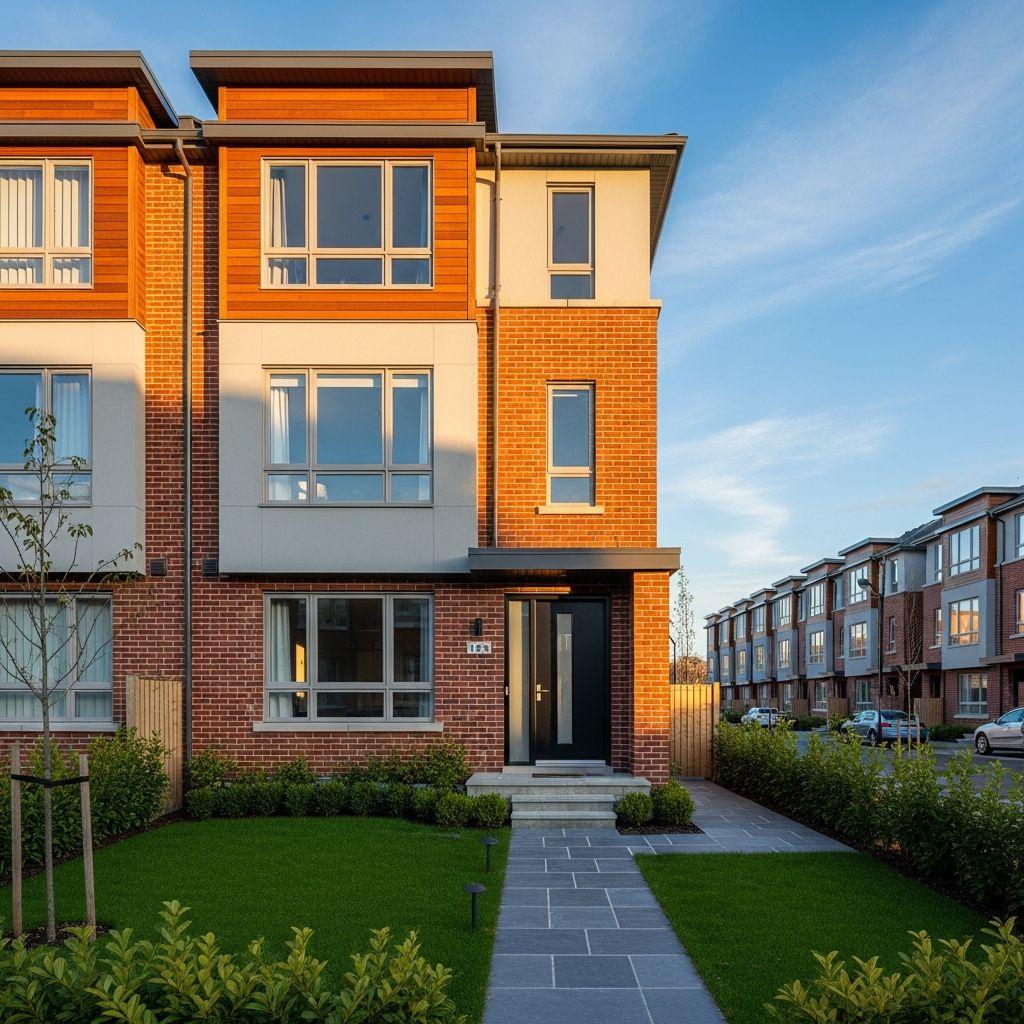
Townhouses provide a practical housing option that combines elements of independent living with community-oriented features. These multi-story residences share walls with adjacent units but maintain individual ownership and private access, making them suitable for dense urban and suburban environments.
Defining the Townhouse: Core Elements and Design
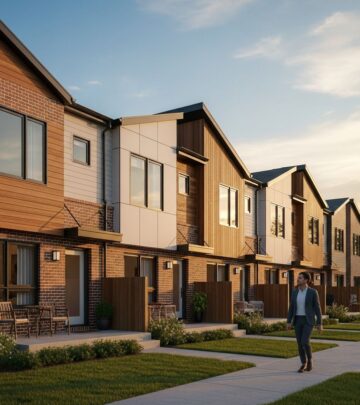
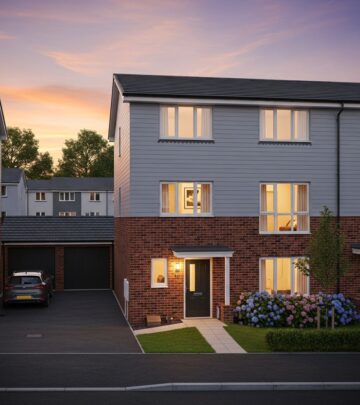
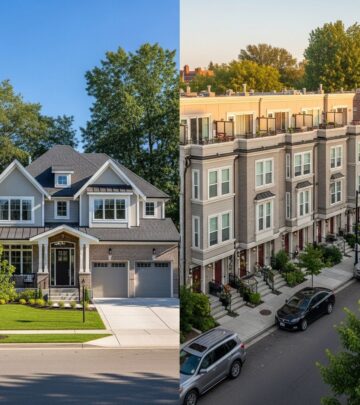
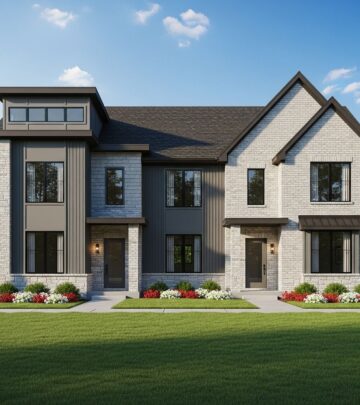
A townhouse stands out as a multi-level dwelling, typically two to four stories high, arranged in rows where each unit shares at least one wall with its neighbors. Unlike stacked apartments, townhouses emphasize vertical space expansion on narrow lots, featuring a private entrance directly accessible from the street or a small yard.
This design optimizes land use in areas where expansive lots are scarce. Modern townhouses often incorporate narrow footprints that extend deeply backward, allowing for efficient interior layouts. End units, attached on only one side, usually command higher prices due to extra windows and natural light.
- Vertical layout: Living areas on ground floors transition to private bedrooms upstairs via internal staircases.
- Shared structural elements: Walls provide sound insulation and cost savings in construction and utilities.
- Exclusive entry: Each owner accesses their home independently, fostering a sense of autonomy.
Typical Layouts and Interior Highlights
Inside a townhouse, space is organized to maximize functionality. Ground levels often house garages, entryways, or open kitchens flowing into dining and living zones. Upper floors dedicate space to bedrooms and bathrooms, promoting separation between communal and private areas.
Common interior traits include:
- Open-concept main floors for better airflow and social gatherings.
- Multiple bathrooms, often with a half-bath on the entry level.
- Compact balconies, patios, or rear yards for outdoor access.
- Energy-efficient designs like shared insulation reducing heating needs.
Parking solutions vary: North American models frequently include attached garages, while European styles might rely on street parking or carports.
Advantages of Choosing a Townhouse
Townhouses appeal to buyers seeking affordability without sacrificing home-like qualities. Their position in developed communities often means proximity to amenities and lower upfront costs compared to detached properties.
| Benefit | Description |
|---|---|
| Affordability | Lower purchase prices and taxes due to smaller lots and shared structures. |
| Low Maintenance | HOAs manage exteriors, roofs, and common areas, easing owner burdens. |
| Community Perks | Access to pools, gyms, parks, and events enhances lifestyle. |
| Location | Urban/suburban spots near jobs, schools, and transit. |
| Efficiency | Smaller size means reduced utility bills and cleaning time. |
These factors make townhouses ideal for first-time buyers, young professionals, or downsizers wanting space without isolation.
Potential Drawbacks to Consider
Despite attractions, townhouses involve trade-offs. Shared walls can transmit noise, and HOA fees—typically $200–$500 monthly—cover services but limit personalization.
- Limited Privacy: Proximity to neighbors may reduce seclusion.
- HOA Rules: Restrictions on modifications, pets, or rentals.
- Smaller Outdoors: Yards are modest compared to single-family homes.
- Resale Challenges: Market fluctuations affect row-style homes more.
Buyers must weigh these against personal priorities, such as tolerance for community governance.
How Townhouses Compare to Other Housing Options
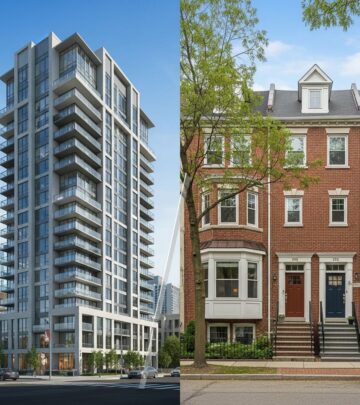
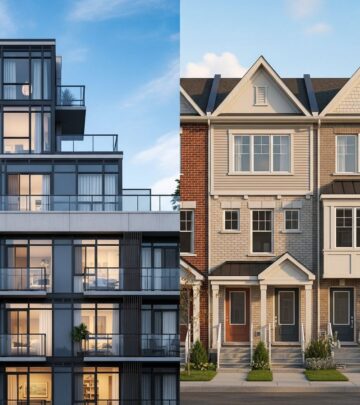
Townhouses occupy a middle ground in the housing spectrum. Here’s a breakdown:
| Type | Ownership | Walls | Outdoor Space | Maintenance | Cost Range |
|---|---|---|---|---|---|
| Townhouse | Individual (fee simple or condo) | Shared (1-2 sides) | Small yard/balcony | Partial HOA | Medium |
| Single-Family Home | Full lot ownership | None | Large yard | Owner full | High |
| Condo | Unit + shared elements | Multiple/all sides | Balcony/shared | Full HOA | Low-Medium |
| Apartment | Rental/lease | Multiple | Limited/shared | Landlord | Low (rent) |
Townhouses qualify as single-family structures if individually owned with ground-to-roof separations, distinguishing them from condos where owners share building-wide elements.
The Financial Side: Costs and Financing
Townhouse prices average $250,000–$500,000 in the U.S., varying by location—lower in suburbs, higher in cities. Monthly expenses include mortgages (similar to single-family), HOA dues, and potentially lower property taxes on compact lots.
Financing mirrors standard home loans, but lenders assess HOA financials for stability. End units may qualify for better rates due to desirability. Budget for 1,000–3,000 sq ft spaces, smaller than the 2,500 sq ft single-family average.
Owning vs. Renting a Townhouse
Owners enjoy equity building and customization within HOA limits, plus tax deductions. Renters avoid maintenance but face lease terms and no wealth accumulation. In HOA communities, renters must follow rules, impacting tenant appeal for investors.
Who Thrives in a Townhouse?
Singles, couples without children, or small families benefit most. Those valuing walkability, amenities, and moderate space over vast privacy find townhouses perfect. Retirees may appreciate low upkeep.
Steps to Buy a Townhouse
- Research Markets: Target growing areas with strong HOAs.
- Review Documents: Scrutinize bylaws, fees, reserves.
- Inspect Thoroughly: Check shared walls for issues.
- Secure Financing: Get pre-approved for townhouse-specific loans.
- Negotiate: Leverage end-unit premiums or updates.
Frequently Asked Questions (FAQs)
Is a townhouse considered a single-family home?
Yes, if individually owned with no shared interiors; it fits single-family definitions despite attached walls.
Do townhouses have HOAs?
Most do, managing commons and enforcing standards.
Are townhouses cheaper than detached homes?
Generally yes, due to shared costs and smaller land.
Can I modify my townhouse?
Subject to HOA approval for exteriors or structures.
How much outdoor space do townhouses offer?
Typically small patios or yards, less than single-family options.
Final Thoughts on Townhouse Living
Townhouses deliver a balanced lifestyle blending independence, affordability, and community in compact packages. Evaluate your needs against their features to determine fit.
References
- Townhouse Explained: Definition, Key Features, Pros and Cons — Plan7 Architect. 2023. https://plan7architect.com/townhouse-explained-definition-key-features-pros-and-cons-and-how-it-differs-from-other-homes-ai1/
- What’s a townhouse? Design, space, and community features — Better.com. 2023. https://better.com/content/what-is-a-townhouse
- What Is A Townhouse? Who Are They Best For? — Bankrate. 2024-01-15. https://www.bankrate.com/real-estate/what-is-a-townhouse/
- What Is a Townhouse? Meaning, Features, Pros and Cons — Confident Group. 2023. https://www.confident-group.com/blog/townhouse-features-pros-and-cons/
- Is a Townhouse a Single-Family Home? Everything You Need to Know — Your Integrity Home. 2024. https://yourintegrityhome.com/articles/is-a-townhouse-a-single-family-home-everything-you-need-to-know/
- What is a Townhouse? — Live BH. 2023. https://livebh.com/blog/what-is-a-townhouse/
Similar Articles








Read full bio of medha deb