What Is A Statement Credit? Complete Guide
Understand how statement credits work and maximize your credit card rewards.
What Is A Statement Credit?
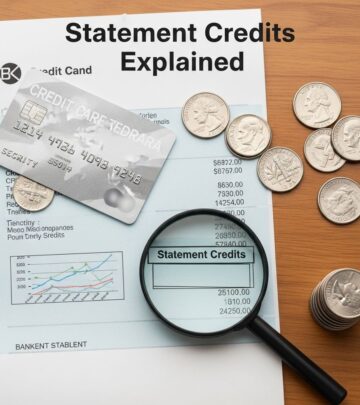
A statement credit is money that a credit card issuer applies directly to your account, reducing the amount you owe on your card balance. When you receive a statement credit, it appears on your monthly statement and contributes to lowering what you need to pay off. Think of it as a form of financial relief that credit card companies offer to cardholders for various qualifying actions.
Statement credits work by being automatically deducted from your card’s outstanding balance. If your current balance is $500 and you receive a $50 statement credit, your new balance becomes $450. This reduction happens without any action required on your part in most cases—the credit card issuer handles the application automatically once you’ve qualified for it.
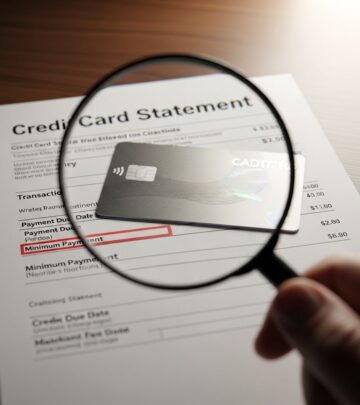
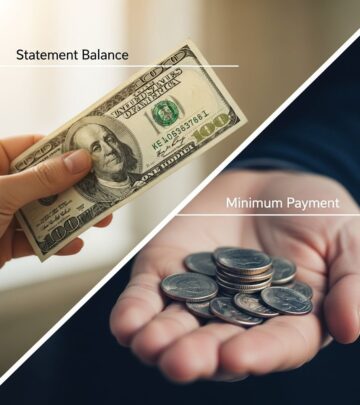
The key distinction to understand is that while a statement credit reduces your balance, it does not count as a minimum payment toward your credit card bill. Even if you receive a substantial statement credit, you still need to make your required minimum payment to avoid late fees, penalties, and potential damage to your credit score.
How Statement Credits Work
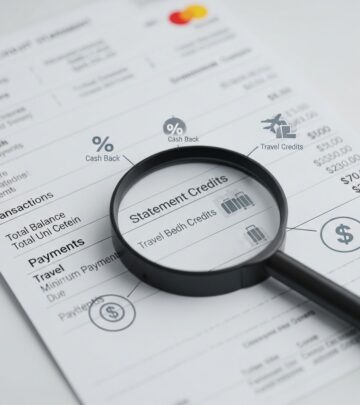
Statement credits are processed and displayed on your monthly credit card statement, typically appearing in a dedicated section or within your transaction history. Each credit receives its own line item, making it easy to track where the credit came from and when it was applied.
The mechanics of how a statement credit works are straightforward. Once your credit card company determines that you’ve qualified for a credit—whether through a purchase, return, or reward redemption—they automatically apply it to your account. The credit then appears on your next billing statement, reducing your total balance owed.
Most importantly, remember that statement credits typically do not count toward your minimum monthly payment obligation. Even with a substantial statement credit applied to your account, you must still submit your minimum payment. Failing to do so can result in late fees, increased interest rates, and negative impacts on your credit score, regardless of how much credit you’ve received.
Ways to Earn Statement Credits
There are multiple pathways to earning statement credits, each offering different opportunities depending on your credit card and spending habits.
Returns and Refunds
One of the most common ways to receive a statement credit is through returns. When you purchase something on your credit card and later decide to return it, the merchant or credit card issuer typically processes your refund as a statement credit rather than a direct cash refund. This credit is then applied to your card balance, effectively reducing what you owe.
Price Adjustments
If you make a purchase at full price and the item goes on sale shortly afterward, many merchants will honor the sale price at your request. When they do, you receive a statement credit for the difference between what you originally paid and the new sale price. This allows you to benefit from price reductions even after your initial transaction.
Redeeming Rewards
Most modern credit cards offer rewards programs that allow you to earn points or cash back on your purchases. Many of these cards give you the option to redeem your accumulated rewards directly as a statement credit rather than receiving cash or merchandise. When you choose this redemption option, your card issuer applies the credit value directly to your account balance.
Sign-Up Bonuses
Credit card companies frequently offer welcome bonuses to new cardholders. These bonuses often come in the form of statement credits once you’ve met certain spending requirements during an introductory period. For example, a card might offer a $200 statement credit after you spend $2,000 within your first three months of membership.
Qualifying Purchases
Some credit cards are designed with automatic statement credits for specific categories of purchases. Travel cards might offer credits for airline fees or hotel bookings, dining cards might credit purchases at restaurants, and premium cards might provide credits for various luxury categories. These automatic credits are applied whenever you make a qualifying purchase in the designated category.
Disputed Charges
When you dispute a charge on your credit card statement, the card issuer may temporarily apply a statement credit to your account while they investigate the disputed transaction. If they determine the dispute is valid, the credit becomes permanent. If the charge is upheld, the credit may be reversed.
Statement Credits vs. Cash Back: Understanding the Difference
While statement credits and cash back rewards are often mentioned together, they function quite differently, and understanding these distinctions can help you make more strategic choices about how to use your credit card rewards.
| Feature | Statement Credit | Cash Back |
|---|---|---|
| Definition | Money credited directly to your card balance | A percentage of purchases returned as cash |
| Application | Automatically or upon redemption applied to balance | Typically paid as cash or deposited to account |
| Flexibility | Reduces card balance only | Can be used for various purposes |
| Payment Credit | Does not count toward minimum payment | Depends on how it’s redeemed |
| Best For | Reducing existing card balance | Earning rewards on every purchase |
Cash back is a reward structure where you earn a percentage of the money you spend on purchases using your credit card. For instance, a card might offer 2% cash back on all purchases, meaning for every $100 you spend, you earn $2 in cash rewards. You can then typically choose to receive this cash directly or apply it toward your balance.
A statement credit, conversely, is a direct reduction of your credit card balance. Rather than earning a percentage on purchases, you receive a specific credit amount applied to what you owe. This is a critical difference because while both reduce your effective cost, they work differently in terms of your credit profile and payment obligations.
One significant consideration involves your credit utilization ratio. This ratio represents the amount of available credit you’re using compared to your total credit limit. A high utilization ratio can negatively impact your credit score over time. By using statement credits to reduce your balance, you lower your utilization ratio, which can benefit your credit profile. Cash back rewards alone don’t directly reduce your balance unless you specifically choose to apply them toward payment.
The Impact on Your Credit Card Balance
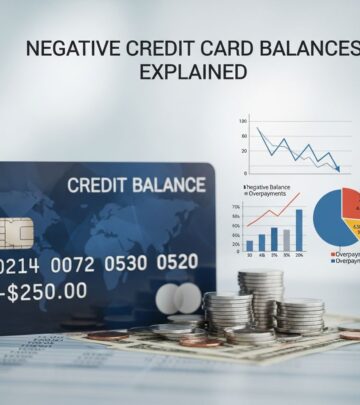
Statement credits provide immediate relief to your outstanding balance. When applied, they reduce the amount you owe to your credit card issuer. This reduction is particularly valuable if you’re carrying a high balance, as it directly lowers your credit utilization ratio—one of the most important factors affecting your credit score.
However, it’s crucial to remember that receiving a statement credit does not eliminate your payment obligations. Your minimum payment due remains the same, and you must continue making regular payments to maintain your account in good standing. Statement credits simply reduce the total amount owed but don’t substitute for your required payments.
Tax Implications of Statement Credits
One question many cardholders have is whether statement credits are taxable income. The answer depends on the source of the credit. Most statement credits earned through regular rewards programs, cash back redemptions, and returns are not considered taxable income by the IRS. However, sign-up bonuses that don’t require you to make specific purchases may be classified as taxable income and could require reporting.
For most everyday statement credits earned through normal credit card usage and rewards redemption, you won’t need to worry about tax implications. But if you receive a substantial welcome bonus without meeting spending requirements, it’s wise to consult with a tax professional to understand any potential reporting obligations.
Finding Statement Credits on Your Statement
Locating your statement credits on your monthly statement is straightforward. Credits typically appear in your account summary section, often highlighted differently from regular charges—sometimes displayed in green text or marked with a minus sign to indicate they’re reducing your balance rather than increasing it.
If you review your statements online through your card issuer’s website or mobile app, statement credits will usually be clearly visible in your transaction history. Each credit will have its own line item, showing when it was applied and the amount credited. If you receive paper statements, look for a separate transactions section or your account activity summary where credits are typically listed.
Statement Credits Add Real Value
Statement credits represent tangible value in your credit card strategy. They directly lower what you owe without requiring you to make additional payments or take extra steps. For cardholders looking to reduce their balance while managing credit utilization, statement credits offer a straightforward benefit.
When choosing a new credit card, examining the statement credit benefits should be part of your evaluation process. If you frequently use food delivery services, travel, or streaming platforms, finding a card that offers automatic statement credits for these categories could save you hundreds of dollars annually. The key is matching the card’s benefits to your actual spending patterns.
Frequently Asked Questions
Q: Does a statement credit count as a payment on my credit card?
A: No. While a statement credit reduces your overall balance, it does not count as a payment toward your minimum monthly payment. You must still make your required minimum payment to avoid penalties and maintain good account standing.
Q: Can I use a statement credit instead of paying my minimum balance?
A: No. Statement credits reduce your balance, but you’re still legally obligated to make your minimum payment. Using only statement credits and not paying your minimum can result in late fees, higher interest rates, and damage to your credit score.
Q: How long does it take for a statement credit to appear on my account?
A: Most statement credits appear within a few days to a few weeks, depending on the source. For promotional offers and welcome bonuses, it may take longer—sometimes several weeks—after you’ve met the qualifying requirements.
Q: Are all statement credits automatic, or do I need to request them?
A: Some statement credits are automatic, while others require action on your part. For example, credits from returns typically happen automatically, while rewards redemptions might require you to actively choose statement credit as your redemption option.
Q: Can I lose a statement credit I’ve received?
A: Generally, once a statement credit is applied to your account, it remains. However, if a disputed charge is resolved in favor of the merchant, a temporary credit might be reversed. Always review your statements to ensure all credits are legitimate and permanent.
Q: What’s the difference between a statement credit and a refund?
A: A refund is typically cash returned to your original payment method, while a statement credit is money applied directly to your credit card account balance. Credit card issuers often process refunds as statement credits for convenience and account management.
The Bottom Line
A statement credit on your credit card is always a positive development—it means you’re taking advantage of beneficial perks and reducing your outstanding balance. While statement credits don’t count toward your minimum payment obligation, they lower your overall balance and can improve your credit utilization ratio. By understanding how statement credits work and actively seeking credit cards with generous statement credit benefits that align with your spending habits, you can put significant money back in your pocket throughout the year.
References
- What Is A Statement Credit? — Bankrate. 2025. https://www.bankrate.com/credit-cards/advice/what-is-a-statement-credit/
- What Is a Statement Credit? — Capital One Learn & Grow. 2025. https://www.capitalone.com/learn-grow/money-management/statement-credit/
- Statement Credit: What It Is & How It Works — Chase. 2025. https://www.chase.com/personal/credit-cards/education/rewards-benefits/what-is-a-statement-credit
- Understanding Statement Credits — SoFi. 2025. https://www.sofi.com/learn/content/what-is-a-statement-credit/
- What Is a Statement Credit? — American Express Credit Intel. 2025. https://www.americanexpress.com/en-us/credit-cards/credit-intel/what-is-a-statement-credit/
Similar Articles








Read full bio of Sneha Tete