Home Equity Agreement Guide For 2025: How It Works
Unlock your home's equity without monthly payments through home equity agreements.

What Is a Home Equity Agreement?
A home equity agreement (HEA)—sometimes called home equity sharing, home equity sharing agreement, or home equity investment—is an arrangement between a property owner and an individual investor or investment company that allows the homeowner to access some of their home’s equity without taking on debt. Unlike traditional home equity loans and home equity lines of credit (HELOCs), there’s no monthly interest payment or interest with these agreements. Instead, the investor gets a portion of the home’s value later on—typically when you sell the property.
With home equity sharing agreements, you grant the investment company a “lien” on your home. You then receive a lump sum of cash in exchange for a percentage of your home’s future value, which must be paid within a specified period or, more commonly, upon the home’s sale. This innovative approach to home financing lets homeowners leverage the increase in their home’s value to help meet financial goals, whether financing a remodel, consolidating debt, or making a large purchase.
How Does a Home Equity Agreement Work?
Under a typical home equity agreement, home equity investors provide a homeowner with a lump-sum cash payment in exchange for a percentage of the homeowner’s future equity. There is usually an upfront transaction fee, typically a percentage of the total investment amount. The agreement is typically structured as a lien on the home, granting the investor the right to a portion of the proceeds from the home’s sale if the homeowner decides to sell.
The investor is paid based on an agreed-upon home appreciation rate (for example, 10%). If the home’s value decreases, the repayment amount should also decrease. You can liken it to how other investments work; if you bought stock in a company that decreased in value, your stock’s value would drop, too. The same happens to a home equity investor if your home’s value falls.
One key distinction between home equity agreements and traditional loans is that you retain full ownership of your home. You continue to live in it and make all decisions regarding the property. The investor simply holds a lien against your equity stake, allowing them to recoup their investment plus agreed-upon appreciation when the property is sold or the agreement term ends.
Home Equity Agreement Process
The process of obtaining a home equity agreement typically follows these steps:
| Step | What Happens |
|---|---|
| 1. Home Valuation/Appraisal | The provider determines your home’s current market value and assesses how much equity you have. |
| 2. Agreement Terms | You agree on how much cash you’ll receive upfront and what percentage of future value the investor will claim. |
| 3. Receive Lump Sum | Once everything is approved and signed, you receive the agreed-upon cash payment. |
| 4. No Monthly Payments | During the term, you do not owe monthly interest or scheduled payments—a key difference from a loan. |
| 5. Repayment Event | When you sell the home, refinance, or the agreement term ends, you settle up and pay back the investor their share. |
An Example of a Home Equity-Sharing Agreement
To illustrate how a home equity agreement works, consider this practical example: Let’s say your home has an appraised value of $250,000, and you enter into a contract with a home equity agreement company. They agree to provide a lump sum of $25,000 in exchange for 10% of your home’s appreciation. You’re free to spend the $25,000 you received under the agreement however you wish.
If your home appreciates to $300,000 over the agreement period, the home has appreciated by $50,000. The investor would receive 10% of that appreciation, which equals $5,000. When you sell your home, you would repay the investor $30,000 ($25,000 original investment plus $5,000 in appreciation). However, if your home value decreases to $220,000, the investor’s repayment amount would decrease accordingly, reflecting the shared risk model of these agreements.
Key Features of Home Equity Agreements
Home equity agreements offer several distinctive features that set them apart from other financing options:
No Monthly Payments
Unlike traditional home equity loans or HELOCs, home equity agreements don’t require monthly interest payments or scheduled repayments. This can provide significant relief for homeowners looking to improve their cash flow.
You Retain Home Ownership
You continue to own your home and live in it. The investor holds only a lien against a portion of your home’s future value. You maintain control over all decisions regarding the property, including maintenance, improvements, and eventual sale.
Risk Sharing
If your home’s value decreases, the investor also shares in that loss. The repayment amount adjusts based on the home’s actual market value at the time of repayment, creating a shared-risk model.
Flexible Terms
Home equity agreements typically have terms ranging from 10 to 30 years, providing flexibility in how long you maintain the arrangement. Some agreements allow for early buyout options, giving you additional flexibility in managing your finances.
Qualifying for a Home Equity Agreement
To qualify for a home equity agreement, homeowners typically must meet certain criteria. Most providers require that you have at least 20-25% equity in your home, meaning you have paid down an amount equal to or greater than a quarter of your total mortgage. Additionally, companies generally invest up to 25% of your home’s total value, with maximum investment amounts ranging from $500,000 to $600,000 depending on the provider.
Credit requirements are often more lenient than traditional loans, and the approval process typically focuses more on the home’s value and your equity position rather than extensive credit history verification. However, you’ll still need to demonstrate the ability to maintain the property and meet ongoing financial obligations.
When Is Repayment Required?
Repayment typically occurs when you sell, refinance, or reach the end of the term of the agreement. Some agreements allow for early buyout, giving you the option to repay the investor before the standard repayment trigger occurs. Understanding when repayment is required is crucial for planning your finances and determining whether a home equity agreement aligns with your long-term housing plans.
Home Equity Agreements vs. Other Financing Options
When considering a home equity agreement, it’s important to understand how it compares to other home financing options:
Home Equity Loan
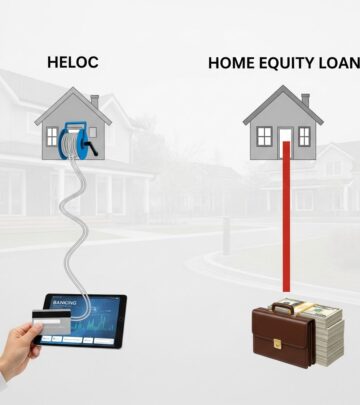
A home equity loan gives you a lump sum upfront with a fixed interest rate, usually over a 15- to 30-year term, making it more predictable but requiring monthly payments. You’ll pay interest regardless of your home’s appreciation.
Home Equity Line of Credit (HELOC)
A HELOC provides access to a revolving credit line secured by your home’s equity, with variable interest rates and monthly payments required. This option offers more flexibility in accessing funds but comes with interest expenses.
Home Equity Agreement
The HEA flips the model entirely. There are no monthly payments, and you only repay when specific triggering events occur (sale, refinance, or term end). Repayment is based on home appreciation rather than interest charges.
Advantages of Home Equity Agreements
Home equity agreements offer several compelling benefits for homeowners:
No Monthly Debt Payments
The most significant advantage is the absence of monthly payments. This can dramatically improve your monthly cash flow and financial flexibility, allowing you to allocate resources to other priorities.
Non-Debt Financing
Unlike loans, home equity agreements don’t show up as debt on your credit report. This can be beneficial for your credit profile and borrowing capacity for other financial needs.
Risk Sharing
The investor shares in the risk if your home’s value declines. This creates a more balanced arrangement compared to traditional debt where repayment obligations remain fixed regardless of market conditions.
Significant Lump Sum Access
You can access substantial funds (up to $600,000 depending on the provider) in a single payment, making it suitable for major expenses like home renovations, debt consolidation, or other large purchases.
Disadvantages and Considerations
While home equity agreements offer benefits, there are important drawbacks to consider:
Loss of Home Appreciation
You must give up a portion of your home’s future appreciation. If your home appreciates significantly, you’ll share those gains with the investor rather than capturing them entirely.
Ongoing Obligations
You must maintain the property, pay property taxes, homeowners insurance, and cover all costs associated with the eventual home sale. These responsibilities remain yours throughout the agreement term.
Complexity and Costs
Home equity agreements involve upfront transaction fees and can be complex financial arrangements. Understanding all terms and conditions is essential before committing.
Future Refinancing Challenges
The lien held by the equity agreement company can complicate future refinancing efforts. You’ll need to coordinate with the HEA provider when refinancing your primary mortgage.
Who Should Consider a Home Equity Agreement?
Home equity agreements may be suitable for homeowners who:
– Have significant home equity but limited access to traditional credit- Need a substantial lump sum for home improvements or debt consolidation- Prefer avoiding monthly debt payments- Anticipate staying in their home or selling in the near future- Are comfortable sharing potential home appreciation with an investor- Have credit challenges that make traditional home equity loans difficult to obtain
Frequently Asked Questions About Home Equity Agreements
Q: Do I still own my home with a HEA?
A: Yes. You retain ownership of the home and live in (or use) it, just with an agreement that some of the future value will be shared with the investor. The investor holds only a lien against your equity, not ownership of the property itself.
Q: Can I pay off my home equity agreement early?
A: Many home equity agreement providers allow early buyout options. Some companies, for example, allow you to pay off the agreement at any time during the contract term, though home appreciation will be a factor in determining the repayment amount.
Q: What happens if my home decreases in value?
A: If your home’s value decreases, the repayment amount should also decrease commensurately. The investor shares in the downside risk, similar to any investment that declines in value.
Q: How much can I borrow with a home equity agreement?
A: The amount you can access depends on your home’s value and your equity position. Most providers invest up to 25% of your home’s total value, with maximum amounts typically ranging from $500,000 to $600,000.
Q: Is a home equity agreement the same as a home equity loan?
A: No. Home equity agreements differ significantly from traditional home equity loans in that they involve no monthly payments, no interest charges, and the repayment amount depends on home appreciation rather than fixed interest rates.
Q: What fees are associated with home equity agreements?
A: Home equity agreements typically involve upfront transaction fees, usually expressed as a percentage of the total investment amount. Be sure to review all fees carefully before signing an agreement.
Q: Can I refinance my mortgage if I have a home equity agreement?
A: Yes, but you’ll need to coordinate with your equity agreement company. The lien they hold will need to be addressed during the refinancing process, and approval from the HEA provider may be required.
Conclusion
Home equity agreements represent an innovative financing alternative for homeowners looking to access their equity without taking on traditional debt. By providing a lump-sum cash payment in exchange for a share of future home appreciation, these agreements offer flexibility and relief from monthly payment obligations. However, they also involve tradeoffs, including loss of appreciation potential and ongoing maintenance responsibilities. Before pursuing a home equity agreement, carefully evaluate your financial situation, compare it to alternative financing options, and ensure you fully understand all terms, conditions, and fees involved in the arrangement. Consulting with a financial advisor can help determine whether a home equity agreement aligns with your specific financial goals and circumstances.
References
- What Is a Home Equity Agreement? — Money. 2025. https://money.com/what-is-a-home-equity-agreement/
- What are home equity agreements? — Rocket Mortgage. 2025. https://www.rocketmortgage.com/learn/home-equity-agreement
- Issue Spotlight: Home Equity Contracts: Market Overview — Consumer Finance Protection Bureau. 2025. https://www.consumerfinance.gov/data-research/research-reports/issue-spotlight-home-equity-contracts-market-overview/
- Understanding Home Equity Agreements: The Pros and Cons of HEA — Realtor.com. 2025. https://www.realtor.com/advice/finance/home-equity-agreement-explained/
- What Is a Home Equity Agreement? — ALCOVA Mortgage. 2025. https://alcova.com/home_equity_agreement/
Similar Articles








Read full bio of medha deb