What Is A Good Credit Score? Ranges, Rates, And Tips
Discover what defines a good credit score, FICO ranges, VantageScore breakdowns, and tips to boost your rating for better loan terms.
A
good credit score
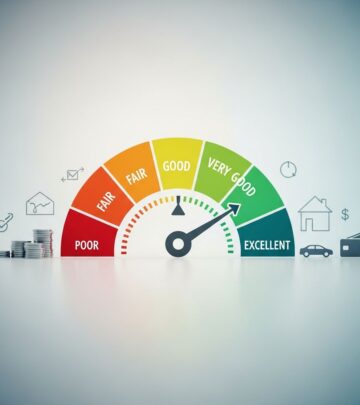
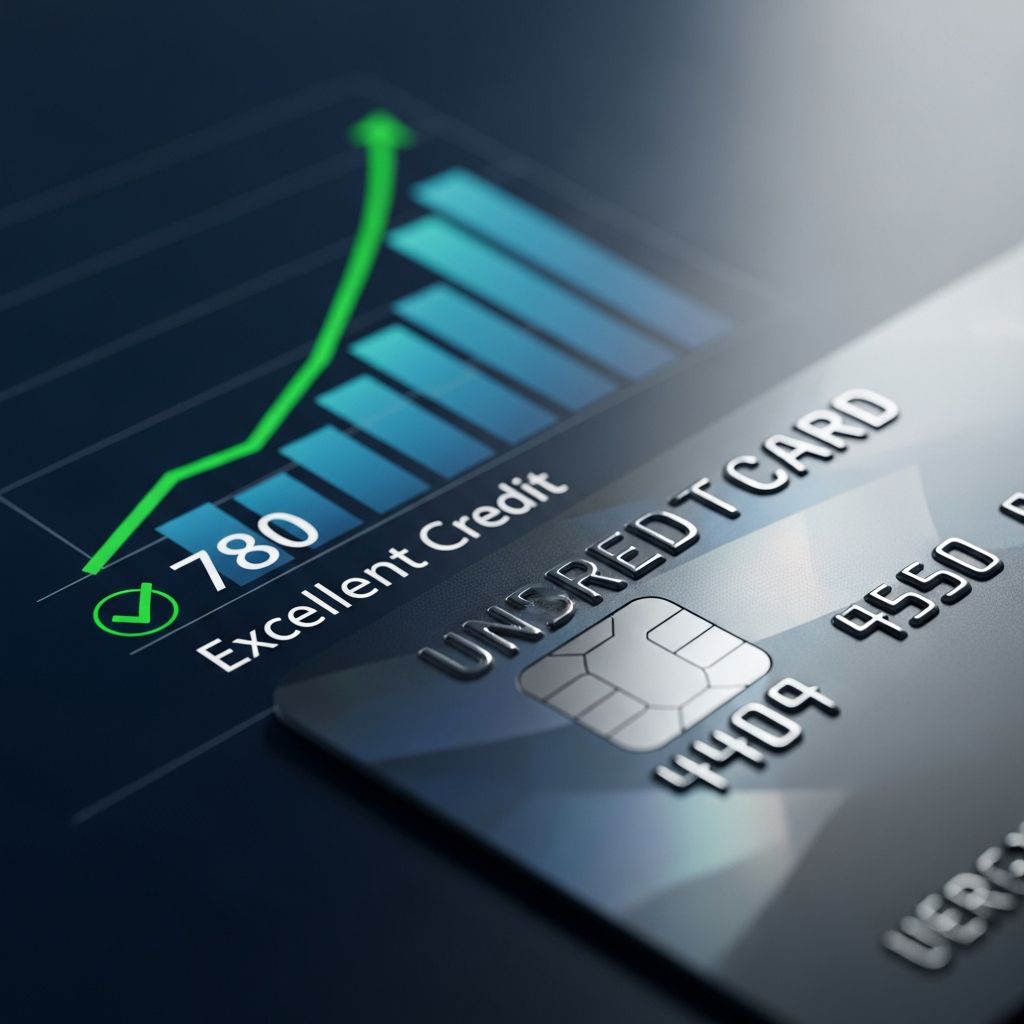
typically falls between 670 and 739 on the FICO scale or 661-780 on VantageScore, enabling access to favorable loan rates and terms for personal loans and other credit products. These ranges signal to lenders that you manage credit responsibly, reducing their risk and rewarding you with lower interest rates compared to subprime borrowers.Credit Score Basics
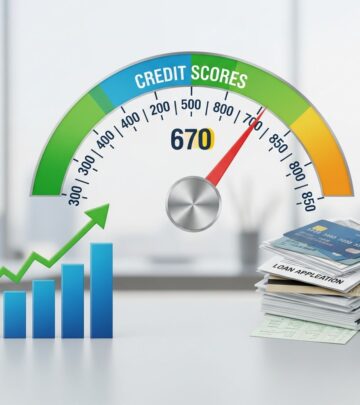
Credit scores are numerical summaries of your creditworthiness, primarily calculated using the FICO model (used by 90% of top lenders) or VantageScore. Scores range from 300 to 850, with higher numbers indicating lower risk. FICO, developed by Fair Isaac Corporation, dominates personal lending decisions, while VantageScore offers an alternative used by some institutions.
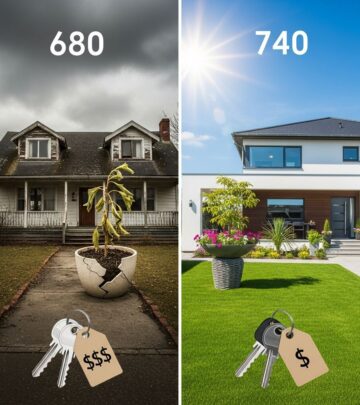
Your score influences everything from personal loan approvals to interest rates. For instance, mainstream personal loan lenders require minimum scores from 600 to over 700, with excellent credit (740+) unlocking the best rates around 6-10% APR in 2026. Poor scores below 600 often lead to denials or high rates exceeding 20%.
FICO Score Ranges
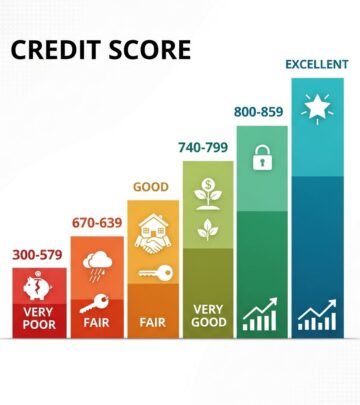
The FICO score model categorizes credit as follows:
- Exceptional (800-850): Top-tier rates; minimal fees.
- Very Good (740-799): Excellent terms; broad lender choices.
- Good (670-739): Competitive rates; qualifies for most personal loans.
- Fair (580-669): Higher rates; limited options, possible with specialty lenders.
- Poor (<580): High-cost loans or alternatives needed.
A score of 670+ is widely considered ‘good’ for personal loans, as it aligns with lenders’ preferences for low-risk borrowers. For example, providers like Payoff target consolidation loans for those with strong profiles in this range.
VantageScore Ranges
VantageScore, a tri-bureau model (Equifax, Experian, TransUnion), uses these tiers:
| Range | Category | Implications for Personal Loans |
|---|---|---|
| 781-850 | Excellent | Prime rates; easiest approvals. |
| 661-780 | Good | Favorable terms; wide eligibility. |
| 601-660 | Fair | Viable but elevated APRs. |
| 500-600 | Poor | Challenging; seek fair-credit specialists. |
| <500 | Very Poor | High denial risk; focus on building credit. |
Good VantageScores (661+) mirror FICO’s good range, supporting personal loan access with rates often 5-15% lower than fair-credit equivalents.
What Credit Score Do You Need for a Personal Loan?
Personal loans demand scores starting at 600 for mainstream options, but 670+ unlocks the best deals. Lenders assess your full profile: income, debt-to-income (DTI) ratio under 36%, and payment history. Excellent scores (740+) from providers like those specializing in consolidation yield rates under 10%, saving thousands versus credit card debt.
Fair-credit borrowers (580-669) can qualify via niche lenders, though at 15-25% APRs. Avoid prime lenders if below 600 to prevent hard inquiries dinging your score.
How Credit Scores Affect Personal Loan Rates
Higher scores directly lower APRs:
- 740+: 6-12% APR.
- 670-739: 10-15% APR.
- 600-669: 15-25% APR.
- <600: 25%+ or denials.
Consolidating $10,000 credit card debt at 20% APR costs $4,718 in interest over 4+ years at $300/month. A 10% personal loan (good credit) cuts this to $1,764 in 3 years. Low scores amplify costs, emphasizing score improvement.
Factors That Determine Your Credit Score
FICO weights factors as:
- Payment history (35%): On-time payments are crucial; late payments over 30 days harm scores severely.
- Credit utilization (30%): Keep under 30%; personal loans can lower ratios by converting revolving debt.
- Length of history (15%): Longer is better.
- New credit (10%): Limit inquiries; shop rates within 14-45 days.
- Credit mix (10%): Installment loans like personals diversify positively.
Personal loans boost scores via on-time payments and utilization drops, but initial hard inquiries cause temporary 5-10 point dips.
How to Improve Your Credit Score
Boost your score strategically:
- Pay bills on time; use auto-pay.
- Reduce utilization below 30%.
- Dispute errors via AnnualCreditReport.com.
- Become authorized user on good-standing accounts.
- Limit new applications; use prequalification.
- Pay off collections; negotiate ‘pay for delete’.
- Add positive history with secured cards or credit-builder loans.
Personal loans build scores as installment debt, diversifying mix and aiding utilization when consolidating. Expect 20-100 point gains in 6-12 months with discipline.
Debt-to-Income Ratio and Personal Loans
Lenders cap DTI at 36-43%. Calculate: (monthly debts / gross income) x 100. Example: $5,000 income, $1,500 debts = 30% DTI. Adding $250 loan payment raises to 35%—still approvable. Steady income via pay stubs or returns proves affordability alongside scores.
Common Credit Score Myths
- Myth: Checking your score hurts it. Fact: Soft pulls don’t; use free tools.
- Myth: Rent/utilities build credit automatically. Fact: Only if reported; use services like Experian Boost.
- Myth: Closing old cards helps. Fact: Shortens history, raises utilization.
Frequently Asked Questions (FAQs)
What is a good credit score for a personal loan?
A score of 670+ (FICO) qualifies for good rates; 740+ gets the best.
Can I get a personal loan with a 600 credit score?
Yes, via fair-credit lenders, but expect higher APRs.
How does a personal loan affect my credit score?
Initial inquiry dings slightly; on-time payments boost via mix and utilization.
What DTI is needed for personal loans?
Under 36% ideal; up to 43% possible with strong scores.
How long to improve from fair to good credit?
3-12 months with consistent positive habits.
References
- Best Personal Loan Rates of 2026 Compared — MoneyRates. 2026-01. https://www.moneyrates.com/personal-loan-rates.htm
- Is a Personal Loan Right for You? — MoneyRates. 2025. https://www.moneyrates.com/personal-loans/is-a-personal-loan-right-for-you.htm
- Are Personal Loans Safe and Legit? — MoneyRates. 2025. https://www.moneyrates.com/personal-finance/are-personal-loans-safe-and-legit.htm
- How Does a Personal Loan Affect Your Credit Score? — MoneyRates. 2025. https://www.moneyrates.com/personal-loans/how-does-a-personal-loan-affect-your-credit-score.htm
- Personal Loans for Fair Credit 2025 — MoneyRates. 2025. https://www.moneyrates.com/personal-loans/personal-loans-for-fair-credit.htm
- Pros and Cons of Personal Loans — MoneyRates. 2025. https://www.moneyrates.com/personal-loans/pros-and-cons-of-personal-loans.htm
- Guide to Personal Loans — MoneyRates. 2025. https://www.moneyrates.com/personal-loans/guide-to-personal-loans.htm
Similar Articles








Read full bio of Sneha Tete