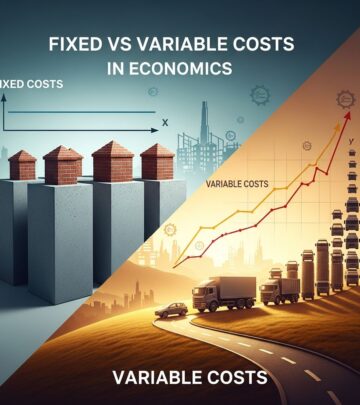
Flexible Expenses: Essential Guide To Budgeting And Control
Master flexible expenses and learn how to budget variable costs effectively for better financial control.
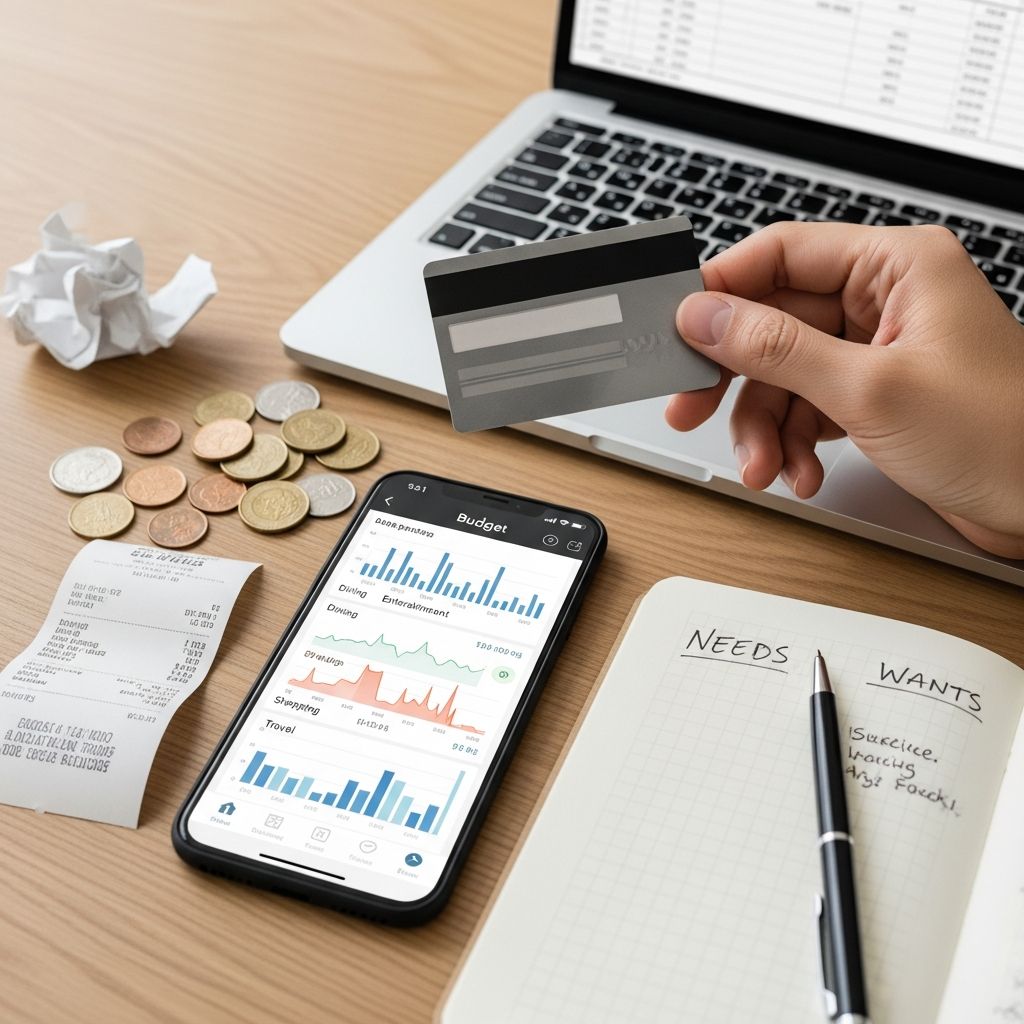
What Is a Flexible Expense?
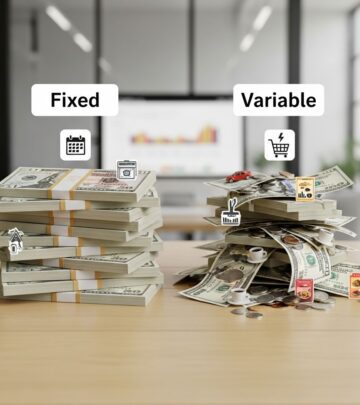
A flexible expense, also known as a variable expense, is a cost that changes over time based on your consumption, usage, or business activity levels. Unlike fixed expenses that remain the same month after month, flexible expenses fluctuate depending on your needs and circumstances. Understanding the distinction between flexible and fixed expenses is essential for creating an effective budget and maintaining better control over your personal or business finances.
Flexible expenses are an important component of personal financial planning because they represent costs you have some ability to control or adjust. By understanding which of your expenses fall into this category, you can identify areas where you might reduce spending during tight financial periods or increase investment when resources allow.
How Flexible Expenses Differ From Fixed Expenses
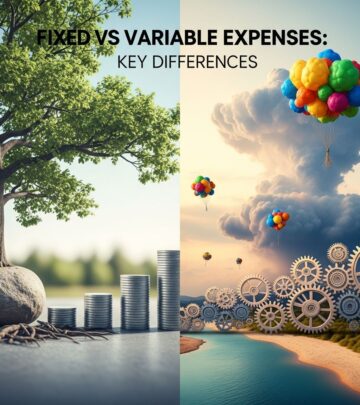
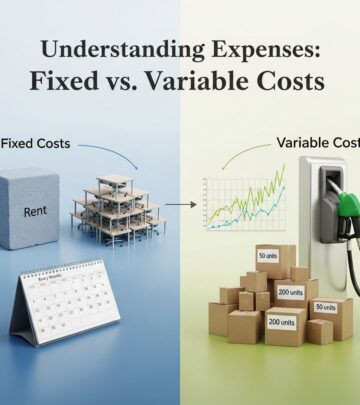
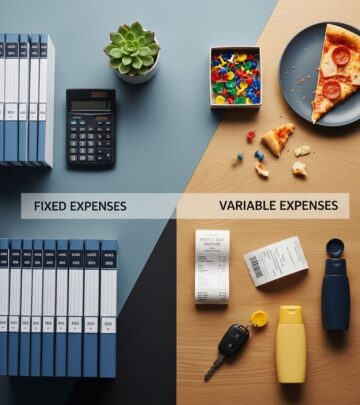
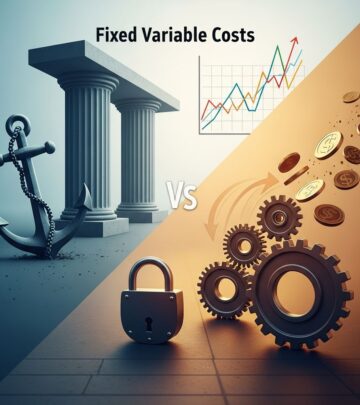
The primary difference between flexible and fixed expenses lies in predictability and consistency. Fixed expenses remain constant regardless of how much you use a service or product, while flexible expenses change based on your actual consumption or activity.
Fixed expenses include costs such as rent or mortgage payments, insurance premiums, loan payments, and salaries. These amounts stay the same month after month, making them easy to predict and budget for. Knowing your fixed expenses gives you a stable foundation for your budget because you can count on these costs remaining unchanged.
Flexible expenses vary depending on your choices and circumstances. Groceries, utilities, dining out, entertainment, and transportation costs are common examples. The amount you spend on groceries might be $200 one month and $250 the next, depending on your household needs, dietary choices, and food prices. Similarly, your utility bills fluctuate based on seasonal changes and usage patterns.
Common Examples of Flexible Expenses
Flexible expenses appear across most household budgets. Recognizing these variable costs helps you understand where your money goes and where you might find opportunities to save. Here are the most common categories of flexible expenses:
Groceries and Food — The amount you spend on groceries varies based on family size, dietary preferences, and food prices. This is one of the most commonly variable household expenses that people can influence through shopping habits and meal planning.
Utilities — While utilities often have a base monthly fee (making them partially fixed), the total bill varies based on usage. During summer months with air conditioning or winter months with heating, your utility bills increase. Many utilities combine a fixed base charge with variable usage fees.
Transportation and Fuel — Gas expenses fluctuate based on how much you drive, current fuel prices, and your vehicle’s efficiency. Public transportation costs may also vary depending on your usage patterns.
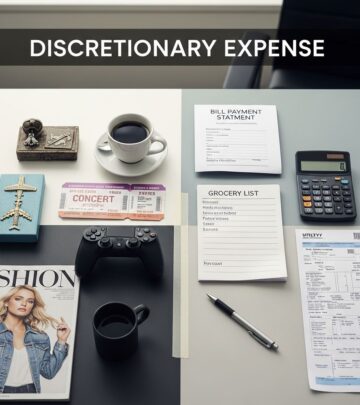
Dining Out and Entertainment — These discretionary expenses are entirely flexible. You control how often you eat at restaurants or attend entertainment events, making these highly variable costs.
Clothing and Personal Care — Shopping for clothes, haircuts, and personal hygiene products happens irregularly. Some months you might spend significantly on clothing, while other months your spending in this category is minimal.
Medical and Healthcare Expenses — Beyond insurance premiums (which are typically fixed), out-of-pocket medical costs vary based on health needs and emergencies.
Home Maintenance and Repairs — Unexpected home repairs and regular maintenance costs can fluctuate significantly. One month might require a major repair, while several months pass without substantial maintenance expenses.
Understanding Mixed Expenses
Some expenses don’t fit neatly into the fixed or flexible categories—these are called mixed expenses or semi-variable expenses. Mixed expenses contain both fixed and variable components, making them partially predictable.
A telephone bill with a base monthly service charge plus charges for additional data or international calls is a classic example of a mixed expense. You always pay the base fee (fixed component), but the total bill varies based on your usage (variable component). Utilities often work this way too, with a basic service charge plus usage-based fees that fluctuate monthly.
Recognizing mixed expenses helps you budget more accurately. You can plan for the fixed portion with certainty while estimating a range for the variable portion based on historical usage patterns.
Why Flexible Expenses Matter for Budgeting
Flexible expenses are crucial to effective budgeting because they represent areas where you have discretion and control. While you cannot easily reduce fixed expenses like rent without major life changes, flexible expenses offer legitimate opportunities for cost reduction and financial optimization.
Understanding your flexible expenses allows you to identify spending patterns and potential savings. If you discover you’re spending $400 monthly on dining out, you might decide to reduce restaurant visits and cook at home more often. This simple adjustment could significantly impact your overall financial goals.
Flexible expenses also help explain why your budget varies from month to month. If you initially budgeted for $150 in entertainment but actually spent $300, recognizing this as a flexible expense helps you understand the variance and adjust future projections accordingly.
Strategies for Managing Flexible Expenses
Effectively managing flexible expenses requires awareness, planning, and intentional decision-making. Here are proven strategies for controlling variable costs:
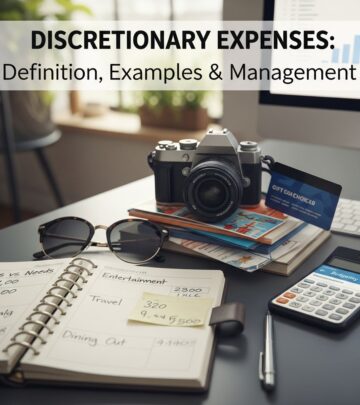
Track Your Spending — Monitor flexible expenses for several months to identify patterns and averages. Many people are surprised to discover how much they actually spend on categories like dining out or entertainment once they track it carefully.
Set Category Budgets — After understanding your spending patterns, establish realistic budgets for each flexible expense category. Allow some flexibility within these budgets for unexpected variations.
Use the Percentage Method — Allocate a percentage of your income to flexible expense categories. Many financial advisors suggest spending no more than 50-60% of income on variable and discretionary expenses combined, with the remainder going to fixed costs and savings.
Plan for Seasonal Variations — Recognize that some flexible expenses have seasonal patterns. Winter heating bills are higher, summer entertainment costs may increase, and holiday shopping creates spending spikes. Plan for these predictable variations.
Implement Zero-Based Budgeting for Variables — Allocate specific amounts to each flexible category and commit to spending only what you’ve allocated. When the allocation runs out, you stop spending until the next budget period.
Automate Savings First — For flexible expenses you want to limit, transfer money to a separate savings account first, then spend only what remains. This prevents overspending on variable costs.
Regularly Review and Adjust — Monthly or quarterly reviews of flexible expenses help you identify trends and make adjustments before overspending becomes a problem.
Flexible Expenses in Business Budgeting
Businesses also deal with flexible expenses when creating budgets. In a business context, flexible budgeting involves adjusting expenses based on actual activity levels such as production volume, sales revenue, or customer transactions.
A manufacturing company, for example, experiences variable costs that change with production volume. Raw materials, packaging, and labor expenses tied to production are flexible costs that increase when production increases and decrease when production slows. These variable costs multiply based on the activity driver—if materials cost $3 per unit and the company produces 500 units, material costs total $1,500.
Basic flexible budgets in business directly link expenses to one key metric, such as sales volume or production units. When sales increase by 20%, variable costs like materials automatically adjust upward by the same percentage. More sophisticated intermediate and advanced flexible budgets consider multiple cost drivers simultaneously, creating more accurate expense projections across various departments.
Creating a Flexible Budget
Building a flexible budget for personal or business finances involves several key steps. First, identify all your fixed costs—expenses that never change regardless of activity level. These form the foundation of your budget and typically include rent, insurance, loan payments, and salaries.
Next, identify variable costs that change with your activity or consumption. For businesses, this might be units produced or sales volume; for individuals, this includes groceries, utilities, and discretionary spending.
Then, determine the activity drivers that best predict your costs. The key is selecting something measurable and directly connected to your cost behavior. Manufacturing companies often use units produced; service businesses might choose billable hours; retail operations typically focus on sales volume.
Create formulas for each cost category that automatically adjust based on your activity driver. For fixed costs, the formula is simple—the cost stays the same. For variable costs, multiply your per-unit rate by the activity driver. Mixed costs combine a fixed base amount plus a variable component.
The Flexible Budget Advantage
Flexible budgets provide significant advantages over static budgets that don’t adjust for activity changes. They offer more accurate financial planning because they account for actual business or personal activity levels. This accuracy helps with better decision-making and resource allocation.
A flexible budget automatically recalculates all variable and mixed costs when you change the activity level, while keeping fixed costs constant. This gives instant visibility into how profitability or personal finances change with volume. For businesses experimenting with new marketing pushes that might increase demand, flexible budgeting allows them to account for these potential changes without completely rebuilding their budget.
Occasional Versus Flexible Expenses
It’s important to distinguish between flexible expenses and occasional expenses. Occasional expenses, also called irregular or lumpy expenses, occur unpredictably and infrequently. Examples include home repairs, vehicle maintenance beyond regular service, or replacing appliances.
While both flexible and occasional expenses vary, they differ in predictability. Flexible expenses change regularly and somewhat predictably based on consumption (you spend on groceries most weeks, for instance). Occasional expenses are harder to predict and may occur months apart. Planning for occasional expenses requires setting aside money in an emergency fund or sinking fund rather than budgeting like regular variable expenses.
Real-World Example of Flexible Expenses
Consider a household with a monthly income of $5,000. Their fixed expenses total $3,000 (rent $1,500, insurance $400, loan payment $500, salary commitments $600). This leaves $2,000 for flexible and discretionary spending.
Their flexible expenses might typically include: groceries $400, utilities $150, transportation $250, dining out $300, and entertainment $200, totaling $1,300. This leaves $700 for savings and unexpected expenses.
However, in a month where utility bills spike due to air conditioning use and they host a dinner party (increasing grocery and dining costs), their flexible expenses might reach $1,600. This flexible budget framework helps them understand where the variance came from and adjust expectations accordingly.
Tools and Apps for Tracking Flexible Expenses
Modern technology makes tracking flexible expenses easier than ever. Budgeting apps like Mint, YNAB (You Need A Budget), and EveryDollar help categorize spending automatically and alert you when you approach budget limits. These tools provide visual representations of spending patterns, making it easier to identify areas for potential savings.
Spreadsheets remain a powerful option for those preferring manual tracking. A simple spreadsheet with categories, budgeted amounts, actual spending, and variance calculations can effectively track flexible expenses over time.
Frequently Asked Questions
Q: What’s the difference between a flexible expense and a variable expense?
A: These terms are often used interchangeably. Both refer to costs that change over time based on consumption or activity levels, as opposed to fixed expenses that remain constant.
Q: Can I eliminate flexible expenses entirely?
A: You cannot eliminate essential flexible expenses like groceries and utilities, but you can reduce discretionary flexible expenses like dining out and entertainment to nearly zero if necessary for financial goals.
Q: How do I budget for expenses that are both fixed and variable?
A: For mixed expenses with both fixed and variable components, budget for the fixed portion with certainty and estimate a range for the variable portion based on historical usage patterns.
Q: Why do my utility bills vary if they’re supposed to be fixed?
A: Most utilities are actually mixed expenses with a base fixed charge plus variable usage fees. Seasonal changes and usage patterns cause your total bill to fluctuate month to month.
Q: How often should I review my flexible expenses?
A: Review flexible expenses monthly to catch trends early, with deeper quarterly reviews to identify seasonal patterns and make meaningful budget adjustments.
References
- What Is a Flexible Budget? Definition, Types & Examples — Ramp. Accessed 2025-11-29. https://ramp.com/blog/what-is-a-flexible-budget
- Flexible Budget: What It Is and Examples — Bill.com. Accessed 2025-11-29. https://www.bill.com/learning/flexible-budget
- How To Find a Flexible Budget: 6 Steps (With Example) — Indeed.com. Accessed 2025-11-29. https://www.indeed.com/career-advice/career-development/how-to-find-flexible-budget
- Identifying Expenses: Fixed, Flexible, or Occasional? — University of Illinois. Accessed 2025-11-29. https://blogs.illinois.edu/view/7550/1581872639
- What Is Flexible Budget — Datarails. Accessed 2025-11-29. https://www.datarails.com/finance-glossary/flexible-budget-explained/
- Flexible Budgets — EBSCO Research Starters. Accessed 2025-11-29. https://www.ebsco.com/research-starters/business-and-management/flexible-budgets
Similar Articles








Read full bio of Sneha Tete