What Is a Duplex? Complete Guide to Duplex Homes
Understanding duplexes: Definition, benefits, financing options, and investment potential explained.
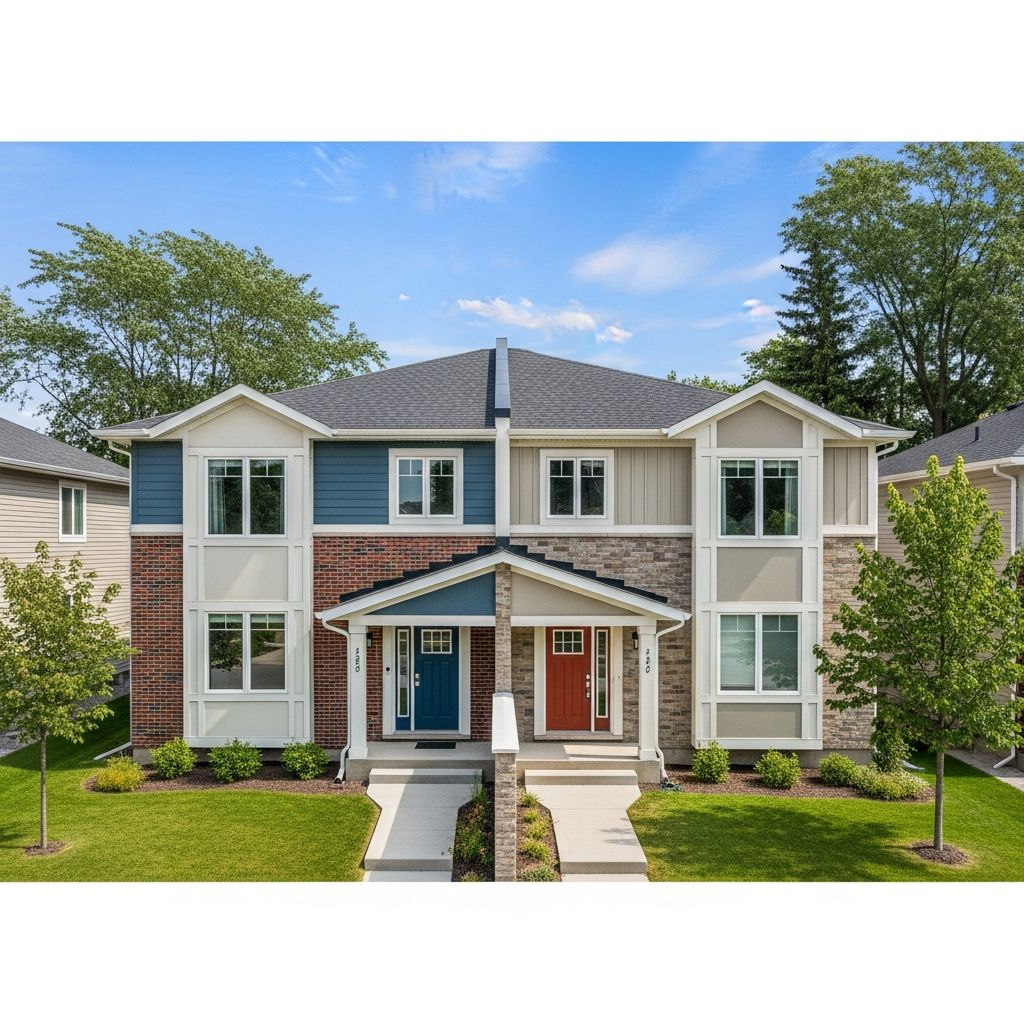
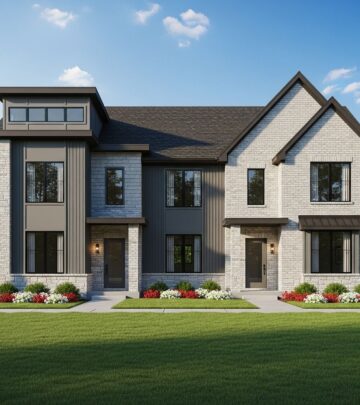
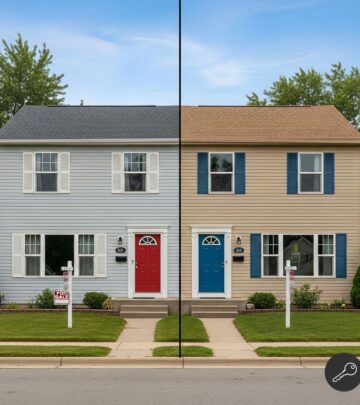
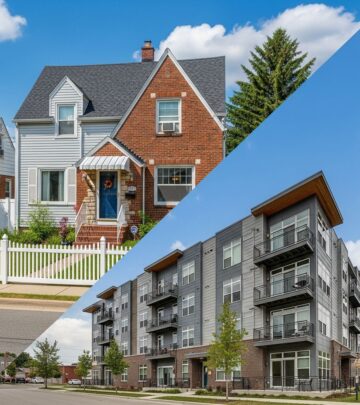
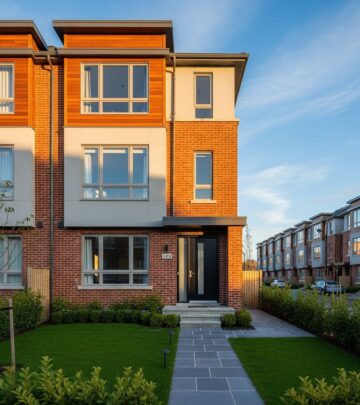
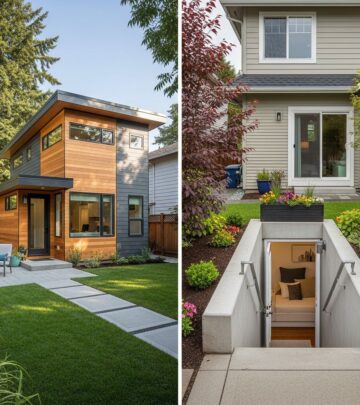
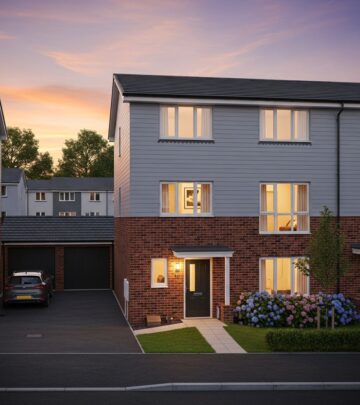
A duplex is a residential property containing two separate housing units within a single building or structure. Each unit typically has its own entrance, kitchen, bathroom, and living spaces, functioning as independent homes while sharing a common wall or structure. Duplexes represent one of the most accessible entry points into real estate investing and homeownership, particularly for those looking to build equity while generating rental income.
Understanding the Duplex Definition
A duplex differs from other residential properties in its specific configuration. Unlike single-family homes that house one household, or apartment buildings that contain multiple units with shared entrances and common areas, duplexes maintain a clear separation between two distinct living units. Each unit operates independently, with tenants or owners controlling their own space entirely.
The term “duplex” comes from the word “dual,” emphasizing the two-unit nature of the property. Each side of a duplex can be individually owned or rented, making it a versatile investment vehicle. Duplexes fall within the broader category of multifamily homes, which include triplexes (three units) and fourplexes (four units).
Key Characteristics of Duplexes
Duplexes come with several distinctive features that set them apart from other housing types:
- Dual Units: Two completely separate living spaces within one building
- Independent Access: Separate entrances for each unit, ensuring privacy
- Shared Structure: Common foundation and exterior walls reduce individual construction costs
- Individual Utilities: Most duplexes have separate utility systems for each unit
- Flexible Ownership: Units can be owned by different people or rented independently
- Compact Footprint: More efficient land use compared to two separate single-family homes
Duplexes vs. Other Multifamily Properties
Understanding how duplexes fit within the multifamily housing landscape helps potential investors make informed decisions. Multifamily homes house more than one group of people within one building or complex, and they come in various configurations.
| Property Type | Number of Units | Financing Type | Typical Use |
|---|---|---|---|
| Duplex | 2 | Conventional/FHA Loan | Owner-occupied or investment |
| Triplex | 3 | Conventional/FHA Loan | Primarily investment |
| Fourplex | 4 | Conventional/FHA Loan | Primarily investment |
| Apartment Building | 5+ | Commercial Loan | Commercial investment |
Financing a Duplex Purchase
One of the most attractive aspects of duplex ownership is the favorable financing options available. Because duplexes contain four units or fewer, they qualify for conventional residential mortgages rather than commercial loans.
Conventional Loans for Duplexes
A conventional loan is the standard financing option for duplexes. These loans are backed by mortgage market giants Fannie Mae and Freddie Mac, making them less expensive for lenders to offer and therefore more affordable for borrowers. Conventional loans typically require a 20 percent down payment, though some lenders offer options with lower down payments.
FHA Loans for Duplexes
First-time homebuyers and those with limited down payment savings should consider FHA loans. An FHA loan allows you to purchase a duplex with as little as 3.5 percent down, significantly lower than the conventional 20 percent requirement.
Owner-Occupied Financing Advantage
If you plan to live in one unit of the duplex while renting out the other, you may qualify for owner-occupied financing. This classification provides exceptionally favorable terms and lower interest rates compared to investment property loans.
This strategy, often called “house hacking,” allows you to reduce your personal housing costs while generating rental income from the second unit. The rental income can help cover your mortgage payments, property taxes, insurance, and maintenance costs.
Financing Limits and Requirements
For 2025, single-family properties and multifamily properties with four or fewer units financed with conforming loans are subject to federal limits of $806,500 in most areas and more than $1.2 million in high-cost areas. If your duplex exceeds these limits, you would need a jumbo loan or piggyback mortgage.
The Benefits of Duplex Ownership
Duplexes offer numerous advantages for both first-time homebuyers and experienced real estate investors.
Generate Consistent Income
The primary advantage of owning a duplex as an investment is the potential for steady cash flow. By renting out one or both units, you create a reliable income stream from tenant rent payments. This rental income can significantly offset your mortgage payments and other property expenses, sometimes even covering them entirely.
Lower Cost of Living
For owner-occupants who rent out the second unit, the financial benefits are substantial. You can live in one unit rent-free while the tenant’s payment covers your mortgage, property taxes, insurance, and maintenance costs. This arrangement effectively allows you to live for free or at a dramatically reduced cost.
Build Equity Faster
Duplex ownership allows you to build home equity more quickly than renting. As you make mortgage payments, you’re building ownership stake in a real asset that typically appreciates over time. The rental income from the second unit accelerates this equity-building process.
Tax Advantages
Duplex owners enjoy significant tax benefits, including depreciation deductions, deductions for operating expenses, mortgage interest deductions, and the ability to defer capital gains taxes. Real estate investors can employ sophisticated strategies like cost segregation and bonus depreciation to accelerate depreciation deductions and defer federal and state income taxes, ultimately increasing cash flow.
Property Appreciation Potential
Beyond rental income, duplexes offer the potential for real estate appreciation. As property values increase over time and neighborhoods develop, your duplex investment grows in value, creating long-term wealth.
Challenges and Drawbacks of Duplex Ownership
While duplexes offer compelling advantages, potential owners should understand the challenges involved.
Landlord Responsibilities
Becoming a duplex owner means becoming a landlord with all associated responsibilities. You must handle tenant screening, lease management, maintenance coordination, rent collection, and dispute resolution. For first-time homebuyers, managing these responsibilities while handling homeownership can be overwhelming.
Higher Insurance and Tax Costs
Multifamily properties, including duplexes, come with higher insurance costs than single-family homes. Landlord insurance covers rental properties differently than standard homeowners insurance, and the premiums reflect the increased liability of renting to tenants. Similarly, property taxes on income-generating properties are typically higher than on owner-occupied single-family homes.
Maintenance and Repair Costs
Duplex owners are responsible for maintaining shared structural elements, roofs, foundations, and exterior walls. When major repairs are needed, costs can be substantial. Additionally, managing maintenance across two units requires more time and coordination than a single-family home.
Tenant-Related Issues
Rental properties inherently come with tenant challenges: late payments, property damage, lease violations, and eviction procedures. These situations require time, money, and emotional energy to resolve.
Duplex Investing Strategy: House Hacking
One popular strategy for new investors is “house hacking” a duplex. This involves purchasing a duplex, living in one unit, and renting the other. This approach provides several advantages for building real estate portfolios.
House hacking allows you to purchase your first investment property with owner-occupied financing terms. You build equity in a property while the tenant’s rent covers or substantially reduces your housing costs. After building equity and experience, many investors move to a new owner-occupied duplex or single-family home, converting their original duplex into a fully rented investment property that generates significant cash flow.
Duplexes in Today’s Housing Market
In the current housing landscape, duplexes have gained popularity as alternatives to expensive single-family homes. With single-family home prices soaring and housing inventory remaining tight, duplexes offer an accessible path to homeownership and real estate investing.
For budget-conscious buyers unable to afford single-family homes in their desired areas, purchasing a duplex and house hacking can provide a strategic entry into homeownership. The rental income helps offset high mortgage payments, making homeownership financially feasible. This approach also allows buyers to build equity while continuing to save for their “dream home” single-family residence.
According to U.S. Census Bureau data, multifamily homes represent more than 30 percent of housing in the U.S., demonstrating the significant role these properties play in the American housing market.
Making the Duplex Decision
Determining whether a duplex is right for you requires careful consideration of your financial situation, goals, and personal preferences.
Choose a duplex if you:
- Want to reduce your personal housing costs through rental income
- Are interested in building a real estate investment portfolio
- Have limited down payment savings but want to become a homeowner
- Are willing to take on landlord responsibilities
- Want to leverage favorable owner-occupied financing terms
- Prefer more affordable entry into real estate than single-family homes
Consider alternatives if you:
- Want a completely hands-off investment
- Have limited time for landlord duties
- Prefer the simplicity of single-family homeownership
- Are uncomfortable with the financial risk of rental properties
- Prioritize complete privacy and independence from neighbors
Frequently Asked Questions About Duplexes
Q: What is the difference between a duplex and an apartment?
A: The main difference lies in ownership structure and design. Apartments are typically owned by one entity with shared common areas and amenities, while duplexes consist of two independent units that can be separately owned. Duplexes usually have separate entrances and utilities, offering more privacy and control.
Q: Can I house hack a duplex as a first-time homebuyer?
A: Yes, house hacking a duplex is an excellent strategy for first-time homebuyers. You can live in one unit while renting the other, using the tenant’s rent to offset your mortgage payments. This approach provides owner-occupied financing benefits while generating income.
Q: What type of loan do I need to buy a duplex?
A: For a duplex (two units), you can typically use a conventional loan or FHA loan, both of which are residential mortgages. If you’re living in one unit, you may qualify for owner-occupied financing with favorable terms. Only properties with five or more units require commercial loans.
Q: How much do duplexes cost?
A: Duplex prices vary significantly based on location, condition, and market conditions. Generally, duplexes are more affordable than two separate single-family homes in the same area because they share structural elements.
Q: What are the tax benefits of owning a duplex?
A: Duplex owners can deduct operating expenses, mortgage interest, depreciation, and property taxes. You can also defer capital gains taxes and utilize strategies like cost segregation and bonus depreciation to increase cash flow.
Q: Is being a duplex landlord difficult?
A: Duplex ownership involves landlord responsibilities including tenant screening, maintenance coordination, rent collection, and handling potential disputes. For first-time homebuyers, managing these tasks while maintaining the property requires time and dedication.
Q: Can I refinance a duplex?
A: Yes, duplexes can typically be refinanced using residential mortgages. Refinancing can allow you to tap into equity for renovations, pay off debt, or adjust loan terms.
Q: What should I look for when buying a duplex?
A: Consider the property’s condition, location, rental market demand, tenant quality, neighborhood appreciation potential, and maintenance needs. Conduct thorough inspections and research comparable rental rates in the area.
References
- Multifamily Real Estate Investing — Bankrate. 2024. https://www.bankrate.com/real-estate/multi-family-home-investing/
- Housing Options That Redefine What ‘Home’ Means — Bankrate. 2024. https://www.bankrate.com/real-estate/housing-options/
- Single-Family Vs. Multi-Family Homes: What’s The Difference? — Bankrate. 2024. https://www.bankrate.com/real-estate/single-family-vs-multi-family-homes/
- Multifamily Properties — National Association of REALTORS®. 2024. https://www.nar.realtor/multifamily-properties
- Real Estate Explained: Definition And Types — Bankrate. 2024. https://www.bankrate.com/real-estate/what-is-real-estate/
Similar Articles








Read full bio of medha deb