Digital Wallet: What It Is And How It Works In 2025
Discover how digital wallets simplify payments, enhance security, and offer convenience in the modern cashless world.
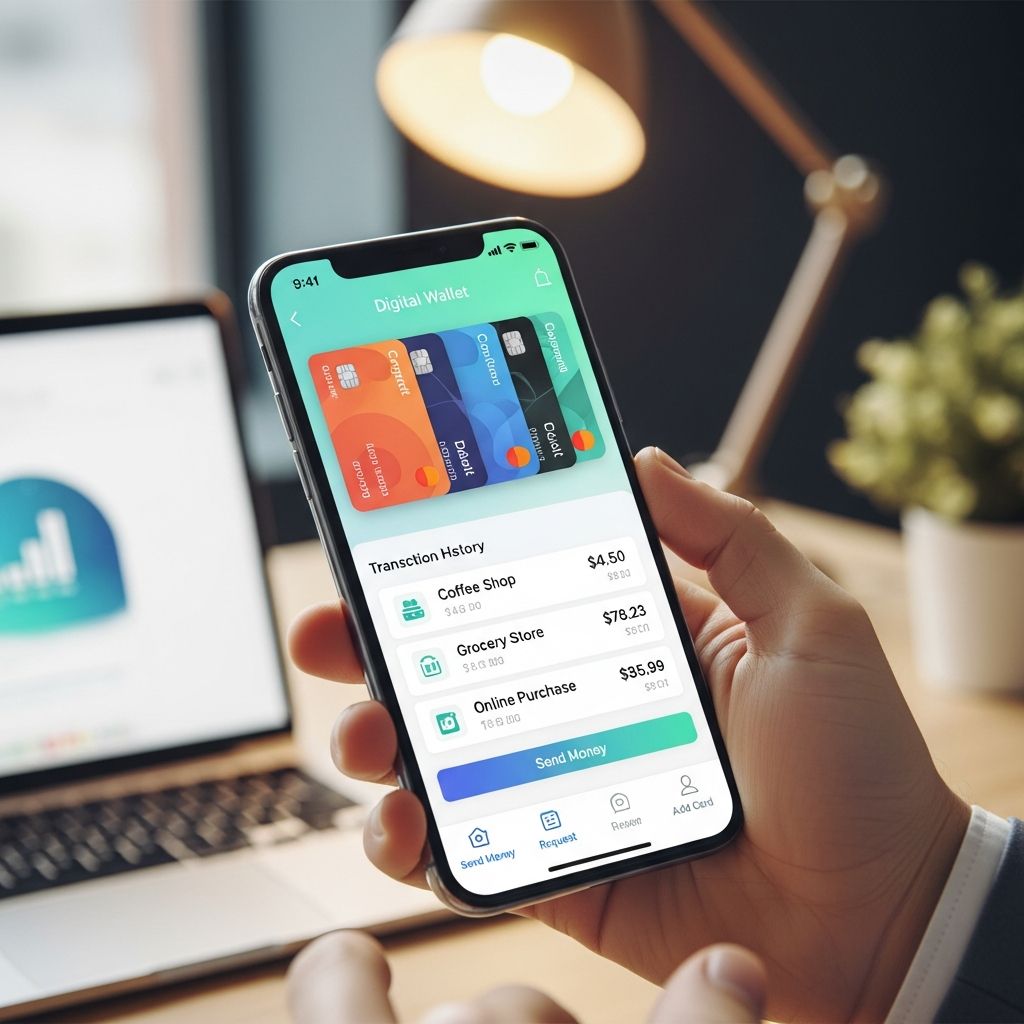
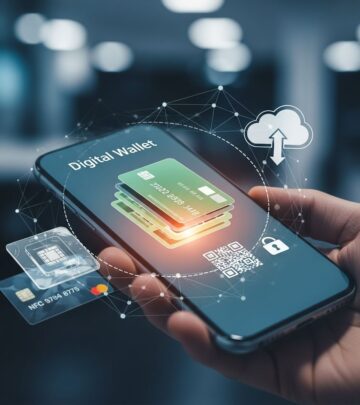
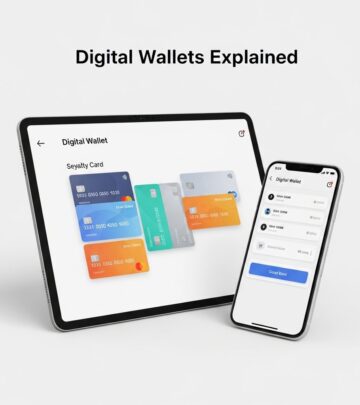
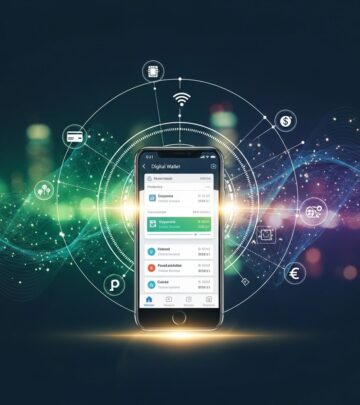
Digital wallets, also known as virtual or mobile wallets, are software applications that enable users to make purchases directly from smart devices like smartphones, tablets, or computers without relying on physical credit cards, debit cards, or cash. These innovative tools store payment information securely, allowing seamless transactions both online and in physical stores equipped with compatible readers. As smart devices become ubiquitous, digital wallets provide unparalleled accessibility and convenience, contributing to their surging popularity in everyday financial transactions.
The rise of digital wallets aligns with broader shifts toward contactless payments, accelerated by technological advancements and consumer demand for speed and security. Unlike traditional wallets, which hold physical cards and cash, digital versions digitize this process, often integrating with banking apps, ride-sharing services, and e-commerce platforms. Users can load funds from linked bank accounts or cards, making payments as simple as tapping a device. This article delves into how digital wallets function, their safety measures, benefits, drawbacks, and guidance on whether they suit your lifestyle.
How Does a Digital Wallet Work?
Setting up a digital wallet begins with downloading a compatible app from your device’s app store, such as Apple Pay, Google Pay, or Samsung Wallet. Once installed, users link their bank accounts, credit cards, debit cards, or even prepaid cards to the wallet. This process typically involves verifying identity through secure methods like SMS codes or biometric scans to prevent unauthorized access.
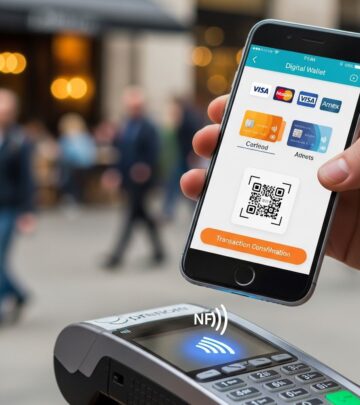
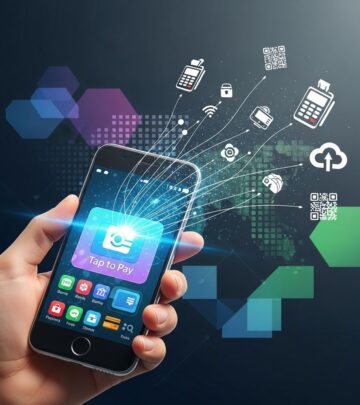
After setup, the digital wallet generates tokenized versions of your payment details. Tokenization replaces your actual card number with a unique digital token—a one-time-use identifier tied exclusively to the specific transaction or device. This ensures that merchants never receive your real financial information, minimizing fraud risks. For online shopping, selecting the digital wallet at checkout autofills payment details, streamlining the process. In physical stores, users hold their device near a contactless payment terminal, authenticating the transaction via fingerprint, face ID, or a PIN.
Beyond payments, many digital wallets support storing additional items:
- Transit cards for public transportation.
- Gift cards from retailers.
- Digital tickets for events like concerts or flights.
- Loyalty program cards for rewards accumulation.
- Identification documents in select regions.
This multifunctionality transforms your device into a comprehensive personal hub. For instance, during travel, you can access boarding passes, pay for rides, and redeem loyalty points all from one app, reducing the need to carry multiple physical items.
Are Digital Wallets Safe?
Security is a primary concern for digital wallet users, given the sensitive financial data involved. Reputable digital wallets employ robust encryption protocols, such as AES-256, to protect stored information. Instead of saving your full card details, the app uses tokenization services from networks like Visa Token Service or Mastercard Digital Enablement Service, which create device-specific tokens.
Additional safeguards include:
- Two-factor authentication (2FA): Requires a password, biometric scan, or one-time PIN for transactions.
- Device-level security: Integration with phone locks like PINs, patterns, fingerprints, or facial recognition.
- Remote wipe capabilities: Allows users to erase wallet data if a device is lost or stolen.
- Fraud alerts: Real-time notifications for suspicious activity.
Even if a hacker accesses a merchant’s database post-transaction, they only obtain the useless token, not your card number. Industry data from the Federal Reserve indicates that tokenized payments via digital wallets have significantly lower fraud rates compared to traditional card swipes—often under 0.1% for EMV chip transactions. However, users must maintain strong device security; a weak unlock password could expose the wallet. Enabling auto-lock and avoiding public Wi-Fi for setups further bolsters protection.
Pros of Digital Wallets
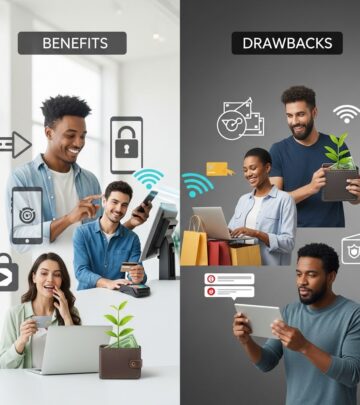
Digital wallets offer compelling advantages that appeal to tech-savvy consumers seeking efficiency in a fast-paced world.
Ultimate Convenience: Eliminate the hassle of digging for cards or counting cash. Payments take seconds, ideal for quick transactions at coffee shops or grocery stores. Online, one-tap checkouts save time and reduce errors from manual entry.
Variety of Options: With free apps like Apple Pay (pre-installed on iPhones), Google Pay (Android default), PayPal, and Venmo, users can select based on device ecosystem, merchant acceptance, or features. Some wallets, like Cash App, even support peer-to-peer transfers.
Exclusive Rewards and Incentives: Providers often partner with merchants for cashback, discounts, or points multipliers. For example, certain wallets offer 5% back on rideshares or boosted rewards at specific retailers, enhancing value beyond traditional cards.
Environmental and Hygiene Benefits: Going paperless reduces plastic waste from cards, and contactless taps minimize germ transmission, a boon post-pandemic.
Accessibility Features: VoiceOver support for visually impaired users and integration with wearables like smartwatches extend usability.
| Pro | Benefit | Example |
|---|---|---|
| Convenience | Fast payments | Tap phone at POS |
| Security | Tokenization | No real card shared |
| Rewards | Cashback offers | 3% on groceries |
| Versatility | Boarding pass + payment |
Cons of Digital Wallets
Despite strengths, digital wallets have limitations that may deter some users.
Limited Merchant Acceptance: While growing, not every store supports contactless payments. Rural areas or small businesses may lack NFC-enabled terminals, necessitating backup physical methods.
Risk of Overspending: Frictionless transactions can lead to impulse buys. Behavioral studies show consumers spend 12-18% more with digital payments due to reduced tactile feedback from cash.
Device Dependency: If your phone dies or is lost, payments halt until resolved. Battery drain from NFC use is another minor issue.
Security Tied to Device: A compromised phone unlocks everything. Phishing scams targeting wallet apps also pose risks.
Privacy Concerns: Transaction data shared with providers may fuel targeted ads, though regulations like GDPR limit this.
| Con | Drawback | Mitigation |
|---|---|---|
| Merchant Limits | Not universal | Carry backup card |
| Overspending | Easy access | Set spending limits |
| Tech Reliance | Battery/phone issues | Power bank |
| Security | Device vulnerability | Strong biometrics |
Is a Digital Wallet Right for Me?
Digital wallets suit those comfortable with technology, frequent shoppers at accepting merchants, and prioritizing speed/security. They’re ideal for urban dwellers using transit/apps but less so for cash-preferring seniors or remote areas.
To decide:
- Research Providers: Compare fees, supported cards, and rewards (e.g., Apple Pay vs. Google Pay).
- Monitor Spending: Use built-in trackers or link to budgeting apps.
- Check Compatibility: Ensure local stores support it; apps like NFC Checker verify.
- Prioritize Security: Update apps/OS, use biometrics, enable alerts.
- Start Small: Load minimal funds initially to test.
For families, shared wallets enable allowances; businesses use them for expense tracking. Ultimately, blend with physical options for flexibility.
Frequently Asked Questions (FAQs)
What are the most popular digital wallets?
Top options include Apple Pay, Google Pay, Samsung Wallet, PayPal, and Venmo, varying by device and region.
Can digital wallets replace my physical wallet entirely?
Not yet, due to merchant limits and non-digital needs like IDs, but they handle most payments.
Do digital wallets charge fees?
Most are free for users; peer-to-peer transfers may incur small fees.
How do I add a card to my digital wallet?
Scan or manually enter details, verify via bank code.
What if I lose my phone with a digital wallet?
Remote lock/erase via provider app; cards remain safe via tokenization.
References
- What Is a Digital Wallet? — Equifax. 2023. https://www.equifax.com/personal/education/personal-finance/articles/-/learn/what-is-a-digital-wallet/
- Payments Study 2024 — Federal Reserve. 2024-09-30. https://www.federalreserve.gov/paymentsystems/fr-payments-study.htm
- Tokenization Guidelines — PCI Security Standards Council. 2023-06-01. https://www.pcisecuritystandards.org/documents/Tokenization_Product_Security_Guidelines.pdf
- Mobile Wallet Consumer Trends — Consumer Financial Protection Bureau. 2024-03-15. https://www.consumerfinance.gov/data-research/research-reports/mobile-wallet-consumer-trends/
- EMV Contactless Payments Security — EMVCo. 2024. https://www.emvco.com/emv-technologies/contactless/
Similar Articles








Read full bio of Sneha Tete