What Is a Checkbook: Complete Guide to Checks and Banking
Learn everything about checkbooks, how to use them, and balance your account effectively.
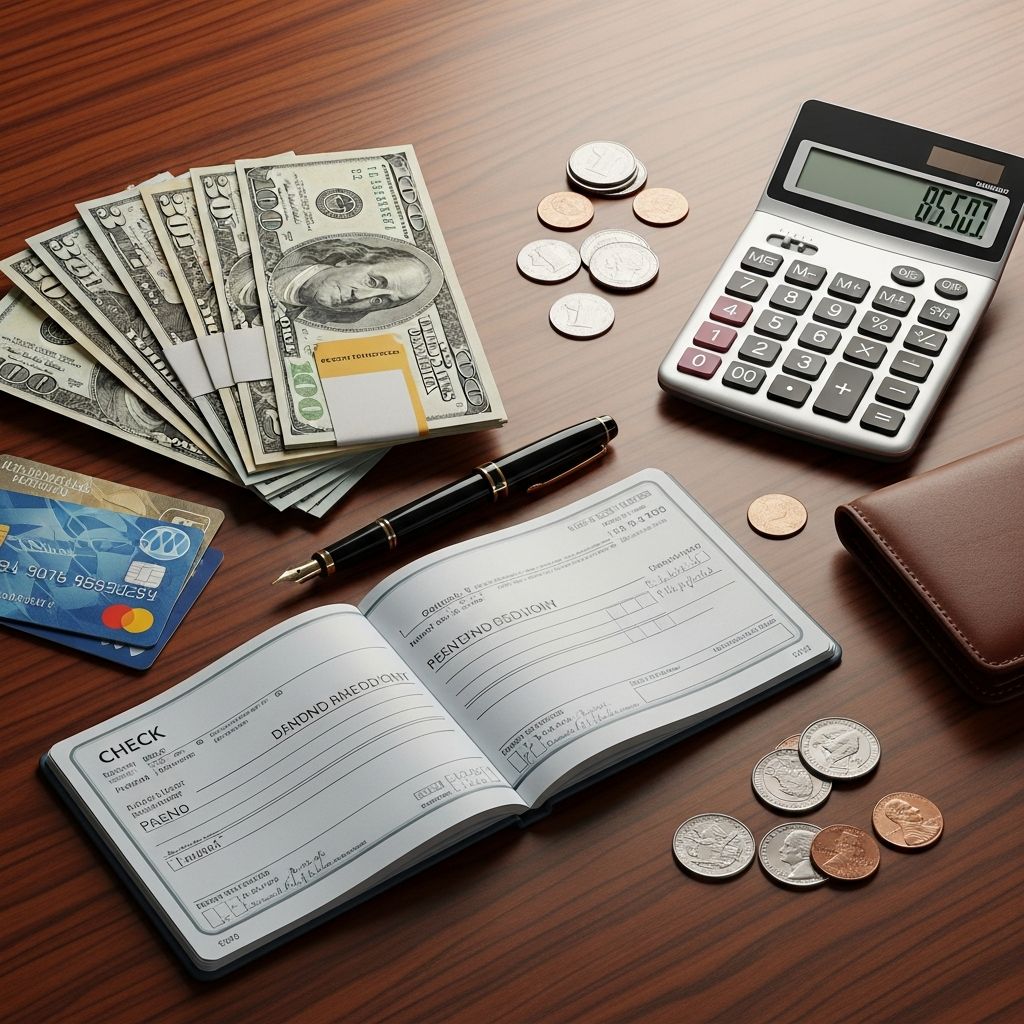
What Is a Checkbook: Understanding This Essential Banking Tool
A checkbook is one of the most fundamental financial tools available to anyone with a checking account. Despite the digital age transforming how we manage money, understanding what a checkbook is and how to use it remains essential for effective personal financial management. Whether you’re a longtime user or new to banking, knowing the ins and outs of checkbooks will help you maintain better control over your finances and avoid costly mistakes.
Understanding the Basics: What Is a Checkbook?
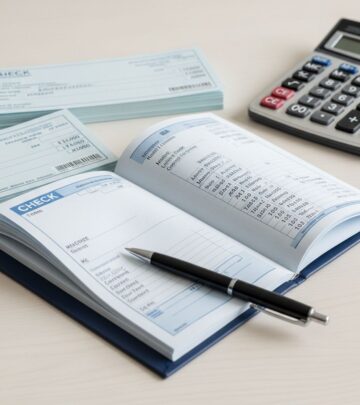
A checkbook is a bound booklet of blank checks provided by your bank when you open a checking account. Each check is a written order instructing your bank to transfer a specified amount of money from your account to the payee named on the check. The checkbook typically comes with a check register, a lined booklet designed to help you keep track of all your transactions, including checks written, deposits made, withdrawals taken, and debit card purchases.
The checkbook serves as a portable record of your financial transactions. It allows you to make payments without carrying large amounts of cash, provides proof of payment through canceled checks, and creates a paper trail for your financial records. When you write a check, you’re essentially providing the recipient with a guarantee that the funds exist in your account to cover the amount written on the check.
Components of a Checkbook
A complete checkbook system consists of several important components:
The Checks Themselves
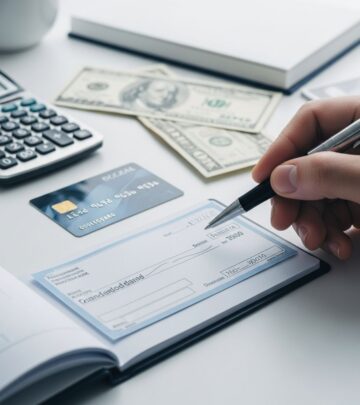
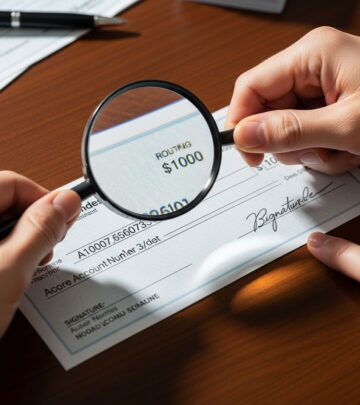
Each check contains several essential elements: your name and address, the bank’s routing number, your account number, the check number, a space for the payee name, the amount written both in numerical and word form, the date line, and a signature line. The check number helps you track which checks have been written and cleared.
The Check Register
This is where you record every transaction related to your checking account. The register provides columns for the check number, date, description of the transaction, and the amount withdrawn or deposited. It also includes a running balance column where you calculate your current account balance after each transaction.
Bank Statements
Your bank provides monthly statements showing all transactions that have cleared through your account. These statements include checks that have been cashed, deposits that have been processed, and any fees or interest charges applied to your account.
Why Checkbooks Still Matter in the Digital Age
Many people assume checkbooks are obsolete in our digital world, but they remain valuable for several important reasons. First, checks are still widely accepted for payments, particularly for rent, utilities, and business transactions. Second, checks provide a paper trail that can be crucial for tax purposes and dispute resolution. Third, maintaining a checkbook encourages financial discipline and awareness of your spending habits.
According to the U.S. Consumer Financial Protection Bureau, roughly one-quarter of American households have overdrawn their checking accounts at least once. Regularly balancing a checkbook can help prevent these costly overdrafts. Additionally, keeping detailed records through a checkbook register helps you catch fraudulent activity early and provides documentation if you need to dispute a transaction.
How to Use a Checkbook Properly
Using a checkbook correctly ensures you maintain accurate financial records and avoid banking errors. Here are the essential practices:
Recording Transactions Immediately
Every time you write a check, make a debit card purchase, withdraw cash from an ATM, or make a deposit, write it down in your check register immediately. Include the date, check number, description of the transaction, and the amount. This real-time recording prevents you from forgetting transactions and helps you maintain an accurate running balance.
Tracking All Types of Transactions
Don’t limit your register to just checks. Record online bill payments, automatic debit transactions, mobile deposits, debit card purchases, cash withdrawals, and direct deposits. Missing even one transaction can throw your entire balance calculation off.
Maintaining a Running Balance
After each transaction, update your running balance by adding deposits and subtracting withdrawals. This gives you an accurate picture of how much money you actually have available in your account at any given time. This is particularly important because your available balance differs from your current balance when you have outstanding checks that haven’t yet cleared.
The Importance of Balancing Your Checkbook
Balancing your checkbook, also known as reconciling your checking account, is one of the most important financial tasks you can perform. Despite its importance, approximately 40 percent of Americans don’t balance their checkbooks, and 20 percent don’t keep track of their finances at all.
Benefits of Regular Balancing
Balancing your checkbook provides numerous advantages. It prevents overdrafts by ensuring you know exactly how much money you have available. It helps you catch unauthorized transactions or bank errors immediately. It reduces financial stress by giving you a clear picture of your financial situation. It provides documentation for tax purposes and helps you identify areas where you might be overspending. Finally, balancing your checkbook gives you the confidence that your financial records are accurate and complete.
Balancing your checkbook each month within a day or two of receiving your statement will not only reduce your stress level, it will lessen the amount of time it takes to complete the task.
Step-by-Step Guide to Balancing Your Checkbook
The process of balancing your checkbook involves comparing your personal check register with your bank statement to ensure all transactions match. Here’s how to do it:
Step 1: Gather Your Materials
Collect your latest bank statement, your checkbook register, a piece of lined paper, and a pen or pencil. You may also want to use the reconciliation worksheet that typically appears on the back of your bank statement, as it provides a helpful template for the balancing process.
Step 2: Record Interest and Service Charges
In your checkbook register, enter all interest earned on your account if applicable. Also record any service charges, fees, or other deductions shown on your bank statement. If there are any corrections or credit amounts from the institution, record those as well.
Step 3: Verify All Deposits
Compare the deposits listed on your bank statement with those recorded in your check register. Verify that the amounts match exactly. If you find deposits in your register that don’t appear on the statement, these are likely pending deposits that haven’t processed yet. Make a list of these outstanding deposits and total them.
Step 4: Mark Cleared Checks
Review your bank statement to identify which checks have cleared. Place a check mark next to each cleared check in both your register and on the statement. Compare check numbers, dates, and dollar amounts to ensure everything matches.
Step 5: Verify All Withdrawals
Compare withdrawals on your bank statement with those in your register. This includes ATM withdrawals, debit card transactions, automatic bill payments, and other electronic transfers. Verify that all amounts match exactly. Keep your ATM receipts until you can verify them on your bank statement.
Step 6: Identify Outstanding Items
Make a list of all checks you’ve written that haven’t cleared yet, as well as any ATM or debit card withdrawals that don’t appear on your statement. These outstanding items represent money that has left your account according to your records but hasn’t yet been processed by the bank. Total these amounts separately.
Step 7: Create a Balancing Ledger
On a piece of lined paper, divide it into two columns. In the first column, list all outstanding deposits and calculate the total. In the second column, list all outstanding checks and withdrawals and calculate that total.
Step 8: Complete the Reconciliation Formula
Use this formula to balance your checkbook: Take the ending balance shown on your bank statement, add the total of outstanding deposits, and subtract the total of outstanding checks and withdrawals. The result should match your current balance in your checkbook register. If it does, your checkbook is balanced.
Understanding Your Bank Statement
Your bank statement is the key document for balancing your checkbook. It shows several important pieces of information: your current balance (the actual amount in your account), your available balance (money you can spend after accounting for pending transactions), your debit transaction history showing all withdrawals and purchases, and your credit transaction history showing all deposits.
Review your statement carefully for any surprises or erroneous transactions. If you notice unauthorized charges or discrepancies you can’t account for, contact your bank immediately to report potential fraudulent activity.
Common Mistakes to Avoid
Several common errors can throw off your checkbook balance. The most frequent mistake is failing to record all transactions, particularly small debit card purchases or ATM withdrawals that are easy to forget. Another common error is transposing numbers when recording amounts. Some people also forget to account for outstanding checks that haven’t cleared yet, causing them to overspend based on an inflated available balance.
Don’t confuse your current balance with your available balance. Your current balance shows money that has already cleared, while your available balance accounts for outstanding checks and pending transactions. If you have outstanding checks, your available balance is lower than your current balance.
Digital Alternatives to Paper Checkbooks
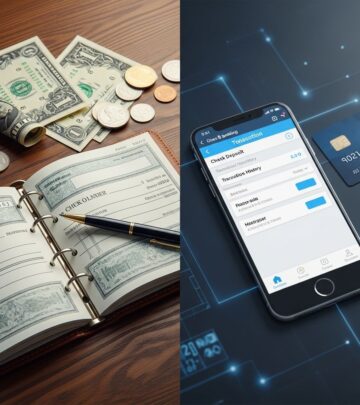
While traditional paper checkbooks remain useful, many banks now offer digital checking options. Online banking platforms allow you to view your account balance in real-time, receive alerts for transactions, and access your statement electronically. Mobile banking apps enable you to deposit checks by taking photos and track spending on the go. However, even if you primarily use digital banking, understanding the principles of checkbook management remains important.
Tips for Maintaining a Healthy Checking Account
To ensure your checking account serves you well, follow these best practices: balance your checkbook monthly or more frequently if you have numerous transactions. Keep all ATM receipts and bank statements for verification purposes. Set up overdraft protection with your bank to prevent bounced checks, though this typically comes with interest charges. Maintain a buffer in your account to avoid overdrafts, especially if your balance tends to run low by month’s end.
Review your transactions regularly for unauthorized activity. Keep old check registers and bank statements for tax purposes and as a personal financial record. Consider setting spending limits for debit card purchases to maintain better control of your finances.
Frequently Asked Questions
Q: Can I still get checks from my bank?
A: Yes, most banks continue to provide checkbooks to customers with checking accounts. You can order additional checks from your bank, or through third-party check printing companies, often at a lower cost.
Q: What should I do if I make a mistake on a check?
A: Never attempt to erase or cross out significant information on a check. Instead, write “VOID” across the check and start over. Record the voided check in your register and note it as such. This prevents any confusion or potential fraud.
Q: How long do checks take to clear?
A: Checks typically clear within one to three business days, depending on the banks involved and how the check was deposited. The Federal Reserve’s Check Clearing for the 21st Century Act allows banks to clear checks faster through electronic processing.
Q: Is it safer to pay bills by check or electronically?
A: Both methods are generally safe when proper precautions are taken. Checks provide a paper trail and proof of payment, while electronic payments offer faster processing and reduced risk of physical check theft. Choose based on your comfort level and the payee’s preferences.
Q: What happens if I bounce a check?
A: If you write a check for more money than you have in your account, the check will bounce (be returned unpaid). This typically results in overdraft fees from your bank and fees from the payee. Overdraft protection can prevent this but usually involves interest charges.
Q: How long should I keep old checks and bank statements?
A: Keep bank statements and corresponding checks for at least one year for verification and dispute purposes. For tax-related transactions, keep records for three to seven years as recommended by tax authorities.
References
- How to Balance Your Checkbook — Howcast. 2013. https://www.youtube.com/watch?v=4KLuuSY2UlQ
- 8 Simple Steps for Balancing Your Checkbook — Marquette Bank. https://emarquettebank.com/financial-education/articles-insights-for-you/eight-simple-steps-for-balancing-your-checkbook
- How to Balance a Checkbook — PNC Insights. https://www.pnc.com/insights/personal-finance/spend/how-to-balance-checkbook.html
- How to Balance a Checkbook — Dummies.com. https://www.dummies.com/article/business-careers-money/personal-finance/general-personal-finance/how-to-balance-a-checkbook-187228/
Similar Articles








Read full bio of medha deb