What Is A Cash Calendar And How To Use One
Discover how a simple cash calendar can transform your budget, prevent missed bills, and keep your money flowing smoothly all month.

What Is A Cash Calendar And How Can It Improve Your Budget?
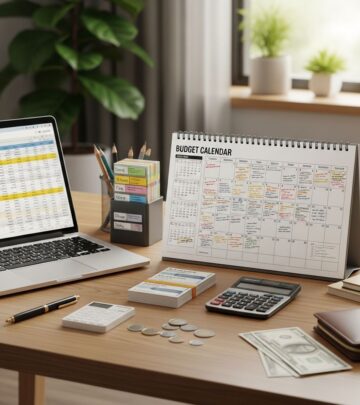
A cash calendar is a visual budgeting tool that helps you track exactly when money comes in and goes out of your account so you always know how much cash you have available on any given day.
Instead of guessing whether you can afford a purchase, your calendar shows your paydays, bill due dates, savings transfers, and debt payments in one clear snapshot. This makes it easier to avoid overdrafts, late fees, and that constant feeling of being behind on your money.
Why a cash calendar works so well
Traditional budgets focus on how much you’ll spend in a month, but they often ignore when that money leaves your account. A cash calendar fills this gap by highlighting the timing of every income and expense, which research shows is crucial for keeping bills current and avoiding delinquencies.
- Shows timing clearly: You can see which days are tight and which days have more breathing room.
- Reduces surprises: Recurring bills and irregular expenses are visible in advance.
- Supports better cash flow: Planning around due dates helps you avoid running out of money between paychecks.
What Is A Cash Calendar?
A cash calendar works like a regular calendar, except you use it to record your income dates, bill due dates, savings transfers, and debt payments. At a glance, you see what your bank balance should look like throughout the month if you stick to your plan.
On each day of the month you typically note:
- Income (paychecks, side hustle deposits, benefits)
- Bills (rent, utilities, subscriptions, insurance)
- Savings (emergency fund, retirement, sinking funds)
- Debt payments (credit cards, student loans, car loans)
The result is a calendar that acts as an overview of your finances, not just a list of numbers. Many people find the visual layout easier to follow than a spreadsheet, which can improve budgeting habits and reduce financial stress.
Main benefits of using a cash calendar
No more missed bills
If you rely on memory or scattered email reminders, it is easy to overlook a due date. A cash calendar keeps every bill visible, which can help you avoid late payments and the fees, penalties, and credit score damage that come with them.
- Every recurring bill is written on the calendar with its due date and amount.
- You can schedule payments to go out a few days before the due date.
- When you check your calendar weekly, it is hard to forget an upcoming bill.
Better money management
Many people feel like they “blow” their cash right after payday and then struggle at the end of the month. A cash calendar highlights these patterns, helping you manage your spending more intentionally.
- Compare paydays with clusters of bills to see which periods are tight.
- Spread discretionary spending across the month instead of front-loading it.
- Adjust subscription dates or bill due dates (where possible) to better match your pay schedule.
Reminders to put away your savings
Savings often gets forgotten if it is not scheduled. A cash calendar allows you to set regular appointments with yourself to “pay yourself first,” a strategy widely recommended in personal finance research because it increases savings rates over time.
- Choose fixed days for transfers to your emergency fund, retirement, or other goals.
- Treat savings like a bill that must be paid, not an optional extra.
- Use the calendar to plan higher savings in months with fewer expenses.
Tackle debt faster
A cash calendar can support structured debt payoff strategies like the debt snowball (paying the smallest balances first) or the debt avalanche (paying the highest interest rate debts first). Marking these payments on your calendar keeps you on track and shows when you can afford to send extra.
- List minimum payments on each due date.
- Mark potential extra-payment days when your cash flow is strongest.
- Track progress by crossing off each month’s debt payments as you complete them.
Who Can Benefit From A Cash Calendar?
A cash calendar can work for almost anyone, but it is especially useful for people whose financial situation requires precise planning or who juggle multiple obligations.
| Group | Key Challenges | How a Cash Calendar Helps |
|---|---|---|
| Single women | Single income, higher vulnerability to shocks | Plans bills and builds a strong emergency buffer |
| Mompreneurs & small business owners | Irregular income, business vs. personal expenses | Schedules client payments, supplier and tax deadlines |
| Students | Semester-based costs, loans, limited income | Tracks tuition, loan disbursements, and living costs |
Single women
Living on one income means you bear the full responsibility for rent or mortgage, utilities, groceries, and other bills. Research on financial resilience suggests that single adults benefit significantly from stronger emergency savings because they cannot rely on a partner’s income in a crisis.
A cash calendar can help you:
- Build a larger emergency fund, aiming for at least 12–18 months of essential expenses if your situation is high-risk (for example, unstable employment or dependents).
- Plan ahead for big annual expenses like insurance premiums, car repairs, and medical costs.
- Prioritize debt payoff while still protecting your savings cushion.
Mompreneurs and small business owners
Running a business from home often means mixing business and personal responsibilities. Irregular income and variable expenses can make cash flow difficult to manage, which is a common challenge reported by small business owners globally.
A cash calendar can help you:
- Track client payments and expected dates for invoices to clear.
- Schedule payments for suppliers, employees, and quarterly taxes so nothing is missed.
- Block out a day to pay yourself a salary, so you don’t neglect your own financial needs.
- Plan cash reserves for slower months, based on past income patterns.
Students
Students often have irregular income from part-time work or financial aid, combined with large, infrequent expenses like tuition and textbooks. Without a visual tool, it is easy to underestimate how quickly loan money or savings can disappear over a semester.
A cash calendar can help you:
- Mark semester dates, tuition due dates, and loan disbursement dates.
- Track when rent, utilities, and phone bills are due so they align with your income or aid deposits.
- Plan spending money for each month so you don’t run out before the term ends.
- Set small, regular savings goals to reduce reliance on high-interest credit cards.
How Does A Cash Calendar Work?
A cash calendar uses the core details of your financial life—income, bills, savings, and debts—to map your cash position across the month. Compared to traditional budgets or apps, it places equal emphasis on dates and amounts, which is especially useful for people who are visual planners.
The basic process is:
- Gather your financial information (pay dates, bills, debts, savings goals).
- Choose a calendar format (paper, digital, or an online calendar tool).
- Write every income and payment on the correct date.
- Estimate your running balance after each item.
- Review weekly and adjust as needed.
Over time, this routine helps you spot trends, such as recurring mid-month cash squeezes or certain expenses that always push you into overdraft. Adjusting your spending or moving due dates can reduce these pain points and support more stable finances.
How Do You Set Up A Cash Calendar?
Setting up a cash calendar is straightforward. Most people can create a simple version in under an hour. The key is accuracy and consistency.
Step 1: List your financial events
Collect all the dates and amounts that affect your bank account, including:
- Income dates: Paychecks, side hustles, benefits, pensions.
- Bills: Rent or mortgage, utilities, insurance, phone, internet, memberships, and subscriptions.
- Savings: Transfers to emergency fund, retirement accounts, and any sinking funds.
- Debt payments: Credit cards, student loans, auto loans, personal loans.
- Other recurring items: Childcare, transportation passes, tuition installments.
Step 2: Choose the calendar format
Decide whether you prefer a paper calendar on your wall, a digital planner, or an online calendar. The best format is the one you will consistently check and update.
Step 3: Fill in income first
Start by writing all your income dates on the calendar and the amounts you expect to receive. This creates a framework so you can see when money is available for bills and savings.
Step 4: Add fixed bills and debt payments
Next, add every recurring bill and debt payment on its due date. Mark both the name and the amount (for example, “Rent – $1,200”).
Step 5: Add savings and investing
Pick specific days to “pay yourself” by moving money into savings or investment accounts. Many people prefer to do this right after payday, which encourages consistent saving and aligns with the pay-yourself-first principle widely recommended by financial educators.
Step 6: Estimate running balances
Optionally, you can write an estimated running balance after each major transaction. This helps you see when your balance might dip too low, giving you time to adjust spending or move payments.
What Types Of Cash Calendars Are Available?
You can customize your cash calendar to match your style and tech preferences. There are three common types.
Paper-based calendar
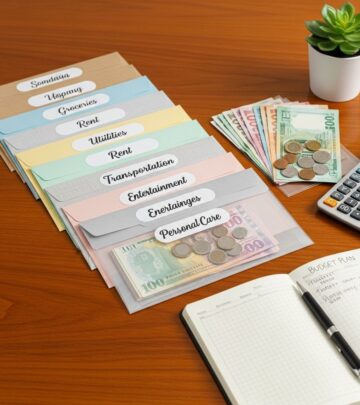
A paper cash calendar can be as simple as a wall calendar, planner, or notebook with monthly layouts. Many people like paper because it is tactile and always visible.
- Place it somewhere you see daily, such as your fridge or office wall.
- Use colored pens or highlighters for income, bills, savings, and debt.
- Cross off days as they pass to track your progress through the month.
Online or digital cash calendar
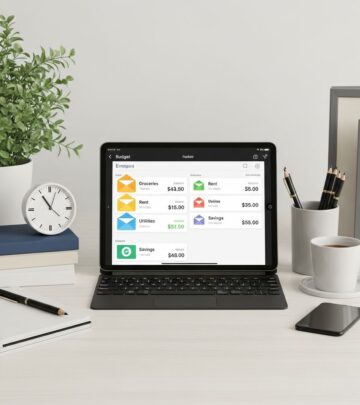
If you prefer digital tools, you can create a cash calendar using:
- Calendar apps (such as those on your phone or computer) where you create recurring events for bills and paydays.
- Spreadsheet templates set up in a monthly calendar layout.
- Budgeting software that includes calendar views for cash flow.
Digital calendars can send reminders and sync across devices, making it easier to stay on top of due dates even when you are busy.
Commit To The Cash Calendar For Best Results
A cash calendar works only if you use it consistently. The goal is to make it a regular part of your financial routine rather than a one-time project.
Build a monthly routine
- Choose a specific day each month (for example, the 1st, the first Monday, or your payday) to plan the upcoming month.
- Review last month’s calendar to see where things went off track.
- Update any changed bill amounts, new subscriptions, or income changes.
Check in weekly
- Spend 10–15 minutes each week matching your calendar to your bank transactions.
- Note any unplanned expenses and adjust the rest of the month.
- Confirm you have enough in your account for the next week’s bills and savings transfers.
Adjust as your life changes
Major life events—moving, changing jobs, starting a business, or going back to school—will change your cash flow. Update your cash calendar to reflect new income patterns and expense priorities, including emergency fund targets and debt payoff strategies.
Frequently Asked Questions (FAQs)
Q: How is a cash calendar different from a regular budget?
A: A regular budget focuses on how much you plan to earn and spend in a month, while a cash calendar focuses on when those amounts hit your account. Both are useful, but the calendar helps prevent mid-month cash shortages by mapping the exact timing of income and expenses.
Q: Do I still need a cash calendar if I already use a budgeting app?
A: Many budgeting apps summarize your spending but don’t always make the timing of bills and income obvious. Adding a cash calendar—on paper or digitally—can complement your app by giving you a clear day-by-day view of your cash flow.
Q: How often should I update my cash calendar?
A: At minimum, update it once a month when you plan your budget. For best results, review it weekly to check off paid bills, add unexpected expenses, and confirm you have enough for upcoming payments.
Q: What if my income is irregular?
A: If you have variable income, a cash calendar is especially helpful. Start by estimating conservative income based on your lowest typical month, plan your essential bills around that, and then add extra savings or debt payments only after that income arrives.
Q: Can I use a cash calendar for both personal and business finances?
A: Yes, but it is usually best to keep them separate. Create one calendar for your personal bills and savings, and another for business income, expenses, and taxes. This separation supports clearer records and can simplify tax reporting for small businesses.
References
- Consumer Financial Protection Bureau: Your emergency fund — Consumer Financial Protection Bureau. 2024-01-10. https://www.consumerfinance.gov/about-us/blog/your-emergency-fund/
- What is a credit card penalty or late fee? — Consumer Financial Protection Bureau. 2023-03-07. https://www.consumerfinance.gov/ask-cfpb/what-is-a-credit-card-penalty-or-late-fee-en-39/
- Getting a handle on debt — Federal Trade Commission. 2023-05-02. https://consumer.ftc.gov/articles/getting-handle-debt
- Small Business Cash Flow — U.S. Small Business Administration. 2023-08-15. https://www.sba.gov/article/2023/feb/01/small-business-cash-flow
Similar Articles








Read full bio of medha deb