What Is a Bank?
Discover the essential role of banks in managing money, from deposits and loans to digital services that power everyday finance.
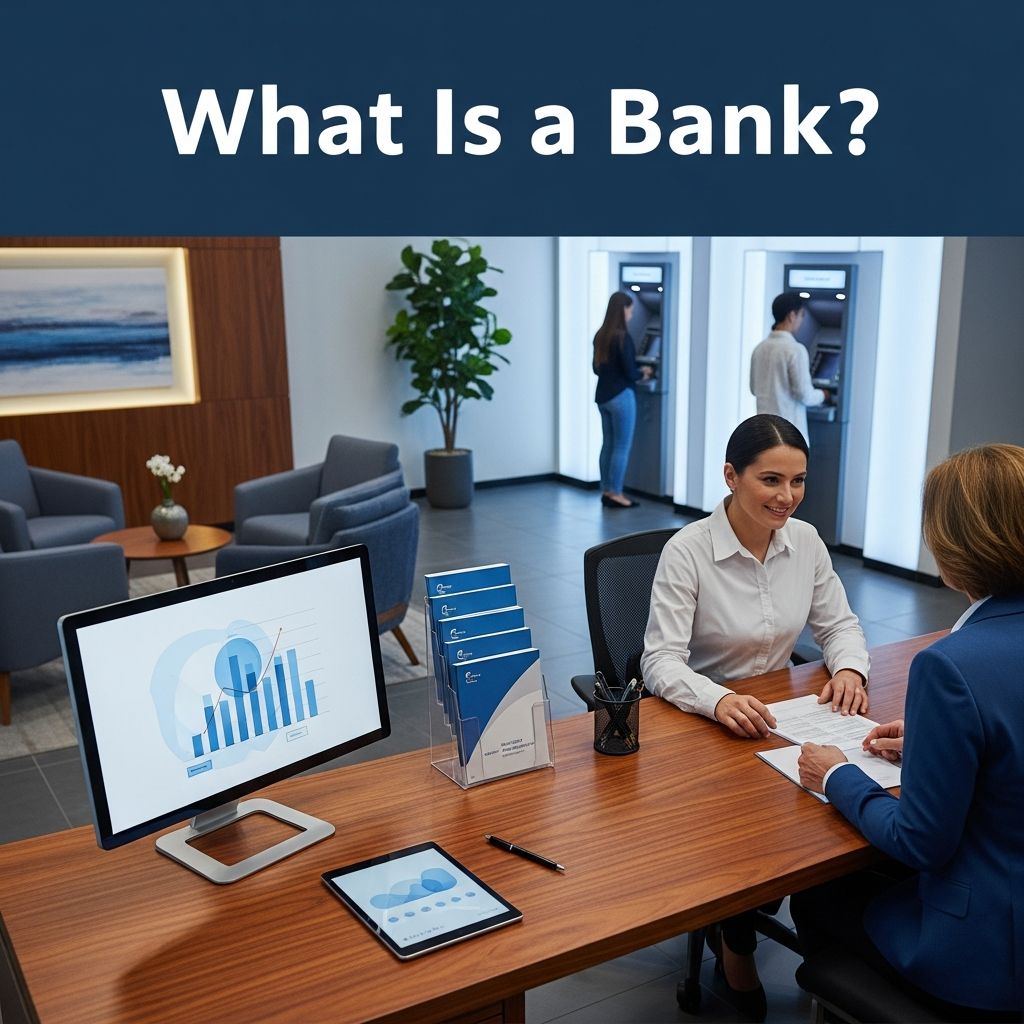
Banks serve as the backbone of modern financial systems, acting as intermediaries that connect individuals with excess funds to those needing capital. They accept deposits from savers, lend money to borrowers, and provide a range of services to facilitate transactions and wealth management. This comprehensive guide delves into the mechanics of banking, exploring everything from core functions to account types, regulatory frameworks, and practical advice for consumers.
The Fundamental Role of Banks in the Economy
At their core, banks pool resources from depositors to create a reservoir of funds available for lending. This process fuels economic activity by enabling businesses to expand and individuals to purchase homes or vehicles. Banks pay interest to depositors as compensation for using their money, while charging higher interest rates on loans to generate profit. For instance, if a bank offers 3% annual interest on a $100 savings deposit, it adds $3 to the account over a year.
This intermediary function is crucial because it mitigates the risk for individual savers. Instead of lending directly to unknown borrowers, depositors benefit from the bank’s diversified loan portfolio and regulatory safeguards. Banks maintain reserves—a portion of deposits not lent out—to ensure liquidity for withdrawals, as required by law.
How Banks Generate Revenue
Banks profit primarily through the spread between deposit interest rates and loan interest rates, supplemented by fees for services like wire transfers or overdrafts. Some interest earned from loans is redistributed to savings accounts, creating a cycle that incentivizes saving. Digital innovations have expanded revenue streams, including charges for premium apps or investment advice.
- Interest Spread: Core profit from borrowing low and lending high.
- Service Fees: Charges for maintenance, ATM use, or account enhancements.
- Investment Services: Commissions from wealth management or credit card programs.
Types of Banks and Financial Institutions
Banks vary by their target customers and operational focus. Commercial banks cater to individuals and small businesses, offering everyday accounts and loans. Investment banks specialize in capital raising for corporations, while retail banks emphasize consumer services.
| Type | Primary Customers | Key Services |
|---|---|---|
| Commercial Banks | Individuals, Small Businesses | Checking/Savings Accounts, Personal Loans, Debit Cards |
| Online Banks | Tech-Savvy Users | 24/7 Digital Access, High-Yield Savings |
| Credit Unions | Members (e.g., Employees) | Non-Profit Accounts, Lower Fees |
Online-only banks provide convenience without branches, often boasting higher savings rates due to lower overhead.
Core Banking Services Explained
Deposit Accounts
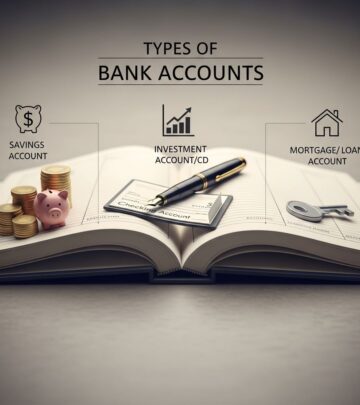
Checking accounts function as daily transaction hubs, allowing deposits via cash, checks, or direct deposit, and withdrawals through debit cards or bills pay. Savings accounts prioritize growth, earning interest while limiting frequent withdrawals to encourage long-term saving.
- Direct deposits for paychecks.
- Bill payments online or via app.
- ATM access for cash needs.
Loans and Credit Products
Banks extend credit for purchases like homes (mortgages), cars, or education. Borrowers repay principal plus interest, with rates influenced by credit scores and market conditions. Personal loans offer flexibility for debt consolidation or emergencies.
Digital and Convenient Access
Modern banking transcends branches with mobile apps for transfers, balance checks, and even loan applications. ATMs, networked across institutions, enable 24/7 operations, including deposits and payments. Online platforms allow global transactions securely.
The Process of Establishing a Bank
Launching a bank requires rigorous oversight. Organizers apply for a charter from state or federal regulators, such as a state banking commission. The application undergoes review for applicant integrity and financial viability, followed by public hearings. Approval demands substantial capital to absorb potential losses.
- Form a organizing group.
- Submit charter application with business plan.
- Undergo financial and character assessment.
- Secure approval and raise initial capital.
Federal charters, overseen by the Office of the Comptroller of the Currency (OCC), offer nationwide uniformity and flexibility for diverse services.
Regulatory Framework and Consumer Protections
Banks operate under strict regulations to maintain stability. The Federal Deposit Insurance Corporation (FDIC) insures deposits up to $250,000 per account, protecting against bank failures. Reserve requirements ensure liquidity, preventing runs on deposits.
National banks benefit from a centralized structure, promoting consistent standards across states. Consumers should verify FDIC insurance and review fee schedules before opening accounts.
Choosing the Right Bank for Your Needs
Selecting a bank involves balancing fees, interest rates, accessibility, and services. Consider branch proximity for in-person needs or digital prowess for remote management. Compare APYs on savings and minimum balance requirements.
- Fees: Monthly maintenance, overdraft, ATM.
- Rates: Savings yields vs. loan costs.
- Convenience: App quality, branch/ATM network.
- Extras: Rewards, financial tools.
Prioritize institutions with strong mobile banking for frequent travelers.
Interest Rates: The Driving Force
Interest rates define banking economics. Savings rates reward depositors, while loan rates compensate risk. Banks navigate Federal Reserve policies to adjust offerings competitively. High-yield online accounts often outpace traditional ones.
Emerging Trends in Banking
Fintech integrations like peer-to-peer payments and robo-advisors are reshaping services. Contactless payments and AI-driven fraud detection enhance security. Sustainable banking, focusing on green loans, gains traction as consumers prioritize ethics.
Frequently Asked Questions (FAQs)
What is the difference between a checking and savings account?
Checking accounts support frequent transactions with debit access, while savings accounts earn interest but limit withdrawals.
Are online banks safe?
Yes, if FDIC-insured, they offer equal protection with often better rates due to no physical branches.
How do banks make money from my deposits?
They lend most deposits at higher interest, retaining the difference after paying your rate.
What protects my money in a bank?
FDIC insurance covers up to $250,000, plus reserve requirements for liquidity.
Can I use another bank’s ATM?
Yes, via networks, though fees may apply; check reimbursement policies.
References
- Banking Basics — Federal Reserve Bank of Boston. Undated (educational PDF). https://www.bostonfed.org/-/media/Documents/education/pubs/banking2.pdf
- A Comprehensive Guide to Understanding Banking Basics — UBank. Undated. https://u.bank/blog/post/banking-101-a-comprehensive-guide-to-understanding-banking-basics
- Banking 101: An Introduction to Banking Services — Citi. 2026-02-27. https://www.citi.com/banking/personal-banking-guide/basic-finance/banking-101
- A Guide to the National Banking System — Office of the Comptroller of the Currency (OCC), GovInfo. 1999-05 (authoritative historical overview). https://www.govinfo.gov/content/pkg/GOVPUB-T12-PURL-LPS42735/pdf/GOVPUB-T12-PURL-LPS42735.pdf
- Banks and the Banking System – How They Help the Economy — YouTube (educational video). Undated. https://www.youtube.com/watch?v=hym4b0JZ4WY
Similar Articles








Read full bio of medha deb