50/30/20 Budget Rule: Simple Guide To Save More
Master your finances with the 50/30/20 rule: a simple framework for budgeting success.
Understanding the 50/30/20 Budget Rule
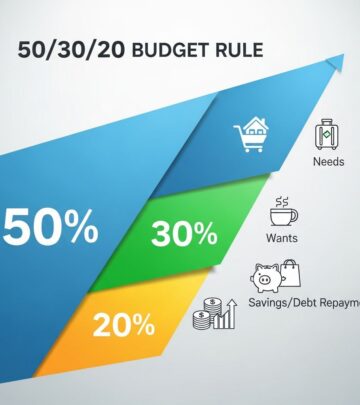
The 50/30/20 budgeting rule is one of the most straightforward and effective methods for managing your personal finances. This simple yet powerful framework helps you allocate your after-tax income into three distinct categories, making it easier to achieve financial stability and build wealth over time. Unlike complex budgeting systems that require extensive tracking and calculations, the 50/30/20 rule provides a clear, flexible approach that works for people at various income levels and life stages.
At its core, the 50/30/20 rule divides your monthly after-tax income (the money you actually receive after taxes and deductions) into three primary spending categories. This approach transforms budgeting from a restrictive chore into an empowering financial strategy that balances present enjoyment with future security.
Breaking Down the Three Categories
The 50% for Needs
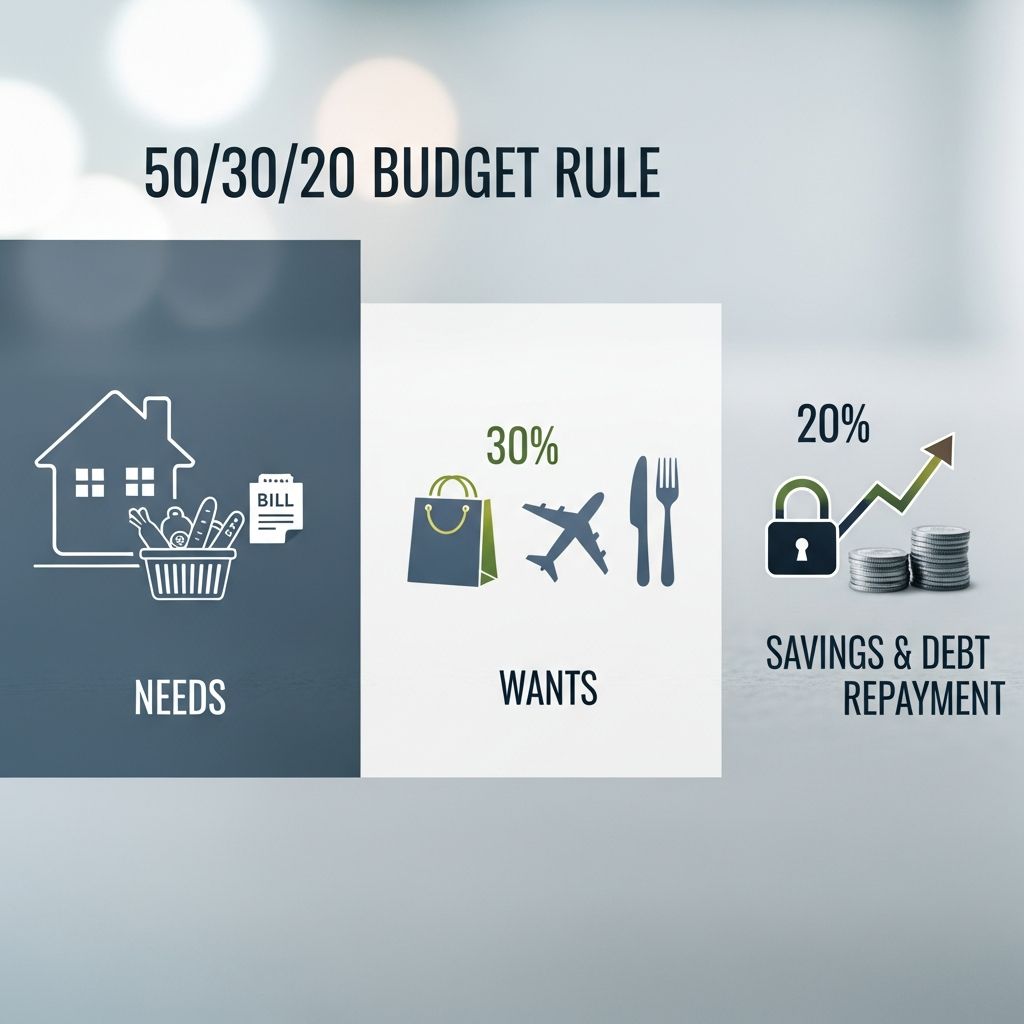
The first half of your after-tax income should be dedicated to essential expenses—the costs you absolutely must pay to survive and maintain basic living standards. These non-negotiable expenses form the foundation of your budget and include critical items such as rent or mortgage payments, property taxes, utilities, groceries, transportation costs, insurance premiums, and minimum debt payments on loans.
Needs are expenses that directly impact your ability to maintain shelter, health, safety, and basic functionality. Without allocating sufficient funds to these categories, you risk serious consequences including homelessness, health crises, or legal troubles. The key distinction between needs and wants comes down to necessity: if you absolutely must pay for it to survive and function in society, it qualifies as a need.
Common examples of needs include:
- Rent or mortgage payments
- Property taxes and homeowners insurance
- Utility bills (electricity, water, gas)
- Groceries and basic food expenses
- Vehicle payments or public transportation
- Health insurance and medical expenses
- Minimum loan payments
- Childcare services (if necessary for work)
The 30% for Wants
The second thirty percent of your after-tax income is allocated to wants—the discretionary expenses that enhance your lifestyle and bring enjoyment but are not essential for survival. This category acknowledges that financial health includes quality of life and personal satisfaction, not merely bare survival. Wants include entertainment, dining out, subscriptions, hobbies, vacation travel, and other lifestyle enhancements that make life more enjoyable.
This portion of your budget recognizes an important psychological reality: overly restrictive budgets often fail because people rebel against constant deprivation. By intentionally allocating 30% to wants, you create guilt-free spending room that actually makes budgeting more sustainable long-term. You can enjoy restaurant meals, streaming services, hobbies, and entertainment knowing these expenses fit within your planned budget.
Typical wants include:
- Dining out and entertainment
- Streaming services and subscriptions
- Hobbies and recreational activities
- Vacation and travel expenses
- Shopping for non-essential items
- Gym memberships beyond basic health needs
- Concert and event tickets
- Coffee shop purchases and treats
The 20% for Savings and Debt Repayment
The final twenty percent of your after-tax income goes toward building your financial future through savings and strategic debt repayment. This category includes contributions to emergency funds, retirement accounts, investment accounts, and accelerated payments on high-interest debt such as credit cards or personal loans beyond the minimum required payments.
This portion represents your ticket to financial freedom and long-term security. By consistently allocating twenty percent to these purposes, you create a powerful wealth-building mechanism that compounds over time. Even modest amounts saved regularly can grow substantially through compound interest and investment returns.
Savings and debt repayment activities include:
- Emergency fund contributions
- Retirement account deposits (401k, IRA)
- Investment account funding
- Extra payments on credit card debt
- Personal loan accelerated payments
- College savings plans
- Down payment savings for major purchases
Why the 50/30/20 Rule Works
The 50/30/20 budgeting rule has gained widespread popularity among financial advisors and personal finance experts for several compelling reasons. First, it provides remarkable simplicity—you only need to remember three percentages and three categories. This simplicity makes it accessible to everyone from teenagers managing their first paycheck to high-income professionals seeking financial organization.
Second, the rule offers flexibility that adapts to individual circumstances. Unlike rigid budgets that fail when life circumstances change, the 50/30/20 framework serves as a flexible guideline rather than an inflexible mandate. You can adjust percentages slightly if your situation demands it while maintaining the underlying principle of balanced financial management.
Third, this approach balances immediate gratification with future security. By explicitly allocating thirty percent to wants, you acknowledge that life involves enjoyment, not just survival and saving. This psychological balance makes the budget sustainable over months and years rather than failing after a few weeks of deprivation.
Finally, the rule focuses your attention on what matters most: distinguishing between necessities and luxuries, and consistently building wealth through savings and debt reduction. This focus naturally leads to better financial decision-making across all spending categories.
Practical Example of the 50/30/20 Rule
Let’s examine how the 50/30/20 rule works in practice with a concrete example. Consider Sarah, who earns $60,000 annually and receives a monthly paycheck of $4,000 after taxes and deductions. Here’s how her 50/30/20 budget breaks down:
| Category | Percentage | Monthly Amount |
|---|---|---|
| Needs | 50% | $2,000 |
| Wants | 30% | $1,200 |
| Savings & Debt Repayment | 20% | $800 |
| Total | 100% | $4,000 |
With this breakdown, Sarah knows exactly how much she can comfortably spend in each area. Her $2,000 for needs covers rent ($1,200), utilities ($150), groceries ($400), transportation ($150), and insurance ($100). Her $1,200 wants budget allows for dining out ($300), streaming services ($80), hobbies ($400), entertainment ($250), and personal shopping ($170). Finally, her $800 savings and debt repayment fund goes toward building emergency savings ($300), retirement contributions ($400), and extra credit card payments ($100).
This clear structure transforms financial management from overwhelming to straightforward. Sarah can make spending decisions confidently because she understands her financial boundaries.
Implementing Your Own 50/30/20 Budget
Start with Your After-Tax Income
The foundation of any 50/30/20 budget is understanding your after-tax income—the actual amount that deposits into your bank account. This is critical: do not budget using your gross income. Your gross income (before taxes) is larger than what you actually have available to spend. Using gross income leads to unrealistic budgets and inevitable failure. Calculate your true take-home pay by checking recent pay stubs or account deposits.
Honestly Categorize Your Expenses
Next, review your spending patterns and honestly categorize expenses as needs, wants, or savings. This step requires brutal honesty. That daily coffee shop visit? Probably a want. The gym membership you rarely use? Also a want. Distinguishing between needs and wants can be tricky because context matters. Is streaming essential entertainment? Is eating out necessary or discretionary? The question to ask: would I die or lose my home without this expense? If the answer is no, it’s likely a want.
If you discover your needs consistently exceed fifty percent, you face a genuine problem that demands attention. This signals either that your living costs are unsustainably high or that you’re miscategorizing wants as needs. Address this by seeking lower housing costs, reducing transportation expenses, or potentially increasing your income.
Automate Your Savings
One of the most powerful strategies for making the 50/30/20 rule work is automation. Set up automatic transfers from your checking account to your savings or investment accounts on payday. This automation ensures savings happen before you can spend the money, applying the psychological principle of “out of sight, out of mind.” When you don’t see the money in your checking account, you don’t miss it or spend it.
Track Your Initial Spending
While you won’t need to track every penny forever, spending the first month or two meticulously documenting where money goes provides invaluable insight. Use a budgeting app, spreadsheet, or even a notebook to record all expenses. This tracking reveals spending patterns you might not notice otherwise and helps you understand if your budget percentages match reality. Many people are shocked by how much they spend on certain want categories once they track consciously.
Maintain Flexibility
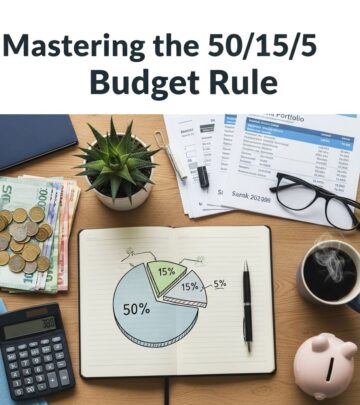
Remember that the 50/30/20 rule is a guideline, not a rigid law. Life happens—car repairs emerge unexpectedly, health expenses arise, or family situations change. Some months you might spend more on wants while other months you might save more. The goal is progress, not perfection. However, if you consistently find yourself off-track in specific categories, you may need to adjust your percentages slightly to fit your unique situation. Always aim for that twenty percent savings and debt repayment minimum, but be willing to adapt the needs and wants percentages if your circumstances genuinely demand it.
Prioritize High-Interest Debt
If you carry high-interest debt like credit cards or personal loans, consider allocating a larger portion of your twenty percent savings category toward aggressive debt repayment. Paying down high-interest debt quickly is often the fastest way to free up more money for savings and wants in the long run. The interest you avoid by eliminating debt quickly often exceeds investment returns, making debt elimination strategically smart.
Adapting the 50/30/20 Rule to Your Situation
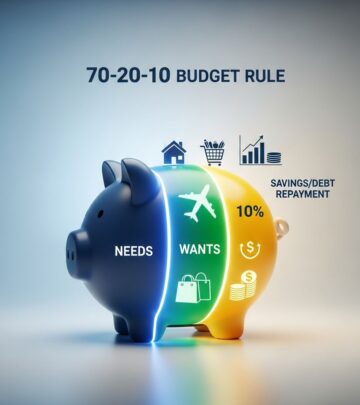
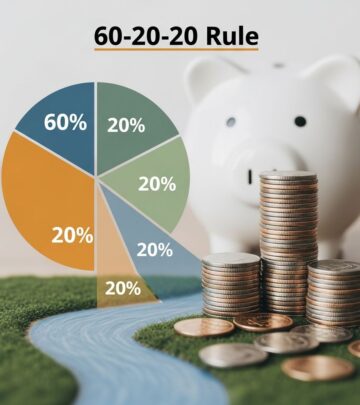
While the 50/30/20 rule provides an excellent framework for most people, your unique circumstances might warrant adjustments. If you’re in a high-income bracket, you might comfortably increase your wants allocation to thirty-five or forty percent while still maintaining strong wealth-building through savings. Conversely, if you’re struggling with student loans or living in an expensive housing market, you might need to allocate sixty or sixty-five percent to needs temporarily.
The key is maintaining the underlying principle: ensuring needs are covered, allowing reasonable wants, and consistently building savings and eliminating debt. The specific percentages matter less than the discipline and consciousness about how you allocate your money.
Frequently Asked Questions
Q: What exactly counts as after-tax income?
A: After-tax income is the amount deposited into your bank account after all taxes, Social Security, Medicare, and retirement plan contributions are deducted from your paycheck. Check recent pay stubs to identify this amount accurately.
Q: What if my needs exceed fifty percent of my income?
A: If needs consistently exceed fifty percent, examine whether you’re miscategorizing wants as needs, whether your housing costs are too high, or whether your income is insufficient for your area. Consider increasing income, reducing housing costs, or temporarily adjusting the percentages until your situation improves.
Q: Can I adjust the percentages for my situation?
A: Yes, the 50/30/20 rule is a flexible guideline. You can adjust percentages based on your unique circumstances, though you should strive to maintain at least twenty percent for savings and debt repayment whenever possible.
Q: How do I track my spending with this method?
A: Use budgeting apps, spreadsheets, or a simple notebook to categorize expenses into needs, wants, and savings. Track meticulously for the first one to two months, then review spending patterns and adjust as needed.
Q: Should I include debt minimum payments in my needs?
A: Yes, minimum debt payments are essential expenses in the needs category. Extra payments beyond minimums go into the savings and debt repayment category as accelerated debt payoff.
Q: Is the 50/30/20 rule effective for low-income earners?
A: The rule can still provide a useful framework for low-income earners, though needs might exceed fifty percent. The principle of balancing essential expenses, some discretionary spending, and savings remains valuable even when percentages require adjustment.
References
- The 50/30/20 Rule Explained: A Beginner’s Guide to Effortless Budgeting — Easy Finance Insights. 2025-10-14. https://easyfinanceinsights.wordpress.com/2025/10/14/50-30-20-rule-budgeting-guide/
- Smart Budgeting for Kids: The 50/30/20 Rule Explained — Liv Hospital. 2025-11-06. https://int.livhospital.com/50-30-20-rule-budgeting-for-kids/
- The 50/30/20 Budgeting Rule Explained — RBF Capital. 2022-04-12. https://www.rbfco.com/2022/04/12/the-50-30-20-budgeting-rule-explained/
Similar Articles








Read full bio of Sneha Tete