What Happens When Your Bank Account Is Frozen?
Learn why bank accounts get frozen, what it means for your money, and the key steps you can take to resolve the freeze and protect your finances.
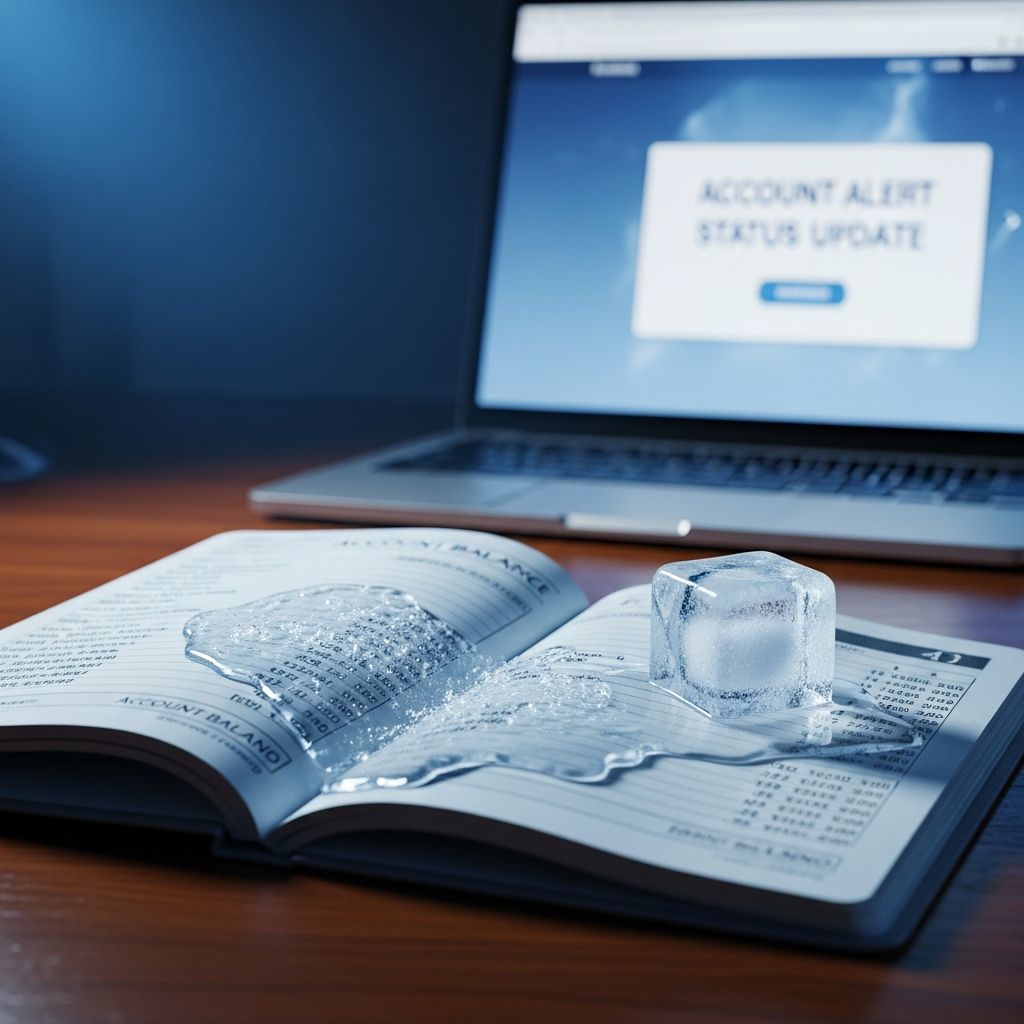
A frozen bank account can be a shock: payments bounce, cards are declined, and you may suddenly lose access to money you rely on for everyday expenses. Understanding why accounts are frozen, what your rights are, and how to respond quickly can limit the damage and help you regain control of your finances.
This guide explains how bank account freezes work, the most common reasons they happen, how long they may last, and practical steps to unfreeze your account and protect your money.
What Does It Mean When a Bank Account Is Frozen?
When a bank account is frozen, the financial institution restricts most or all transactions on the account. You typically cannot withdraw cash, write checks, transfer funds, or use your debit card, even though the account may still show a balance.
According to legal guidance on garnishment, a freeze is usually triggered by a court order, creditor action, suspected fraud, or regulatory issues, and the bank is required to comply once notified.
| What You Can't Do | What You Might Still Do |
|---|---|
|
|
It is important to distinguish between a frozen account and a closed account:
- A frozen account still exists, but access is restricted until the underlying issue is resolved.
- A closed account is permanently terminated; you cannot use it again and may need another account for future banking.
Why Do Bank Accounts Get Frozen?
Banks typically do not freeze accounts without a specific reason. The most common triggers include:
1. Court Judgments and Debt Collection
One of the leading reasons for a frozen bank account is a creditor trying to collect on a judgment after winning a lawsuit over an unpaid debt. Once the creditor obtains a court judgment, it can request a writ of garnishment or similar order instructing the bank to freeze your funds.
Typical debts that may lead to this type of legal action include:
- Credit card balances
- Medical bills
- Personal loans or lines of credit
- Past-due rent or other contract-based obligations
Legal guidance notes that many creditors must sue you in court and win before a bank account can be frozen for collection, though tax authorities and some government agencies can act under special rules.
2. Suspected Fraud or Unusual Activity
Banks are required under anti-money-laundering and consumer protection laws to monitor accounts for suspicious or unauthorized activity. If your bank notices transactions that look unusual for your account or suspects fraud, it may place a temporary hold to protect you and comply with regulations.
Examples include:
- Large or sudden transfers to unfamiliar recipients
- International transactions outside your usual pattern
- Multiple failed login attempts or access from unusual locations
- Reports of stolen cards or identity theft
In these cases, a quick conversation with the bank and verification of recent transactions may resolve the freeze fairly quickly.
3. Government Levies and Tax or Child Support Debts
Government agencies may have the authority to levy (legally seize) funds from your account for certain debts, such as unpaid federal taxes or overdue child support, often without a traditional court lawsuit. The bank must comply once it receives a valid levy or order from the agency.
Common examples include:
- Internal Revenue Service (IRS) tax levies for unpaid federal taxes (U.S.)
- State tax agencies collecting state income or sales tax
- Child support enforcement agencies collecting past-due obligations
4. Regulatory or Compliance Issues
Accounts may also be frozen for compliance reasons, such as:
- Outdated or missing identification (failure to update KYC or address information)
- Sanctions or anti-money-laundering investigations
- Unresolved discrepancies in account ownership or signatures
In these cases, providing requested documents or clarifying ownership can sometimes restore access within a few business days.
Do You Get Notice Before Your Account Is Frozen?
People are often surprised that they did not receive a warning before their money became inaccessible. In many debt collection cases, advance notice is not required before the bank executes a garnishment order.
Here is what typically happens in a creditor garnishment scenario:
- The creditor sues you and obtains a judgment in court.
- The creditor asks the court for a writ of garnishment or similar order.
- The court issues the order and sends it directly to your bank.
- The bank freezes your account before telling you about the order.
After the freeze, both the bank and the creditor usually must notify you and explain your rights, including which types of funds may be protected from collection.
What Happens to Your Money When the Account Is Frozen?
Once a freeze takes effect, your existing balance remains in the account but is generally unavailable for use. Depending on the circumstances, any new deposits you make may also become part of the frozen balance.
Deposits and Ongoing Transactions
In a garnishment-based freeze, banks may still accept deposits, but those funds can be frozen and eventually applied to the debt being collected. This can create a serious cash-flow problem if your paycheck or government benefits continue to go into the frozen account.
Automatic payments and checks present additional risks:
- Scheduled online bill payments are likely to fail while the account is frozen.
- Checks you wrote before the freeze may bounce, leading to non-sufficient funds (NSF) fees.
- Merchants may charge late fees or penalties if automatic payments fail.
Consumer advocates note that you can ask the bank to waive or refund NSF fees that arise directly because of the freeze.
Protected or Exempt Funds
In many jurisdictions, certain funds are legally protected from garnishment, such as some government benefits, Social Security, or specific pension payments. Banks and courts follow detailed rules to determine how much, if any, of those funds must remain available to you.
If you believe some of your money is exempt, you may need to notify the bank or file a claim in court to have those funds released, especially if they remain frozen despite legal protections.
How Long Can a Bank Account Stay Frozen?
The duration of a freeze depends on the underlying reason:
- Fraud or suspicious activity: If you quickly verify your identity and confirm transactions, the bank may lift the freeze within hours or a few business days.
- Missing documentation: Once you submit required ID or forms, reactivation may take 1–3 business days in typical cases.
- Creditor garnishment or government levy: The account may remain frozen until the debt is paid, you negotiate a resolution, the court modifies the order, or you pursue legal remedies such as bankruptcy.
Because banks must follow court and agency instructions, they generally cannot release the funds on their own until the legal basis for the freeze changes or expires.
What to Do Immediately When Your Bank Account Is Frozen
Acting quickly can reduce fees, protect essential funds, and help you regain access sooner. Legal and financial guidance typically recommends the following steps.
1. Contact Your Bank Right Away
Your first move should be to ask the bank why the account is frozen and what kind of order or internal hold is in place.
Questions to ask include:
- What is the specific reason for the freeze (fraud, court order, levy, documentation)?
- Is there a case or reference number for any court or government order?
- Which transactions are blocked, and are any funds still available?
- What documentation does the bank need from you, if any?
2. Identify and Stop Automatic Payments
If the freeze will not be resolved within a day or two, you should stop automatic debits and redirect deposits to avoid bounced payments and loss of income.
- Update your payroll or direct deposit instructions with your employer.
- Contact creditors and service providers to provide new payment details.
- Cancel or pause subscriptions tied to the frozen account where possible.
3. Review Your Legal Rights and Exemptions
Where a garnishment or levy is involved, your rights may include:
- Receiving notice of the freeze and an explanation of protected funds.
- Filing a claim with the court if exempt income (such as certain benefits) is frozen.
- Asking the bank to release exempt funds or reverse NSF fees related to the freeze.
Information from legal aid organizations and consumer law resources can help you understand the specific protections available in your state or country.
4. Consider Negotiating With Creditors or Seeking Legal Help
If a creditor has frozen your account through a judgment, you may need to either:
- Negotiate a payment plan or settlement directly with the creditor or its lawyer, or
- Consult a consumer law or bankruptcy attorney to explore your options.
Attorneys and legal aid organizations can help you:
- Challenge improper garnishments
- File motions to modify or dissolve a garnishment order
- Evaluate whether bankruptcy is appropriate if debts are unmanageable
How to Unfreeze a Bank Account
The steps to unfreeze your account depend on the specific cause. Expert guidance from financial and legal sources suggests a general framework.
Unfreezing After Suspected Fraud
If the bank froze your account for fraud concerns:
- Confirm recent transactions and identify any unauthorized activity.
- Provide copies of receipts or explanations for unusual payments.
- Work with the bank to dispute fraudulent charges and update login credentials.
- Request new debit or credit cards if your card data was compromised.
Once the bank is satisfied that the account is secure and activity is legitimate, it may remove the freeze, sometimes the same day or within a few business days.
Unfreezing Due to Missing Information or Dormancy
Some accounts are frozen because they have been inactive for long periods or because required identification documents are outdated. Banks typically ask you to:
- Submit valid ID (such as passport or national ID) and updated address or contact details.
- Sign reactivation or KYC (know-your-customer) forms online or at a branch.
Once documents are verified, reactivation may take between one and three working days, depending on the bank's internal processes.
Unfreezing After Creditor Garnishment
Garnishment-related freezes are more complex because the bank is bound by a court order.
Typical pathways include:
- Pay or settle the debt: You and the creditor agree on payment, and the creditor asks the court or sheriff to release the account.
- Challenge the garnishment: You file a motion with the court if the garnishment is improper or if exempt funds are frozen.
- Bankruptcy (where appropriate): Filing for bankruptcy can create an automatic stay that halts most collection actions, including bank levies, though specialized legal advice is essential before pursuing this step.
The exact process and timeline depend heavily on local law and the specific court order involved.
How to Protect Yourself if Your Account Is Frozen
Even though a freeze is disruptive, you can take practical steps to limit its impact and protect essential income.
1. Communicate Proactively With Billers and Employers
As soon as you learn of a freeze:
- Notify landlords, utilities, and lenders that you are resolving a banking issue.
- Ask if they can adjust due dates or temporarily waive late fees.
- Ensure your paycheck is redirected to a different account if legally allowed.
2. Open a New Account at Another Institution (If Permitted)
If you are facing ongoing garnishment or disputes with a particular bank, you may consider opening a new account at a different institution for future income and essential bill payments. Be aware that in some cases, new accounts may also be subject to garnishment if creditors locate them and obtain new orders.
3. Keep Records and Documentation
Maintain detailed records of:
- Notices from the bank, creditors, and courts
- Dates and times of calls and branch visits
- Copies of any forms or motions you file
Good documentation can help if you need to request refunds of fees, prove exempt funds, or demonstrate timelines to a judge or regulator.
Frequently Asked Questions (FAQs)
Q: Can I still deposit money into a frozen bank account?
In many cases, you can still make deposits, but the funds may be frozen along with the rest of the balance, especially if a garnishment order is in place. You may not be able to access newly deposited money until the freeze is lifted or a court releases exempt funds.
Q: Are any types of income protected if my account is frozen?
Certain types of income, such as some government benefits or Social Security, may be partially or fully exempt from garnishment under federal or state law. However, you may need to notify the bank or file a claim with the court to ensure protected funds are released.
Q: Will my bank tell me before it freezes my account?
Often you will not receive advance notice, especially in creditor garnishment situations. The bank usually complies with the court order first and then sends you a notice explaining that the account has been frozen and what steps you can take next.
Q: What happens to scheduled bill payments when my account is frozen?
Most outgoing payments, such as automatic debits and online bill pay, will fail while the account is frozen. You should contact your service providers promptly, update your payment information, and request waivers of late fees where appropriate.
Q: How quickly can I unfreeze my account if the issue is fraud?
If the freeze is due to suspected fraud, it may be lifted once you verify your identity and clarify which transactions are legitimate. Depending on the bank's processes and the complexity of the case, this can sometimes happen the same day or within a few business days.
References
- Why Is My Bank Account Frozen? Your Rights and Solutions — Nolo. 2024-03-15. https://www.nolo.com/legal-encyclopedia/frozen-bank-accounts.html
- My Bank Account Has Been Frozen: Now What? — TexasLawHelp.org. 2023-08-01. https://texaslawhelp.org/article/my-bank-account-has-been-frozen-now-what
- Understanding and resolving a frozen bank account — Business Insider. 2023-10-05. https://www.businessinsider.com/personal-finance/banking/frozen-bank-account
- Why Your Bank Account May Be Frozen—and What to Do About It — National Debt Relief. 2023-06-20. https://www.nationaldebtrelief.com/es/blog/financial-wellness/financial-education/why-your-bank-account-may-be-frozen-and-what-to-do-about-it/
- How to Legally Unfreeze a Frozen Bank Account — Law Office of David M. Offen. 2022-11-10. https://www.getfreeofbills.com/how-to-legally-unfreeze-a-frozen-bank-account/
- How to Activate a Frozen Bank Account — DBS Bank. 2022-09-01. https://www.dbs.bank.in/digibank/in/articles/save/activate-a-frozen-bank-account
Similar Articles








Read full bio of Sneha Tete