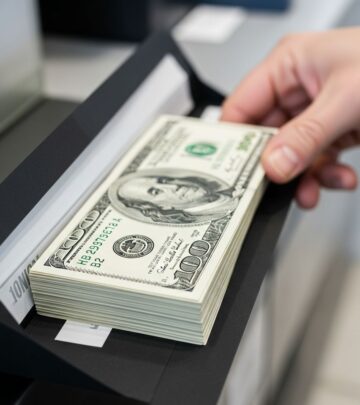
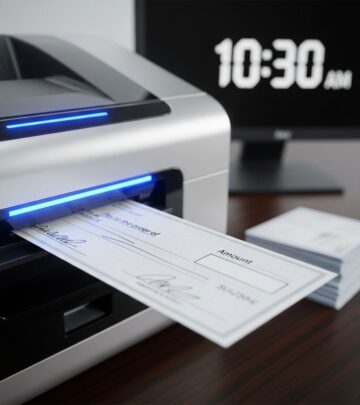
What Happens When You Deposit a Big Check
Discover the step-by-step process, hold times, and regulations behind large check deposits to access your funds faster.
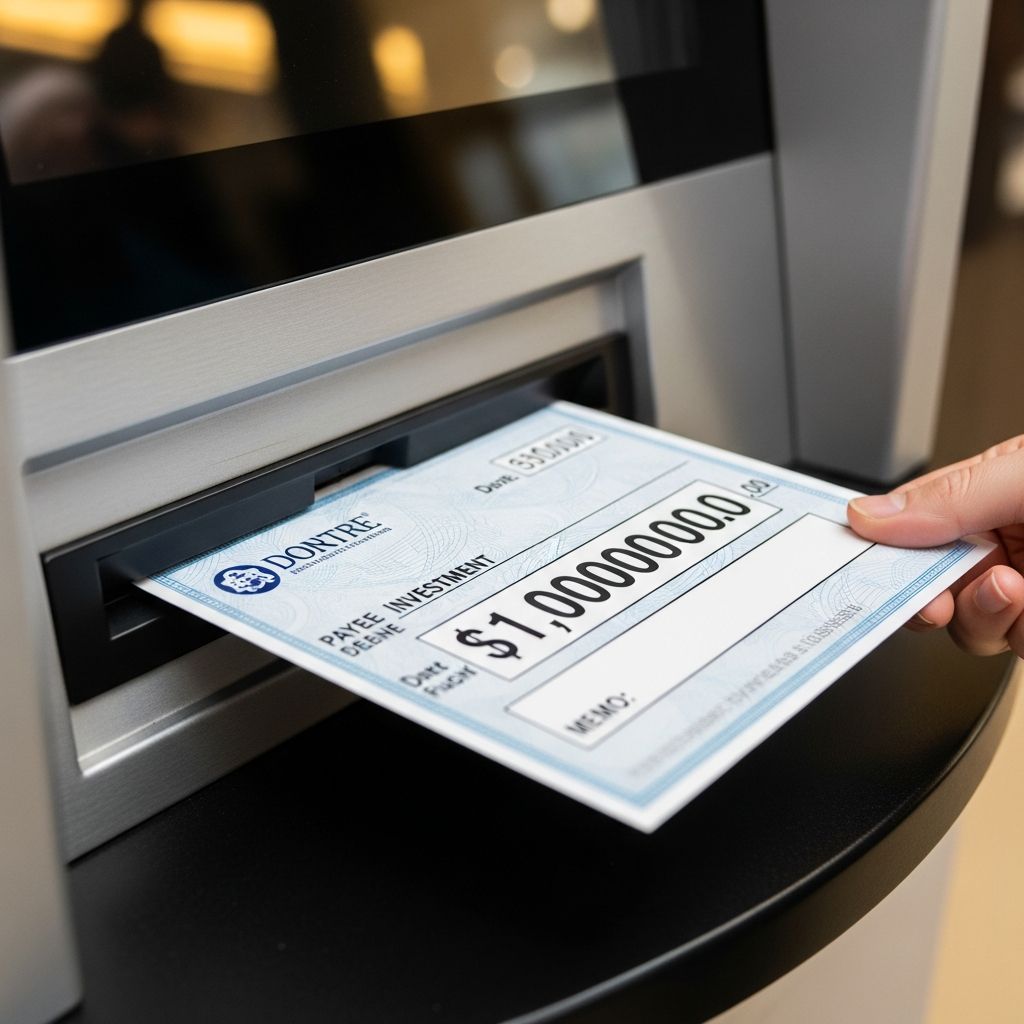
Depositing a substantial check into your bank account triggers a series of behind-the-scenes processes designed to verify legitimacy and ensure secure transactions. Banks follow strict federal guidelines to balance customer access with risk management, often resulting in partial holds on funds.
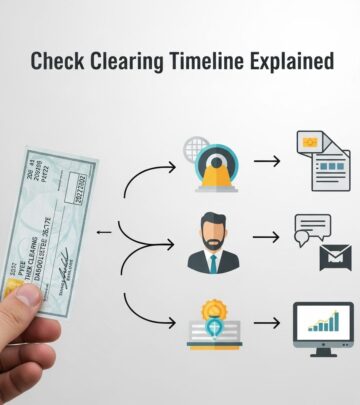
The Check Clearing Journey: From Deposit to Availability
When you hand over or submit a large check, your bank doesn’t instantly credit the full amount. Instead, it initiates clearance through the Federal Reserve or clearinghouses. For checks exceeding certain thresholds, like $5,525, institutions apply extended holds to confirm the payer’s funds exist.
The process unfolds over business days: your bank captures the check’s image or physical item, forwards it to the issuing bank, and awaits confirmation. Electronic images speed this up compared to paper, but large sums still face scrutiny.
- Day 1: Deposit receipt and initial verification at your branch or ATM.
- Days 2-5: Transmission to payer’s bank via clearing network.
- Up to Day 7: Final settlement if no issues arise.
Federal Rules Governing Fund Access
Regulation CC, enforced by the Federal Reserve, mandates minimum availability timelines. Cash and electronic deposits (ACH, wires) typically clear next business day, but checks follow tiered rules.
| Deposit Type | Availability Timeline | Notes |
|---|---|---|
| Cash (in-person) | Next business day | Full amount |
| Checks ≤ $225 | Next business day | In-person deposits |
| Local checks up to $5,525 | Within 2 business days | After initial $225 |
| Large checks > $5,525 | Up to 7 business days | Exception holds apply |
| Government/cashier’s checks | Next business day | If deposited in-person |
For aggregates over $6,725 in one day, banks extend holds by up to 5 business days beyond standard schedules. New accounts or those with overdraft history face longer delays.
Why Banks Impose Holds on Large Deposits
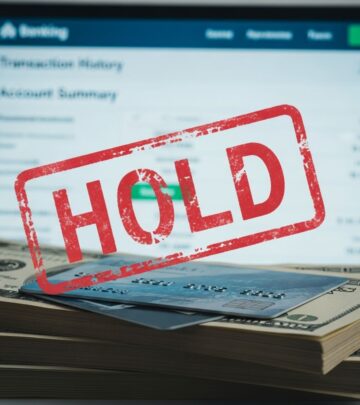
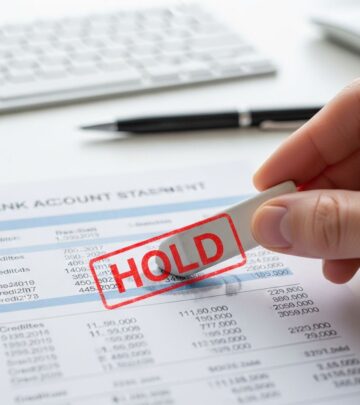
Holds protect against fraud, bounced checks, or insufficient payer funds. A sudden large influx, especially if atypical for your account, prompts review. Banks assess factors like check source, your history, and deposit method.
ATM or mobile deposits often incur extra delays versus teller windows. Mobile apps reject third-party checks or foreign items, requiring in-branch handling.
Common Hold Triggers
- Account open <30 days
- Recent overdrafts
- Non-local checks
- Suspected fraud or emergencies
- Large aggregate deposits > $6,725
IRS Reporting: The $10,000 Threshold Explained
Beyond availability, deposits trigger regulatory reporting. Under the Bank Secrecy Act, banks file Currency Transaction Reports (CTRs) for cash or check transactions over $10,000. This combats money laundering without affecting legitimate users.
Structuring—breaking large sums into smaller ones to evade reporting—is illegal. Banks monitor patterns and report suspicious activity. Business accounts with regular high-volume checks face less scrutiny if consistent.
Mobile and Digital Deposit Specifics
Apps like those from major banks streamline submissions: endorse, photo front/back, enter amount, submit. Confirmation arrives instantly, but holds mirror physical checks.
Limits apply—e.g., standard check sizes only—and processing emails follow. Issues like poor images or fraud flags prompt mailed resolutions.
Strategies to Speed Up Access to Your Funds
- Deposit early: In-person at tellers beats ATMs/mobile for priority.
- Ask for exceptions: Provide payer proof or use cashier’s checks for next-day access.
- Maintain good standing: Avoid overdrafts to qualify for faster policies.
- Opt for wires/ACH: Instant for electronics, bypassing check clearance.
- Review agreements: Know your bank’s specific hold policy.
Communicate intent for large deposits in advance; strong relationships expedite reviews.
Potential Pitfalls and How to Avoid Them
Unexpected holds can disrupt plans like bill payments. Always verify balance before spending provisional credits—bounces reverse them with fees.
Misendorsed mobiles fail; practice clear photos. For businesses, track patterns to preempt flags.
Comparing Major Banks’ Policies
| Bank | Standard Hold for Large Checks | Next-Day Exceptions |
|---|---|---|
| Bank of America | Up to 7 days over $5,525 | Cash, wires, gov’t checks |
| Wells Fargo | First business day general; exceptions apply | In-person cash/checks ≤$225 |
| Generic (Reg CC) | 7 days max for >$5,525 | Electronic, same-bank checks |
Frequently Asked Questions (FAQs)
What counts as a ‘large’ deposit?
Federal rules flag checks over $5,525 for extended holds, with $6,725 aggregates triggering exceptions.
Can I access any funds immediately?
Yes, first $225 next day; up to $5,525 in 2 days for locals.
Does mobile deposit change hold times?
No, same rules apply; confirm receipt via app/email.
What if I need funds urgently?
Request hold release with proof or use alternatives like wires.
Is $10,000 reporting bad?
No, it’s standard for anti-laundering; legitimate transactions proceed normally.
Understanding these mechanics empowers better financial planning. Banks prioritize security, but transparency and preparation minimize disruptions.
References
- I made a large deposit. When will the funds be available? — HelpWithMyBank.gov (CFPB). 2025-06. https://www.helpwithmybank.gov/help-topics/bank-accounts/funds-availability/funds-availability-large-deposit.html
- How do banks process deposits? When are funds available? — Bank of America (YouTube/Better Money Habits). Accessed 2026. https://www.youtube.com/watch?v=Go1cw3BsytA
- How long can a bank or credit union hold funds I deposited? — Consumer Financial Protection Bureau. Accessed 2026. https://www.consumerfinance.gov/ask-cfpb/how-long-can-a-bank-or-credit-union-hold-funds-i-deposited-en-1023/
- IRS Rules for Cash Deposit 2026: How Much Cash Can You Deposit? — MyBankTracker. Accessed 2026. https://www.mybanktracker.com/checking/faq/rules-deposit-10000-cash-check-271595
- Funds Availability Rules Explained: Regulation CC — Webster First. Accessed 2026. https://www.websterfirst.com/blog/funds-availability-rules-explained-regulation-cc/
- How to Deposit Checks Online Using the Mobile Banking App — Bank of America. 2026-01. https://info.bankofamerica.com/en/digital-banking/mobile-check-deposit
- Deposit Questions – Wells Fargo — Wells Fargo. Accessed 2026. https://www.wellsfargo.com/help/checking-savings/deposits-faqs/
Similar Articles








Read full bio of Sneha Tete