What Happens if You Lose Your Social Security Card?
Protect yourself: Learn what to do if you lose your Social Security card and prevent identity theft.
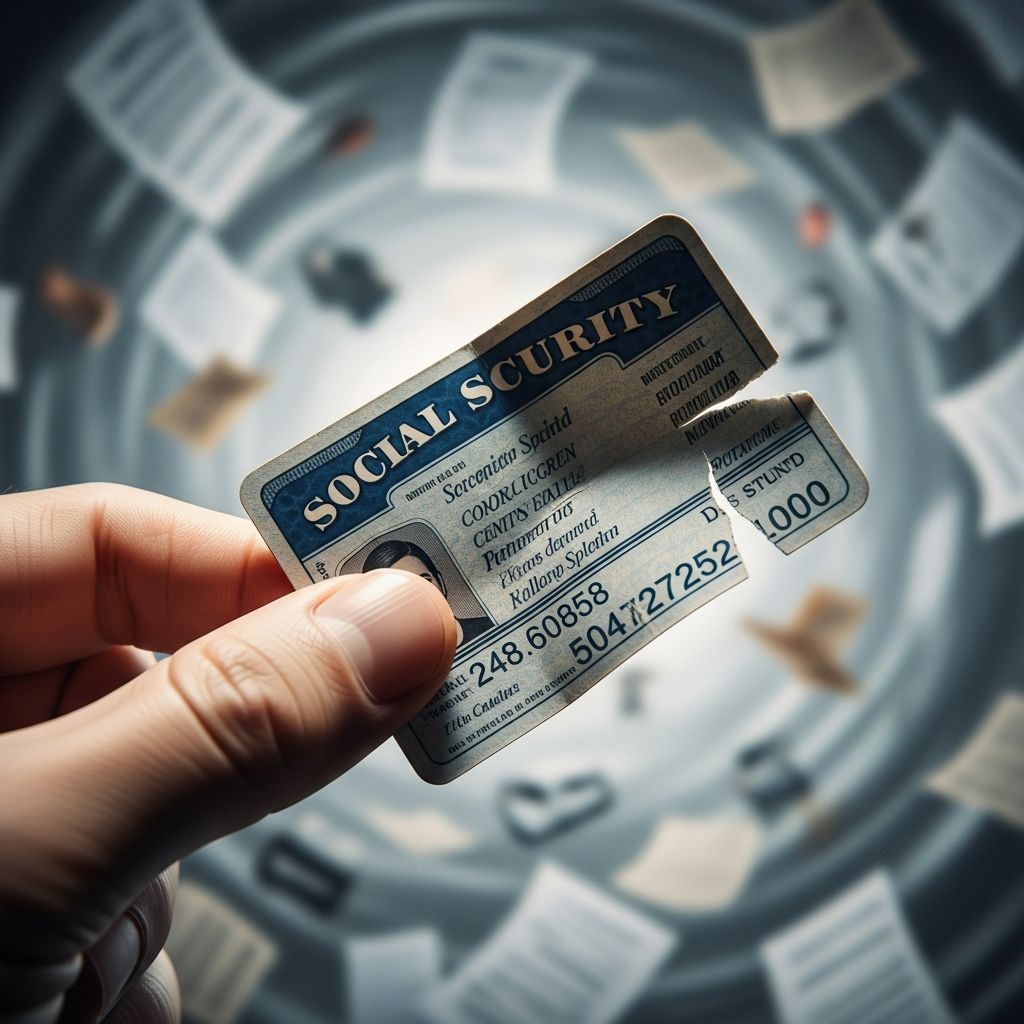
Your Social Security card is a vital personal document, and losing it can be panic-inducing. This card displays your Social Security number (SSN), which is a unique identifier that plays a crucial role in establishing your identity and is linked to your tax, credit and Social Security records. Losing this piece of personal identification puts you at greater risk of identity theft, but the good news is there are several measures you can take to protect your identity and recover from this situation.
Understanding Your Social Security Number
Your Social Security number is a nine-digit identifier issued by the Social Security Administration (SSA) to U.S. citizens, permanent residents and certain eligible non-citizens. Social Security numbers were created in 1936 to track individuals’ earnings and contributions to the Social Security system, but over time, they have also become a key component of personal identification used across financial institutions, government agencies, and private employers.
The SSN serves as one of the most important pieces of personal information you possess. It connects to your financial history, tax records, healthcare benefits, and employment documentation. Understanding the importance of this number is the first step toward protecting it effectively.
What Happens When You Lose Your Social Security Card?
Losing your Social Security card can have several negative consequences that extend beyond the simple inconvenience of misplacing a document. The primary concerns include identity theft, fraudulent financial activity, and difficulty accessing government benefits. Understanding these potential outcomes can help you take swift action to minimize damage.
Potential for Identity Theft
One of the most serious concerns when you lose your Social Security card is the potential for identity theft. If your Social Security number falls into the wrong hands, it could lead to fraudulent activity in your name, financial losses and damage to your credit history. Millions of Americans have had their SSNs compromised in various data breaches, so you’re not alone if this happens to you.
Opening Financial Accounts: Criminals may be able to use a stolen Social Security number to open bank accounts, credit cards or loans in your name. They could then attempt to make fraudulent purchases and accumulate debt, directly hurting your financial reputation and credit score. This type of fraud can take months or even years to fully resolve.
Employment Fraud: Thieves may use stolen Social Security numbers to gain employment, which not only leads to significant tax issues but can also complicate your ability to access Social Security benefits in the future. When someone works under your SSN, it creates a confusing employment record that can affect your earnings history and future benefit calculations.
Difficulty Accessing Government Benefits
Your Social Security number allows you to access essential government benefits and services. Whether it’s Medicare, Social Security retirement payments, disability benefits, or other government programs, you’ll need your Social Security number to prove your eligibility. Losing your card can make it challenging to access these services if you don’t know your Social Security number by heart. Your physical Social Security card may also be requested from time to time, including when you apply for a REAL ID-compliant driver’s license or when verifying your identity with government agencies.
Immediate Steps to Take After Losing Your Social Security Card
If you’ve lost your Social Security card, taking immediate action can help protect your identity and minimize potential damage. Here are the critical steps you should follow:
1. Monitor Your Credit Reports and Financial Accounts
Keep a close eye on your credit reports to ensure no unauthorized new accounts are opened in your name or existing accounts are changed without your authorization. Watch for any address changes you didn’t make or any inquiries from lenders and creditors you haven’t applied for credit with. Consider placing a security freeze or fraud alert on your credit reports if your Social Security card is lost or stolen.
A fraud alert heightens the difficulty of someone opening new credit accounts in your name. A standard fraud alert lasts one year and is free. An extended fraud alert is available to victims of identity theft who have completed an FTC identity theft report or filed a police report. An extended fraud alert is also free and lasts seven years, providing longer-term protection.
2. Report to the Federal Trade Commission (FTC)
While you don’t need to report a lost Social Security card, you may need to report a stolen Social Security number to the FTC if you believe you are a victim of identity theft. You can report identity theft by visiting the FTC’s website. You should file the report immediately once you suspect someone is using your personal information for fraud. The system will ask questions to determine your risk and provide a personal recovery plan tailored to your situation.
If you believe your identity has already been used for fraud, filing an FTC report creates an official record and can help dispute fraudulent charges and accounts.
3. Replace Your Social Security Card
Assuming you know your Social Security number and have taken precautions to ensure it hasn’t been used fraudulently, you may not need to replace the physical card in all cases. However, some organizations—such as your employer when you get a new job—may require you to present original documents or a copy of your Social Security card. Fortunately, you can get a replacement Social Security card for free.
How to Get a New Social Security Card After Losing Yours
The Social Security Administration offers multiple pathways to obtain a replacement card. The method you choose will depend on your location and eligibility status.
Online Application Process
If you meet certain criteria, you can apply for a replacement card online through your my Social Security account. To use this method, you must:
– Be a U.S. citizen age 18 or over with a U.S. mailing address- Not be requesting a name change or any other changes on your card- Have a driver’s license or state identification card from a participating state
This is the fastest and most convenient method if you are eligible. Your new card will be mailed directly to you within approximately 5-14 business days.
In-Person Application at Social Security Office
If you are not in a participating state for online applications or don’t have a state ID, you will need to apply at a local Social Security office. To do this:
– Fill out Form SS-5, the application for a Social Security Card- Bring the required documents to prove your identity- Present your U.S. driver’s license, state-issued non-driver identification or a valid U.S. passport
If you don’t have one of those, the office may accept another form of identification that includes your name, birth date or age and a recent photo. Some qualifying documents may include U.S. military, school or employee identification cards. All required documents must be originals or certified copies.
You might also consider calling the Social Security Administration at (800) 772-1213 to report the lost social security card and get specific guidance for your situation.
Replacement Card Limitations
It’s important to note that the Social Security Administration limits the number of replacement cards you can request. You are limited to three replacement cards per year or 10 throughout your lifetime. Name changes and certain other exceptions don’t count toward these limits.
How to Report a Stolen Social Security Number
If you suspect that your Social Security number has been compromised and is being used fraudulently, you should take additional protective steps beyond simply replacing your card.
File a Police Report or FTC Report
Filing either a police report or an FTC Identity Theft Report will help in case someone uses your Social Security number to commit fraud, since it will provide a legal record of the theft. This documentation becomes crucial when disputing fraudulent accounts or charges.
Additional Protective Actions
Beyond filing reports, consider these protective measures:
– Monitor your credit reports regularly for suspicious activity- Set up credit monitoring services to alert you of changes to your credit profile- Place fraud alerts and security freezes with the three major credit bureaus- Consider identity theft protection services for enhanced monitoring
Protecting Your Social Security Card Moving Forward
Once you replace your Social Security card, certain precautions can help you keep it safely in your possession and prevent future loss or theft.
Don’t Carry Your Social Security Card
If you keep your card in your wallet, you increase the risk of losing it. Worse yet, it may be misused by the person who finds it. Ideally, you should store your card somewhere secure at home. Consider keeping a small safe for important documents that could be used to identify you. This way, your card is protected from both loss and theft.
Memorize Your Social Security Number
By memorizing your Social Security number, you can provide it on demand without having to carry the physical card with you. You may need this number when filling out taxes or certain financial application forms. If you have children, you can protect their Social Security cards by memorizing their numbers as well, which will be necessary to complete tax forms and other important documents.
Use Alternate Forms of Identification
Sometimes, agencies require proof of your identity. While agencies will accept Social Security cards as evidence, other options exist. For example, only Pennsylvania requires a physical Social Security card to issue a REAL ID. Other states accept forms like a W-2, pay stubs, or state-issued identification cards. Using alternate forms of identification when possible reduces the need to carry your Social Security card.
Safely Dispose of Sensitive Documents
Thieves don’t necessarily need your physical card to wreak havoc on your identity—even the number alone can be enough to open accounts in your name. Protecting your Social Security number is just as important as protecting the card itself. Safely dispose of all documents that have your Social Security number printed on them. Invest in a paper shredder or black out any sensitive information before disposing of documents.
Protect Your Number in Public
Never recite your Social Security number in public or over unsecured phone lines. If you need to provide it, consider writing it down and taking the paper with you or typing it onto your phone to show the person who needs to record it. This prevents others from hearing or recording your sensitive number.
Frequently Asked Questions
Q: Do I absolutely need to replace my lost Social Security card?
A: Not necessarily. In most cases, simply knowing your Social Security number is enough. However, some employers or organizations may require the physical card, especially when starting a new job or obtaining a REAL ID-compliant driver’s license. If you know your number and can demonstrate your identity through other means, you may be able to function without an immediate replacement.
Q: How much does a replacement Social Security card cost?
A: Replacement Social Security cards are completely free. The Social Security Administration does not charge any fees for replacement cards, though there are limits on how many you can receive (three per year or 10 in your lifetime).
Q: How long does it take to receive a replacement Social Security card?
A: If you apply online or by mail, your replacement card typically arrives within 5-14 business days. In-person applications may be processed faster in some cases. The exact timeline depends on the Social Security Administration’s workload and your location.
Q: Can I change my Social Security number if my card was lost or stolen?
A: While it’s theoretically possible, the Social Security Administration strongly discourages changing your number because it doesn’t necessarily stop fraudsters and can create complications with your records. You can only change your number in limited circumstances, such as if you’re a victim of documented identity theft.
Q: What should I do if I suspect fraud using my Social Security number?
A: File a report with the FTC immediately at IdentityTheft.gov. Also file a police report for documentation purposes. Contact your banks and credit card companies to place fraud alerts, and monitor your credit reports closely for unauthorized accounts or inquiries.
Summary: What Happens if You Lose Your Social Security Card?
Losing your Social Security card can have serious consequences, including the potential for identity theft and difficulties accessing government benefits. However, by taking immediate action, monitoring your financial accounts and following the steps to replace your card, you can mitigate these risks and regain peace of mind.
Remember that safeguarding your Social Security card and personal identification information is essential to protect yourself from identity theft and financial harm. Stay vigilant, report any fraud promptly and follow the necessary procedures to obtain a replacement card if needed. By implementing the protective measures outlined above, you can significantly reduce your vulnerability to identity theft and financial fraud.
References
- What Happens if You Lose Your Social Security Card? — Money. 2024. https://money.com/what-happens-if-you-lose-your-social-security-card/
- What to Do if You Lose Your Social Security Card — Equifax. 2024. https://www.equifax.com/personal/education/identity-theft/articles/-/learn/what-to-do-if-you-lose-your-social-security-card/
- How do I apply for a replacement Social Security number card online? — Social Security Administration. 2024. https://www.ssa.gov/faqs/en/questions/KA-02017.html
- How to get, replace, or correct a Social Security card — USAGov. 2024. https://www.usa.gov/social-security-card
- Identity Theft — Federal Trade Commission. 2024. https://consumer.ftc.gov/articles/0278-how-recognize-and-report-identity-theft
Similar Articles








Read full bio of Sneha Tete