What Happens After You Pay Off Your Credit Card
Discover what to expect after paying off credit card debt and how to maintain financial health.
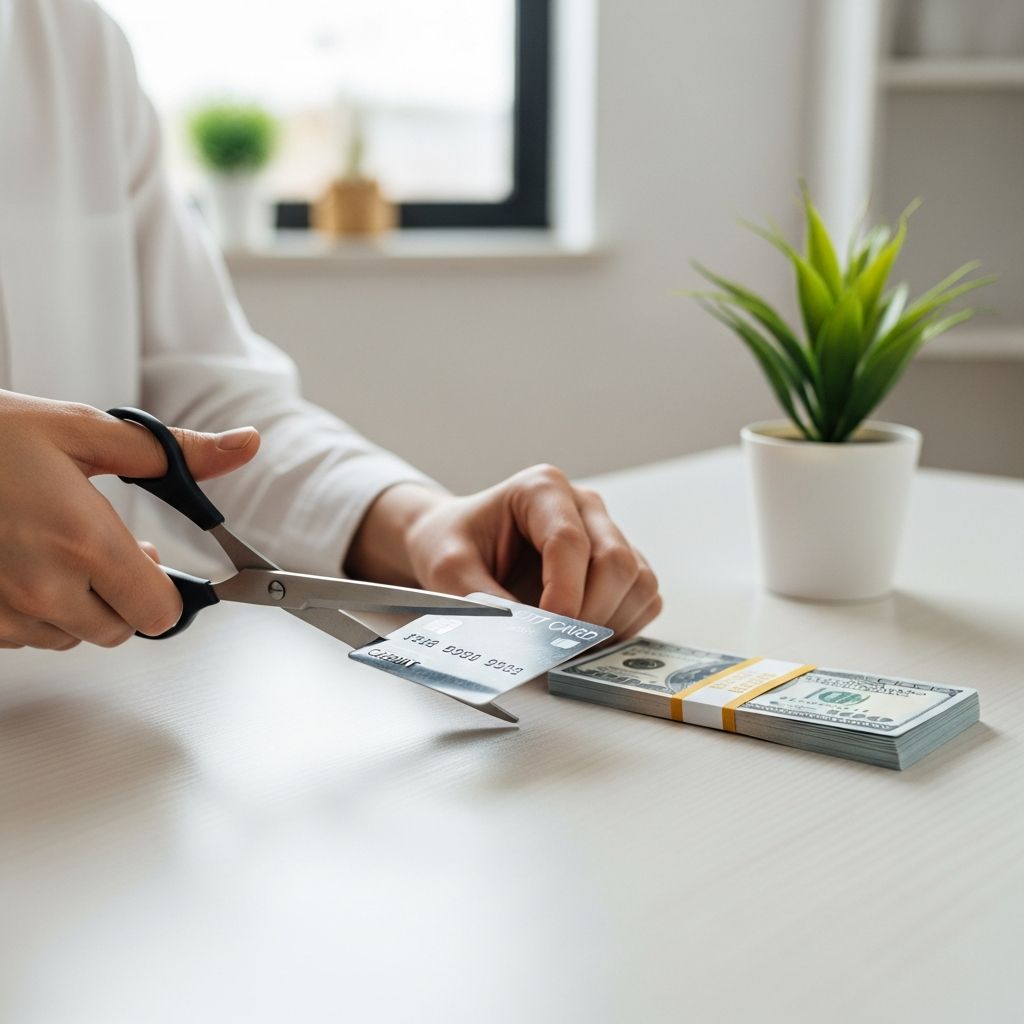
Paying off your credit card is a significant financial achievement that deserves recognition. However, many people wonder what happens next—how it affects their credit score, what to do with paid-off accounts, and how to prevent falling back into debt. Understanding the consequences of paying off credit card debt is essential for maintaining your financial health and making informed decisions about your money moving forward.
Your Credit Score Gets a Boost
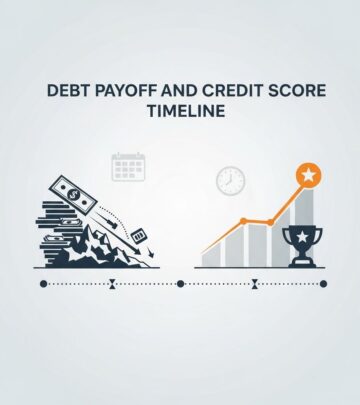
One of the most immediate and positive effects of paying off your credit card is the potential improvement to your credit score. Payment history is the most important factor in your credit score calculation, accounting for approximately 35% of your overall score. When you pay off a credit card, you demonstrate financial responsibility and reduce your credit utilization ratio—the percentage of available credit you’re using. This improvement typically shows up on your credit report within one or two billing cycles.
Credit utilization is particularly important because it accounts for about 30% of your credit score. When you carry a balance on your credit card, you’re using a portion of your available credit. For example, if you have a $10,000 credit limit and a $5,000 balance, your utilization ratio is 50%. Credit scoring models favor utilization ratios below 30%, so paying off that balance brings your ratio to 0%, which can significantly improve your score. This improvement opens doors to better interest rates on future loans, lower insurance premiums, and improved approval odds for new credit applications.
The Account Status Changes
When you pay off your credit card completely, your account status changes from “open with balance” to “paid in full” or “closed.” This distinction matters for your credit profile. If you keep the account open after paying it off, it continues to show on your credit report as an active account with a zero balance, which is beneficial for your credit score. Active accounts demonstrate that you have access to credit and can manage it responsibly.
However, some people choose to close their credit card accounts after paying them off. While this might seem like a clean way to eliminate temptation, it can actually harm your credit score. Closing an account reduces your total available credit, which increases your utilization ratio on your remaining accounts. Additionally, closed accounts age off your credit report after seven to ten years, which can negatively impact your credit score if that account had a long positive history. If you want to keep the account open, many issuers allow you to do so by simply making occasional small purchases and paying them off immediately.
Your Interest Charges Stop Accruing
Once your credit card balance reaches zero, interest charges cease immediately. This is one of the most tangible benefits of paying off your credit card. To illustrate the impact, consider this scenario: if you had a $5,000 balance with a 20% interest rate and paid $200 monthly, it would take almost 12 years to pay off and cost you $3,417 in interest alone. The moment that balance becomes zero, all those interest charges stop accumulating, and your money stays in your pocket instead of going to the credit card company.
Understanding how much interest you’ve been paying can be eye-opening. The average credit card interest rate is over 18% annually, making credit cards one of the most expensive forms of borrowing available. By eliminating this debt, you’re no longer losing money to interest charges every single day.
Monthly Payments Become Optional
Once your credit card is paid off, you’re no longer obligated to make monthly payments. However, this doesn’t mean you should ignore your account entirely. If you decide to keep the account open and use it for occasional purchases, you’ll still need to make at least the minimum payment on any new charges. The key is to treat a paid-off credit card as a tool for building credit and earning rewards, not as an invitation to accumulate new debt.
For those who struggled with credit card debt, paying off the balance completely and then not using the card again is a valid strategy. You can simply keep the account active by making one small purchase annually and paying it off immediately, which keeps the account in good standing without temptation.
Rewards and Benefits Remain Available
If your credit card offers rewards such as cashback, points, or travel miles, these benefits continue even after you’ve paid off your balance. In fact, paying off your card completely before the due date allows you to maximize rewards without paying any interest. If you had a rewards card with 2% cashback and charged $1,000 in purchases per month, you’d earn $20 in rewards—with no interest charges if you pay the balance in full each month.
Many cards also offer other benefits like purchase protection, extended warranties, and travel insurance. These perks remain available as long as your account is active, giving you added value without additional cost.
Building a Positive Credit History
Paying off your credit card contributes to a longer credit history, which is another important factor in your credit score. Your credit history demonstrates to lenders that you can manage credit responsibly over time. If your paid-off credit card was your first credit account, it shows lenders that you have experience managing credit, making them more likely to approve you for other types of credit at favorable rates.
The longer your credit history remains on your report, the more positive it impacts your score. Even after you stop using a credit card, it continues to benefit your credit score as long as it remains on your report. This is one reason why closing old accounts can actually hurt your score—you’re removing positive history that helps your creditworthiness.
Temptation to Overspend May Increase
One challenging aspect of paying off your credit card is managing the psychological shift that occurs. With a zero balance and available credit, some people feel tempted to start using the card again. Research shows that behavioral patterns around credit card usage tend to be lifelong, regardless of whether people carry debt or pay balances in full monthly. Those who previously struggled with credit card debt may find the urge to spend on newly available credit difficult to resist.
This is where discipline becomes crucial. If you’ve paid off your credit card through significant effort, it’s worth protecting that achievement. Consider removing the card from your wallet, setting spending limits on your account with your issuer, or using the card only for specific planned purchases that you pay off immediately.
Your Financial Options Expand
With improved credit and no credit card debt, your financial opportunities expand significantly. Lenders view you more favorably for mortgages, auto loans, personal loans, and other forms of credit. You may qualify for better interest rates, higher credit limits, and more favorable terms. This means you could save thousands of dollars if you need to borrow money in the future.
Additionally, with money that was previously allocated to credit card payments now freed up, you have more cash flow to allocate toward savings, investments, or other financial goals. This breathing room allows you to build an emergency fund, contribute to retirement accounts, or work toward other objectives.
Strategic Decisions About Your Account
After paying off your credit card, you face a choice about whether to close the account or keep it open. Here are the considerations for each approach:
Keeping the Account Open
Advantages include maintaining your available credit (which helps your utilization ratio), preserving your credit history, and continuing to earn rewards. This approach works well if you’ve developed discipline around credit card use. Make occasional small purchases and pay them off immediately to keep the account active and continue building your credit.
Closing the Account
This approach eliminates temptation and simplifies your financial life. However, it reduces your available credit, increases your utilization ratio on remaining cards, and eventually removes positive account history from your credit report. This option may be appropriate if you’ve struggled significantly with credit card debt and need a clean break.
Transitioning to Healthy Credit Habits
Paying off your credit card represents a critical transition point in your financial journey. To maintain your progress, consider adopting these healthy habits:
Pay more than minimum payments: In the first quarter of 2025, about 1 in 10 cardholders were making only the minimum payment each month. Banks profit from the interest you pay, so paying only minimums keeps you in debt longer. Commit to paying your full balance monthly.
Budget for credit card purchases: Before charging anything, ensure you have the funds to pay it off immediately. Treat your credit card as a debit card—only charge what you can pay off that billing cycle.
Monitor your credit report: Check your credit report regularly to ensure all accounts are reported accurately and to catch any fraudulent activity early.
Build an emergency fund: Use the money you were paying toward credit card debt to build savings. Having an emergency fund prevents you from relying on credit cards during unexpected expenses.
Frequently Asked Questions
Q: Will my credit score immediately improve after paying off my credit card?
A: Your credit score typically improves within one or two billing cycles after paying off your balance, as the change is reported to credit bureaus during your next statement period. The exact improvement depends on various factors in your credit profile.
Q: Should I close my credit card after paying it off?
A: In most cases, keeping the account open is better for your credit score. Closing the account reduces your available credit and can negatively impact your utilization ratio. However, if you’re concerned about temptation, you can keep the account active with minimal use—one small purchase per year that you pay off immediately.
Q: Can I still use rewards on a paid-off credit card?
A: Yes, absolutely. If your credit card offers rewards, you can continue earning them on new purchases after paying off your balance. The key is paying off the balance in full each month to avoid interest charges.
Q: How long does it take for paying off a credit card to affect my credit score?
A: Most credit bureaus update your information when your credit card issuer reports your account status, typically during your billing cycle. You should see changes reflected within one to two billing cycles.
Q: What if I start using my paid-off credit card again?
A: Using your paid-off credit card for new purchases is fine as long as you pay the balance in full each month. This helps you earn rewards while maintaining good credit habits and avoiding interest charges.
Q: Will paying off my credit card affect other credit card limits?
A: Not directly. However, with improved credit and demonstrated responsible behavior, lenders may be more willing to increase credit limits on other accounts or approve you for new credit.
Q: How can I prevent accumulating credit card debt again?
A: Create a budget, use the credit card for planned purchases only, pay the balance in full each month, build an emergency fund, and monitor your spending regularly. Treat your credit card as a payment tool, not a way to borrow money.
References
- 5 Strategies for Paying Off Credit Card Debt — Baird Wealth. 2022-08-15. https://www.bairdwealth.com/insights/wealth-management-perspectives/2022/08/5-strategies-for-paying-off-credit-card-debt/
- How to Create a Credit Card Debt Exit Plan — Charles Schwab. https://www.schwab.com/learn/story/how-to-create-credit-card-debt-exit-plan
- What Is the Best Strategy for Paying Off Credit Card Debt? — Federal Reserve Bank of St. Louis. 2023-02-01. https://www.stlouisfed.org/publications/page-one-economics/2023/02/01/what-is-the-best-strategy-for-paying-off-credit-card-debt
- 10 Ways to Pay Off Credit Card Debt — NerdWallet. 2025. https://www.nerdwallet.com/finance/learn/credit-card-debt
- WVU research shows credit card behaviors are lifelong, whether users carry debt or pay balances monthly — West Virginia University. 2025-03-17. https://wvutoday.wvu.edu/stories/2025/03/17/wvu-research-shows-credit-card-behaviors-are-lifelong-whether-users-carry-debt-or-pay-balances-monthly
- Managing Credit Card Debt & Fostering Good Credit Habits — University of Phoenix. https://www.phoenix.edu/blog/managing-credit-card-debt-and-fostering-good-credit-habits.html
Similar Articles








Read full bio of Sneha Tete