What Foods Can Dogs Eat? Safe & Unsafe Options
Complete guide to safe human foods for dogs and toxic foods to avoid completely.
Many dog owners wonder whether they can share their meals with their furry companions. The good news is that plenty of human foods are actually safe for dogs to eat, provided they’re offered occasionally and don’t replace a balanced diet of nutritious commercial dog food. Understanding which foods are safe and which are dangerous is crucial for maintaining your dog’s health and preventing serious medical emergencies.
Safe Fruits Dogs Can Enjoy
Fruits can be a wonderful addition to your dog’s diet, offering natural vitamins, fiber, and antioxidants. However, moderation is key, and certain preparation methods are important.
Berries: Nature’s Nutritional Powerhouse
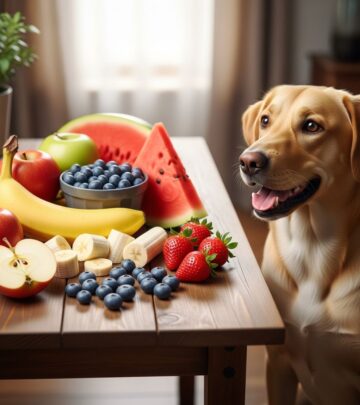
Strawberries, blueberries, raspberries, blackberries, and cranberries are excellent choices for your canine friend. These berries are great sources of fiber, vitamins, and antioxidants that support your dog’s overall health and immune system. You can serve them fresh or frozen, making them convenient treats throughout the year.
Watermelon: Hydration and Vitamins
Watermelon is an ideal summer treat for dogs. It’s high in vitamin A, low in sugar, and provides excellent hydration, especially during warm months. Be sure to remove all seeds and the rind before serving, and cut the fruit into bite-sized pieces to prevent choking hazards.
Apples: Crunchy and Nutritious
You can offer apples to your dog in various forms: sliced, roasted, or even blended with pet-safe peanut butter. The key is to always remove the skin, core, and seeds, then serve the fruit in small, manageable pieces. The natural crunch can help keep your dog’s teeth clean.
Pumpkin: Digestive Health Support
Pumpkin is particularly beneficial for your dog’s digestive system. Plain canned pumpkin puree can help address both diarrhea and constipation. Add a small scoop to your dog’s regular food, ensuring it contains no added spices. Avoid pumpkin pie filling, as it may contain toxic ingredients. While your dog can consume pumpkin flesh in small quantities, avoid the stems, leaves, skin, and raw seeds.
Nutritious Vegetables for Dogs
Many vegetables are safe and beneficial for dogs, providing essential nutrients and supporting dental health. Understanding preparation methods is important for maximum safety and nutrition.
Carrots: Low-Calorie Superfood
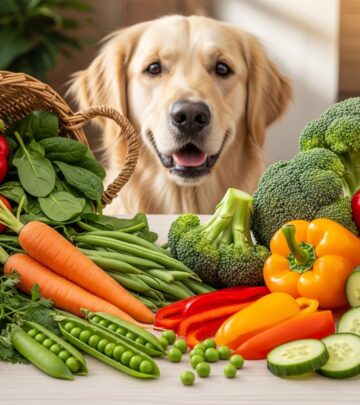
Carrots are an excellent low-calorie option that offers multiple benefits. They’re nutritious and have a satisfying crunchy texture that can help reduce unwanted plaque and tartar buildup on your dog’s teeth. You can serve them raw or cooked, making them versatile treats.
Green Beans: Versatile Legumes
Green beans stand out as one of the few foods dogs can safely consume in all forms—canned, boiled, steamed, roasted, or raw. They provide essential nutrients and can be easily incorporated into your dog’s regular meals or served as standalone treats.
Potatoes: Preparation Matters
Dogs can eat plain roasted potatoes that are free from spices and seasonings. However, raw potatoes can be dangerous to dogs and should be avoided entirely. Always ensure potatoes are fully cooked before serving.
Sweet Potatoes: Vitamin-Rich Carbohydrates
Sweet potatoes are a popular carbohydrate source in commercial dog food and are packed with vitamins, minerals, calcium, and fiber. They’re easily digestible and provide sustained energy for active dogs. Serve them cooked and in moderate portions.
Broccoli: Small Quantity Benefit
Both raw and cooked broccoli are healthy options in small quantities. This vegetable contains vitamin C, vitamin K, and potassium, supporting your dog’s immune and bone health. Limit portions to avoid digestive upset.
Peas: Nutritious but Choose Wisely
Peas provide fiber, vitamins, and potassium for your dog. However, avoid canned peas due to their added sodium content. Fresh or frozen peas are the better choice for your pet.
Protein Sources Safe for Dogs
High-quality proteins are essential for your dog’s muscle development and overall health. Several human protein sources can be safely shared with your canine companion.
Chicken and Turkey
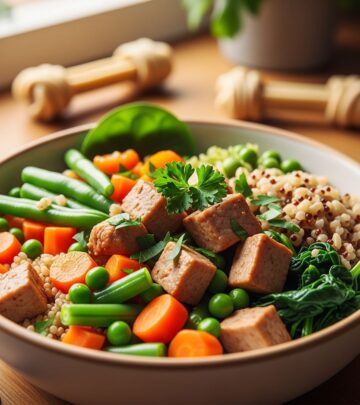
Plain, cooked chicken and turkey without seasonings are excellent protein sources for dogs. These lean meats provide essential amino acids and are easily digestible. Always ensure they’re fully cooked and boneless to prevent choking hazards.
Salmon: Omega-3 Fatty Acids
Cooked, boneless salmon is a safe and healthy protein source for dogs. Salmon is rich in omega-3 fatty acids, which are known to reduce inflammation and may help keep your dog’s skin and fur healthy. Always avoid raw salmon, as it may contain parasites that cause salmon poisoning disease, which can be fatal.
Pork: Select Carefully
Cooked pork without added spices, seasonings, or sauces is safe for dogs to eat. However, never feed your dog raw or undercooked pork, as it can lead to bacterial infections. Additionally, processed pork products like ham and bacon are extremely high in salt and should be avoided completely.
Grains and Carbohydrates for Your Dog
Many dogs benefit from whole grains and simple carbohydrates as part of their diet. These foods provide energy and important nutrients.
Rice: Digestive Support
Dogs can eat plain, unseasoned white or brown rice. Veterinarians frequently recommend mixing rice with plain chicken when your dog experiences digestive problems and requires a bland diet. Rice is very easy to digest and helps soothe upset stomachs, making it invaluable during health issues.
Corn: Affordable and Common
Cooked corn is a safe, affordable grain that serves as a staple in most commercial dog foods. You can share corn kernels with your dog at home following standard guidelines: avoid salt, butter, oils, and seasonings, and watch for any developing allergies or sensitivities. A tablespoon or two of corn daily is appropriate. Never feed your dog corn on the cob, as it presents a choking hazard and could cause intestinal obstruction.
Oatmeal: Nutrient-Dense Treat
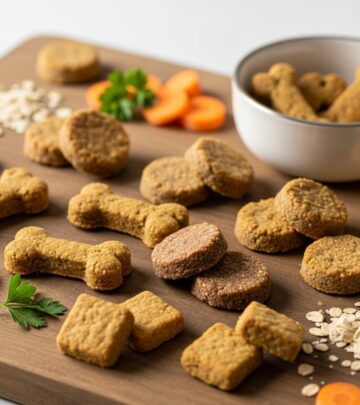
Plain oatmeal served occasionally provides many beneficial nutrients, including fiber, carbs, protein, vitamins, minerals, and antioxidant plant compounds. Ensure your oatmeal has no additives like chocolate, cinnamon, sweeteners, or other flavorings. Never feed raw oats, as they’re difficult to digest.
Dairy and Probiotic Foods
Yogurt: Probiotic Benefits
Plain, unflavored, and unsweetened yogurt is a good source of probiotics and an excellent ingredient to mix with other pet-friendly foods such as watermelon, strawberries, and peanut butter. Yogurt, especially Greek yogurt, is generally safe for dogs because it contains bacteria that helps digest lactose. However, it may still be too much for dogs that are more lactose intolerant. Start with a small amount and monitor for indigestion or other digestive issues.
Nuts and Seeds
Cashews: Limited Consumption
Plain, unsalted, and roasted cashews are safe for most dogs to eat in moderation. However, cashews are high in fat and calories and may lead to weight gain and pancreatitis when consumed in excess. Limit your dog’s intake to one or two cashews daily or less.
Toxic Foods to Avoid
While many human foods are safe, several are toxic and can cause serious harm to your dog. It’s critical to keep these foods away from your pet completely.
Onions, Garlic, Chives, and Leeks
Onions, garlic, and other members of the allium family (chives, shallots, and leeks) contain toxic compounds that can cause vomiting, diarrhea, anemia, weakness, liver damage, and allergic reactions in dogs. While a small amount isn’t lethal, it’s best to avoid feeding your dog anything with these ingredients, whether raw or cooked. The prevalence of these vegetables in most home-cooked meals and store-bought products is why veterinarians strongly advise against feeding dogs table scraps and prepared food items.
Grapes and Raisins
Grapes and raisins are toxic to dogs and should never be shared with your pet. These fruits can cause kidney failure and serious health complications.
Chocolate
Chocolate contains theobromine, a compound toxic to dogs that can cause serious health problems. All forms of chocolate, including dark, milk, and white chocolate, should be kept away from dogs.
Caffeine
Caffeine is dangerous for dogs and should be completely avoided. This includes coffee, tea, and caffeinated beverages.
Xylitol Products
Products containing xylitol, a sugar substitute, are toxic to dogs and can cause severe hypoglycemia and liver damage. Check all sugar-free products carefully.
Raw or Undercooked Meat and Eggs
Raw or undercooked meat and eggs can contain harmful bacteria that make dogs sick. Always cook these foods thoroughly before serving to your pet.
Macadamia Nuts
Macadamia nuts are toxic to dogs and should be avoided completely.
Nutmeg
Nutmeg is not safe for dogs because it contains myristicin, a compound toxic to dogs when consumed in large amounts. It may cause disorientation, increased heart rate, high blood pressure, dry mouth, stomach pain, and seizures. Keep nutmeg out of your dog’s reach and prevent consumption of baked goods containing it.
Fatty and Salty Foods
High-fat and high-sodium foods should be avoided as they can cause digestive issues and other health problems.
Alcohol
Alcohol is toxic to dogs and should never be shared.
Milk
While some dogs tolerate small amounts of milk, many are lactose intolerant, making plain yogurt a better dairy option.
Mushrooms and Wild Varieties
Store-bought mushrooms, such as portobello mushrooms, are safe for dogs when served plain without extra ingredients like garlic and onions. However, some wild mushrooms are toxic to dogs and may cause mushroom poisoning, so avoid any mushrooms from unknown sources.
Summary: Best and Worst Foods
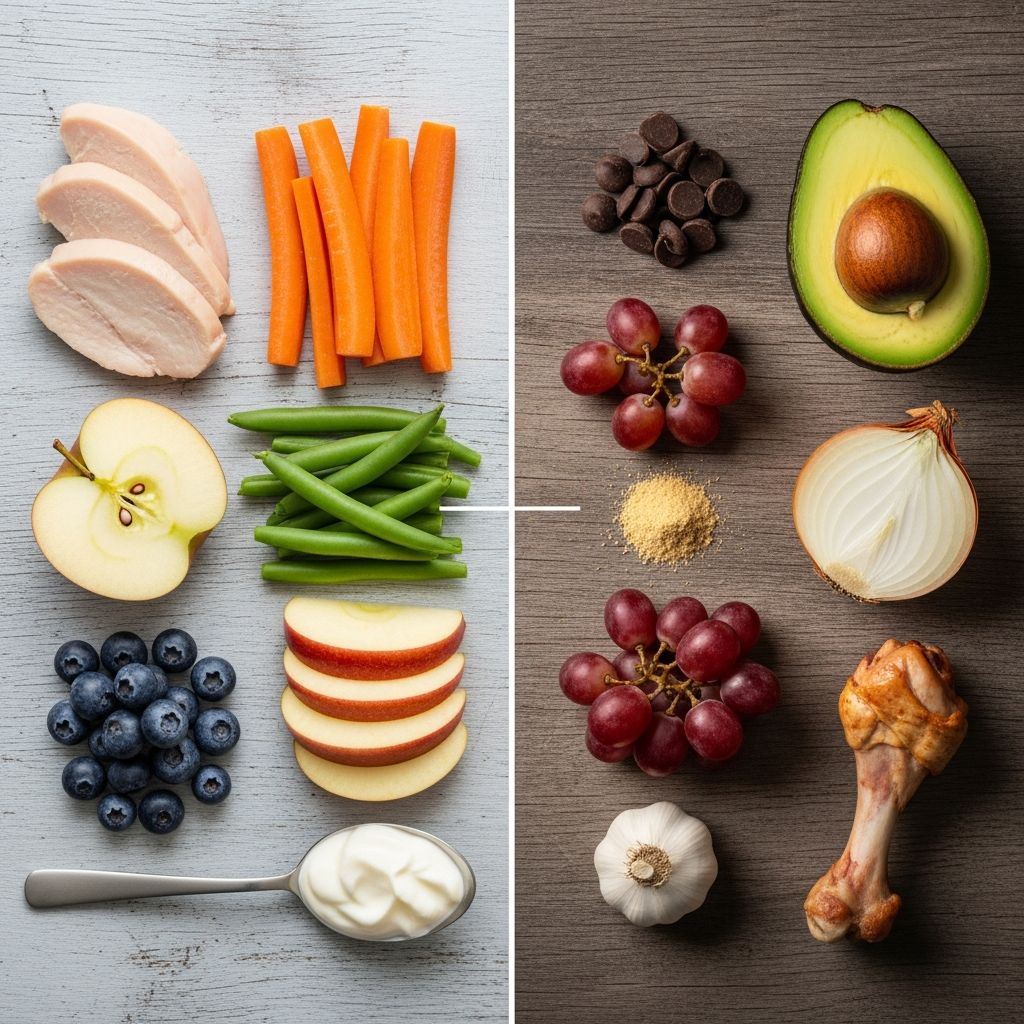
Best foods to share with your dog include: strawberries, watermelon, apples, sweet potatoes, carrots, green beans, brown or white rice, chicken, turkey, and Greek yogurt.
Human foods to avoid sharing with your dog include: grapes, fatty and salty foods, milk, alcohol, chocolate, caffeine, products with xylitol, raw or undercooked meat and eggs, vegetables in the allium family, citrus fruits, and macadamia nuts.
Frequently Asked Questions
Q: Can I feed my dog table scraps?
A: While some table scraps may be safe, many contain ingredients toxic to dogs like onions, garlic, salt, and spices. It’s best to feed your dog specially selected human foods rather than leftover meals to ensure safety and nutritional balance.
Q: How often can I give my dog human food?
A: Human foods should only be offered occasionally and should never make up more than 10 percent of your dog’s daily caloric intake. The majority of your dog’s nutrition should come from balanced commercial dog food.
Q: What should I do if my dog eats something toxic?
A: If your dog ingests a toxic food, contact your veterinarian immediately. Time is critical in many cases of poisoning. Have the package or information about what was consumed readily available when you call.
Q: Are there dog breeds that can’t eat certain foods?
A: While most toxic foods are dangerous for all dogs, individual dogs may have specific allergies or sensitivities. Always introduce new foods gradually and monitor for adverse reactions.
Q: Can puppies eat the same human foods as adult dogs?
A: Puppies have different nutritional needs than adult dogs. Consult your veterinarian before introducing human foods to puppies, as their digestive systems are still developing.
References
- What Foods Can Dogs Eat? — Money. 2024. https://money.com/what-food-can-dogs-eat/
- Can My Dog Eat This? A List of Human Foods Dogs Can and Can’t Eat — Healthline. 2024. https://www.healthline.com/nutrition/human-foods-for-dogs
Similar Articles








Read full bio of medha deb