What Does Sale Pending Mean in Real Estate?
Understanding sale pending status: What it means for buyers and sellers in real estate transactions.
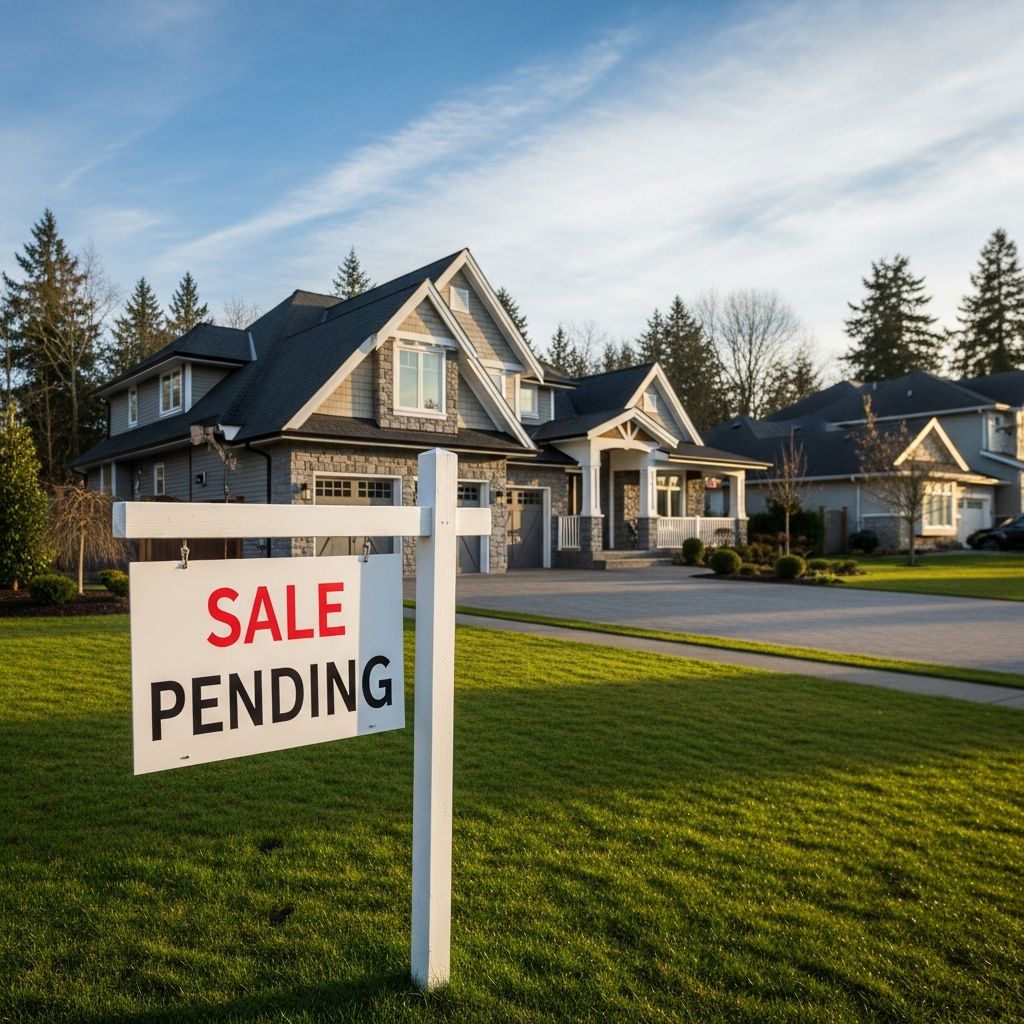
In real estate transactions, understanding listing statuses is crucial for both buyers and sellers. One of the most common statuses you’ll encounter is “sale pending.” A pending sale in real estate simply means that the seller has received and accepted an offer on their home. However, the deal is not yet finalized—hence the term “pending” rather than simply “sold.” This status indicates that the property is under contract and moving toward closing, but important steps remain before the transaction is complete.
The pending status represents a significant milestone in the home-buying process. It signals to the market that a buyer and seller have agreed on terms and that the transaction is progressing. However, it’s important to understand that a pending sale is not a done deal. Even properties marked as pending can still return to the market if unexpected issues arise during the final stages of the transaction.
Understanding the Pending Status
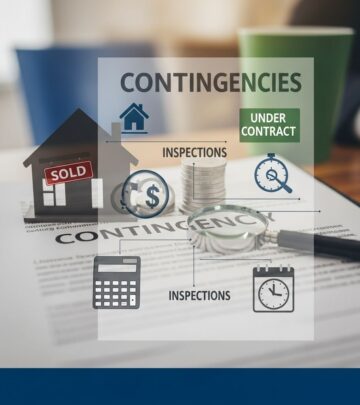
When a property is listed as pending, it typically means that all contingencies have been satisfied and the buyer has met the initial requirements outlined in the purchase agreement. Contingencies are conditions that must be met for the sale to proceed, such as securing financing, passing a home inspection, or achieving an acceptable appraisal. Once these contingencies are removed or satisfied, the property transitions from contingent status to pending status.
A pending listing indicates that the buyer and seller have successfully navigated the initial negotiation phase and are now in the final stages of the transaction. The contract is signed, paperwork is in order, and both parties are preparing for closing. This status typically appears on real estate websites and local Multiple Listing Service (MLS) databases to inform other potential buyers that the property is no longer actively on the market for standard offers.
The pending stage usually takes 30 to 60 days to complete, though this timeline can vary depending on local market conditions, lender requirements, and any complications that may arise. During this period, the buyer typically completes a final walkthrough, the lender conducts final underwriting, title work is completed, and all closing documents are prepared.
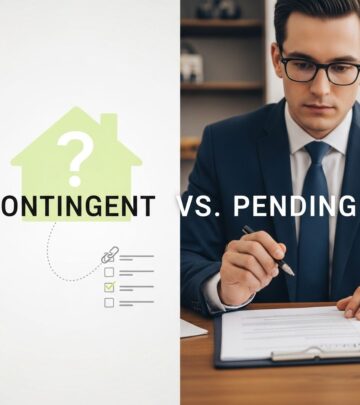
Pending vs. Contingent Listings: What’s the Difference?
A common source of confusion for real estate shoppers is the difference between pending and contingent listings. While these terms are related, they have distinct meanings that are important to understand.
Contingent Listings: When a home is listed as contingent, it means the seller has accepted an offer, but the sale depends on certain conditions being met before finalization. The seller is choosing to keep the listing active because there are contingencies the prospective buyer has yet to meet. These contingencies might include the buyer selling their current home, securing financing, passing a home inspection, or achieving an acceptable appraisal. Because these conditions haven’t been satisfied yet, the seller may continue to market the property and accept backup offers in case the primary deal falls through.
Pending Listings: When a property is in pending status, it indicates that the buyer has satisfied all contingencies and the sale should close shortly, assuming no other issues arise. The home is typically taken off the market, and the focus shifts to finalizing the transaction. While a sale can still theoretically fall through at this stage, the probability is significantly lower than with contingent properties.
The key distinction is this: contingent properties have unmet conditions, while pending properties have already satisfied those conditions. A contingent buyer has a better chance of purchasing a property than a pending buyer, since the contingent property may still become available if conditions aren’t met. However, properties rarely remain contingent for extended periods—they either transition to pending or return to active status.
Common Reasons Pending Sales Fall Through
While the majority of pending sales—approximately 95%—successfully reach closing, roughly 5% do fall through. Understanding the reasons why pending sales can collapse is important for both buyers and sellers navigating the transaction.
Financing Issues
One of the most common reasons a pending sale falls through is financing denial. Many sale contracts include a mortgage contingency that specifies the date by which the buyer must secure financing. If the buyer cannot obtain loan approval by this deadline, or if their loan application is denied, they may be unable to proceed. Failure to secure financing by the agreed-upon date would constitute a breach of contract, allowing the seller to put the home back on the market.
Home Inspection Problems
During the home inspection contingency period, a detailed inspection is conducted to identify any structural, mechanical, or safety issues. If an inspection reveals unexpected problems—such as foundation damage, roof deterioration, electrical issues, or plumbing concerns—the buyer and seller may need to renegotiate the home price. If they cannot reach an agreement on repairs or price adjustment, the buyer can exercise their home inspection contingency to exit the contract.
Low Appraisal
When the lender orders an appraisal of the property, the appraised value must support the loan amount. If the property appraisal comes in lower than the agreed purchase price, this creates a problem. The buyer may not be able to secure financing for the full purchase price, and the buyer and seller must renegotiate. If they cannot agree on a new price, the buyer can exercise their appraisal contingency to withdraw from the contract.
Title Issues
Title problems can emerge during the title search and examination process. These might include property liens, unpaid taxes, legal claims against the property, or questions about the seller’s right to sell. If the seller cannot clear these title issues before closing, the buyer has grounds to cancel the purchase agreement.
Buyer’s Current Home Sale
If the buyer’s offer was contingent on selling their current home, and that sale falls through or takes longer than anticipated, they may not have the funds or financial capability to proceed with the purchase. This contingency can cause pending sales to collapse if the buyer’s existing home doesn’t sell within the agreed timeframe.
Other Contingency Issues
Additional contingencies might include special assessments discovered during title work, homeowners association issues, environmental concerns, or other property-specific problems that were either unknown or unresolved at the time the contract was signed.
Special Case: Short Sales
A short sale is a unique situation where a property can be sold for less than the amount the homeowner owes to their lender. This arrangement allows financially distressed homeowners to sell their homes to avoid foreclosure. However, here’s the crucial catch: a short sale can only proceed with the lender’s explicit permission. The lender must approve the sale price and accept the loss. If the bank doesn’t agree to the offer price or other terms, the deal will fall through and the home will return to the market. Short sales often remain in pending status longer than standard transactions because of the additional time required for lender approval.
Making an Offer on a Pending House
If you’re interested in a pending property, you may still have a chance to make an offer, though the probability is likely slim. Your best approach is to work with your real estate agent to consult with the seller’s agent to learn more about the status of the sale.
Backup Offers
Many sellers accept backup offers on pending properties as insurance in case the primary deal falls through. A backup offer, also known as a second or contingent offer, allows you to be next in line if the current transaction doesn’t close. If you’re serious about a pending property, ask your agent whether the seller is accepting backup offers.
When you submit a backup offer, you’ll typically be required to make an earnest money deposit, similar to a primary offer. This money is held in escrow and will be returned if the home sells to the primary buyer. However, if the primary deal collapses and your backup offer moves forward, your earnest money becomes part of the transaction.
Important consideration: It can be difficult to get out of a backup offer once it’s accepted. This commitment can pose problems if you find another house you like better in the meantime. Before committing to a backup offer, carefully consider whether you’re willing to be bound to this property for an extended period.
Tips for Backup Offers
If you decide to pursue a backup offer, work closely with your real estate agent to understand the terms and timeline. Ask the listing agent about the status of the primary sale and whether there are any known issues that might cause it to fall through. Request as favorable terms as possible in your backup agreement, including flexibility if circumstances change.
Frequently Asked Questions
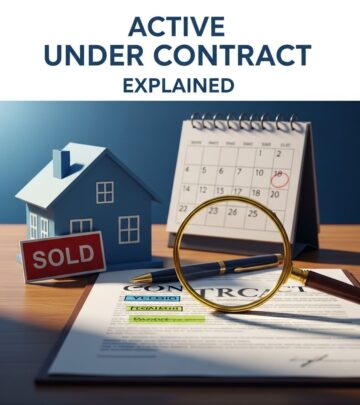
Q: What’s the difference between “sale pending” and “under contract”?
A: These terms are often used interchangeably in real estate. Both indicate that a buyer has made an offer that the seller has accepted. The distinction is that “sale pending” specifically means contingencies have been satisfied and the deal is moving toward closing, while “under contract” is a broader term that can apply to both contingent and pending properties.
Q: Can a sale pending property still fall through?
A: Yes, though it’s uncommon. Approximately 5% of pending sales fall through due to financing denials, inspection issues, appraisal problems, title issues, or other unforeseen complications that arise during the final closing stages.
Q: How long does a pending sale typically take to close?
A: The pending period usually takes 30 to 60 days, depending on local market conditions, lender requirements, and any complications that may arise during the transaction.
Q: What should I do if I want to make an offer on a pending home?
A: Contact the listing agent and ask if the seller is accepting backup offers. If they are, you can submit a backup offer with earnest money. Keep in mind that backup offers are binding agreements that you may not be able to easily exit if you change your mind.
Q: What happens to my earnest money if my backup offer isn’t used?
A: Your earnest money is held in escrow and will be returned to you if the primary sale closes successfully and your backup offer isn’t needed.
Q: Is it easier to buy a contingent or pending property?
A: Contingent properties offer a better chance of purchase since they have unmet conditions that could cause the sale to fall through. Pending properties are closer to closing and the seller is less likely to consider alternative offers. As a motivated buyer, you have better odds with a contingent property.
Q: What contingencies are most likely to cause a pending sale to fall through?
A: The most common reasons are financing denial, home inspection issues requiring renegotiation, low appraisals, title problems, and the buyer’s inability to sell their current home if that was a contingency.
Key Takeaways
Understanding what “sale pending” means is essential for anyone involved in real estate transactions. A pending sale indicates that a seller has accepted a buyer’s offer and all contingencies have been satisfied, moving the transaction toward closing. While the deal hasn’t finalized yet, properties in pending status are much closer to completion than those in contingent status.
If you encounter a pending property you’re interested in, you can potentially make a backup offer, though you should carefully consider the commitment involved. Work closely with your real estate agent to navigate the process and protect your interests. Remember that approximately 95% of pending sales successfully close, making this a relatively safe stage in the transaction, though rare complications can still cause deals to fall through.
References
- What Does Sale Pending Mean? — Bankrate. 2025. https://www.bankrate.com/real-estate/what-is-sale-pending/
- Pending vs. Contingent Listings In Real Estate — Bankrate. 2025. https://www.bankrate.com/real-estate/contingent-vs-pending/
- What does pending mean in real estate? — Rocket Mortgage. 2025. https://www.rocketmortgage.com/learn/what-does-pending-mean-in-real-estate
- Sale Pending: What Does It Mean & Should You Make an Offer? — Zillow. 2025. https://www.zillow.com/learn/sale-pending-what-does-it-mean-should-you-make-an-offer/
- 5 Reasons Pending Sales Fall Through in Real Estate — Realtor.com. 2025. https://www.realtor.com/advice/buy/reasons-pending-sales-fall-through-in-real-estate/
Similar Articles








Read full bio of medha deb