What Does Obsolete Mean in Business Accounting?
Understanding obsolescence in accounting and its impact on business finances.
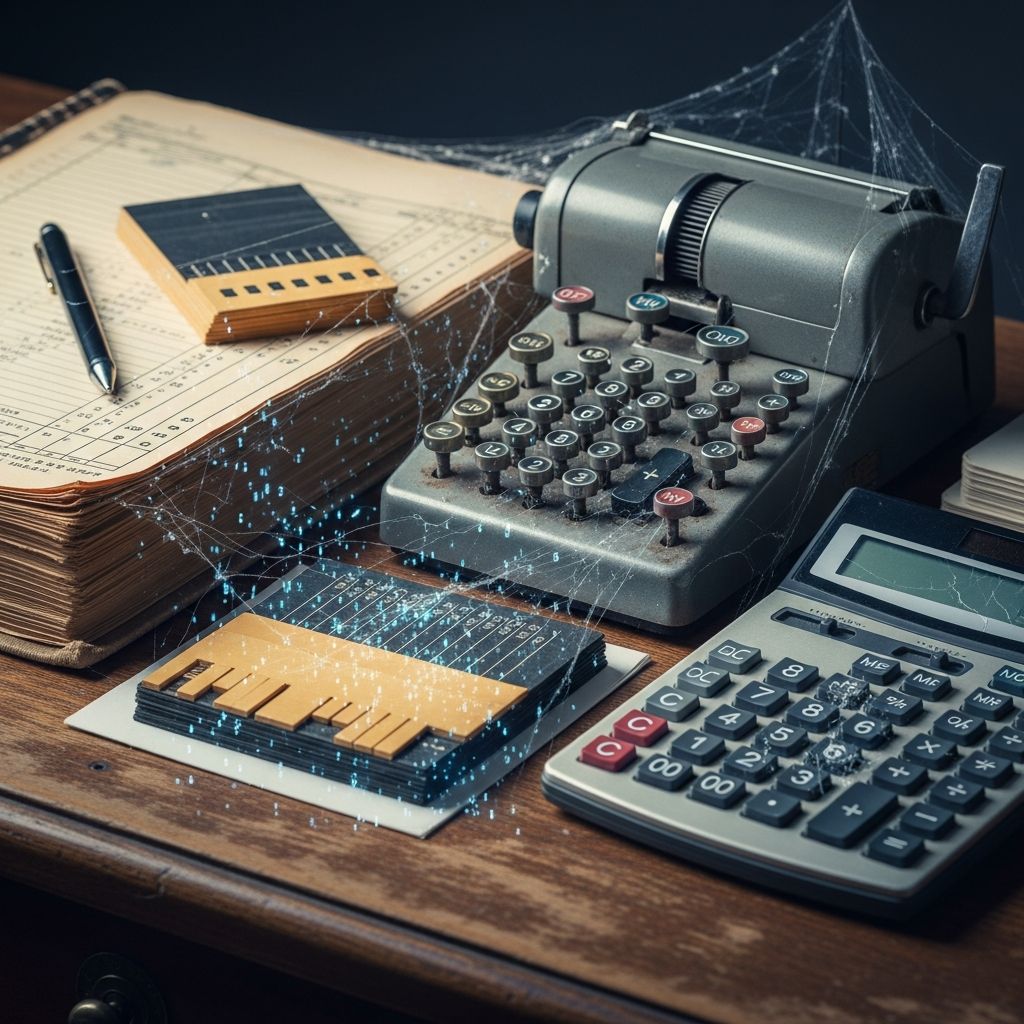
In the world of business and accounting, the term obsolete refers to assets or inventory items that are no longer useful, marketable, or productive. Obsolescence in accounting is a critical concept that every business owner, accountant, and financial manager should understand. When something becomes obsolete in a business context, it means that item has lost its value or utility, either due to technological advancements, changing market demands, or the introduction of newer alternatives. In practical terms, obsolete inventory represents products that a company purchased or produced but can no longer sell profitably or at all.
The concept of obsolescence extends beyond just inventory. It applies to capital assets, equipment, and other long-term assets that decline in value and utility over time. Understanding what obsolete means is essential for accurate financial reporting and maintaining the integrity of a company’s balance sheet.
Understanding Obsolete Inventory
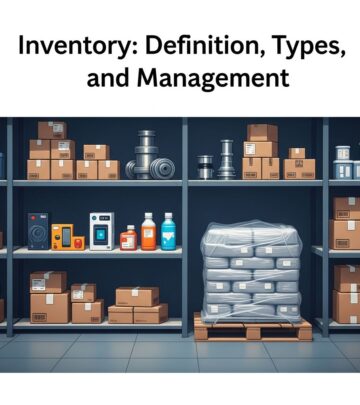
Obsolete inventory, also referred to as dead inventory or excess inventory, represents stock that a company still owns but should have sold or disposed of long ago. This inventory consists of products that have reached the end of their product life cycle without being purchased by consumers or used in production. The distinction is important: obsolete inventory is not simply slow-moving stock; it is inventory that has no realistic expectation of being sold in the future.
The primary reason inventory becomes obsolete is that it loses its original market value and utility. This can happen because:
- Technological innovations make products outdated or less competitive
- Consumer preferences shift toward newer, more advanced alternatives
- Market demand declines significantly for certain product categories
- New competitors introduce superior or more affordable options
- Product quality deteriorates due to age or storage conditions
When inventory becomes obsolete, the cost of the product is significantly lower than its original purchase price. According to generally accepted accounting principles (GAAP), companies must adjust the value of obsolete inventory to reflect its true net realizable value.
Why Does Obsolescence Occur?
Several factors contribute to inventory becoming obsolete in a business environment. Understanding these causes helps companies develop strategies to minimize obsolescence and improve inventory management.
Technological Advancements
One of the most significant drivers of obsolescence is rapid technological change. In industries such as electronics, software, and telecommunications, new technologies can render existing products obsolete almost overnight. When superior technology emerges, customers naturally prefer the newer option, leaving older inventory unsellable.
Changing Market Demands
Consumer preferences and market trends shift constantly. What was in high demand last year might be completely out of favor today. Fashion, consumer electronics, and seasonal products are particularly vulnerable to demand changes that can quickly obsolete inventory.
Business Mismanagement
Poor inventory management and forecasting errors can lead to overstock situations. When companies fail to accurately predict demand or ignore declining sales trends, they accumulate inventory that becomes obsolete. Lack of attention to inventory replenishment policies can result in large quantities of obsolete stock sitting in warehouses.
Product Lifecycle Changes
As product lifecycles continue to shorten across industries, inventory becomes obsolete faster than ever before. Companies have less time to sell through their inventory before newer versions or alternatives arrive on the market.
Financial Impact of Obsolete Inventory
Obsolete inventory creates significant financial consequences for businesses. These impacts affect multiple areas of a company’s financial statements and operational efficiency.
Balance Sheet Implications
When inventory becomes obsolete, its value must be reduced on the balance sheet. Failing to properly account for obsolete inventory results in several overstatements:
- Inventory assets appear higher than their actual value
- Current assets are inflated
- Working capital figures are overstated
- Owner’s or stockholders’ equity appears artificially high
These overstatements can mislead investors, creditors, and stakeholders about the company’s true financial position.
Storage and Carrying Costs
Obsolete inventory ties up valuable warehouse space that could be used for profitable products. Companies continue paying for storage, utilities, security, and inventory handling even though the items generate no revenue. These carrying costs accumulate over time, directly reducing profit margins and operational efficiency.
Capital Constraints
Money invested in obsolete inventory is essentially frozen capital. These funds cannot be redirected toward purchasing new, high-demand products or investing in business growth opportunities. This constraint can strain cash flow and make it difficult for businesses to meet operational expenses or seize timely market opportunities.
Write-Downs and Write-Offs
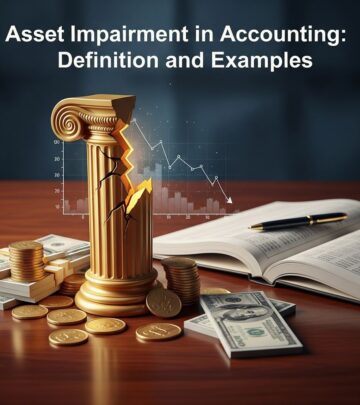
To comply with GAAP, companies must adjust their financial statements to reflect the true value of obsolete inventory. Write-downs reduce the reported value of inventory, while write-offs completely eliminate the asset from accounting records. Both accounting treatments reduce reported profits and negatively impact financial ratios, which can damage investor confidence.
Accounting Treatment of Obsolete Inventory
Proper accounting treatment of obsolete inventory is essential for maintaining accurate financial records and complying with GAAP standards. Companies must follow specific procedures when dealing with obsolete inventory.
Creating an Obsolete Inventory Reserve
Ideally, businesses should maintain an obsolete inventory reserve account that offsets inventory asset accounts on the balance sheet. This reserve represents the estimated amount by which inventory will be written down once specific items are identified as obsolete. By maintaining a reserve account, companies provide a more accurate picture of their inventory value.
Write-Downs versus Write-Offs
Companies have two primary accounting options for handling obsolete inventory. A write-down reduces the reported value of inventory to its current net realizable value without removing it from the records entirely. A write-off completely eliminates the inventory asset from accounting records, recognizing the full loss.
When recording obsolete inventory adjustments, accountants debit expense accounts and credit contra asset accounts. This treatment reduces the net reported value of the asset account on the balance sheet while recognizing an expense on the income statement.
Financial Statement Impact
The choice between write-downs and write-offs affects how obsolescence appears on financial statements. Both methods reduce net income and can negatively impact key financial metrics used by investors and creditors to evaluate company performance. The specific treatment depends on whether the inventory has any salvage value or residual market value.
Consequences and Red Flags
Large amounts of obsolete inventory represent a significant red flag for business financial health. The presence of substantial obsolete inventory suggests either that market demand for company products is weak or that management lacks effective inventory control capabilities.
Brand and Reputation Risks
Selling obsolete or outdated inventory at steep discounts can devalue a brand and make it less appealing to customers. If products sell past their prime, customers may experience dissatisfaction or product failures, leading to negative reviews and reduced brand trust. Companies must carefully manage excess stock to avoid damaging their reputation and future sales potential.
Disposal Costs
Eliminating obsolete inventory often requires companies to pay for transportation, recycling, or destruction services. Some companies sell outdated products at significant discounts, further reducing recovery value. These disposal costs add up quickly, especially in industries with rapidly changing product life cycles such as technology and fashion.
Strategies for Managing Obsolete Inventory
Effective inventory management strategies can help companies minimize obsolescence and protect profitability.
Remarketing and Repositioning
When management identifies items becoming obsolete, they may attempt remarketing strategies. Companies should explore selling these items in different markets or to different customer segments where there might still be demand. Creative packaging, bundling, or repositioning can sometimes revitalize interest in aging inventory.
Regular Inventory Monitoring
Close monitoring of inventory levels and usage patterns helps identify obsolescence early. The materials management department should track declining usage levels and disposition items promptly before they become completely obsolete. Regular inventory audits can reveal slow-moving stock before it becomes problematic.
Improved Forecasting and Demand Planning
Accurate demand forecasting prevents overstock situations that lead to obsolescence. Companies should invest in better inventory management systems and analytical tools to predict market demand more accurately. Understanding market trends and consumer behavior helps align inventory purchases with actual market needs.
Faster Inventory Turnover
Businesses can reduce obsolescence risk by focusing on faster inventory turnover. Regular sales promotions, clearance events, and strategic pricing can help move inventory before it becomes outdated. Shorter product holding periods reduce the time available for items to become obsolete.
Identifying Obsolete Inventory
Recognizing which inventory items are becoming or have become obsolete requires systematic analysis and monitoring. Several indicators suggest inventory is becoming problematic:
- No sales or usage for an extended period (typically 12 months or longer)
- Significant decline in demand compared to historical levels
- Newer or superior products have entered the market
- Technological advancements have rendered products less competitive
- Inventory age or condition has deteriorated
- Cost of holding inventory exceeds potential recovery value
Companies should establish clear policies and procedures for identifying and classifying obsolete inventory. Regular physical inventory counts combined with sales data analysis help identify problem items before they become complete losses.
Why Managing Obsolete Inventory Matters
Effective obsolete inventory management directly impacts a company’s bottom line and operational efficiency. The primary goal of inventory is to generate profit through sales. Obsolete inventory generates no profit and represents a loss to the business.
By managing obsolescence effectively, companies can:
- Maintain accurate financial statements that reflect true asset values
- Reduce carrying costs and improve warehouse efficiency
- Free up capital for investment in high-demand products
- Reduce tax burdens through legitimate write-offs
- Improve cash flow management
- Protect brand reputation and customer satisfaction
- Enhance overall profitability and operational performance
Frequently Asked Questions
Q: What is the difference between obsolete inventory and slow-moving inventory?
A: Slow-moving inventory sells occasionally but at a slower rate than expected. Obsolete inventory has no realistic expectation of selling and has effectively reached the end of its product lifecycle.
Q: How often should companies review inventory for obsolescence?
A: Companies should conduct regular inventory reviews, ideally quarterly or at minimum annually, to identify and address obsolete items promptly. More frequent reviews in industries with rapid product changes are recommended.
Q: Can obsolete inventory ever have value?
A: Yes, some obsolete inventory may retain salvage or scrap value. The materials management department may be able to recover some value by selling items in secondary markets, to liquidators, or for salvage purposes.
Q: How does obsolescence affect tax liability?
A: Writing off obsolete inventory as a business loss can reduce a company’s taxable income and lower its overall tax liability. Companies should consult with tax professionals to understand the specific tax implications of their obsolescence write-offs.
Q: What accounting standard governs obsolete inventory?
A: Generally accepted accounting principles (GAAP) require companies to value inventory at the lower of cost or net realizable value. When inventory becomes obsolete, it must be adjusted to reflect its true market value.
References
- Obsolete Inventory Definition and Impact — AccountingTools. Accessed November 2025. https://www.accountingtools.com/articles/obsolete-inventory
- Obsolescence in Financial Accounting — Fiveable. Accessed November 2025. https://fiveable.me/key-terms/financial-accounting/obsolescence
- Definition of Obsolete Inventory — Accounting Coach. Accessed November 2025. https://www.accountingcoach.com/blog/what-is-obsolete-inventory
- Accounting For Obsolete Inventory — BooksTime. Accessed November 2025. https://www.bookstime.com/articles/accounting-for-obsolete-inventory
- Understanding Obsolete Inventory and Management Strategies — Finale Inventory. Accessed November 2025. https://www.finaleinventory.com/inventory-management/obsolete-inventory-management
- Obsolete Inventory Management: Causes and Solutions — EazyStock. Accessed November 2025. https://www.eazystock.com/blog/obsolete-inventory-management-causes-cures/
Similar Articles








Read full bio of Sneha Tete