What Credit Score Do You Need For A Credit Card?
Discover the credit scores needed for different credit cards and learn how to qualify.

Your credit score is one of the most important factors that determine whether you’ll be approved for a credit card. It’s a three-digit number that represents your creditworthiness and your ability to repay borrowed money. Understanding what credit score you need for a credit card can help you make informed decisions about which cards to apply for and how to build or improve your credit profile. The good news is that there are credit card options available for almost any credit score range, though cards with the best rewards, lowest interest rates, and highest credit limits are typically reserved for those with good to excellent credit scores.
Before you start comparing specific credit card offers, it’s essential to know your credit score and understand what that number means. Your credit score affects not only your ability to get approved for credit cards but also your ability to own or rent property, buy a car, and secure favorable insurance premiums. This guide will help you understand credit scoring models, find the right card for your score, and learn how to improve your creditworthiness over time.
Understanding Credit Score Ranges
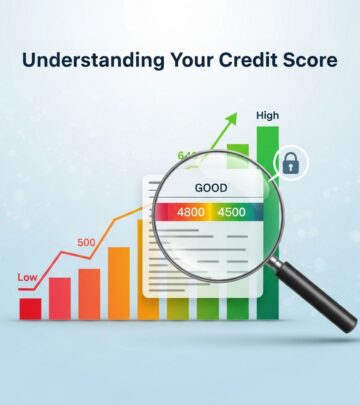
Credit scoring companies use different models to calculate your credit score, but the two major scoring models are FICO and VantageScore. Both models use a scale from 300 to 850, with higher scores indicating better creditworthiness. However, the ranges and terminology used by these two scoring models differ slightly.
FICO Score Ranges
The FICO Score is the most commonly used credit scoring model and is preferred by most credit card issuers when evaluating your application. FICO divides credit scores into the following categories:
- Very Poor: 300 to 499
- Poor: 500 to 600
- Fair: 601 to 660
- Good: 661 to 780
- Excellent: 780 to 850
When applying for credit cards, most issuers focus on the standard FICO Score, but they may also consider your FICO Bankcard Score, which is a specialized scoring model designed specifically to evaluate credit card applications. The FICO Bankcard Score emphasizes factors that are particularly relevant to credit card usage and behavior, such as credit card balances, payment history, and other credit card-related behaviors. This score can differ from your regular FICO Score, so it’s worth checking both if you’re serious about getting approved for a specific card.
VantageScore Ranges
VantageScore is another widely used credit scoring model that provides an alternative perspective on your creditworthiness. VantageScore uses slightly different range categories compared to FICO:
- Very Poor: 300 to 499
- Poor: 500 to 600
- Fair: 601 to 660
- Good: 661 to 780
- Excellent: 780 to 850
While FICO and VantageScore ranges are similar, it’s important to note that your score may differ between the two models since they use different calculation methods and weighting formulas. When researching credit cards, check whether the issuer uses FICO or VantageScore to ensure you’re getting an accurate picture of your eligibility.
How Your Credit Score Affects Credit Card Approval
Your credit score plays a crucial role in determining whether you will be approved for a credit card. Lenders use your credit score to assess your creditworthiness and your ability to manage debt responsibly. Understanding this relationship can help you set realistic expectations about which cards you can apply for and what terms you might receive.
Approval Likelihood by Score Range
A higher credit score typically increases your chances of approval for credit cards with better terms, lower interest rates, and higher credit limits. Conversely, a lower credit score may lead to rejection or approval for cards with less favorable terms, higher annual percentage rates (APRs), or lower credit limits. Here’s what you can generally expect at different score ranges:
- Excellent Credit (780-850): You have the best chance of approval for premium credit cards with the highest rewards, lowest APRs, and best perks. Most premium cards require scores in this range.
- Good Credit (661-780): You can qualify for many popular rewards cards and general-purpose credit cards with solid terms. This is the range where you start seeing competitive interest rates and rewards programs.
- Fair Credit (601-660): You have options, but they may be limited compared to those with good or excellent credit. You might face higher interest rates or annual fees. Starter cards and cards designed for building credit are a good fit for this range.
- Poor Credit (500-600): Your options are limited, and approval is not guaranteed. Cards marketed toward people with poor credit, such as secured credit cards, are your best option. You’ll likely face higher fees and APRs.
- Very Poor Credit (300-499): Getting approved for any credit card is challenging. Secured credit cards with a cash deposit are typically your only realistic option to begin rebuilding your credit.
Credit Card Options for Every Score Range
The good news is that there’s a credit card out there for just about any credit score, including those with average to poor credit. While cards with the strongest rewards and other premium perks are typically reserved for those with good to excellent credit, people with fair or poor credit scores have solid options available to them.
Cards for Good to Excellent Credit
If you have a FICO Score of 670 or higher, you qualify for most popular credit cards on the market. At this level, you’re more likely to qualify for higher credit limits, better interest rates, and cards with premium rewards programs. Most major card issuers recommend a good to excellent credit score for their cards, and many will highlight their recommended credit score range on their website or in their marketing materials.
Cards for Fair Credit
With a fair credit score ranging from 601 to 660, you have more options than those with poor credit, but you may face some limitations. Credit card issuers catering to this range typically offer competitive terms, though you might see higher APRs or annual fees compared to cards designed for good credit scores. Many starter cards and cards designed to help people build or rebuild their credit fall into this category.
Cards for Poor and Very Poor Credit
If you have a poor or very poor credit score, secured credit cards are often your best option. These cards require a cash deposit that serves as collateral, making them less risky for lenders to issue. The cash deposit typically becomes your credit limit, and responsible use of a secured card can help you build or rebuild your credit over time. Most cards require scores of 670 or above, but secured and annual fee cards offer approvals for users with scores significantly lower than 500.
Factors That Impact Credit Card Approval
While your credit score is the primary factor card issuers consider, it’s not the only thing that matters. Several other factors can influence your approval odds:
Your Debt-to-Income Ratio
Your debt-to-income (DTI) ratio is the percentage of your monthly gross income that goes toward paying debt obligations. Most creditors prefer a DTI of less than 36 percent. You could still get approved with a DTI between 36 and 41 percent, but approval becomes more challenging with ratios above 41 percent. If your DTI is too high, work on paying down existing debt and increasing your income to improve your approval chances.
Payment History
Payment history is the most important factor in your credit score, accounting for 35 percent of your FICO Score. Issuers look at whether you’ve paid your bills on time and whether you have any late payments, charge-offs, or collections on your credit report. Even with a decent overall score, recent late payments can work against you in the approval process.
Credit Utilization Ratio
Your credit utilization ratio is the amount of available credit you’re currently using, expressed as a percentage. Lenders prefer to see this ratio below 30 percent, as high utilization can suggest you’re overextended financially. Keeping your credit utilization low demonstrates responsible credit management and can improve your approval chances.
Steps to Improve Your Approval Odds
If you’re concerned about your credit score or approval odds, there are several steps you can take to strengthen your application:
Check Your Credit Score and Correct Errors
Start by checking your credit score to understand where you stand. Once you know your score, review your credit reports from all three major credit bureaus (Equifax, Experian, and TransUnion) for errors. Mistakes on your credit report can unfairly lower your score, so disputing inaccuracies can help improve your creditworthiness. You’re entitled to one free credit report from each bureau every 12 months through AnnualCreditReport.com.
Check a Card’s Recommended Credit Score
Before applying, check the recommended credit score for the specific card you’re interested in. Card issuers typically mention the credit score they recommend having for a solid chance of approval on their website. Many popular cards suggest a good to excellent credit score (a FICO Score of 670 or higher), but plenty of cards are available if you have a lower score. Bankrate’s credit card reviews list the recommended credit scores for their respective cards, allowing you to target applications toward cards where you have a realistic chance of approval.
See If You Prequalify
While there’s no guarantee for approval, being prequalified or preapproved gives you reasonable confidence that your application may be approved. Some issuers may send preapproved offers in the mail or let you submit basic personal information to check if you prequalify on their website. Third-party options like Bankrate’s CardMatch tool may also provide prequalified offers. Using prequalification tools doesn’t trigger a hard inquiry on your credit report, so it won’t hurt your credit score.
Lower Your Debt-to-Income Ratio
If your DTI is above 36 percent, work on paying down existing debt to lower this ratio. Even reducing your DTI by a few percentage points can improve your approval odds significantly. Alternatively, increasing your income through additional employment or side gigs can also improve your DTI ratio.
Understanding FICO Bankcard Score
For credit card applications specifically, it’s important to understand the FICO Bankcard Score. This specialized credit scoring model was developed specifically to evaluate credit card applications and emphasizes factors particularly relevant to credit card usage and behavior. The FICO Bankcard Score differs from the standard FICO Score by concentrating more on your credit card balances, payment history, and other credit card-related behaviors. If you want to maximize your approval odds for credit cards, knowing your FICO Bankcard Score or FICO Score 8 is beneficial, as these are the score versions commonly used by many credit card issuers.
Building Credit With Strategic Card Choices
If you currently have fair, poor, or very poor credit and can’t qualify for the card you want, a starter card may help you build up your score. An advantage of credit cards for bad to fair credit scores is the potential to help you build an even better score over time. Look for cards that report to the major credit bureaus, include incentives for positive credit habits like credit limit increases, and offer the chance to graduate to a more lucrative secured or unsecured credit card. With patience and good scoring habits, such as paying your bills on time and keeping your credit utilization low, you’ll soon qualify for today’s best credit cards.
Frequently Asked Questions
Q: What is the minimum credit score needed to get approved for a credit card?
A: There is no universal minimum credit score for credit card approval, as different issuers have different requirements. However, some cards are specifically designed for people with poor credit scores below 580. Most mainstream credit cards require scores of 670 or above, though secured cards are available for those with scores as low as 300.
Q: Can I get a credit card with no credit history?
A: Yes. Secured cards and student cards are specifically designed for people with no credit history. These cards can help you establish a credit history, which is essential for qualifying for better credit cards in the future.
Q: How long does it take to build credit to qualify for better cards?
A: Building credit takes time, but you can see improvements relatively quickly by making on-time payments and keeping your credit utilization low. Most people see meaningful credit score improvements within 3-6 months of positive credit behavior, though reaching excellent credit scores typically takes 1-2 years or longer.
Q: Will checking my credit score hurt my credit?
A: No. Checking your own credit score is a soft inquiry and does not affect your credit score. However, when a lender checks your credit as part of an application, that’s a hard inquiry, which can temporarily lower your score by a few points.
Q: What’s the difference between prequalification and preapproval?
A: Prequalification is a preliminary assessment based on limited information and doesn’t guarantee approval. Preapproval is a stronger indication of approval, as the issuer has verified your information. Both typically use soft inquiries, so they don’t hurt your credit score.
The Bottom Line
Your credit score is a critical factor in determining which credit cards you can qualify for and what terms you’ll receive. If you have a specific card you’re interested in applying for, check its minimum credit score requirements to see if you might qualify. A fair to good score may not get you the very best card out there, but you still have solid options. If you can’t qualify for the card you want right now, start with a starter card or secured card designed for your credit level. With patience and good scoring habits—such as paying your bills on time, paying off outstanding debts, and keeping your credit utilization ratio low—you’ll soon qualify for today’s best credit cards.
References
- What Credit Score Do You Need For A Credit Card? — Bankrate. 2025-11-29. https://www.bankrate.com/credit-cards/advice/what-credit-score-for-credit-card/
- What You Need To Know About Your Credit Score — Bankrate. 2025-11-29. https://www.bankrate.com/credit-cards/advice/what-is-a-credit-score/
- How To Apply For A Credit Card And Get Approved — Bankrate. 2025-11-29. https://www.bankrate.com/credit-cards/advice/how-to-apply-for-a-credit-card/
- 9 Tips for Maximizing Your Approval for a Credit Card — Bankrate. 2025-11-29. https://www.bankrate.com/credit-cards/advice/tips-for-getting-approved-for-a-credit-card/
- Best Credit Cards for a 500 Credit Score (or Less) — Bankrate. 2025-11-29. https://www.bankrate.com/credit-cards/bad-credit/credit-cards-for-500-credit-score/
- How To Get A Credit Card With Bad Credit — Bankrate. 2025-11-29. https://www.bankrate.com/credit-cards/bad-credit/how-to-get-a-credit-card-with-bad-credit/
- What Credit Score Do You Start With? — Bankrate. 2025-11-29. https://www.bankrate.com/personal-finance/credit/what-credit-score-do-you-start-with/
Similar Articles








Read full bio of medha deb