What Car Should I Buy? A Practical Buyer’s Guide
Learn how to choose the right car by balancing lifestyle, budget, financing, and long-term costs before you buy.

Choosing a car is about far more than color, brand, or what your friends drive. The right vehicle should fit your lifestyle, support your financial goals, and be affordable not just today, but for years to come. Asking yourself “What car should I buy?” is the first step toward a thoughtful decision rather than an impulse purchase.
This guide mirrors a typical car-buying quiz and framework: you will walk through your lifestyle, budget, credit, financing, and long-term costs so you can confidently narrow down which type of car makes the most sense for you.
Start With Your Lifestyle: How Will You Really Use Your Car?
Before you compare models or take test drives, clearly define how you will use your car in everyday life. Your lifestyle determines the size, features, and type of vehicle that will serve you best.
Daily Driving and Commute Patterns
Consider what a typical week looks like for you. A car that is perfect for long highway commutes may not be ideal for city parking or occasional weekend trips.
- Commute length: Do you drive short city distances or long highway miles every day?
- Driving environment: Mostly city, mostly highway, or a mix of both?
- Traffic conditions: Stop-and-go traffic may favor fuel-efficient or hybrid vehicles.
- Parking situation: Tight urban parking might make compact cars more practical.
Fuel costs can be a major part of car ownership, especially if you drive long distances. Fuel-efficient cars can reduce monthly expenses and free up money in your budget for other priorities.
Passengers, Cargo, and Space Needs
Next, think about who and what you need to transport on a regular basis.
- Do you usually drive alone, with a partner, or with kids?
- Do you need room for car seats or regular ridesharing with friends or coworkers?
- Do you carry sports gear, tools, luggage, or pets frequently?
- Do you need fold-flat seats, a large trunk, or roof racks?
If you rarely carry more than one passenger and don’t need much cargo space, a compact sedan or hatchback may be enough. If you often transport family, equipment, or bulky items, a midsize SUV, minivan, or wagon might be more suitable.
Climate, Terrain, and Safety Considerations
Your local weather and road conditions should also influence your choice.
- Winter weather: If you face snow and ice, you may benefit from all-wheel drive, good ground clearance, and stability control.
- Rural or rough roads: Consider vehicles designed to handle uneven or unpaved roads.
- Urban areas: Look for good visibility, compact size, and strong safety ratings for city driving.
Independent safety ratings from agencies like the National Highway Traffic Safety Administration (NHTSA) and the Insurance Institute for Highway Safety (IIHS) can help you compare crash-test performance and safety features between models.
Know Your Numbers: How Much Car Can You Afford?
Once you understand your lifestyle needs, the next question is “What can I realistically afford?” The goal is to choose a car that supports your overall financial health, not one that undermines it with high monthly payments and surprise expenses.
Setting a Realistic Car Budget
Financial educators commonly suggest keeping total car-related costs within a reasonable share of your income so you can still save, invest, and pay down other debts. A simple benchmark is to keep your total transportation budget—including loan payment, insurance, fuel, parking, and maintenance—within a conservative percentage of your monthly take-home pay.
To gauge affordability, list these estimated monthly costs:
- Loan or lease payment
- Insurance premium
- Fuel
- Routine maintenance and repairs (averaged over the year)
- Parking, tolls, and registration (if applicable)
Commit to a maximum monthly amount you are comfortable with before going to the dealership or applying for financing.
Factoring in Upfront Costs
Beyond the monthly payment, be prepared for upfront costs that come with buying a car:
- Down payment: A larger down payment reduces the amount you need to borrow and may qualify you for better interest rates.
- Taxes and fees: Sales tax, title, registration, and documentation fees can add significantly to the purchase price.
- Pre-purchase inspection: Especially important for used cars, a professional inspection can reveal hidden issues.
Larger down payments generally reduce the risk of owing more than the car is worth (being “upside down” on your loan) and may lower your overall interest costs over time.
Estimating Total Cost of Ownership
The sticker price is only the beginning. To choose the right car, consider the total cost of ownership over several years, including:
- Depreciation (how much value the car loses over time)
- Insurance premiums (which can vary significantly between models)
- Fuel costs based on miles per gallon and your driving habits
- Maintenance, repairs, and reliability
- Registration and property taxes (where applicable)
Some vehicles may cost more upfront but retain their value better or have lower maintenance costs. Reliable models can reduce the likelihood of unexpected repair bills and disruptions.
New vs. Used: Which Is Better for You?
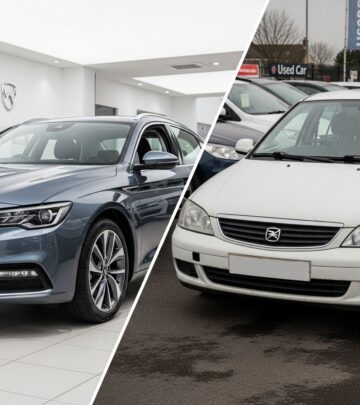
A key part of deciding what car to buy is choosing between a new and a used vehicle. Each option has trade-offs in terms of cost, warranty protection, features, and risk.
| Factor | New Car | Used Car |
|---|---|---|
| Purchase price | Higher upfront cost | Lower upfront cost |
| Depreciation | Fastest in first few years | Slower after initial depreciation |
| Warranty | Full manufacturer warranty | May be limited, expired, or certified pre-owned |
| Reliability history | Brand new, unknown long-term track record | Can review reliability data for older models |
| Features | Latest safety and tech features | May have fewer or older features |
Advantages of Buying New
New cars often appeal to buyers who prioritize peace of mind and the latest features.
- Full factory warranty coverage for several years or a set mileage.
- Latest safety technology and fuel-efficiency improvements.
- No previous wear and tear or unknown history.
- Often easier to finance with promotional interest rates for qualified buyers.
The downside is rapid depreciation; many new vehicles lose a significant portion of their value in the first three years. If you plan to keep your car long term, this may matter less, but it is still important to understand.
Advantages of Buying Used
Used cars can be a better fit if you aim to minimize costs and avoid steep depreciation.
- Lower purchase price and potentially lower insurance costs.
- Slower depreciation once the vehicle is a few years old.
- Ability to research reliability, common issues, and ownership experiences for that specific model year.
- Certified pre-owned (CPO) options can provide extended warranties and inspections by the manufacturer.
When buying used, it is especially important to review vehicle history reports and have a trusted mechanic inspect the car before purchase to identify potential problems.
Consider Your Credit Score and Financing Options
How you pay for your car matters as much as which car you choose. Your credit score, loan terms, and interest rate will significantly affect the total cost of your purchase.
Why Your Credit Score Matters
Lenders rely on your credit score and credit history to determine your loan eligibility and the interest rate they offer. Higher scores generally qualify for lower interest rates and better terms, which can reduce your monthly payment and the overall amount of interest paid over the life of the loan.
If your score is not where you want it to be, steps like paying bills on time, reducing existing debt, and checking your credit reports for errors can help improve it over time.
Comparing Auto Loan Offers
Before you visit a dealership, it can be helpful to gather pre-approval offers from banks, credit unions, or online lenders.
- Loan amount: How much the lender is willing to finance.
- Annual percentage rate (APR): Includes interest and certain fees.
- Loan term: The number of months you will make payments.
- Monthly payment estimate: To see how it fits your budget.
A longer loan term can reduce the monthly payment but may increase the total interest paid over time. Balancing an affordable payment with a reasonable loan term is key to avoiding paying far more than the car’s purchase price over the years.
Down Payments and Trade-Ins
If you already own a vehicle, trading it in can reduce the amount you need to finance. You can also sell your current car privately and use the cash as a down payment. In general:
- A larger down payment reduces the loan amount and interest costs.
- Putting money down can help avoid owing more than the car is worth if its value declines.
- A strong down payment, combined with a good credit history, can improve your negotiating position with lenders and dealers.
Essential Features, Safety, and Must-Haves
Once you know your budget and financing, define your must-have and nice-to-have features. Separating these categories helps you stay focused during shopping and avoid paying for extras you do not need.
Safety Features to Prioritize
Modern vehicles often come with advanced safety technologies designed to prevent crashes and protect occupants. Examples include:
- Electronic stability control
- Multiple airbags and side curtain airbags
- Automatic emergency braking
- Lane departure warning or lane keeping assist
- Blind-spot monitoring and rear cross-traffic alert
- Backup cameras and parking sensors
Look up crash-test ratings from reputable organizations and compare models within the same class. Higher safety ratings can be a meaningful factor, especially if you regularly drive with passengers or in challenging conditions.
Comfort, Technology, and Convenience
Beyond safety, consider the features that make your daily driving experience easier and more enjoyable:
- Comfortable seating and driving position
- Climate control (including rear-seat vents if you often carry passengers)
- Infotainment system (touchscreen, smartphone integration, navigation)
- Charging ports and connectivity for devices
- Keyless entry and push-button start
- Heated seats or steering wheel in colder climates
Decide which features are essentials versus bonuses. A car that meets your core requirements at a lower price may be a better long-term choice than a fully loaded model that strains your budget.
Reliability, Maintenance, and Long-Term Planning
Cars are long-term commitments. Thinking beyond the initial purchase will help you choose a vehicle that remains affordable and dependable over time.
Researching Reliability and Common Issues
Some models are known for long-lasting performance, while others may have more frequent or expensive repairs. Independent reliability data compiled from owners and repair records can help you identify patterns in reliability by model and year.
Before deciding, research:
- Average repair frequency and cost
- Known problem areas for the model
- Warranty coverage and length
- Availability and cost of replacement parts
Planning for Routine Maintenance
Regular maintenance—such as oil changes, brake service, and tire rotations—helps prolong the life of your car and maintain safety. Include these estimated costs in your budget and, if possible, set aside savings specifically for vehicle upkeep.
Some vehicles may have higher routine maintenance costs due to specialized parts or service requirements. Others may have lower costs because parts are widely available and mechanics are familiar with the model.
How to Use a Car-Buying Quiz Framework
A car-buying quiz is essentially a structured way to answer the core questions in this guide:
- What is my primary use for the car (commuting, family, business, travel)?
- How much can I afford monthly without sacrificing savings and other goals?
- Is new or used a better fit for my financial and lifestyle needs?
- What are my must-have safety and comfort features?
- How important are fuel efficiency and long-term reliability to me?
By working through these questions honestly, you narrow down the types of vehicles that align with both your daily life and your financial plan. From there, you can compare specific models, schedule test drives, and review offers with more confidence.
Frequently Asked Questions (FAQs)
Q: How do I decide what my car budget should be?
A: Start with your monthly take-home pay and subtract essential expenses like housing, food, utilities, and minimum debt payments. From the remaining amount, decide how much you are comfortable committing to total car costs (payment, insurance, fuel, and maintenance). Choose a conservative number so you can still save for emergencies and long-term goals.
Q: Is it better to buy a cheaper car in cash or finance a more expensive one?
A: Paying cash for a reliable, less expensive car can help you avoid interest and monthly debt payments. Financing a more expensive car may offer more features and convenience, but it also adds long-term obligations. Compare the total cost of financing, including interest, and consider how the payment fits with your broader financial priorities.
Q: How long should my car loan term be?
A: Shorter loan terms usually mean higher monthly payments but lower total interest costs. Longer terms reduce your monthly payment but can significantly increase the total amount you pay and may keep you in debt for more years. Aim for the shortest term that still fits comfortably within your budget.
Q: How important is my credit score when buying a car?
A: Your credit score strongly affects the interest rate and loan offers you receive. Higher scores generally result in lower interest rates and more favorable terms, reducing your total cost. If possible, check and improve your credit before applying for a car loan so you have more options and bargaining power.
Q: Should I prioritize safety ratings or lower price?
A: Safety ratings from independent agencies provide valuable information about how well a vehicle protects occupants in different crash scenarios. While price is important, safety features and strong crash-test results can be especially critical if you regularly carry passengers or drive in heavy traffic. Balancing safety and affordability is ideal; many models offer solid safety ratings at moderate price points.
References
- How to Budget for Car Ownership — Consumer Financial Protection Bureau (CFPB). 2023-05-10. https://www.consumerfinance.gov/about-us/blog/how-to-budget-for-car-ownership/
- 5-Star Safety Ratings — National Highway Traffic Safety Administration (NHTSA). 2023-10-01. https://www.nhtsa.gov/ratings
- Vehicle Ratings — Insurance Institute for Highway Safety (IIHS). 2024-01-15. https://www.iihs.org/ratings
- Consumer Reports Car Reliability Guide — Consumer Reports. 2024-02-01. https://www.consumerreports.org/cars-car-reliability-guide/
- Credit Reports and Scores — Consumer Financial Protection Bureau (CFPB). 2024-03-20. https://www.consumerfinance.gov/consumer-tools/credit-reports-and-scores/
Similar Articles








Read full bio of medha deb