What Are Soft Skills and Why Do They Matter
Master essential soft skills to advance your career and excel in any professional environment.

Understanding Soft Skills: Definition and Importance
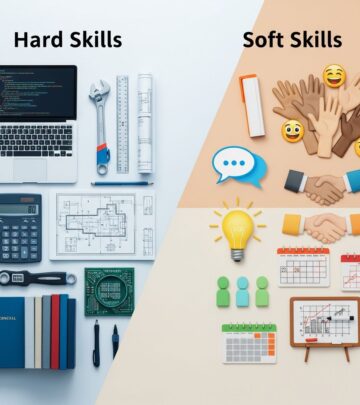
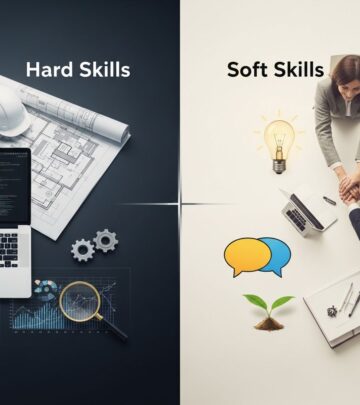
Soft skills are the personal attributes and interpersonal abilities that define how you interact and work with others in a professional environment. Unlike hard skills, which are technical and job-specific competencies required to perform particular tasks, soft skills are character traits and behavioral qualities that transfer across industries and roles. These include communication, teamwork, adaptability, emotional intelligence, empathy, and problem-solving capabilities.
In today’s competitive job market, soft skills have become increasingly critical for career advancement and professional success. Employers recognize that technical expertise alone is insufficient; they seek candidates who can collaborate effectively, communicate clearly, and navigate complex interpersonal dynamics. Soft skills often determine how well you contribute to team objectives, handle challenges, and grow within an organization. The ability to work harmoniously with colleagues, manage conflicts, and demonstrate leadership qualities can set you apart from other candidates just as much as your technical qualifications.
The Distinction Between Hard Skills and Soft Skills
Understanding the difference between hard and soft skills is essential for comprehensive professional development. Hard skills are tangible, measurable technical competencies such as programming languages, accounting software, data analysis, or specialized certifications required for specific job functions. These skills are typically industry-specific and can be objectively evaluated through tests or demonstrations.
Soft skills, by contrast, are interpersonal and behavioral qualities that are more subjective and difficult to quantify. While hard skills might get you hired, soft skills determine how effectively you perform in that role and how well you integrate into the organizational culture. The most successful professionals excel in both areas—they possess the technical expertise needed for their position while simultaneously demonstrating strong communication, leadership, and teamwork abilities.
Top In-Demand Soft Skills
Employers consistently prioritize certain soft skills when evaluating candidates and team members. Understanding which skills are most valued can help you focus your development efforts strategically.
Communication Skills
Clear, effective communication stands as the foundation of workplace success and professional relationships. Strong communication extends beyond merely speaking or writing; it involves ensuring your message is understood, listening to what others are saying, and tailoring your approach to different audiences. In modern workplaces where remote teams and cross-functional projects are commonplace, communication skills ensure ideas flow seamlessly and individuals can express complex concepts clearly.
Effective communicators build trust, prevent misunderstandings, and foster collaboration. To develop this skill, seek feedback on your clarity, practice active listening, and work on adapting your communication style to various contexts and audiences. This includes mastering written communication, public speaking, and one-on-one conversations.
Teamwork and Collaboration
The ability to work effectively with others and contribute to shared objectives is invaluable in virtually every workplace setting. Teamwork involves understanding your role within a larger group, supporting colleagues, and working toward common goals. Professionals with strong collaborative abilities recognize that diverse perspectives strengthen problem-solving and drive innovation.
Collaboration requires putting team success ahead of individual achievement, offering help when needed, and being willing to receive input from others. Building strong interpersonal skills enables you to connect with people on deeper levels, fostering trust and cooperation that strengthens team dynamics.
Adaptability and Flexibility
In an ever-changing business landscape, adaptability has become a critical competitive advantage. Adaptability means the ability to adjust to new roles, technologies, processes, and organizational changes while maintaining productivity and morale. Flexibility goes beyond simply accepting change; it involves stepping up when situations shift unexpectedly and finding constructive ways to move forward.
Employees who master adaptability embrace uncertainty and transform challenges into opportunities for growth. This skill becomes particularly valuable during organizational transitions, technological implementations, or shifts in market conditions. Those who can remain calm and positive during change while quickly learning new systems tend to advance faster in their careers.
Problem-Solving and Critical Thinking
Employers highly value individuals who can identify issues, analyze root causes, and develop effective solutions efficiently. Strong problem-solving involves breaking down complex challenges into manageable components, researching potential solutions, and consulting with colleagues to find scalable, long-term approaches rather than quick fixes.
Critical thinking complements problem-solving by enabling you to evaluate information objectively, consider multiple perspectives, and make well-informed decisions. These skills demonstrate that you can think strategically and contribute meaningfully to organizational challenges.
Emotional Intelligence and Empathy
Emotional intelligence—the capacity to understand and manage your own emotions while recognizing and responding to others’ emotional states—has emerged as a cornerstone of leadership and workplace effectiveness. Empathy, the ability to understand and share others’ feelings, directly impacts trust-building, conflict resolution, and team morale.
Leaders with strong emotional intelligence create psychologically safe environments where employees feel valued and understood. They can navigate difficult conversations, recognize when team members are struggling, and respond with compassion. Developing empathy involves practicing active listening, asking questions that invite others to share perspectives, and paying attention to non-verbal communication cues.
Leadership and Decision-Making
Leadership soft skills have evolved beyond formal management positions. In today’s collaborative workplace, decision-making ability is expected from employees at all levels. Strong decision-makers analyze situations carefully, anticipate potential risks, and choose courses of action that create positive outcomes.
Effective leadership soft skills include delegation, resource management, visionary thinking, and the ability to inspire others. According to leadership research, qualities such as trust, compassion, stability, and hope significantly boost employee engagement and organizational performance. These qualities require both emotional intelligence and practical competencies in communicating expectations and supporting team members.
Additional In-Demand Soft Skills
Beyond the core skills mentioned, employers also value:
| Skill | Definition |
| Conflict Resolution | Addressing disagreements professionally, staying calm under pressure, and finding solutions that benefit all parties |
| Customer Service | Actively listening, staying calm, and striving to exceed customer expectations consistently |
| Time Management | Organizing tasks efficiently, prioritizing effectively, and meeting deadlines while maintaining quality |
| Creativity and Innovation | Generating new ideas, thinking outside conventional boundaries, and proposing innovative solutions |
| Patience | Remaining calm under pressure, making thoughtful decisions, and maintaining composure during challenges |
| Networking | Building and maintaining professional relationships that create mutual benefit and career opportunities |
| Negotiation | Reaching mutually beneficial agreements through dialogue and compromise |
| Work Ethic | Demonstrating reliability, commitment, and strong performance in job responsibilities |
Why Employers Prioritize Soft Skills
The shift toward valuing soft skills reflects broader changes in how work gets accomplished. Organizations increasingly recognize that technical skills can be taught, but soft skills fundamentally shape workplace culture and employee effectiveness. Several factors drive this emphasis:
Enhanced Communication and Collaboration: Professionals equipped with soft skills can understand and interact effectively with diverse groups—clients, customers, coworkers, and managers. They convey thoughts respectfully and compellingly while building productive, harmonious teams.
Stronger Leadership Quality: The best leaders demonstrate strong critical thinking, powerful communication, and genuine empathy. These soft skills enable effective delegation, inspire team members, and drive organizational success.
Improved Problem-Solving: In fast-paced work environments, adaptability and flexibility allow employees to anticipate and proactively adjust to sector changes. Combined with strong problem-solving abilities, these skills help organizations navigate challenges efficiently.
Building Trust and Reducing Conflicts: Emotional intelligence and empathy build strong rapport and facilitate trust—the foundation of effective workplaces. When employees emphasize these soft skills, conflicts transform into opportunities for greater understanding and tangible improvements.
Developing and Strengthening Your Soft Skills
Soft skills are not innate traits; they can be deliberately developed and refined throughout your career. Strategic approaches to skill development accelerate your professional growth.
Practice in the Workplace
The most effective way to build soft skills is using them regularly in real-life situations. Volunteering to lead meetings or manage small projects provides practical experience in communication and organization. Practicing conflict resolution by addressing disagreements directly and offering constructive feedback to colleagues strengthens these critical abilities. Stepping into more challenging roles that demand collaboration and complex problem-solving accelerates skill development through hands-on learning.
Seek Mentorship
Mentorship relationships significantly accelerate personal and professional development. A skilled mentor offers insight into navigating workplace dynamics, challenges your thinking to encourage growth, and helps you identify blind spots in your approach. Mentors share their experiences, helping you learn from their successes and mistakes. They also assist in recognizing and overcoming personal biases that might limit your effectiveness. Learning from someone who has already mastered these skills provides invaluable perspective and guidance.
Pursue Formal Training
Many organizations offer workshops, online courses, and training programs focused on developing specific soft skills. These structured learning opportunities provide frameworks for understanding concepts and practicing techniques in supportive environments. Leadership development programs, communication workshops, and emotional intelligence training can accelerate skill development when supplemented with workplace practice.
Solicit and Act on Feedback
Regular feedback from colleagues, supervisors, and mentors reveals how others perceive your soft skills and where improvement opportunities exist. Being open to constructive criticism and actively working to implement suggestions demonstrates your commitment to growth. Asking specific questions about your communication clarity, teamwork effectiveness, or leadership approach provides actionable guidance.
Self-Reflection and Mindfulness
Developing soft skills requires self-awareness about your natural tendencies, emotional triggers, and communication patterns. Regular reflection on your interactions, decisions, and conflicts helps identify patterns and improvement areas. Mindfulness practices develop emotional regulation, helping you remain calm under pressure and make thoughtful decisions rather than reactive ones.
Soft Skills in Remote and Virtual Work Environments
Remote work has amplified the importance of certain soft skills. Without physical proximity or direct supervision, communication, self-motivation, and time management become vital for maintaining collaboration, accountability, and productivity. Remote employees must be exceptionally clear communicators, proactively updating teammates and managers. Strong self-motivation helps individuals maintain focus and productivity without in-person oversight. Exceptional time management ensures deadlines are met and deliverables maintain quality despite distributed work arrangements.
Assessing Soft Skills: Methods and Approaches
Organizations employ multiple methods to evaluate soft skills in candidates and current employees. Behavioral interviews ask specific questions about how you’ve handled past situations, revealing problem-solving approaches and interpersonal effectiveness. Peer feedback provides perspectives on how colleagues perceive your teamwork and communication. Performance evaluations assess soft skills demonstrated over time in actual job contexts. These multifaceted evaluation approaches provide comprehensive insight into communication, teamwork, and problem-solving abilities.
Frequently Asked Questions About Soft Skills
Q: Can soft skills truly be learned and improved?
A: Absolutely. While some people may have natural inclinations toward certain soft skills, these abilities can be deliberately developed through practice, feedback, mentorship, and formal training. Consistent application in workplace situations accelerates improvement.
Q: How do soft skills differ from technical skills in importance?
A: Both are essential. Technical skills enable you to perform specific job functions, while soft skills determine how effectively you collaborate, communicate, and integrate into organizational culture. Often, soft skills determine career advancement potential.
Q: Which soft skills should I prioritize developing first?
A: Start with communication and emotional intelligence, as these form the foundation for developing other soft skills. These capabilities enhance your effectiveness across all professional interactions and relationships.
Q: How can I highlight soft skills on my resume?
A: Rather than simply listing soft skills, demonstrate them through specific examples. Use concrete accomplishments that show communication effectiveness, problem-solving ability, or leadership—such as “Led cross-functional team project that increased efficiency by 20%” or “Resolved customer complaints through empathetic communication, resulting in renewed contracts.”
Q: How do I know if I’m improving my soft skills?
A: Request specific feedback from colleagues and supervisors, track your performance outcomes, and reflect on how your interactions evolve. Improved relationships, fewer conflicts, successful project collaborations, and positive peer feedback indicate genuine skill development.
Q: Are soft skills equally important in all industries?
A: Yes. While specific soft skills may be weighted differently—for example, customer service is paramount in hospitality while collaboration is critical in research—all industries value strong communication, teamwork, and problem-solving abilities.
References
- Soft Skills for Job Seekers (With Examples) — Indeed Career Advice. 2024. https://www.indeed.com/career-advice/resumes-cover-letters/soft-skills
- 20 Examples of the Most In-Demand Soft Skills — WalkMe Blog. 2024. https://www.walkme.com/blog/soft-skills-examples/
- The Role of Soft Skills in the Workplace: Why They Matter — Career Planning Services, Cornell University. 2024. https://www.cn.edu/cps-blog/the-role-of-soft-skills-in-the-workplace-why-they-matter/
- What Are Soft Skills? (Definition, Examples, and Resume Tips) — Shell Careers. 2024. https://www.shell.us/about-us/careers/candidate-resource-center/what-are-soft-skills-definition-examples-and-resume-tips.html
Similar Articles








Read full bio of Sneha Tete