What Are Secured Loans And How Do They Work?
Understanding secured loans: collateral requirements, benefits, risks, and how they compare to unsecured options.

What Are Secured Loans?
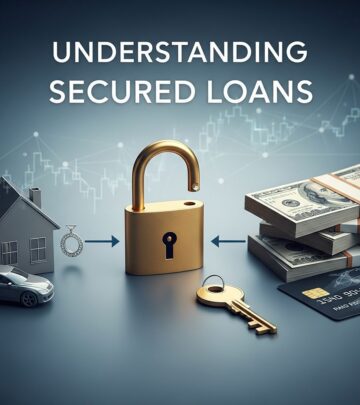
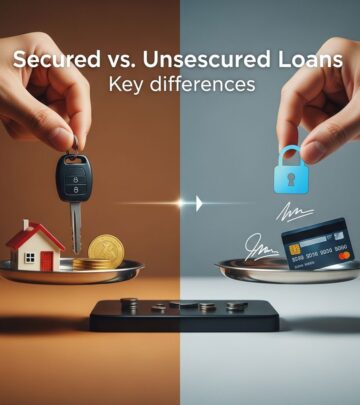
Secured loans are financial products that require borrowers to pledge assets as collateral to back the loan. Unlike unsecured loans, which rely solely on a borrower’s creditworthiness, secured loans use tangible assets such as a car, home, savings account, or other valuable property as insurance for the lender. This collateral serves as a guarantee that if the borrower fails to repay the loan, the lender can claim and sell the asset to recover their losses.
With every loan distributed, lenders face the risk that borrowers may not repay the funds. To mitigate this risk and insure the loan, lenders often offer secured loan options. Because the lender has collateral to fall back on, secured loans typically come with more favorable terms, including lower interest rates and higher borrowing limits, making them an attractive option for many borrowers.
Common examples of secured loans include auto loans, mortgages, and equipment financing for businesses. These loans represent the majority of lending products available in the financial market because they provide lenders with a layer of protection.
How Does a Secured Loan Work?
Understanding the mechanics of a secured loan is essential before committing to this type of borrowing. The process begins when you identify an asset you’re willing to pledge as collateral. You can use your car, home, savings, investments, or other valuable possessions to secure the loan.
Once you’ve selected your collateral and applied for the loan, the lender will typically conduct a valuation of the asset to determine its current market value. The lender places a lien on that asset, which is a legal claim that prevents you from selling or transferring the collateral without the lender’s permission until the loan is fully repaid. This lien protects the lender’s interest in the property.
Most secured loans are structured as installment loans, meaning you receive all your funds upfront in a lump sum rather than in increments. You then make equal monthly payments over a predetermined period until the loan is paid in full. Interest rates on secured loans are typically fixed, meaning your rate won’t change throughout the loan term, making it easier to budget.
Repayment terms for secured loans vary depending on the type of loan and the lender’s policies. A secured personal loan might have a repayment term as short as one year, while mortgages can extend for as long as 30 years. If you fail to make your monthly payments, the lender has the right to default the loan and repossess or seize your collateral to recover the outstanding balance.
Key Advantages of Secured Loans
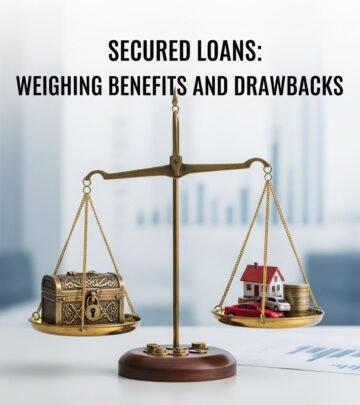
Secured loans offer numerous benefits that make them appealing to borrowers in various financial situations:
Lower Interest Rates
One of the most significant advantages of secured loans is their lower average interest rates compared to unsecured loans. Since lenders take on less risk when collateral backs the loan, they’re willing to charge lower rates. Borrowers have a stronger incentive to repay when their assets are at stake, reducing default risk for the lender. Lenders offering both loan types often report that secured loan rates average 20 percent lower than unsecured loan rates.
Higher Borrowing Limits
Secured loans typically allow borrowers to access larger loan amounts than unsecured loans. The loan limit is generally based on the value of the collateral pledged. If your collateral is worth significantly, you can borrow a substantial sum. This makes secured loans ideal for major purchases or substantial expenses where you need considerable capital.
Easier Qualification Requirements
Secured loans are generally easier to qualify for compared to unsecured loans. Lenders are less stringent about credit score requirements because the collateral reduces their risk. Even if you have a lower credit score, you may still qualify for a secured loan at competitive rates. This accessibility makes secured loans a viable option for people rebuilding their credit or those with limited credit history.
Flexible Terms
Secured loans often come with more flexible repayment terms. Lenders may offer longer repayment periods, which can result in smaller monthly payments and better cash flow management for borrowers.
Key Disadvantages of Secured Loans
While secured loans offer substantial benefits, they also come with notable risks that borrowers must carefully consider:
Risk of Asset Loss
The most significant drawback of a secured loan is the potential loss of your collateral if you fail to repay the loan. If you default on your payments, the lender can legally repossess or seize the asset you’ve pledged. This could mean losing your car, having your home foreclosed, or losing your savings. This risk makes it crucial to only take on a secured loan if you’re confident about your ability to make timely payments.
Collateral Value Limitations
The amount you can borrow is limited by the value of your collateral. If you need more funds than your collateral is worth, you cannot borrow beyond that threshold. Additionally, if your asset depreciates in value over time, it may affect your borrowing capacity for future loans.
Longer Application Process
Secured loans typically require a longer approval process than unsecured loans. Lenders need to assess and verify the value of your collateral, which involves additional paperwork and appraisals. This extended timeline may be problematic if you need funds quickly.
Secured Loans vs. Unsecured Loans: A Detailed Comparison
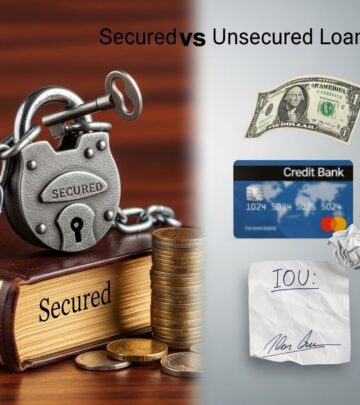
Understanding the differences between secured and unsecured loans is critical for making an informed borrowing decision. Here’s how they compare across key dimensions:
| Feature | Secured Loan | Unsecured Loan |
|---|---|---|
| Collateral Required | Yes | No |
| Interest Rates | Lower average rates (typically lower than unsecured) | Higher rates (currently above 12% on average) |
| Loan Amounts | Up to a percentage of collateral value | Up to $100,000 in some cases |
| Credit Score Requirements | Lower credit score requirements | Good to excellent credit required for best rates |
| How Funds Can Be Used | May have restrictions on spending purpose | Few restrictions; flexible use |
| Approval Speed | Slower; requires asset valuation | Faster; fewer requirements |
| Default Consequences | Asset can be seized by lender | Lender must pursue legal action to recover funds |
Interest Rates: A Closer Look
Interest rates represent one of the most compelling reasons borrowers choose secured loans over unsecured alternatives. The rate differential between the two loan types can be substantial. For example, if you’re shopping for a new car, the average interest rate for a secured auto loan is approximately 6.80 percent, while unsecured personal loans average 12.49 percent. For used vehicles, the gap narrows slightly, with secured rates at 11.54 percent.
This difference translates into significant savings over the life of your loan. On a $20,000 loan over five years, the interest paid on a secured loan at 6.80 percent would be substantially less than on an unsecured loan at 12.49 percent.
However, it’s worth noting that even with a good credit score—typically defined as 670 or higher on the FICO scale—you can still secure favorable rates on either type of loan. Lenders may have their own definitions of what constitutes a good credit score, so it’s advisable to shop around and compare offers from multiple lenders.
Types of Assets Used as Collateral
Various types of assets can be pledged as collateral for secured loans. The most common include:
- Vehicles (cars, motorcycles, RVs)
- Real estate (primary homes, investment properties)
- Savings accounts and cash
- Investment accounts (stocks, bonds, mutual funds)
- Business equipment and machinery
- Accounts receivable
- Inventory
The type of collateral you use may influence the loan terms, interest rate, and approval timeline. Assets that are easier to value and liquidate, such as real estate or vehicles, are often preferred by lenders and may result in more favorable terms.
Who Should Consider a Secured Loan?
Secured loans can be an excellent choice for several types of borrowers:
Borrowers with Lower Credit Scores
If your credit score is below 670, securing a loan with collateral may be your most viable option for accessing funds at reasonable rates. The collateral reduces the lender’s risk, making them more willing to work with borrowers who have credit challenges.
Borrowers Needing Larger Amounts
If you need to borrow a significant sum, a secured loan allows you to access higher amounts based on your collateral’s value, rather than being limited by unsecured loan caps.
Borrowers Confident About Repayment
If you’re confident about your ability to make timely payments and willing to accept the risk of losing your collateral, a secured loan can provide substantial savings through lower interest rates.
First-Time Borrowers
Those with limited credit history may find it easier to qualify for a secured loan, helping them establish a credit history for future borrowing.
When Unsecured Loans Might Be Better
While secured loans offer many advantages, unsecured loans may be preferable in certain situations. An unsecured loan could be the better choice if you don’t want to risk placing your valuable assets in jeopardy. While interest rates may be slightly higher, they could still be competitive if you have good credit. Unsecured loans also offer more flexibility in how you use the funds and typically come with fewer restrictions on spending purposes.
Frequently Asked Questions
What happens if I can’t repay a secured loan?
If you default on a secured loan, the lender has the legal right to seize and sell your collateral to recover the outstanding loan balance. This could result in losing your car, home, or other pledged assets. It’s essential to only borrow what you can confidently repay.
Can I get a secured loan with bad credit?
Yes, secured loans are generally more accessible to borrowers with poor credit scores because the collateral reduces the lender’s risk. However, you should still expect to provide proof of income and demonstrate your ability to repay the loan.
How is the collateral value determined?
Lenders typically hire professional appraisers to determine the current market value of your collateral. The loan amount is usually limited to 80 to 100 percent of the appraised value, depending on the lender’s policies and the type of asset.
Can I use a secured loan for any purpose?
Secured loans may come with restrictions on how you can use the funds. Some lenders require that you use the funds for specific purposes, such as purchasing the vehicle used as collateral. It’s important to clarify the lender’s requirements before committing to the loan.
What’s the difference between a lien and repossession?
A lien is a legal claim the lender places on your asset, giving them the right to seize it if you default. Repossession is the actual process of the lender taking possession of the collateral due to loan default.
How long does the secured loan approval process take?
The approval process for a secured loan typically takes longer than unsecured loans because it requires asset valuation and additional paperwork. Approval times can range from a few days to several weeks, depending on the lender and complexity of the application.
Making Your Decision
Choosing between a secured and unsecured loan depends on your individual circumstances, including your credit score, financial history, available assets, and borrowing needs. Secured loans are particularly valuable if you have a lower credit score but need funds at a competitive rate, or if you require a larger loan amount than typical unsecured products allow.
Before committing to a secured loan, carefully evaluate your ability to repay on schedule and honestly assess the risk of losing your collateral. Shop around with multiple lenders to compare rates, terms, and conditions. Ensure you understand all the terms of the loan, including the interest rate, repayment schedule, fees, and consequences of default.
By thoroughly understanding how secured loans work and weighing their advantages against their risks, you can make an informed decision that aligns with your financial goals and circumstances.
References
- What Are Secured Loans And How Do They Work? — Bankrate. 2025. https://www.bankrate.com/loans/personal-loans/what-is-a-secured-loan/
- Secured vs. Unsecured Personal Loans: Key Differences — Bankrate. 2025. https://www.bankrate.com/loans/personal-loans/secured-vs-unsecured-personal-loans/
- How Secured Auto Loans Work — Bankrate. 2025. https://www.bankrate.com/loans/auto-loans/secured-auto-loans/
- The Difference Between Secured vs. Unsecured Debt — Bankrate. 2025. https://www.bankrate.com/personal-finance/debt/secured-vs-unsecured-debt/
- Secured vs. Unsecured Business Loan — Bankrate. 2025. https://www.bankrate.com/loans/small-business/secured-vs-unsecured-business-loan/
Similar Articles








Read full bio of Sneha Tete