What Are Job-Specific Skills and Why They Matter
Master job-specific skills to advance your career and stand out to employers.

What Are Job-Specific Skills?
Job-specific skills are the specialized abilities, knowledge, and training required to perform the core tasks of a particular role or industry. These skills distinguish professionals as specialists in their field and are often the defining factor in whether a candidate is suitable for a specific position. Unlike general transferable skills that apply across multiple industries, job-specific skills are tailored to meet the unique demands of particular jobs or sectors.
According to HR professionals, job-specific skills represent “the hands-on skills that you’ll learn through education, training, or direct experience in your field.” For example, a software engineer needs proficiency in coding languages like Python or Java, while a graphic designer requires expertise in Adobe Creative Suite. These skills directly impact an employee’s ability to perform job-related tasks competently and efficiently.
Job-specific skills often overlap with hard skills and technical skills, making them distinct from soft skills like communication or time management. While soft skills are valuable across industries, job-specific skills are narrowly focused on the requirements of a particular role, making professionals who possess them invaluable to employers seeking specialists.
The Importance of Job-Specific Skills
In today’s competitive job market, job-specific skills have become increasingly important for career success. Employers actively seek candidates who already possess these specialized abilities because they reduce training time and immediately contribute to organizational goals. Understanding why these skills matter can help you prioritize your professional development.
Enhanced Job Performance
Proficiency in job-specific skills directly correlates with higher productivity and quality of work. When employees have the right technical knowledge and training for their role, they can complete tasks more efficiently and with fewer errors. This improved performance leads to better outcomes for the organization and often results in greater job satisfaction for the employee.
Essential for Job Competency
Job-specific skills are fundamental for executing job responsibilities effectively and efficiently. Without these skills, even a highly motivated and intelligent individual may struggle to perform at an acceptable level. Employers use job-specific skill requirements as a screening mechanism to ensure they hire candidates capable of handling the core functions of the position.
Career Advancement Opportunities
Mastering job-specific skills can lead to better job opportunities and significant career growth. As you develop expertise in your field, you become more valuable to employers and may qualify for promotions, higher-paying positions, or roles with greater responsibility. Continuous skill development demonstrates commitment to your career and makes you a more competitive candidate in the job market.
Meeting Employer Expectations
Employers invest resources in recruitment because they have specific needs that must be met. When you possess the job-specific skills they’re seeking, you become an attractive candidate who can immediately contribute to their organization. This alignment between your skills and employer needs increases your chances of being hired and succeeding in the role.
Job-Specific Skills Examples Across Industries
Job-specific skills vary significantly depending on your industry and role. Understanding these examples can help you identify which skills you need to develop for your career path.
Teaching and Education
Teachers require a unique set of job-specific skills to be effective in the classroom. Key skills include:
- Lesson planning and curriculum development
- Teaching and academic instruction
- Google Workspace proficiency (Google Docs, Spreadsheets, Slides, and Google Classroom)
- Classroom management techniques
- Student assessment and evaluation methods
- CPR and First Aid certification (often required)
Many schools now require teachers to demonstrate proficiency with educational technology platforms and have specific certifications related to their subject matter or grade level taught.
Healthcare and Nursing
Nursing professionals need specialized technical skills to provide quality patient care. Essential job-specific skills for nurses include:
- Measuring and monitoring vital signs
- Administering injections and medications
- Using and maintaining medical equipment
- Healthcare software and electronic health record (EHR) systems
- Patient assessment and care planning
- Infection control protocols
If you want to specialize in particular areas of care, such as cardiac care, neonatal care, or intensive care units, you’ll need those respective specialized skills and certifications.
Finance and Accounting
Professionals in financial roles need specific mathematical and analytical skills. Examples include:
- Auditing and financial reconciliation
- Data interpretation and analysis
- Logical reasoning and problem-solving
- Financial analysis and forecasting
- Knowledge of accounting software and systems
- Tax preparation and compliance knowledge
The specific mathematics and financial skills required will vary depending on your exact role, whether you’re an accountant, financial analyst, auditor, or tax specialist.
Information Technology and Software Development
Tech professionals need extensive job-specific technical skills, including:
- Programming languages (Python, Java, C++, JavaScript, etc.)
- Code analysis and debugging
- Object-oriented design principles
- Database management systems
- Cloud computing platforms
- Software testing and quality assurance
Technology professionals must continuously update their skills as new languages, frameworks, and tools emerge in the industry.
Engineering and Technical Fields
Engineers require specialized technical knowledge including:
- Knowledge of specific mechanics and electronics
- Understanding of engineering design principles
- Computer-aided design (CAD) software proficiency
- Project management and technical specifications
- Industry-specific equipment operation
- Technical standards and compliance knowledge
How to Identify Job-Specific Skills You Need
Discovering which job-specific skills are necessary for your target role requires research and careful attention to job market indicators. Here are the most effective strategies:
Analyze Job Descriptions
Job postings often contain a detailed list of requirements, responsibilities, and qualifications necessary for the role—including the job-specific skills you need. Look for specific language that indicates job-specific requirements. Words like “proficiency in,” “knowledge of,” “experience with,” “must have,” and “required certification” usually point directly to job-specific skills.
For example, in a listing for a data analyst position, you might see requirements like “proficient in SQL” or “experience with Tableau”—these are clear indicators of the skills you’ll need to have to be considered for the role. Pay attention to the specific tools, software, certifications, and technical knowledge mentioned.
Research Industry Standards
Each industry has established standards and best practices. Research professional associations, industry publications, and certification bodies related to your field to understand which skills are considered essential. Many professional organizations publish skill frameworks and competency models that detail required abilities.
Network with Professionals
Connect with people working in your target role or industry. Informational interviews and professional networking can provide valuable insights into which skills are most critical for success. Professionals currently in the field can offer practical advice about what skills employers truly value versus what’s simply nice to have.
Review Course Curricula
Professional certification programs, degree programs, and specialized training courses are designed around job-specific skills. Reviewing what’s covered in these programs can help you understand the complete skill set required for your desired role.
Hard Skills vs. Soft Skills: Understanding the Difference
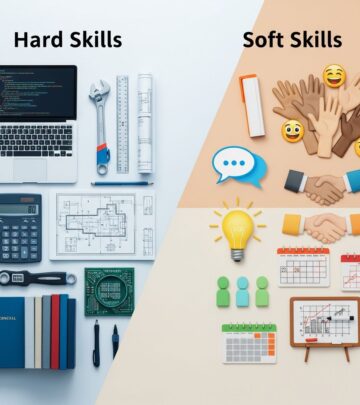
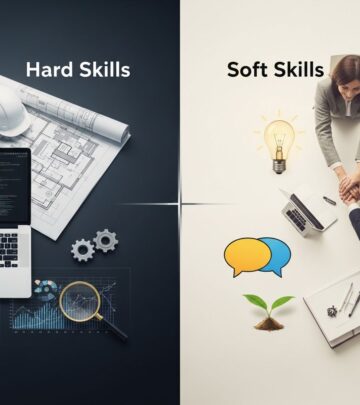
Job-specific skills can be categorized into two main types: hard skills and soft skills. Understanding this distinction helps you develop a well-rounded skill set.
| Aspect | Hard Skills | Soft Skills |
|---|---|---|
| Definition | Technical, measurable abilities and knowledge | Interpersonal and behavioral competencies |
| Examples | Programming, data analysis, software use, certifications | Communication, teamwork, leadership, adaptability |
| How Acquired | Through formal training, education, and hands-on practice | Through experience, self-reflection, and practice |
| Measurability | Easily tested and quantified | More subjective and difficult to measure |
| Transferability | Often specific to industries or roles | Highly transferable across industries |
While hard skills are often considered job-specific, many important soft skills are also required for specific roles. A software engineer needs both hard skills like programming (hard skill) and soft skills like problem-solving and communication (soft skills) to excel in their role.
Developing and Building Job-Specific Skills
Once you’ve identified the job-specific skills you need, the next step is developing them through targeted learning and experience.
Pursue Formal Education and Certification
Many job-specific skills require formal training. Consider pursuing relevant degrees, diplomas, or professional certifications in your field. These educational credentials not only provide the knowledge you need but also signal to employers that you’re serious about your career.
Engage in Hands-On Practice
Job-specific skills are best learned through direct experience. Look for opportunities to practice these skills in real-world settings, whether through internships, entry-level positions, volunteer work, or personal projects. The more you practice, the more proficient you’ll become.
Utilize Online Learning Resources
Online platforms offer courses, tutorials, and simulations in nearly every job-specific skill imaginable. Many of these resources are affordable and flexible, allowing you to learn at your own pace while maintaining other commitments.
Seek Mentorship and Guidance
Find mentors or experienced professionals in your field who can guide your skill development. They can provide feedback, recommend resources, and help you understand the practical applications of the skills you’re learning.
Stay Current with Industry Changes
Many job-specific skills evolve as technology and industry practices change. Commit to continuous learning by following industry news, attending professional conferences, and regularly updating your knowledge and skills.
Highlighting Job-Specific Skills on Your Resume and Cover Letter
Once you’ve developed job-specific skills, it’s crucial to communicate them effectively to potential employers.
Incorporate Skills into Your Resume
Create a dedicated skills section on your resume that highlights your job-specific abilities. Use specific terminology that matches what employers are looking for, and prioritize the skills most relevant to the position you’re applying for.
Demonstrate Skills with Concrete Examples
Don’t just list your skills; provide concrete examples of how you’ve used them. In your work experience section, describe projects and accomplishments that showcase your job-specific skills in action.
Use Relevant Keywords
Many companies use applicant tracking systems (ATS) to screen resumes. Incorporate the specific keywords from job descriptions into your resume to ensure your skills are recognized by these systems and by hiring managers.
Discuss Skills in Your Cover Letter
Use your cover letter to explain why your job-specific skills make you an excellent fit for the role. Provide specific examples of how you’ve applied these skills to achieve results.
The Role of Software Proficiency as a Job-Specific Skill
Software proficiency has become an increasingly important job-specific skill across nearly every industry. Many administrative and professional occupations use proprietary software specific to their field. Proficiency with software unique to your field is a valuable job-specific skill because it demonstrates your commitment to the profession and suggests that you can easily learn new software systems as they evolve.
Examples include customer relationship management (CRM) systems, specialized healthcare software, accounting systems, design software, and industry-specific tools. As technology continues to advance, the ability to quickly master new software becomes an essential meta-skill that enhances your overall job-specific capabilities.
Frequently Asked Questions
What’s the difference between job-specific skills and transferable skills?
Job-specific skills are tailored to particular roles or industries and are not easily transferred to other fields. Transferable skills, like communication and teamwork, are valuable across multiple industries and jobs. Most professionals need both types of skills to succeed.
Can you learn job-specific skills without formal education?
Yes, many job-specific skills can be acquired through hands-on experience, apprenticeships, on-the-job training, and self-directed learning. However, some roles require formal education or certifications, so research your specific career path.
How often should I update my job-specific skills?
This depends on your industry. Fast-moving fields like technology and healthcare may require continuous learning, while other industries change more slowly. Stay engaged with your professional community to understand when skill updates are necessary.
How do I decide which job-specific skills to prioritize?
Review job descriptions for your target role, speak with professionals in your field, and research industry trends. Prioritize skills that appear frequently in job postings and those that differentiate you from other candidates.
Are certifications necessary for job-specific skills?
While not always required, certifications can validate your expertise and make you more competitive. Some roles legally require specific certifications, while others simply prefer them. Research your industry’s requirements.
Conclusion
Job-specific skills are essential for career success in today’s specialized work environment. By understanding what these skills are, identifying which ones you need for your target role, and actively developing them through education and experience, you can significantly enhance your career prospects. Whether you’re entering a new field or advancing within your current industry, investing in job-specific skill development is a strategic move that pays dividends throughout your professional life. Remember that skill development is an ongoing process—commit to continuous learning and you’ll remain valuable and competitive in your field for years to come.
References
- Job-specific Skills: Examples and How to Highlight Them in Your Resume — SUNY Empire Career Hub. 2024-11-18. https://careerhub.sunyempire.edu/blog/2024/11/18/job-specific-skills-examples-and-how-to-highlight-them-in-your-resume/
- Job-Specific Skills: Key to Professional Excellence — Canditech. https://www.canditech.io/glossary/job-specific-skills/
- What are job-specific skills? (Plus how to identify them) — Indeed Career Advice. https://uk.indeed.com/career-advice/finding-a-job/job-specific-skills
- What Are Job Skills? Examples and How to Build Them — Forage. https://www.theforage.com/blog/basics/job-skills
- A Comprehensive List of Job Skills Employers Value Most — Mount Vernon Nazarene University. https://mvnu.edu/blogs/top-10-job-skills-employers-value/
- 25 Transferable Skills Employers Look For — Penn State Business Career Center. 2022-10-28. https://careerconnections.smeal.psu.edu/blog/2022/10/28/25-transferable-skills-employers-look-for/
Similar Articles








Read full bio of Sneha Tete