What Are Insurance Riders: Types, Benefits & Guide
Complete guide to insurance riders: enhance your coverage with optional add-ons tailored to your needs.
What Are Insurance Riders?
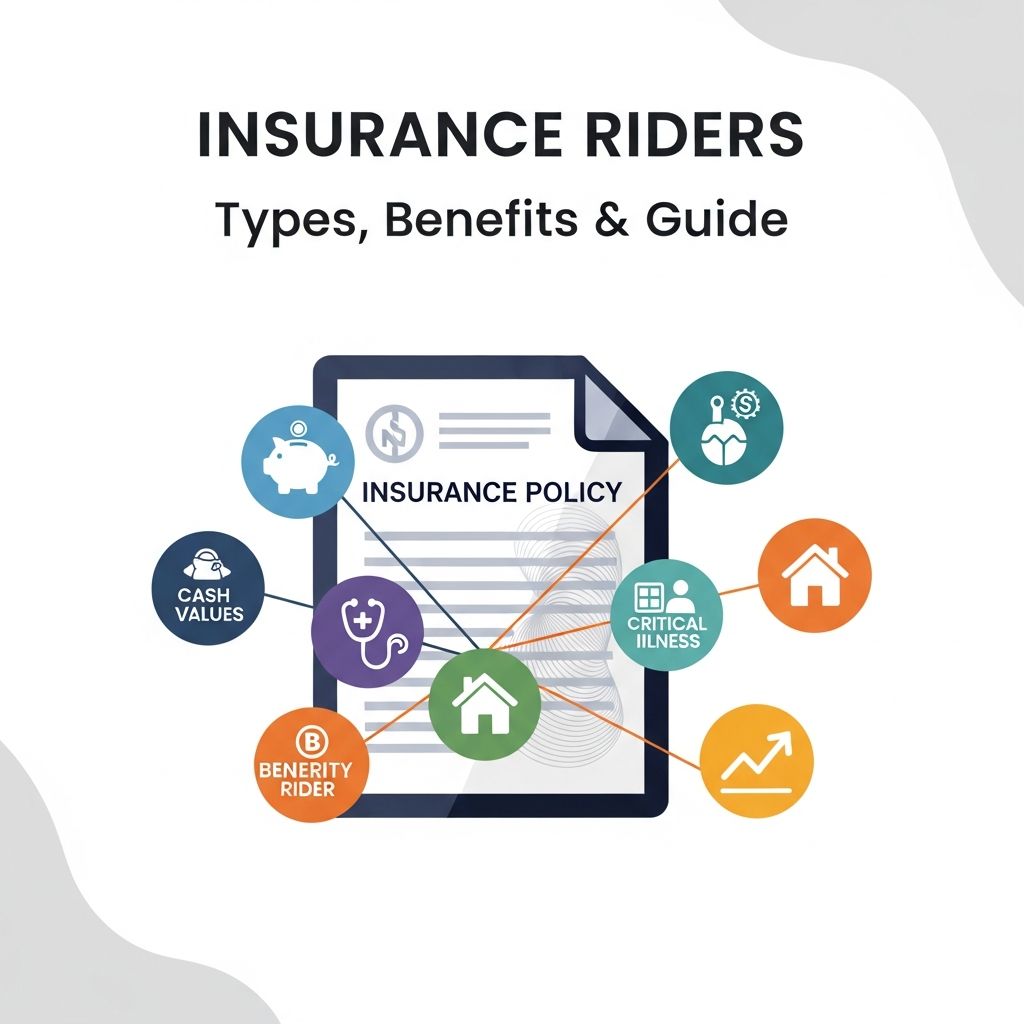
An insurance rider is an addition to an existing insurance policy that allows you to add specific insurance products to your basic coverage. Also known as an insurance policy provision, amendment, endorsement, or “scheduling of an item,” riders provide a flexible way to customize your insurance protection. Whether you’re looking to expand coverage or restrict benefits, riders make your policy work for you and your family’s needs while supporting your wellbeing both now and in the future.
Insurance riders typically come at an additional cost beyond your base premium. However, in many cases, a rider may help you save money by reducing out-of-pocket expenses and monthly premium costs. The availability and types of riders vary depending on your insurance company and the type of coverage you want to add.
How Do Insurance Riders Work?
Insurance riders work by changing the terms or conditions of your existing policy. If you have an insurance rider and you meet the rider’s requirements while it’s still active, you’ll be able to file a claim with your insurer to initiate the rider’s benefits. Many insurance companies automatically include certain riders, or they’ll allow you to add riders while you’re shopping for insurance.
It’s important to note that not all insurance companies offer the same riders, and some may only be available with certain types of insurance. Before you buy a policy or add any rider, it’s crucial to read and understand its exact terms, as each insurance company does things a bit differently.
Types of Insurance Riders for Life Insurance
Life insurance riders offer various ways to enhance your coverage and protect your loved ones. Here are the most common types available:
Accelerated Death Benefit (ADB) Rider
The accelerated death benefit rider allows you to receive a portion of your death benefit while you’re still alive. This rider is particularly valuable if you’re diagnosed with a terminal illness, allowing you to access funds for medical expenses and end-of-life care without waiting for your death benefit to be paid to your beneficiaries.
Critical and Chronic Illness Riders
Similar to an accelerated death benefit rider, critical and chronic illness riders provide a portion of your death benefit while you are still alive to help pay for medical costs. The key difference is that the diagnosed illness or impairment doesn’t have to be terminal—it also covers chronic illness. This rider offers broader protection than terminal illness riders alone.
Long-Term Care (LTC) Rider
A long-term care rider allows you to tap into your life insurance policy’s death benefit to help cover the costs of long-term care services. This can include nursing home care, assisted living, or home care services, providing essential financial support when you need ongoing medical and personal care.
Waiver of Premium Disability Rider
If you become disabled and can’t work, the waiver of premium rider can pay your premium, allowing you to keep your policy in force. This ensures your life insurance protection remains active even when you’re unable to make premium payments due to disability. Some versions of this rider also waive premiums on a converted whole life policy if conversion occurs at the end of the level term period.
Child and Spouse Riders
Child riders and spouse riders are designed to pay out a small death benefit if the insured child or spouse passes away during the rider’s term. The payout amount from this rider can typically cover medical bills and funeral expenses. Given the smaller death benefit, this rider shouldn’t be thought of as a replacement for a separate life insurance policy for your spouse.
Family Income Rider
A family income rider provides monthly income payments to your beneficiaries if you die during the rider’s term. This helps replace lost income and ensures your family can maintain their standard of living after your passing.
Accidental Death and Dismemberment (AD&D) Rider
An AD&D rider increases your life insurance payout if your death is caused by a covered accident. It can also pay out a certain amount while you’re still alive if you suffer a qualifying injury caused by an accident, such as the loss of a limb. This rider adds extra protection for accidents that result in death or serious injury.
Cost of Living Rider
A cost of living rider gradually increases your policy’s coverage over time, so the value of your policy doesn’t erode due to inflation. Your premium will also increase alongside your coverage amount, ensuring that your death benefit maintains its purchasing power as years pass and costs rise.
Guaranteed Insurability Rider
A guaranteed insurability rider lets you periodically choose to add more coverage to your policy without undergoing a life insurance medical exam. This allows you to potentially save money if you think you’ll want more coverage in the future. This rider is most common on whole life insurance and universal life insurance policies.
Return of Premium Rider
The return of premium rider ensures that if you outlive your policy term, all premiums you’ve paid will be returned to you. This rider appeals to those who want life insurance protection but are concerned about “wasting” money if they don’t pass away during the term.
Term Conversion Rider
A term conversion rider allows policyholders to convert a term life insurance policy to a permanent policy without undergoing a medical exam. This provides flexibility if your insurance needs change and you want long-term permanent coverage without the hassle and expense of re-qualifying through medical underwriting.
Additional Life Insurance and Paid-Up Additions Riders
An additional life insurance rider allows the policyowner to purchase additional participating paid-up insurance for an additional premium. This increases the death benefit and accelerates cash value growth on an insurance policy. There are limits and terms for making payments under this kind of rider, and many options to consider when making this choice.
Insurance Riders for Homeowners Policies
In homeowners insurance, riders serve a different but equally important purpose. They are additional coverage that you purchase on top of what is provided by your homeowners insurance policy. Also commonly referred to as endorsements, floaters, and add-ons, riders expand your coverage or protect against risks that are not covered by a standard homeowners insurance policy.
Why Add a Homeowners Insurance Rider?
Most homeowners insurance policies provide four basic types of coverage: structural coverage, personal property coverage, liability coverage, and additional living expenses. Insurance riders typically serve one of two purposes:
Coverage Against Specific Risks: Some riders offer coverage against specific risks or perils not covered in your base policy. Flood insurance and earthquake insurance are two common examples that provide protection against natural disasters.
Increased Coverage Limits: Other riders increase your coverage limits beyond those in your base policy. Scheduled personal property is a common example, allowing you to insure high-value items like jewelry, electronics, or art with higher limits than your standard policy provides.
Benefits of Adding Insurance Riders
Insurance riders offer several compelling advantages that make them a valuable addition to your insurance portfolio:
Customized Coverage: Insurance riders allow you to tailor your insurance benefits to suit your specific needs. Whether you want to expand coverage or restrict benefits, you can make your policy work for you and your family’s needs while supporting your wellbeing now and in the future.
Cost Savings: In some cases, riders may help you save money by reducing out-of-pocket expenses and monthly premium costs. Adding a rider to an existing policy is often more affordable than purchasing a separate policy for the same coverage.
Flexibility: Riders give you the flexibility to adjust your insurance policy if you encounter serious problems in the course of your life. Many riders can be added during the initial purchase or later if your circumstances change.
Comprehensive Protection: Riders help you get the coverage and benefits you and your loved ones need, ensuring comprehensive protection tailored to your unique situation.
Comparing Common Life Insurance Riders
| Rider Type | Purpose | Best For | Typical Cost Impact |
|---|---|---|---|
| Accidental Death & Dismemberment | Extra payout for accident-related death or injury | Those in high-risk occupations | Low to moderate |
| Waiver of Premium | Covers premiums if you become disabled | Income earners concerned about disability | Moderate |
| Cost of Living | Increases coverage to match inflation | Young families planning long-term | Moderate to high |
| Guaranteed Insurability | Add coverage without medical exam later | Those anticipating future coverage needs | Low to moderate |
| Child/Spouse | Small death benefit for dependents | Comprehensive family protection | Low |
| Term Conversion | Convert term to permanent without exam | Those seeking future flexibility | Moderate |
Frequently Asked Questions About Insurance Riders
Q: Do I have to pay extra for insurance riders?
A: Most insurance riders come at an additional cost beyond your base premium. However, some insurance companies may automatically include certain riders at no extra charge. It’s important to discuss rider costs with your insurance agent to understand the premium impact.
Q: Can I add riders to an existing policy?
A: In many cases, yes. You can often add riders while shopping for insurance or after purchasing a policy. However, some riders may only be available at the time of policy inception, and availability varies by insurance company and state regulations.
Q: Are all riders available from every insurance company?
A: No. Not all insurance companies offer the same riders, and some may only be available with certain types of insurance. Additionally, some riders are only available in certain states. It’s essential to check with your specific insurance company about available rider options.
Q: How do I know which riders I need?
A: The riders you need depend on your personal circumstances, family situation, health status, and financial goals. Consulting with a qualified insurance agent or financial advisor can help you determine which riders are appropriate for your specific needs.
Q: Can I remove a rider from my policy?
A: Generally, yes. Most riders can be removed from your policy, though the process and implications vary by company and rider type. Contact your insurance company to discuss removing any riders you no longer need.
Q: Are there any medical requirements for adding riders?
A: Some riders may require health underwriting if added after the policy is issued. However, certain riders like the guaranteed insurability rider specifically allow you to add coverage without additional medical exams.
Is an Insurance Rider Right for You?
Ultimately, only you can determine if adding an insurance rider to your existing policy is right for you. Consider your current life stage, family responsibilities, health status, and financial goals when evaluating rider options. Riders can significantly enhance your coverage and provide peace of mind by addressing specific risks or gaps in your protection. Before making a decision, thoroughly review your current policy coverage, discuss your needs with a qualified insurance professional, and understand the exact terms and costs of any rider you’re considering.
References
- Life Insurance Riders: Common Types Explained — Progressive Insurance. 2024. https://www.progressive.com/answers/life-insurance-rider/
- Insurance Rider: Definition and How It Works — MetLife. 2024. https://www.metlife.com/stories/benefits/insurance-rider/
- Life Insurance Riders Simply Explained — Guardian Life Insurance. 2024. https://www.guardianlife.com/life-insurance/riders
- Insurance Riders Info & Types — Matic. 2024. https://matic.com/blog/common-insurance-riders/
- Life Insurance Policy Riders Defined — Lenox Advisors. 2024. https://www.lenoxadvisors.com/insights/life-insurance-policy-riders-defined/
Similar Articles








Read full bio of medha deb