What Are Installment Loans & How Do They Work?
Complete guide to installment loans: types, how they work, and whether they're right for you.
An installment loan is a type of financing that allows you to borrow money upfront and repay it over a fixed period through regular, equal payments. These loans are designed to provide borrowers with predictability and manageable payment schedules, making them one of the most popular borrowing options available today. Whether you need funds for a major purchase, debt consolidation, or an emergency expense, installment loans offer a structured approach to borrowing that can fit various financial situations.
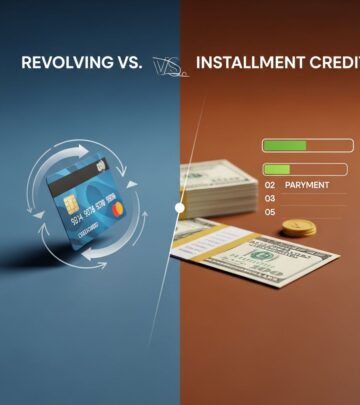
Installment loans are classified as closed-end debt, meaning you receive a predetermined lump sum that you agree to repay within a specific timeframe. This differs from open-end credit like credit cards, where you have a revolving credit line. The predictable nature of installment loans makes them an attractive option for borrowers who want to know exactly what they’ll owe each month.
How Do Installment Loans Work?
The mechanics of an installment loan are straightforward and follow a consistent pattern throughout the loan term. Understanding each step helps you make informed decisions about whether this type of financing is right for your situation.
The Application Process: Your journey begins with submitting an application to a lender. During this process, you’ll provide personal and financial information that helps the lender assess your creditworthiness. Your credit score plays a crucial role in determining your eligibility, the interest rate you’ll receive, and the loan terms offered. Lenders also evaluate your debt-to-income ratio (DTI), which indicates how much of your monthly income goes toward debt payments.
Loan Approval and Disbursement: Once approved, the lender provides you with the loan amount as a lump sum, typically deposited directly into your bank account. This is different from credit lines where you draw money as needed. You receive the full approved amount upfront, and immediately begin incurring interest on the outstanding balance.
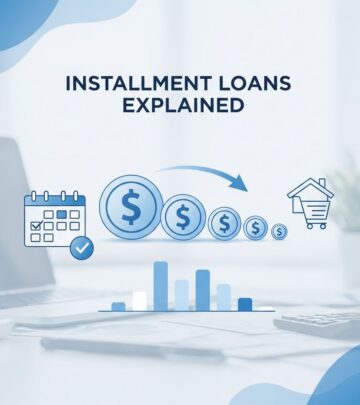
Regular Payments: You’re required to make regular payments according to a set schedule, typically monthly. With each payment, a portion goes toward reducing the principal (the original amount borrowed), while another portion covers the interest charges. Early in the loan term, a larger percentage of your payment covers interest, but as you continue paying, more of each payment reduces the principal balance.
Fixed Interest Rates: Most installment loans come with a fixed interest rate, meaning your rate stays the same throughout the loan term. This provides payment stability and makes budgeting easier since you know exactly what you’ll pay each month. However, some installment loans may feature variable rates that adjust over time, so it’s important to understand your specific loan terms.
Loan Closure: Once you’ve made all required payments and paid off both the principal and accumulated interest, the lender closes your account. At this point, your obligation is complete.
Common Types of Installment Loans
Various installment loan options exist to meet different borrowing needs. Each type has distinct characteristics, interest rates, and repayment terms that make them suitable for specific situations.
Personal Loans: Personal loans are versatile installment loans that can be used for nearly any legitimate purpose, from debt consolidation and home repairs to wedding expenses or vacation funding. These unsecured loans don’t require collateral, relying instead on your creditworthiness. Personal loan rates typically range from 6 to 36 percent, depending on your credit profile and the lender you choose.
Student Loans: Designed specifically to cover higher education costs, student loans are available from both private lenders and the federal government. Federal student loans offer rates ranging from 6.39 to 8.94 percent, depending on the loan type and current legislation. Private student loans may offer rates starting below 3 percent for borrowers with excellent credit. These loans often feature extended repayment periods, sometimes lasting 10 years or longer.
Payday Loans: These extremely short-term loans are intended for emergency situations and typically require repayment within two weeks. However, payday loans come with a significant drawback: exorbitant interest rates often exceeding 400 percent APR. This type of lending is generally targeted at borrowers with poor credit or those who may not qualify for traditional loans, making them an expensive borrowing option to avoid if possible.
Buy Now, Pay Later (BNPL) Plans: Retailers increasingly offer BNPL options that allow customers to break up purchase costs into smaller installments. Many BNPL plans charge no interest or fees, making them attractive for short-term purchases. However, they carry risks like encouraging overborrowing and can negatively impact your credit if payments are missed.
Auto Loans: Car loans are installment loans specifically designed for vehicle purchases. These typically feature loan terms ranging from 3 to 7 years, with interest rates varying based on credit scores and current market conditions. Auto loans are usually secured by the vehicle itself, allowing lenders to offer more competitive rates.
Mortgages: Home loans are the largest type of installment loan most people encounter. Mortgages can extend 15 to 30 years, with interest rates locked in at origination. These secured loans use the home as collateral, allowing lenders to offer lower rates than unsecured personal loans.
Understanding Installment Loan Terms and Payment Structure
When considering an installment loan, several key terms and concepts affect your overall borrowing cost and payment schedule:
Principal Amount: This is the total amount you borrow when taking out the loan. It represents the base upon which interest is calculated. As you make payments, the principal balance decreases until it reaches zero.
Interest Rate vs. APR: Your monthly payments are based on your interest rate, not your Annual Percentage Rate (APR). While the APR includes upfront fees like origination charges, it doesn’t directly impact your monthly interest payment unless you choose to wrap fees into the loan amount. Understanding this distinction is crucial when comparing loan offers, as two loans with the same interest rate may have different APRs depending on fees.
Loan Term: The loan term specifies how long you have to repay the loan, typically ranging from a few weeks for payday loans to 30 years for mortgages. Shorter terms mean higher monthly payments but less total interest paid, while longer terms offer lower monthly payments but higher cumulative interest costs.
Payment Frequency: While most installment loans require monthly payments, some may feature weekly or biweekly payment schedules. The frequency affects how interest accrues and compounds over the loan term.
Calculating Your Loan Payments
Understanding how to calculate or estimate your loan payments helps you budget effectively and compare offers from different lenders. Here’s how the calculation works:
The basic formula involves dividing your annual interest rate by 12 to get your monthly rate, then multiplying that by your outstanding principal balance. For example, with a 6 percent annual interest rate on a $20,000 loan, you’d divide 0.06 by 12 to get 0.005, then multiply by $20,000 to get $100 in first-month interest charges.
As you continue making payments, the principal balance decreases, so subsequent interest charges become smaller. More of each payment goes toward principal reduction as the loan matures. Many lenders provide amortization schedules showing exactly how each payment divides between principal and interest, allowing you to track your loan payoff progress.
Key Advantages of Installment Loans
Predictable Payments: Fixed interest rates and set payment schedules make budgeting straightforward since you know exactly what you’ll owe each month.
Faster Debt Elimination: Unlike credit cards with indefinite payoff timelines, installment loans have specific end dates, providing a clear path to becoming debt-free.
Better Interest Rates: Installment loans often offer lower interest rates than credit cards or payday loans, particularly for borrowers with good credit.
Debt Consolidation: Personal installment loans can combine multiple high-interest debts into a single, manageable payment.
Credit Building: Successfully repaying an installment loan demonstrates responsible borrowing and can improve your credit score over time.
Important Considerations Before Borrowing
Origination Fees: Many lenders charge origination fees ranging from 1 to 10 percent of the approved loan amount. These fees are either deducted from the amount you receive or added to what you must repay. Comparing origination fees between lenders significantly impacts your total borrowing cost.
Prepayment Penalties: Some loans include prepayment penalties that charge you for paying off the loan early. Understanding these penalties helps you determine whether paying extra toward your loan makes financial sense.
Variable vs. Fixed Rates: While most installment loans feature fixed rates, some may have variable rates that adjust periodically. Carefully review your loan documents to understand which type you’re getting.
Credit Score Impact: Applying for multiple loans causes hard inquiries that temporarily lower your credit score. Space out applications or prequalify with lenders first to minimize this impact.
Comparing Installment Loan Offers
When shopping for an installment loan, consider these factors to find the best deal:
Interest Rates: Compare rates from multiple lenders, understanding that your credit score significantly influences the rates you’ll qualify for. The difference between a 6 percent and 12 percent rate on the same loan amount could cost thousands of dollars over the repayment term.
Total Borrowing Costs: Look beyond just the monthly payment to calculate total interest paid. A loan with a lower monthly payment but longer term might cost significantly more overall.
Lender Reputation: Research customer satisfaction ratings and reviews to ensure you’re working with a reputable lender. Check the lender’s licensing status and complaint history with financial regulatory agencies.
Eligibility Requirements: Confirm you meet a lender’s minimum requirements before applying, as different lenders have different credit score and income thresholds.
Prequalification Options: Use prequalification to see potential rates without impacting your credit score. Prequalifying with at least three lenders helps you compare genuine offers before committing to an application.
Alternatives to Installment Loans
Depending on your situation, you might consider other financing options. Personal lines of credit offer flexibility for variable expenses but may carry higher rates than fixed-term loans. If you have excellent credit, a 0 percent introductory APR credit card might work for short-term needs, provided you can pay off the balance before regular APR kicks in. Homeowners might tap home equity loans or lines of credit for competitive rates without refinancing their mortgages. Buy now, pay later options work for retail purchases but shouldn’t be used for overborrowing.
Frequently Asked Questions About Installment Loans
Q: What’s the difference between an installment loan and a credit card?
A: Installment loans are closed-end debt with fixed payment amounts and specific end dates, while credit cards are open-end revolving credit with variable interest and indefinite payoff timelines. Installment loans typically offer better rates and more structured repayment.
Q: How does my credit score affect installment loan terms?
A: Your credit score significantly influences your approval odds, interest rate, and loan amount. Borrowers with excellent credit qualify for the lowest rates, while those with poor credit face higher rates or potential denial.
Q: Can I pay off an installment loan early?
A: Most installment loans allow early repayment, though some charge prepayment penalties. Check your loan agreement to understand any penalties before paying extra toward your principal.
Q: What’s the difference between APR and interest rate?
A: The interest rate determines your monthly interest charges, while APR includes the interest rate plus fees like origination costs, providing a more complete picture of your annual borrowing expense.
Q: Are installment loans bad for your credit?
A: No, installment loans can improve credit when managed responsibly. Successfully making on-time payments demonstrates creditworthiness and can raise your credit score over time.
Q: How long does an installment loan typically last?
A: Terms vary widely depending on loan type, ranging from weeks for payday loans to 30 years for mortgages. Personal loans typically range from 24 to 84 months.
Q: What happens if I miss an installment loan payment?
A: Missing payments results in late fees, increased interest rates, and damage to your credit score. Repeated nonpayment may lead to default and legal action, including wage garnishment or asset seizure.
References
- What Are Installment Loans & How Do They Work? — Bankrate. 2025. https://www.bankrate.com/loans/personal-loans/what-is-an-installment-loan/
- How To Calculate Loan Payments And Costs — Bankrate. 2025. https://www.bankrate.com/loans/personal-loans/how-to-calculate-loan-payments/
- How To Compare Installment Loan Lenders: 5 Steps — Bankrate. 2025. https://www.bankrate.com/loans/personal-loans/how-to-compare-installment-loan-lenders/
- What Is an Installment Loan? — American Express. 2024. https://www.americanexpress.com/en-us/credit-cards/credit-intel/what-is-an-installment-loan/
- Best Personal Loan Rates for November 2025 — Bankrate. 2025. https://www.bankrate.com/loans/personal-loans/rates/
- What Is A Personal Loan? What To Know — Bankrate. 2025. https://www.bankrate.com/loans/personal-loans/what-is-a-personal-loan/
- The Best Installment Loans In 2025 — Bankrate. 2025. https://www.bankrate.com/loans/personal-loans/installment-loans/
Similar Articles








Read full bio of Sneha Tete