What Are Hard Skills: Definition, Examples & Development
Master hard skills to advance your career: Learn definitions, examples, and proven strategies to develop technical abilities.
What Are Hard Skills?
Hard skills are specific, teachable, and measurable abilities that you gain through formal education, professional training, certifications, or hands-on work experience. Also referred to as technical skills, these competencies are concrete and quantifiable, making them distinctly different from soft skills like communication or teamwork. Hard skills form the foundation of professional expertise across virtually every industry and are typically job-specific or industry-specific requirements.
Unlike soft skills that are transferable across multiple roles and industries, hard skills are directly tied to performing specific tasks and functions within a particular profession. For example, a software developer needs coding proficiency, a graphic designer requires expertise in design software, and a financial analyst must understand complex spreadsheet functions and data modeling techniques. These skills demonstrate your technical capability and competency to employers, making them essential components of any professional profile.
The Distinction Between Hard Skills and Soft Skills
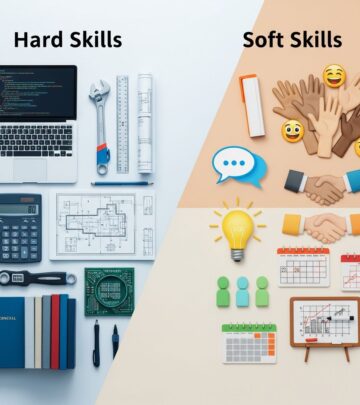
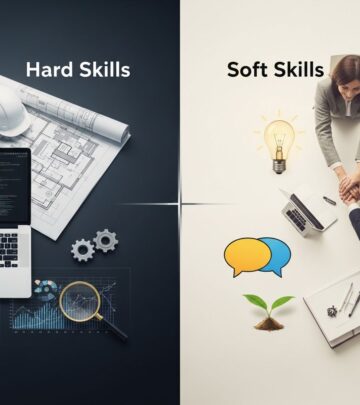
Understanding the difference between hard skills and soft skills is crucial for career development and resume building. While both are valuable, they serve different purposes in the workplace.
| Aspect | Hard Skills | Soft Skills |
|---|---|---|
| Definition | Technical, measurable abilities specific to a job | Interpersonal qualities applicable across industries |
| Examples | Coding, data analysis, financial modeling, SEO, graphic design | Communication, problem-solving, teamwork, leadership |
| Measurability | Easily quantified and tested | Subjective and harder to measure |
| Acquisition | Through education, certifications, and training | Developed through experience and practice |
| Industry Relevance | Highly specific to certain roles | Universally valuable in any profession |
Why Hard Skills Matter in Today’s Job Market
Hard skills are increasingly important in today’s competitive job market for several compelling reasons. Employers specifically seek candidates who possess the technical abilities required to perform job duties efficiently and effectively. When you demonstrate proficiency in relevant hard skills, you signal to potential employers that you can handle the specific technical demands of the role from day one.
Hard skills directly impact your job performance and productivity. They enable you to complete tasks accurately, meet industry standards, and achieve professional goals efficiently. Additionally, possessing strong hard skills can significantly accelerate career advancement, as employers are more likely to promote employees who have acquired advanced technical competencies and can take on higher-level responsibilities.
Comprehensive Examples of Hard Skills Across Industries
Hard skill requirements vary significantly depending on your industry and specific role. Here are essential hard skills organized by professional field:
Marketing and Digital Marketing
Marketing professionals need a diverse set of technical competencies to succeed in today’s digital landscape:
– Search Engine Optimization (SEO) strategies and techniques- Content creation and copywriting- Social media management and analytics- Data analytics and reporting- Email marketing platforms and automation- Marketing automation software- Web analytics tools- Campaign management systems
Project Management
Project managers must master several critical technical skills to oversee complex initiatives:
– Project planning and scheduling- Budgeting and cost management- Risk management and mitigation- Resource allocation and management- Project management software proficiency- Gantt chart development- Stakeholder analysis and communication planning
Finance and Accounting
Finance professionals require sophisticated technical abilities to manage organizational resources:
– Financial literacy and analysis- Budgeting and forecasting- Accounting principles and practices- Financial modeling and analysis- Bookkeeping and accounts management- Tax preparation and documentation- Payroll processing- Risk management- Advanced Excel skills and data analysis
Information Technology and Software Development
Technology professionals need specialized programming and systems knowledge:
– Programming languages (Python, JavaScript, HTML, C++, Java)- Software development and engineering- Data analysis and database management- Cloud computing platforms- Cybersecurity and digital security- System administration- Web development and design- Machine learning and artificial intelligence basics
Design and Creative Fields
Creative professionals must develop technical expertise with specialized tools:
– Adobe Creative Suite proficiency (Photoshop, Illustrator, InDesign)- Graphic design principles and practices- User Interface (UI) and User Experience (UX) design- Web design and development- Typography and layout design- Print design and publishing- Digital design tools and platforms
Sales and Business Development
Sales professionals need specific technical skills to drive revenue and build relationships:
– Customer Relationship Management (CRM) software- Sales analytics and forecasting- Prospecting and lead generation techniques- Sales presentations and proposal writing- Negotiation strategies- Territory management- Sales data analysis
Consulting and Business Analysis
Consultants require analytical and strategic technical competencies:
– Data analysis and statistical analysis- Market research and competitive analysis- Strategic planning and business strategy development- Business management principles- Management consulting methodologies- SWOT analysis and market modeling
Healthcare and Medical Fields
Healthcare professionals must maintain specialized clinical and technical skills:
– IV insertion and phlebotomy- Cardiopulmonary Resuscitation (CPR) and Basic Life Support- Advanced Cardiac Life Support (ACLS)- Medical coding and billing- Electronic health records (EHR) management- Diagnostic imaging techniques
Skilled Trades and Technical Professions
Trade professionals develop hands-on technical expertise:
– Carpentry and woodworking- Plumbing and pipe fitting- Electrical engineering and wiring- Automotive servicing and repair- HVAC installation and maintenance- Construction management- Heavy machinery operation
Language and Communication Technical Skills
Communication-based hard skills are increasingly valuable in global business environments:
– Foreign language proficiency (Spanish, Mandarin, French, German, etc.)- Coding language proficiency (HTML, CSS, JavaScript, Python)- Technical writing and documentation- Academic and professional writing- Copywriting and content editing- Grant writing and proposal development- Translation and transcription services- Proofreading and editorial skills
How to Develop and Improve Your Hard Skills
Developing hard skills requires intentional effort, structured learning, and consistent practice. Here’s a comprehensive approach to building technical competencies:
Formal Education and Training Programs
Consider enrolling in accredited educational programs, university courses, or specialized training institutes that teach your target hard skills. Many universities and online platforms offer certificate programs and degrees focused on specific technical competencies.
Online Learning Platforms
Leverage online courses from platforms like Coursera, Udemy, LinkedIn Learning, and edX to learn at your own pace. These platforms offer courses in virtually every hard skill category and often provide certifications upon completion.
Professional Certifications
Earn industry-recognized certifications to validate your expertise. Examples include the Project Management Professional (PMP), Microsoft certifications, AWS Cloud certifications, and Adobe Creative Cloud certifications. Certifications demonstrate commitment to professional development and add credibility to your resume.
Workshops and Seminars
Attend industry conferences, workshops, and seminars where you can learn from experts and stay current with emerging technologies and best practices in your field.
Hands-On Experience and Practice
Apply your learning through real-world projects, internships, or freelance work. Practical experience is invaluable for mastering hard skills and building a portfolio that demonstrates your capabilities.
Reading and Self-Study
Supplement formal learning with relevant books, technical documentation, industry publications, and research articles. Continuous reading helps you stay informed about developments in your field.
Showcasing Hard Skills on Your Resume
When presenting hard skills on your resume, it’s essential to highlight only those skills that are directly relevant to the position you’re seeking. Here are best practices for resume presentation:
Choose Relevant Skills Only
For example, if you’re applying for a graphic designer role, highlight proficiency in Adobe Creative Suite, typography, and UI/UX design. Don’t include unrelated hard skills like coding languages or data analysis, as they dilute the strength of your application and may confuse recruiters about your primary competencies.
Quantify Your Achievements
Use specific metrics and measurable outcomes to demonstrate the impact of your hard skills. Examples include:
– “Increased website traffic by 30% using SEO strategies and optimization techniques”- “Streamlined data entry and analysis, reducing project completion time by 30% using advanced Excel functions like VLOOKUP and pivot tables”- “Led a cross-functional team to complete a product launch ahead of schedule, using project management tools to improve team productivity by 15%”- “Enhanced customer satisfaction scores by 25% through effective use of CRM software and personalized follow-ups, leading to increased client retention”
Create a Dedicated Skills Section
Include a prominent skills section on your resume that lists your hard skills clearly. Organize skills by category or proficiency level to make them easy for recruiters to scan.
Provide Context in Your Experience
Rather than simply listing skills, demonstrate how you’ve applied them in previous positions. Use action verbs and specific examples that show your technical competency in action.
Easier Hard Skills to Develop
While all hard skills require effort to learn, some can be developed relatively quickly with readily available resources:
– Computer and office software skills- Social media management- Data entry and basic spreadsheet skills- Email communication and file management- Basic graphic design tools- Customer service software- Basic math and numeracy skills- Language proficiency fundamentals- Web analytics basics- Content management systems
Hard Skills in Demand Across Industries
According to current job market data, certain hard skills are particularly sought after by employers across multiple industries:
– Data analysis and interpretation- Business analysis- Data engineering and data mining- Cloud computing and cloud services- Cybersecurity and information security- Project management- Software development and engineering- Customer analysis and insights- Financial analysis and modeling- Advanced Excel and spreadsheet skills
Frequently Asked Questions
Q: What is the main difference between hard skills and soft skills?
A: Hard skills are specific, measurable technical abilities learned through education and training (such as coding, data analysis, or financial modeling), while soft skills are interpersonal qualities that apply across industries (such as communication, problem-solving, and teamwork). Hard skills are industry-specific, whereas soft skills are universally valuable.
Q: How do I identify which hard skills are most important for my career?
A: Examine job postings for positions you’re interested in to see which hard skills employers consistently require. Research industry trends and talk to professionals in your field. Focus on developing skills that align with your career goals and are in high demand in your industry.
Q: Can hard skills be learned without formal education?
A: Yes, hard skills can be developed through various channels including online courses, workshops, on-the-job training, self-study, certifications, and hands-on experience. Many modern professionals develop hard skills through alternative learning methods rather than traditional degree programs.
Q: How often should I update my hard skills?
A: In most industries, you should regularly update your hard skills as technologies and best practices evolve. Consider dedicating time each year to learning new skills or advancing existing ones. Many professionals complete at least one professional development course or certification annually.
Q: How do I prove my hard skills to employers?
A: You can demonstrate hard skills through certifications, portfolios, work samples, test scores, and documented achievements. On your resume, quantify your accomplishments using specific metrics that show the results of your technical expertise.
Q: Are technical hard skills more valuable than other types of hard skills?
A: Technical skills are highly valued, particularly in rapidly growing fields like technology and data analytics. However, hard skills across all domains—from healthcare to finance to skilled trades—are equally valuable within their respective industries. The most valuable hard skills are those required by employers in your target field.
References
- What are Hard Skills? Examples, Importance, and How to Gain — Extern. 2024. https://www.extern.com/post/what-are-hard-skills-definition-examples-and-how-to-boost-your-resume
- 100+ Hard Skills Examples to Put on Your Resume to Stand Out — Jobscan. 2024. https://www.jobscan.co/blog/hard-skills-examples/
- Hard Skills vs. Soft Skills: What Are They? (With Examples) — Insight Global. 2024. https://insightglobal.com/blog/hard-skills-vs-soft-skills/
- Understanding Soft vs. Hard Skills — Washington State University Human Resource Services. 2024. https://hrs.wsu.edu/understanding-soft-vs-hard-skills/
- 82 Examples of Hard Skills To Boost Your Resume (Plus Tips) — Indeed. 2024. https://www.indeed.com/career-advice/career-development/hard-skills
- The Ultimate Guide to Hard Skills for the Workplace and Your Resume — The Muse. 2024. https://www.themuse.com/advice/hard-skills-for-resume-examples
Similar Articles








Read full bio of Sneha Tete