Flexible Fuel Vehicles (FFVs): Everything You Need
Complete guide to flexible fuel vehicles, how they work, benefits, costs, and environmental impact.
What Are Flexible Fuel Vehicles (FFVs)?
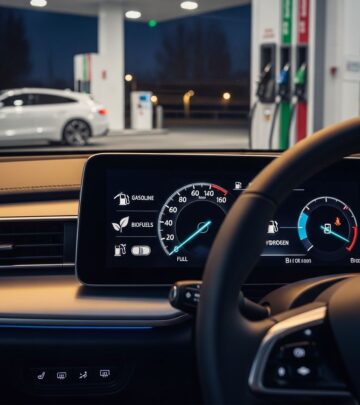
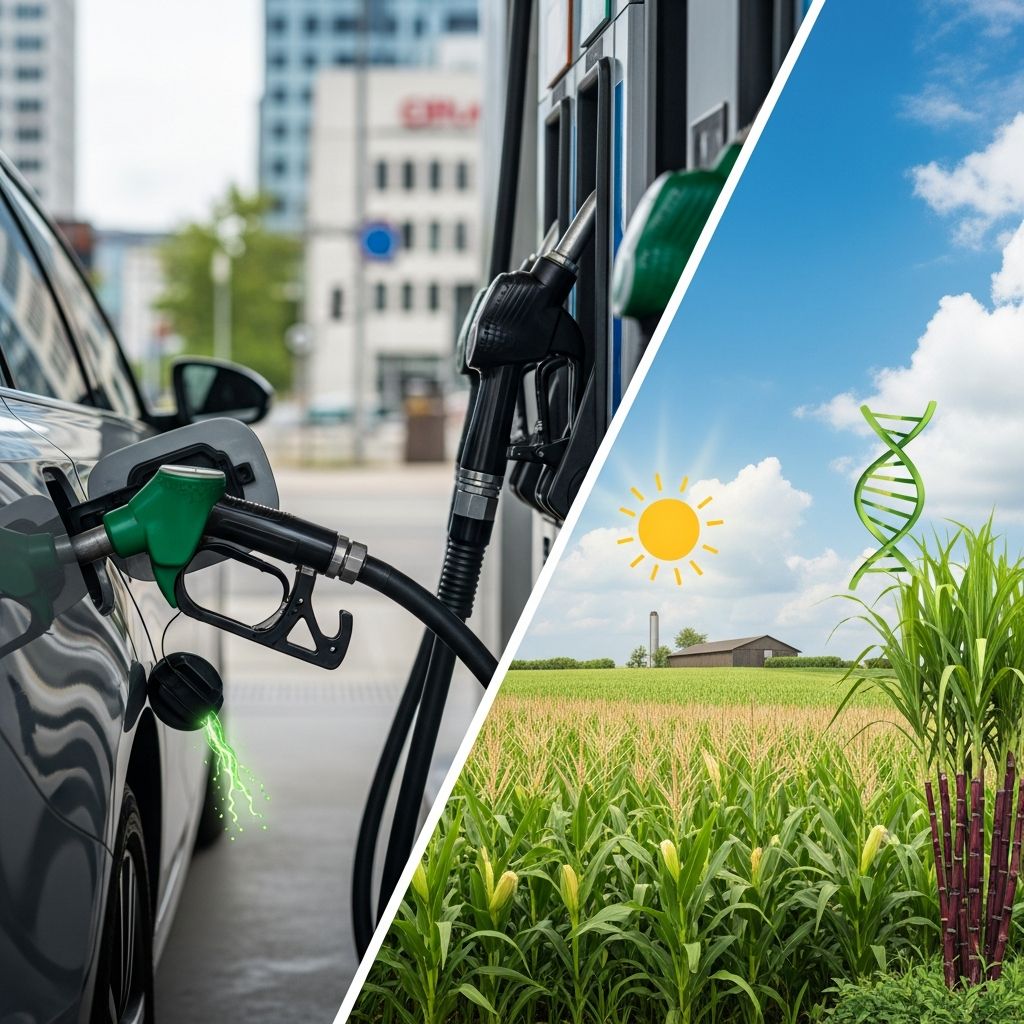
Flexible fuel vehicles, commonly known as FFVs or flex-fuel vehicles, are automobiles engineered with the ability to operate on multiple fuel types. The defining characteristic of an FFV is its capacity to run on unleaded gasoline, ethanol blends such as E85, or any combination of the two fuels stored in a single fuel tank. An FFV, as its name implies, has the flexibility of running on more than one type of fuel, and these vehicles can be fueled with unleaded gasoline, E85, or any combination of the two. Like conventional gasoline vehicles, FFVs have a single fuel tank, fuel system, and engine, and they are available in a wide range of models such as sedans, pickups, and minivans.
Today, more than 20.9 million flexible fuel vehicles operate on U.S. highways, demonstrating the significant adoption of this technology. These light-duty FFVs are designed to run on at least 15% gasoline in the fuel, mainly to ensure they start in cold weather. The most common fuels used by FFVs today are unleaded gasoline and ethanol fuel, though methanol has also been blended with gasoline in flex-fuel vehicles known as M85 FFVs, though their use has been limited mainly to demonstration projects and small government fleets, particularly in California.
How Do Flexible Fuel Vehicles Work?
While FFVs share similarities with conventional vehicles, they differ significantly in their internal design and functionality. FFVs are equipped with modified components designed specifically to be compatible with ethanol’s chemical properties. The key modifications that distinguish FFVs from traditional gasoline vehicles include enhanced fuel system components and engine calibration adjustments.
Engine Modifications and Components
The primary modifications required for FFVs involve three critical areas. First, FFVs feature a larger capacity fuel pump to deliver more fuel to compensate for ethanol’s lower energy density. Second, engine calibration updates are implemented, including fueling and spark advance calibrations directed by the vehicle computer and software to optimize combustion, enable cold start, and meet emissions requirements. These sensors in the FFV system automatically prompt adjustments for fuel composition, ensuring that emissions and standard performance areas such as power and acceleration are not significantly affected by E85.
Ethanol FFVs can run on pure gasoline, pure ethanol (E100) or any combination of both. The flexibility of fuel composition detection is crucial to the operation of modern FFVs. When drivers refuel their vehicle, the onboard computer automatically detects the ratio of ethanol to gasoline and adjusts engine parameters accordingly to maintain optimal performance and emissions control.
Environmental Benefits of Flexible Fuel Vehicles
One of the primary motivations for choosing an FFV is the environmental benefit. Ethanol is a biofuel that produces fewer greenhouse gases than conventional gasoline. By choosing flex fuel, consumers can reduce their carbon footprint and help combat climate change. Since ethanol is produced from renewable sources like corn and other crops, it is considered a more sustainable option than fossil fuels, which are finite and contribute to global warming.
Emissions Reduction
Ethanol burns cleaner than gasoline, which means flex-fuel cars pump fewer toxic fumes into the environment. E85 emits fewer pollutants than traditional gasoline, resulting in cleaner air and a lower environmental impact. It produces fewer carbon dioxide emissions, making it an effective option for reducing a vehicle’s carbon footprint. Specifically, the average tailpipe emissions of E85 gasoline contain 23% less nitrogen oxide and 30% less carbon monoxide compared to regular gasoline.
Even though FFV fuel economy when operating on E85 is less than conventional fuel, E85 provides reductions in life-cycle greenhouse gas emissions because of its renewable source. The ethanol component of this renewable fuel offers significant advantages. It is manufactured in the United States, made from home-grown feedstocks, and is cleaner burning than gasoline.
Supporting American Agriculture
Since ethanol is produced from crops such as corn and sugarcane, it can be sustainably produced. Given that there is a rising global demand for oil, alternative sources of fuel help conserve this non-renewable resource. The production of ethanol supports sustainable agriculture practices and helps reduce our dependence on oil imports. For many consumers, supporting American farmers and the domestic economy through ethanol consumption is an important consideration when selecting an FFV.
Fuel Economy Considerations
One significant difference between E85 and gasoline is fuel economy. Ethanol contains less energy per gallon, which translates into a reduction in fuel economy compared to gasoline. No matter what type of fuel is used, however, fuel mileage is affected by driving habits, weather, ethanol blend in the tank, and other factors.
The cons of flex-fuel vehicles include lower mileage compared to traditional gasoline vehicles. Drivers should expect reduced fuel economy when operating their FFV on E85 compared to pure gasoline. Standard testing results for fuel economy of FFVs and their gasoline counterparts are posted on the combined EPA website, allowing consumers to make informed comparisons before purchase.
For drivers considering an FFV, understanding the fuel economy trade-off is essential. While E85 provides environmental benefits and potential cost savings depending on fuel prices, the reduced miles per gallon means more frequent refueling stops and potentially higher total fuel expenses for high-mileage drivers.
Cost Analysis of Flexible Fuel Vehicles
Purchase Price and Warranties
FFVs have a solid performance history, and manufacturers provide standard warranties for FFVs equal to those for gasoline vehicles at no additional charge. This means that purchasing an FFV does not result in increased warranty costs compared to a conventional vehicle. However, fuel may be a cost factor. E85’s reduced fuel economy compared to gasoline can increase fuel costs.
To help consumers make informed financial decisions, the Alternative Fuels Data Center (AFDC) offers a Flexible Fuel Vehicle Cost Calculator that allows drivers to input their specific driving habits and local fuel prices to determine potential savings or costs associated with FFV ownership.
Tax Benefits
Customers who drive flex-fuel vehicles are eligible for tax credits that can greatly reduce or even eliminate their tax obligations. Tax credit amounts vary depending on the vehicle’s gross vehicle weight rating (GVWR). These tax incentives can significantly offset the initial purchase price of an FFV, making them a more affordable option for environmentally conscious consumers.
Fuel Cost Considerations
The total cost of ownership for an FFV depends on several variables, including local E85 availability, relative fuel prices between E85 and gasoline, and individual driving patterns. Drivers with access to affordable E85 fuel stations and those who prioritize environmental considerations may find FFVs economically advantageous. Conversely, in regions with limited E85 infrastructure or where ethanol prices remain high, traditional gasoline vehicles may prove more economical.
Advantages of Flexible Fuel Vehicles
Flex Fuel Vehicles allow switching between traditional gasoline and ethanol blends, depending on availability and pricing. This flexibility allows drivers to choose the most economical or convenient fuel option without being locked into a single type of fuel. For many consumers, the ability to use multiple fuel sources is a key advantage, especially during times when fuel prices fluctuate.
Performance Benefits
The pros of flex-fuel vehicles include fewer emissions, tax credits, and no performance loss. E85 has a higher octane rating than standard gasoline, which can improve engine performance in some vehicles. Drivers can enjoy improved performance characteristics when operating on ethanol blends while maintaining the flexibility to switch to conventional gasoline when preferred.
Versatility and Convenience
In a world where fuel prices can be unpredictable and modern engines require high-octane fuel, having a vehicle that can adapt to different fuel types is a game-changer. Flex fuel vehicles give drivers the flexibility to choose the fuel that best suits their needs—whether it’s the affordability and high-octanes of ethanol blends or the convenience of gasoline. This versatility proves particularly valuable in regions experiencing significant fuel price volatility.
Disadvantages and Challenges
While FFVs offer numerous benefits, potential drawbacks warrant consideration. The cons of flex-fuel vehicles include less mileage, effects on crop economy, and limited availability.
Limited Infrastructure
One significant challenge for FFV owners is the limited availability of E85 fuel stations in many regions. Unlike gasoline, which is available at nearly every fuel station across the country, E85 infrastructure remains concentrated in certain geographic areas. This limitation may restrict the practical benefits of FFV ownership for drivers in rural or underserved areas.
Agricultural Economy Impacts
The increased demand for ethanol produced from crops such as corn has raised concerns about impacts on agricultural economies and food prices. As ethanol production increases, competition for cropland between fuel production and food production may influence agricultural markets and food costs.
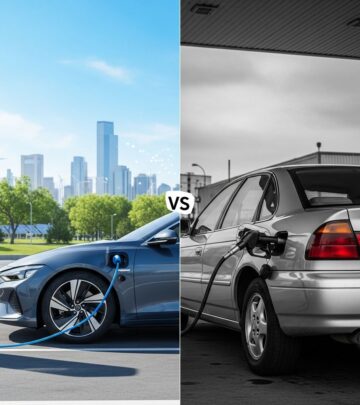
Comparing FFVs to Traditional Vehicles
| Feature | Flexible Fuel Vehicles (FFVs) | Traditional Gasoline Vehicles |
|---|---|---|
| Fuel Options | Gasoline, E85, or any blend | Gasoline only |
| Emissions | Lower when using E85 | Higher |
| Fuel Economy | Lower on E85 | Standard baseline |
| Octane Rating | Higher with E85 | Standard |
| Tax Credits | Eligible | Not eligible |
| Performance | No loss on E85 | N/A |
| Warranty | Standard, no extra cost | Standard |
Is an FFV Right for You?
Determining whether a flexible fuel vehicle is the right choice depends on individual circumstances and priorities. Consider an FFV if you prioritize environmental sustainability, have access to reliable E85 fuel stations in your area, are eligible for tax credits that offset purchase costs, and are willing to accept reduced fuel economy in exchange for cleaner emissions. FFVs work particularly well for drivers in urban or suburban areas with established E85 infrastructure, those with shorter commutes where fuel economy is less critical, and environmentally conscious consumers willing to pay a premium for cleaner transportation options.
Conversely, traditional gasoline vehicles may be more suitable if you live in an area with limited E85 availability, drive long distances where fuel economy is paramount, have budget constraints that make tax credits insufficient to offset costs, or prioritize maximum driving range between refueling.
Frequently Asked Questions
Q: What exactly is E85 fuel?
A: E85 is a blend of 85% ethanol and 15% gasoline. It is a renewable fuel manufactured in the United States from home-grown feedstocks such as corn and other crops. E85 burns cleaner than pure gasoline and produces fewer greenhouse gases.
Q: Can I switch between E85 and gasoline in my FFV?
A: Yes, one of the primary advantages of FFVs is their flexibility. You can fill up with pure gasoline, pure E85, or any blend of the two without any modifications to your vehicle. The onboard computer automatically detects the fuel composition and adjusts engine parameters accordingly.
Q: Will using E85 damage my FFV engine?
A: No, FFVs are specifically designed and engineered to safely operate on E85. Manufacturers provide standard warranties for FFVs equal to those for gasoline vehicles at no additional charge, demonstrating their confidence in FFV reliability and performance.
Q: How much money can I save with an FFV?
A: Potential savings depend on several factors including local E85 prices, your driving habits, fuel economy differences, and available tax credits. The Alternative Fuels Data Center offers a Flexible Fuel Vehicle Cost Calculator to help estimate savings based on your specific circumstances.
Q: Are FFVs more environmentally friendly than traditional vehicles?
A: Yes, when operating on E85, FFVs produce fewer greenhouse gases, lower carbon dioxide emissions, and reduce harmful pollutants like nitrogen oxide and carbon monoxide. E85 provides reductions in life-cycle greenhouse gas emissions because of its renewable source compared to fossil fuels.
Q: Where can I find E85 fuel stations?
A: E85 fuel availability varies by region. The Alternative Fuels Data Center maintains an online database of E85 stations across the United States, helping drivers locate nearby refueling options. Urban and suburban areas generally have better E85 infrastructure than rural regions.
Q: Do FFVs lose performance on E85 compared to gasoline?
A: No, FFVs maintain equivalent performance on E85 as on gasoline. E85 has a higher octane rating than standard gasoline, and the modified engine calibration ensures that power and acceleration are not significantly affected by E85. The only notable difference is fuel economy.
Q: What models are available as FFVs?
A: FFVs are available in a wide range of models including sedans, pickups, minivans, and other vehicle types. Major automakers offer FFV options across their model lineups, providing consumers with diverse choices.
Conclusion
Flexible fuel vehicles represent an important option for environmentally conscious consumers seeking alternatives to traditional gasoline-powered vehicles. With the ability to run on unleaded gasoline, E85, or any combination of the two, FFVs offer unmatched fuel flexibility while delivering reduced emissions and supporting domestic renewable fuel production. While considerations such as reduced fuel economy on E85, limited charging infrastructure in some regions, and variable fuel prices require careful evaluation, the environmental benefits, tax incentives, and performance characteristics make FFVs an attractive choice for many drivers. By understanding how FFVs work, their costs and benefits, and whether they align with your driving needs and priorities, you can make an informed decision about whether a flexible fuel vehicle is the right choice for your transportation requirements.
References
- Flexible Fuel Vehicles: Providing a Renewable Fuel Choice — National Renewable Energy Laboratory (NREL). 2007. https://docs.nrel.gov/docs/fy07osti/41597.pdf
- Flexible-fuel vehicle — Wikipedia. Accessed November 2025. https://en.wikipedia.org/wiki/Flexible-fuel_vehicle
- Why Consumers Choose Flex Fuel Vehicles — H&S Energy Group. Accessed November 2025. https://hnsenergygroup.com/why-consumers-choose-flex-fuel/
- The Pros and Cons of Flexible Fuel Vehicles — CarParts.com. Accessed November 2025. https://www.carparts.com/blog/the-pros-and-cons-of-flexible-fuel-vehicles/
- Flex Fuel: Benefits and Disadvantages — Car and Driver. Accessed November 2025. https://www.caranddriver.com/research/a31542970/flex-fuel-benefits/
- What is Flex Fuel and Why do Enthusiasts Love it? — eFlexFuel. Accessed November 2025. https://eflexfuel.com/us/blog/what-is-flex-fuel-and-why-do-enthusiasts-love-it/
- What Are Flex Fuel Vehicles? Benefits & Features Explained — Reliance General Insurance. Accessed November 2025. https://www.reliancegeneral.co.in/insurance/knowledge-center/blogs/what-are-flex-fuel-vehicles.aspx
Similar Articles








Read full bio of Sneha Tete