Expenses: Definition, Types, and Business Impact
Complete guide to understanding business expenses and their role in financial management.
What Are Expenses?
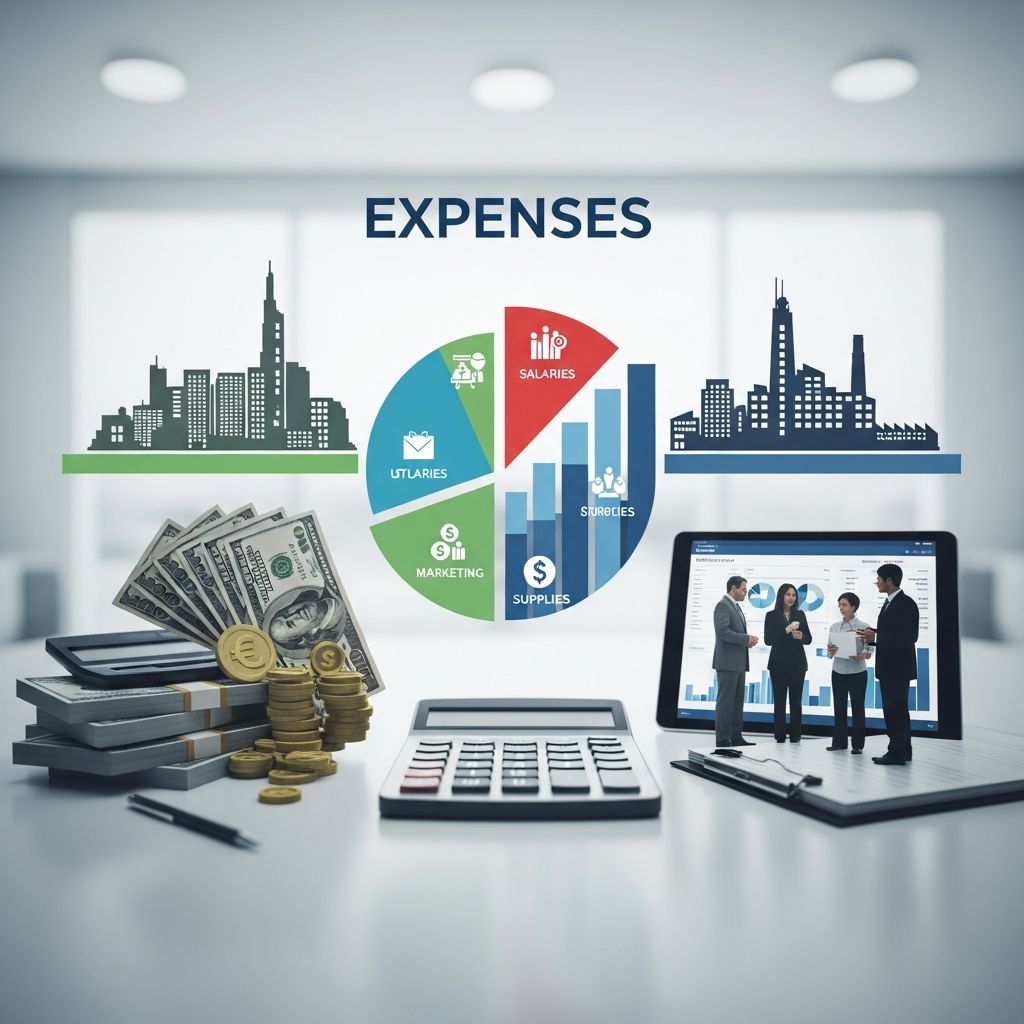
An expense is a cost incurred by a business in the process of generating revenue or maintaining operations. In accounting and finance, expenses represent the outflow of economic resources, typically measured in monetary terms, that are used to produce goods or services, or to support the administrative functions of an organization. Expenses are fundamental to understanding a company’s profitability and financial health, as they directly impact the bottom line by reducing net income.
From a business perspective, expenses can be thought of as the resources consumed during a specific accounting period. These might include salaries paid to employees, rent for office space, utilities consumed, inventory used in production, marketing costs, and depreciation of assets. Understanding the nature and categorization of expenses is crucial for business owners, accountants, and investors who need to assess operational efficiency and financial performance.
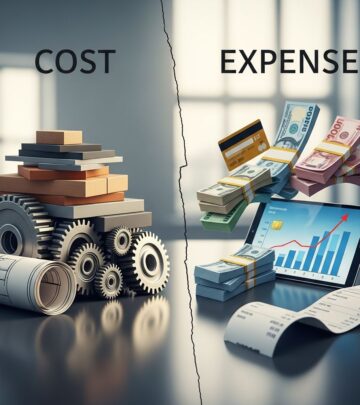
Expenses vs. Costs: Key Differences
While the terms “expenses” and “costs” are often used interchangeably in casual conversation, they have distinct meanings in accounting and business finance. Understanding these differences is essential for proper financial reporting and analysis.
Cost Definition
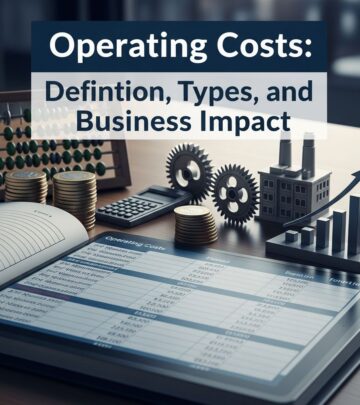
A cost refers to the monetary value of resources used to produce goods or services. Costs are typically associated with the acquisition or production of assets and inventory. For example, the cost of raw materials used to manufacture a product or the cost of purchasing equipment represents the initial expenditure. Costs can be capitalized as assets on the balance sheet if they are expected to provide future economic benefits.
Expense Definition
An expense, by contrast, is the consumption of a cost during a specific period. When a cost is incurred and there is no expectation of future benefit, it becomes an expense and is recorded on the income statement. Expenses are deducted from revenue to calculate net income for the accounting period. For instance, depreciation represents the expense that reflects the consumption of a capital asset over time.
Key Differences Summary
- Recognition: Costs appear on the balance sheet as assets; expenses appear on the income statement.
- Time Period: Costs are incurred at acquisition; expenses reflect consumption during a specific period.
- Future Benefit: Costs have expected future economic benefits; expenses do not.
- Capitalization: Costs can be capitalized; expenses are immediately deducted from revenue.
Types of Business Expenses
Business expenses can be categorized in several ways, depending on their nature, function, and impact on financial statements. Understanding these categories helps businesses better manage their resources and analyze financial performance.
Operating Expenses
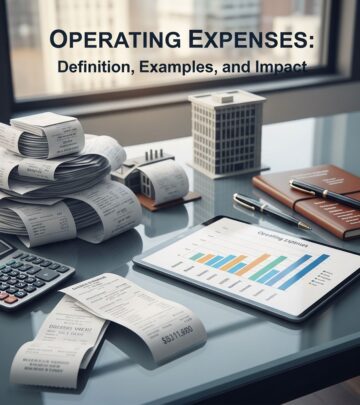
Operating expenses (OpEx) are costs incurred in the day-to-day functioning of a business and are directly related to revenue generation. These expenses are recurring and necessary for maintaining business operations. Common operating expenses include:
- Salaries and wages for employees
- Rent or lease payments for facilities
- Utilities (electricity, water, gas)
- Office supplies and equipment
- Marketing and advertising costs
- Insurance premiums
- Transportation and delivery costs
- Maintenance and repairs
Non-Operating Expenses
Non-operating expenses are costs that are not directly related to the core business operations. These might include interest expenses on debt, losses from the sale of assets, or expenses from non-core business activities. Non-operating expenses can significantly impact net income but are separate from operational performance.
Capital Expenses
Capital expenses (CapEx) are expenditures for acquiring, upgrading, and maintaining physical assets such as buildings, equipment, vehicles, or technology infrastructure. Unlike operating expenses, capital expenses are capitalized on the balance sheet and depreciated over their useful life. Examples include:
- Purchase of machinery or equipment
- Construction or renovation of facilities
- Technology infrastructure investments
- Vehicle purchases
- Software and system implementations
Fixed Expenses
Fixed expenses are costs that remain constant regardless of production volume or sales activity. These expenses do not fluctuate with business performance and must be paid regardless of revenue. Examples include rent, insurance premiums, annual software licenses, and salaried employee compensation. Fixed expenses are important for understanding the break-even point of a business.
Variable Expenses
Variable expenses are costs that change in proportion to business activity or production volume. As sales increase, variable expenses increase; as sales decrease, these expenses decrease. Common variable expenses include:
- Raw materials and inventory costs
- Packaging materials
- Hourly labor costs
- Sales commissions
- Shipping and delivery costs
- Utilities that scale with production
Accrued Expenses
Accrued expenses are costs that have been incurred but not yet paid. These expenses are recorded in the accounting period when they are incurred, following the accrual accounting principle, rather than when payment is made. Common accrued expenses include accrued wages, interest on loans, and utility bills awaiting payment.
Ordinary vs. Extraordinary Expenses
Expenses can also be classified based on their frequency and predictability:
Ordinary Expenses
Ordinary expenses are regular, recurring costs incurred as part of normal business operations. These expenses are expected and predictable, making them easier to budget and forecast. Most operating expenses fall into this category.
Extraordinary Expenses
Extraordinary expenses are unusual, infrequent costs that are not part of normal business operations. These might include losses from natural disasters, litigation settlements, or the cost of restructuring. Extraordinary expenses are often reported separately on financial statements to provide clarity on operational performance.
Importance of Expense Tracking and Management
Proper expense management is critical for business success and financial health. Here’s why tracking and managing expenses matters:
- Profitability Analysis: Accurate expense reporting directly impacts the calculation of net income and profit margins, essential metrics for assessing business performance.
- Tax Compliance: Documenting expenses is crucial for tax deductions and ensuring compliance with tax regulations. Legitimate business expenses can reduce taxable income.
- Budget Planning: Understanding historical expenses helps businesses create realistic budgets and financial forecasts.
- Cost Control: Monitoring expenses allows management to identify areas of waste and implement cost reduction strategies.
- Financial Analysis: Investors and creditors analyze expense ratios to assess operational efficiency and financial stability.
- Decision Making: Expense data provides insights that inform strategic business decisions regarding pricing, production, and resource allocation.
Expense Recognition and Accounting Principles
The proper recognition of expenses is governed by accounting principles, primarily the expense recognition principle (also called the matching principle). This principle requires that expenses be recorded in the same accounting period as the revenues they help generate, ensuring accurate financial reporting.
Under the accrual accounting method, expenses are recognized when incurred, not when paid. This approach provides a more accurate picture of financial performance but requires careful tracking and adjustment for unpaid invoices and accrued liabilities.
Impact of Expenses on Financial Statements
Expenses have a direct impact on a company’s financial statements:
Income Statement
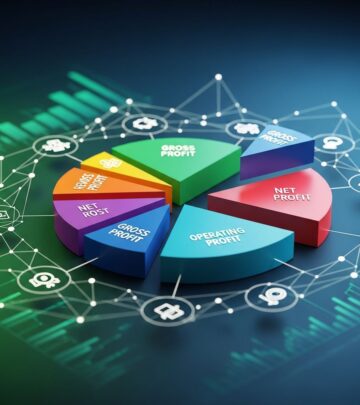
Expenses are deducted from revenue on the income statement to calculate gross profit, operating income, and net income. A company’s profitability is fundamentally determined by the relationship between revenues and expenses.
Cash Flow Statement
Paid expenses appear on the cash flow statement as cash outflows, affecting the company’s liquidity and cash position. Understanding the timing of expense payments is crucial for cash flow management.
Balance Sheet
While expenses primarily affect the income statement, they indirectly impact the balance sheet through accumulated losses or retained earnings, which affects shareholders’ equity.
Common Expense Categories for Different Business Types
| Business Type | Primary Expense Categories |
|---|---|
| Retail | Cost of goods sold, rent, payroll, marketing, utilities |
| Manufacturing | Raw materials, labor, depreciation, factory overhead, utilities |
| Service | Labor, equipment, office rent, insurance, professional fees |
| Software/SaaS | Development, server costs, customer support, marketing, cloud infrastructure |
| Consulting | Professional staff salaries, office expenses, training, travel |
Frequently Asked Questions (FAQs)
Q: What is the difference between an expense and an expenditure?
A: An expenditure refers to any outflow of cash or resources, while an expense is the consumption of a resource during an accounting period. A capital expenditure might not become an expense until it is depreciated over time.
Q: Are all business expenses tax-deductible?
A: No, not all expenses are tax-deductible. Only ordinary and necessary business expenses that are directly related to generating income are generally deductible. Personal expenses and certain other costs are not tax-deductible. Consult with a tax professional for specific guidance.
Q: How do I determine if something is a fixed or variable expense?
A: Fixed expenses remain the same regardless of production or sales volume (like rent), while variable expenses change proportionally with business activity (like raw materials). Some expenses are semi-variable, having both fixed and variable components.
Q: Why is expense tracking important for small businesses?
A: Expense tracking helps small businesses monitor cash flow, identify profitability, ensure tax compliance, budget effectively, and make informed financial decisions. It also provides documentation for potential audits or investor inquiries.
Q: What is the difference between prepaid expenses and accrued expenses?
A: Prepaid expenses are payments made in advance for goods or services to be received in the future, while accrued expenses are costs incurred but not yet paid. Both require adjustment entries in accrual accounting.
Q: How does the matching principle apply to expenses?
A: The matching principle requires that expenses be recorded in the same period as the revenues they help generate. This ensures that financial statements accurately reflect the relationship between costs incurred and revenues earned.
References
- Financial Accounting Standards — Financial Accounting Standards Advisory Board (FASAB). 2024. https://www.fasab.gov/
- Generally Accepted Accounting Principles (GAAP) — Financial Accounting Standards Board (FASB). 2024. https://www.fasb.org/
- Internal Revenue Service: Business Expenses — U.S. Internal Revenue Service. 2024. https://www.irs.gov/businesses/small-businesses-self-employed/business-expenses
- Cost Accounting Standards — Cost Accounting Standards Board (CASB). 2024. https://www.whitehouse.gov/omb/
- Accrual vs. Cash Accounting: What You Need to Know — Small Business Administration (SBA). 2024. https://www.sba.gov/
Similar Articles








Read full bio of Sneha Tete