What Are Comps in Real Estate and Finance?
Master comparable property analysis to make informed real estate and investment decisions.

Understanding Comps: A Comprehensive Guide to Comparable Properties
Comps, short for comparable properties or comparables, are one of the most fundamental tools in real estate and financial analysis. Whether you’re buying a home, selling a property, or evaluating investment opportunities, understanding how comps work is essential to making informed decisions. This guide explains what comps are, how they’re used, and why they matter in today’s real estate market.
What Are Comps?
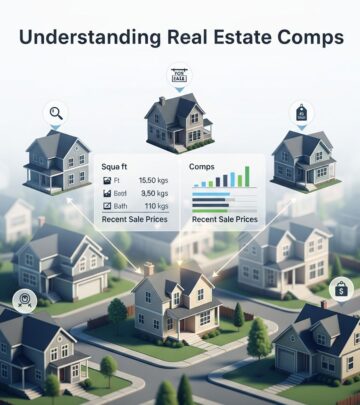
Comps are recently sold properties that are similar to the property being valued or analyzed. Real estate professionals use comparable properties to estimate the market value of a home or property by examining the sale prices of similar properties in the same geographic area. Rather than relying on a single valuation method, comps provide a data-driven approach that reflects current market conditions and buyer preferences.
The comparable sales approach, also known as the market approach, is one of the three main valuation methods used by appraisers and real estate professionals. This method assumes that informed buyers won’t pay more for a property than they would pay for a similar property with equivalent features and condition.
How Comps Are Selected and Analyzed
Finding the right comparable properties requires careful consideration of several factors. The most important criteria for selecting comps include:
Geographic Proximity
Location is paramount in real estate valuation. Comps are typically selected from within a roughly 3-mile radius of the subject property, though this distance may vary depending on the local market conditions and property type. Properties in the same neighborhood or subdivision are generally preferred because they share similar characteristics such as school districts, employment centers, and community amenities. In urban areas, comps might be drawn from a smaller radius, while in rural markets, a wider geographic area might be necessary.
Property Characteristics
Comparable properties should match the subject property in key ways. Essential characteristics include:
– Square footage and lot size- Number of bedrooms and bathrooms- Age and construction quality- Architectural style and design- Condition and maintenance level- Parking availability and garage spaces- Special features such as pools, patios, or updated systems
Sale Timing
Comps should reflect recent sales, typically within the last 90 days to 6 months, depending on market conditions. In a fast-moving market, more recent sales are preferred. In a slower market, older sales may be acceptable. The timing ensures that the comparable sales data reflects current market conditions and buyer preferences rather than outdated pricing information.
Market Conditions
The broader real estate market context matters significantly. In a buyer’s market with declining prices, older comps may overstate property values. In a seller’s market with rising prices, they may understate values. Professional appraisers account for market trends and adjust comparable values accordingly.
How to Use Comps Effectively
For Home Buyers
Buyers can use comps to determine a reasonable offer price for a property they’re interested in purchasing. By researching comparable sales, buyers can avoid overpaying and ensure they’re making a competitive offer that reflects market value. This research helps buyers negotiate confidently and avoid emotional decision-making based on personal preferences rather than data.
For Home Sellers
Sellers use comps to establish an appropriate listing price for their property. Overpricing based on wishful thinking rather than market data can result in extended time on the market and lower final sale prices. Underpricing leaves money on the table. Comps help sellers find the optimal price point that attracts serious buyers while maximizing sale proceeds.
For Real Estate Appraisers
Professional appraisers rely heavily on comparable sales to determine fair market value for mortgage lending purposes. Lenders require appraisals to ensure the property value supports the loan amount. Appraisers typically use three to five comparable sales and make adjustments for differences between the subject property and the comps.
For Investors
Real estate investors use comps to evaluate investment properties, calculate potential returns, and determine maximum purchase prices. Investment decisions depend on understanding local market values and rental rates, which comps help establish. Investors also use comps to track portfolio performance and identify emerging market opportunities.
Making Adjustments to Comparable Properties
Rarely will comparable properties match the subject property exactly. Appraisers and real estate professionals make adjustments to account for differences. Common adjustments include:
Price Adjustments for Key Differences
| Feature | Adjustment Impact | Example ||———|——————-|———-|| Garage spaces | Value per space varies | Adding $5,000-$10,000 per space || Updated kitchen/bathrooms | Significant value add | +$10,000-$25,000 per updated room || Square footage | Linear adjustment | +/- $100-$200 per sq ft || Age/condition | Major factor | -$50,000 for significant deferred maintenance || Special amenities | Variable | +$15,000-$50,000 for pool or finished basement || Lot size | Location dependent | Adjustment varies by market |
These adjustments transform comparable sales into a more accurate estimate of the subject property’s value. For example, if a comparable property sold for $400,000 but has an updated kitchen worth $15,000 more than the subject property, the adjusted comparable price would be $385,000.
Where to Find Comparable Properties
Multiple Listing Service (MLS)
The MLS is the primary source for real estate professionals to access comparable sales data. Real estate agents have access to detailed information about recently sold properties, including sale prices, property features, and sale dates. MLS data is generally considered the most accurate and comprehensive source for residential comps.
Public Records
County assessor offices and property tax records contain information about property sales and valuations. These records are publicly available and can be accessed online in many jurisdictions, though the data may be less detailed than MLS information.
Online Real Estate Platforms
Websites such as Zillow, Redfin, and Realtor.com provide access to comparable sales data, though with certain limitations. These platforms offer convenient comp research for consumers but may not include all recent sales or provide the detailed adjustments that professional appraisers perform.
Real Estate Agents and Appraisers
Professional real estate agents and appraisers have specialized access to comprehensive comparable sales data and expertise in analyzing and adjusting that data. Their professional experience helps them identify which comps are most relevant and what adjustments are appropriate.
The Importance of Comps in Financial Analysis
Beyond residential real estate, comps play a critical role in broader financial analysis. In investment banking and corporate finance, “spreading comps” involves gathering financial data from public companies and calculating valuation multiples like enterprise value to revenue (TEV/R) and enterprise value to EBITDA (TEV/EBITDA). This comparable company analysis helps value businesses by comparing their financial metrics to similar publicly traded companies. Understanding how to analyze and interpret these financial comps is fundamental to investment decision-making and corporate valuation.
Common Mistakes to Avoid When Using Comps
Including Non-Comparable Properties
Using properties that don’t truly compare to the subject property skews the valuation. A beachfront property shouldn’t be compared to an inland property at the same price, nor should a single-family home be directly compared to a townhouse with shared walls.
Ignoring Market Conditions
Failing to account for market trends can result in inaccurate valuations. A property that sold six months ago in a rapidly appreciating market may have been worth significantly less than today’s value.
Overweighting Outliers
Unusual sales, whether exceptionally high or low, may not represent true market value. A distressed sale or a sale involving non-arms-length parties should be weighted differently than typical market sales.
Neglecting Important Adjustments
Failing to make appropriate adjustments for significant differences between properties can lead to inaccurate conclusions about market value.
The Role of Comps in Valuation vs. Financial Statements
Comparable analysis serves a different purpose than analyzing a company’s financial statements. While financial statements provide historical performance data, comps reveal the current market perspective on value. For competitive analysis, examining comparable companies’ balance sheet patterns—such as cash positioning, accounts receivable growth, and debt levels—can reveal strategic intentions and financial health that pure financial statements might obscure. A company’s accounts payable and cash position can indicate whether they’re preparing for acquisitions, experiencing financial stress, or positioning for growth.
Frequently Asked Questions About Comps
Q: How many comps do I need to get an accurate valuation?
A: Professional appraisers typically use three to five comparable sales for residential properties. Using multiple comps provides better accuracy and accounts for market variations. However, in markets with fewer available sales, even one or two well-selected comps may be necessary.
Q: Can I use comps that sold more than six months ago?
A: While more recent sales are preferred, older comps can be used in slower markets or when recent sales are limited. However, adjustments for market appreciation or depreciation become increasingly important as the sale date moves further back.
Q: What if there are no truly comparable properties in my area?
A: In unique or rural markets with limited comparable sales, appraisers may expand the geographic radius or make larger adjustments for differences. In these cases, other valuation methods such as the cost approach or income approach may provide additional support for the valuation.
Q: How do new construction homes affect comp values?
A: New construction sales can serve as comps for similar new construction, but comparing them to older homes requires substantial adjustments for age and condition. Some appraisers distinguish between new construction comps and resale comps for this reason.
Q: Can I negotiate based on comps I’ve found online?
A: Yes, comps provide valuable data for negotiations. However, ensure your comps truly represent the market by verifying they’re recent, comparable, and in the same market. Working with a real estate agent who has access to MLS data will strengthen your negotiating position.
Q: How do I account for major market shifts when using comps?
A: During significant market changes, such as interest rate movements or local economic disruptions, market adjustment factors become increasingly important. A real estate professional or appraiser can help quantify these adjustments based on trend analysis and market data.
Conclusion
Comps are indispensable tools for anyone involved in real estate transactions or investments. By understanding what comps are, how to find them, and how to use them effectively, buyers, sellers, and investors can make more informed decisions. Whether you’re purchasing your first home, selling an investment property, or evaluating a business using comparable company analysis, mastering the use of comps will enhance your ability to identify fair market value and negotiate effectively. In an increasingly data-driven real estate market, comp analysis remains one of the most reliable and widely accepted methods for establishing property values.
References
- Balance Sheet Forecasting Guide — Wall Street Prep. 2024. https://www.wallstreetprep.com/knowledge/guide-balance-sheet-projections/
- Understanding the Balance Sheet Through the Eyes of a Competitive Intelligence Analyst — Octopus Intelligence. 2024. https://www.octopusintelligence.com/understanding-the-balance-sheet-through-the-eyes-of-a-competitive-intelligence-analyst/
- Comparable Company Analysis — Street Of Walls. 2024. https://www.streetofwalls.com/finance-training-courses/investment-banking-technical-training/comparable-company-analysis/
- What Are Real Estate Comps? — Experian. 2024. https://www.experian.com/blogs/ask-experian/what-are-real-estate-comps/
Similar Articles








Read full bio of Sneha Tete