What Are Commodities? Definition, Types, and Investment Guide
Complete guide to understanding commodities, their types, and how to invest in them effectively.
What Are Commodities?
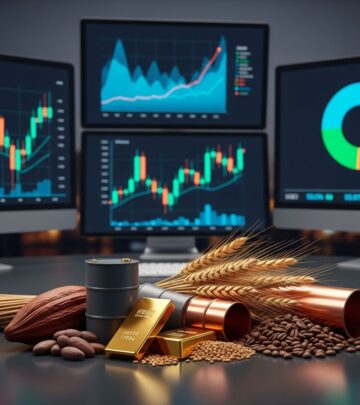
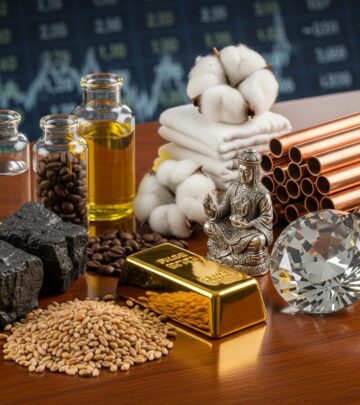
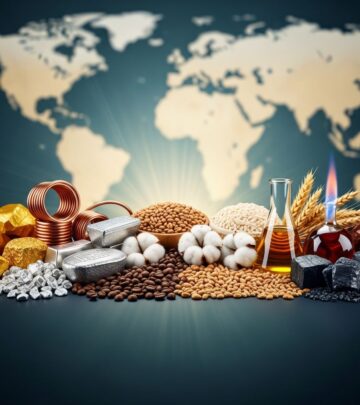
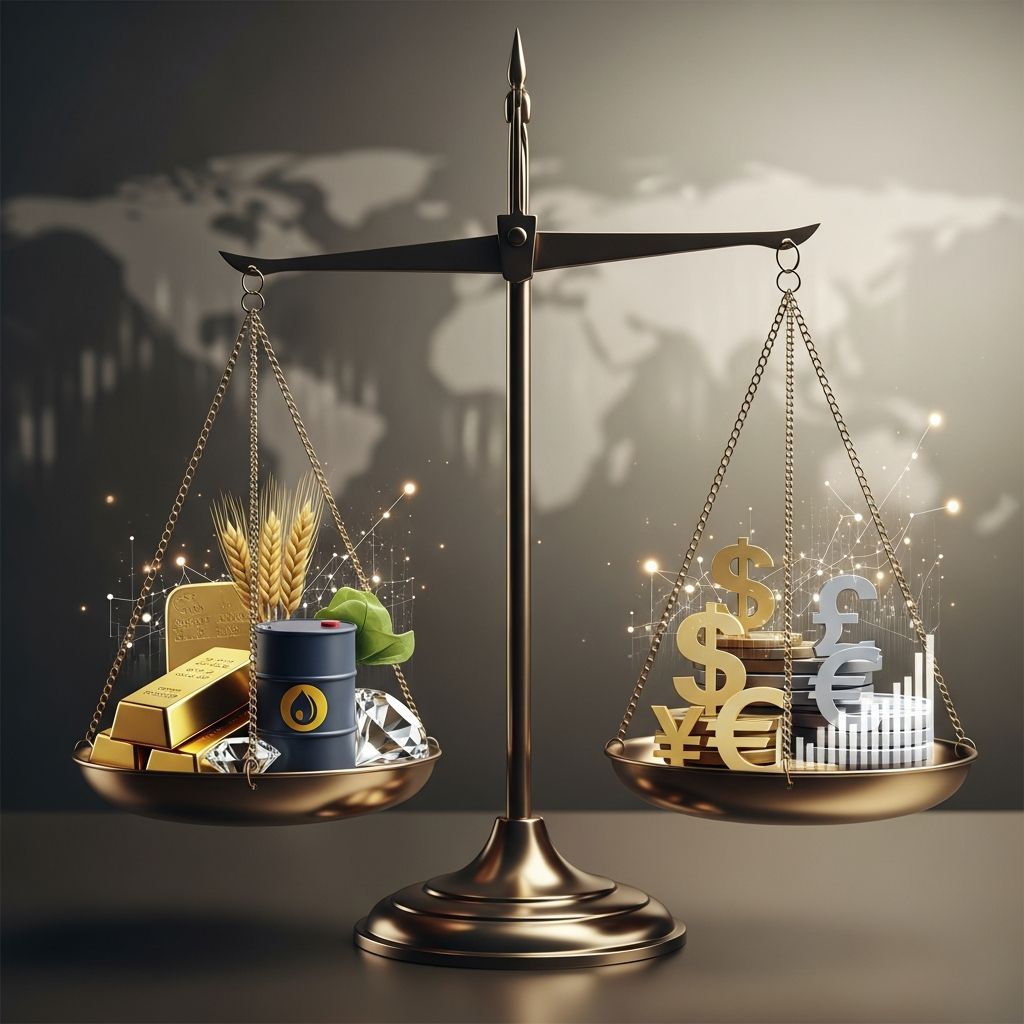
Commodities are basic goods and raw materials that serve as the foundation for commerce and trade across the global economy. These tangible assets are used in production, manufacturing, and consumption, making them essential to modern economies and everyday life. The term “commodities” refers to a categorization of raw materials meant to be consumed, but over time has evolved to encompass underlying assets within various financial products and derivative instruments.
Commodities are frequently traded in derivative instruments and speculative investments, making them an important asset class alongside stocks and bonds. Most commodities possess uniform quality, are produced in large quantities, and are produced by many different producers worldwide. This standardization means that commodities of the same type can be interchanged as long as they meet the same grade specifications. For example, a chocolate manufacturer can purchase cocoa from Ghana or Cameroon and produce chocolate of identical quality, demonstrating the fungible nature of commodity markets.
Core Characteristics of Commodities
Several defining characteristics distinguish commodities from other asset classes:
- Tangible Assets: Commodities are physical goods that can be extracted, grown, mined, or processed.
- Standardization: Commodities of the same grade and quality are interchangeable and can be substituted for one another.
- Global Trading: Most commodities are publicly traded on exchanges worldwide, enabling transparent price discovery.
- Industrial Use: Commodities serve as raw materials for manufacturing a wide variety of consumer goods and industrial products.
- Price Volatility: Commodity prices fluctuate based on supply and demand dynamics, geopolitical events, weather conditions, and macroeconomic factors.
- Portfolio Diversification: Though highly volatile and high-risk, commodities can serve as a counterweight to stocks and bonds and provide a hedge against inflation.
Hard Commodities vs. Soft Commodities
Commodities are broadly categorized into two main classifications based on their origin and extraction method:
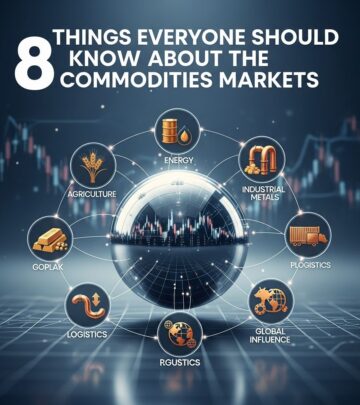
Hard Commodities must be mined or drilled from the earth. These include precious metals such as gold and silver, industrial metals like copper and aluminum, and energy resources including crude oil and natural gas. Hard commodities require significant capital investment in extraction infrastructure and are subject to geological constraints and mining regulations.
Soft Commodities can be farmed or ranched and include agricultural goods and livestock. These commodities are renewable resources that can be cultivated and harvested. Some soft commodities, such as sugar, cotton, cocoa, and coffee, are considered perishable and cannot be stored for lengthy periods, which affects their market dynamics and trading strategies.
Main Types of Commodities
Agricultural Commodities
Agricultural commodities are crops and livestock that are raised and harvested to provide food, fibers, and increasingly, fuels. These commodities are used to sustain or support life and are mostly centered on food or feed for animals. Agricultural commodities can be subdivided into five main groups:
- Grains: A primary source of carbohydrates in both human foods and livestock feed. More than 20 different grains are commonly grown and traded, with corn, wheat, barley, and rice being the largest.
- Oilseeds: Principally grown for their vegetable oil content, which is a major component in foods, biofuels, and other products. Major oilseed commodities include palm, soybean, sunflower, and rapeseed (canola). After crushing to remove oil, the remaining material is known as “meal” and serves as a major constituent of animal feed.
- Softs: A group of commodities primarily grown in tropical regions, including coffee, sugar, cocoa, orange juice, and rubber.
- Livestock: A source of protein in diets, with cattle and hogs being the most actively traded.
- Dairy: Products such as milk, butter, and cheese are viewed as commodity markets and serve as sources of protein and carbohydrates.
These commodities are subject to weather, natural disasters, and disease, but can be profitable in the face of population growth and limited food supply.
Energy Commodities
Energy commodities are vital for modern economies and lifestyles. They serve multiple essential functions including power for industry, transportation fuels, cooking fuels, heating and lighting, and chemical feedstocks for other products such as plastics and textiles. The main energy commodities that have been traditionally traded are crude oil, natural gas, coal, and electricity.
Energy commodities such as crude oil, heating oil, gasoline, and natural gas are used as energy sources and have a wide range of industrial and consumer applications. As there is a limited global supply, energy prices have historically increased with demand. Energy commodities are volatile, affected by everything from economic ups and downs to regulations from the Organization of the Petroleum Exporting Countries (OPEC) and the shift toward renewable energy sources.
Metal Commodities
Metals are chemical elements or alloys that have high conductivity for heat and electricity, a critical property for use in electrical and electronic devices. Metal commodities can be categorized into three groups:
- Precious Metals: Include gold, silver, and platinum. Gold is one of the most popular metal commodities because of its long history as something of value, and many investors choose to invest in gold and other precious metals when stock prices are falling.
- Industrial Metals: Include aluminum, nickel, zinc, copper, and lead. These metals are used to make other items and a wide range of consumer goods.
- Ferrous Metals: Iron-based metals used in construction and manufacturing.
Metals like copper are used to make a wide range of goods, including cars and electronics. Many metals derive their price from their value as speculative assets, in addition to their industrial applications.
Commodity Trading and Markets
Commodities are traded through various mechanisms and financial instruments. Most investors do not own commodities outright but instead access commodity markets through multiple investment vehicles:
- Commodity ETFs and Mutual Funds: Exchange-traded funds and mutual funds that track commodity prices or hold baskets of commodity-related securities.
- Commodity Stocks: Shares in companies engaged in commodity production, extraction, or distribution.
- Futures Contracts: Standardized contracts to buy or sell a specific quantity of a commodity at a predetermined price on a future date.
- Options on Commodity Futures: Derivative contracts providing the right but not the obligation to buy or sell commodity futures.
- Direct Ownership: Physical possession of commodities, though less common for most investors.
Investment assets such as commodities can be borrowed and lent, enabling sophisticated trading strategies and market liquidity. However, markets behave differently depending on whether commodities are treated as investment assets or consumer assets held for end-user consumption.
Investment Strategies and Considerations
Investors consider commodities for several strategic reasons:
Portfolio Diversification: Commodities often move inversely to stocks and bonds, providing diversification benefits and reducing overall portfolio risk.
Inflation Hedge: Commodities tend to appreciate during inflationary periods, protecting purchasing power and offsetting declines in real asset values.
Income Generation: Some commodity investments can generate returns through price appreciation or yield-bearing instruments.
Supply-Demand Dynamics: Understanding geopolitical events, weather patterns, technological changes, and regulatory developments that affect commodity supply and demand is crucial for informed investment decisions.
Risks and Challenges
Commodity investing carries substantial risks that investors must carefully evaluate:
- High Volatility: Commodity prices are highly volatile and subject to rapid fluctuations based on multiple factors.
- Geopolitical Risk: Political events, trade disputes, and regulatory changes can dramatically impact commodity supplies and prices.
- Weather and Natural Disasters: Agricultural commodities are particularly vulnerable to adverse weather, droughts, hurricanes, and disease outbreaks.
- Economic Sensitivity: Energy and industrial metal prices correlate strongly with economic cycles, declining during recessions.
- Liquidity Concerns: Some commodity markets may have lower liquidity, making it difficult to enter or exit positions at favorable prices.
- Storage and Carrying Costs: Physical commodity ownership involves storage, insurance, and handling expenses.
Major Commodity Examples by Category
| Category | Examples | Primary Uses |
|---|---|---|
| Precious Metals | Gold, Silver, Platinum | Jewelry, industrial applications, investment vehicles |
| Industrial Metals | Aluminum, Copper, Nickel, Zinc | Electronics, construction, manufacturing |
| Energy | Crude Oil, Natural Gas, Coal, Gasoline | Transportation, electricity generation, heating |
| Agricultural | Wheat, Corn, Soybeans, Coffee, Sugar | Food production, animal feed, biofuels |
| Livestock | Cattle, Hogs, Lean Hogs, Feeder Cattle | Meat production, protein source |
How Commodities Differ from Stocks
While both commodities and stocks represent investment opportunities, they differ fundamentally in their nature and behavior. Stocks represent ownership shares in companies, which have earnings potential and capital appreciation. Commodities, by contrast, are raw materials without intrinsic cash flows or earnings. Stock prices are influenced by company performance, management decisions, and corporate fundamentals. Commodity prices are driven primarily by global supply and demand, macroeconomic factors, and geopolitical events. Additionally, commodities typically exhibit higher volatility than stocks and behave differently during inflationary periods.
Getting Started with Commodity Investing
For beginning investors interested in commodity exposure, several approaches offer accessibility and risk management. Commodity mutual funds and ETFs provide diversified exposure to multiple commodities without requiring direct ownership or management of physical assets. These funds typically track commodity indices or hold baskets of commodity-related securities. Investors can purchase commodity-linked stocks, which are shares in companies engaged in mining, energy production, agriculture, or distribution.
For more experienced investors, futures contracts and options provide leveraged exposure and sophisticated trading opportunities, though they carry significantly higher risk. Direct commodity ownership is possible but impractical for most retail investors due to storage, insurance, and handling requirements. Regardless of approach, investors should carefully assess their risk tolerance, investment time horizon, and financial objectives before committing capital to commodities.
Frequently Asked Questions
What exactly is a commodity?
A commodity is a publicly traded tangible asset, agricultural product, or natural resource used in commerce and trade. Examples include oil, copper, grain, and precious metals. Commodities serve as raw materials for manufacturing and are standardized goods that can be interchanged when meeting the same grade specifications.
What are the main types of commodities?
The main types of commodities are agricultural commodities (crops and livestock), energy commodities (oil, natural gas, coal), metals (precious and industrial), and livestock products. Commodities are often split into hard commodities (mined or drilled) and soft commodities (farmed or ranched).
How can I invest in commodities?
You can invest in commodities through multiple methods including commodity ETFs and mutual funds, commodity-related stocks, futures contracts, options on commodity futures, or by purchasing physical commodities directly. Most retail investors use ETFs or mutual funds for easier access and diversification.
Why should I invest in commodities?
Commodities offer portfolio diversification since they often move inversely to stocks and bonds, provide a hedge against inflation, and can generate returns through price appreciation. They can help reduce overall portfolio risk and protect purchasing power during inflationary periods.
Are commodities a good investment?
Commodities can be suitable for some investors as part of a diversified portfolio, but they are highly volatile and high-risk investments. Success depends on individual risk tolerance, investment time horizon, market knowledge, and financial objectives. It’s important to thoroughly research commodities before investing.
What factors influence commodity prices?
Commodity prices are influenced by global supply and demand dynamics, macroeconomic factors, geopolitical events, weather conditions (for agricultural commodities), regulatory changes, OPEC decisions (for energy), and shifts toward alternative resources. Economic cycles and inflation also significantly impact commodity prices.
References
- Commodities | Definition + List of Examples — Wall Street Prep. 2025. https://www.wallstreetprep.com/knowledge/commodities/
- Commodities – Definition, Types, Trade, Differentiated — Corporate Finance Institute. 2025. https://corporatefinanceinstitute.com/resources/commodities/commodities/
- What are the different types of commodities? — Intuition. 2025. https://www.intuition.com/what-are-the-different-types-of-commodities/
- What Are Commodities? Types, Examples, and Investment Strategies — Business Insider. 2025. https://www.businessinsider.com/personal-finance/investing/what-are-commodities
- Understanding Commodities — PIMCO. 2025. https://www.pimco.com/us/en/resources/education/understanding-commodities
- What Are Commodities? Definition And Examples — Bankrate. 2025. https://www.bankrate.com/investing/commodities-defined/
- Commodities: Definition, Types, and Strategic Role — Société Générale Wholesale Banking. 2025. https://wholesale.banking.societegenerale.com/en/news-insights/glossary/commodities/
Similar Articles








Read full bio of medha deb