Closing Costs: What To Expect, 2-6% Typical Range
Understand closing costs in home buying: fees, amounts, who pays, and how personal loans can help cover them effectively.
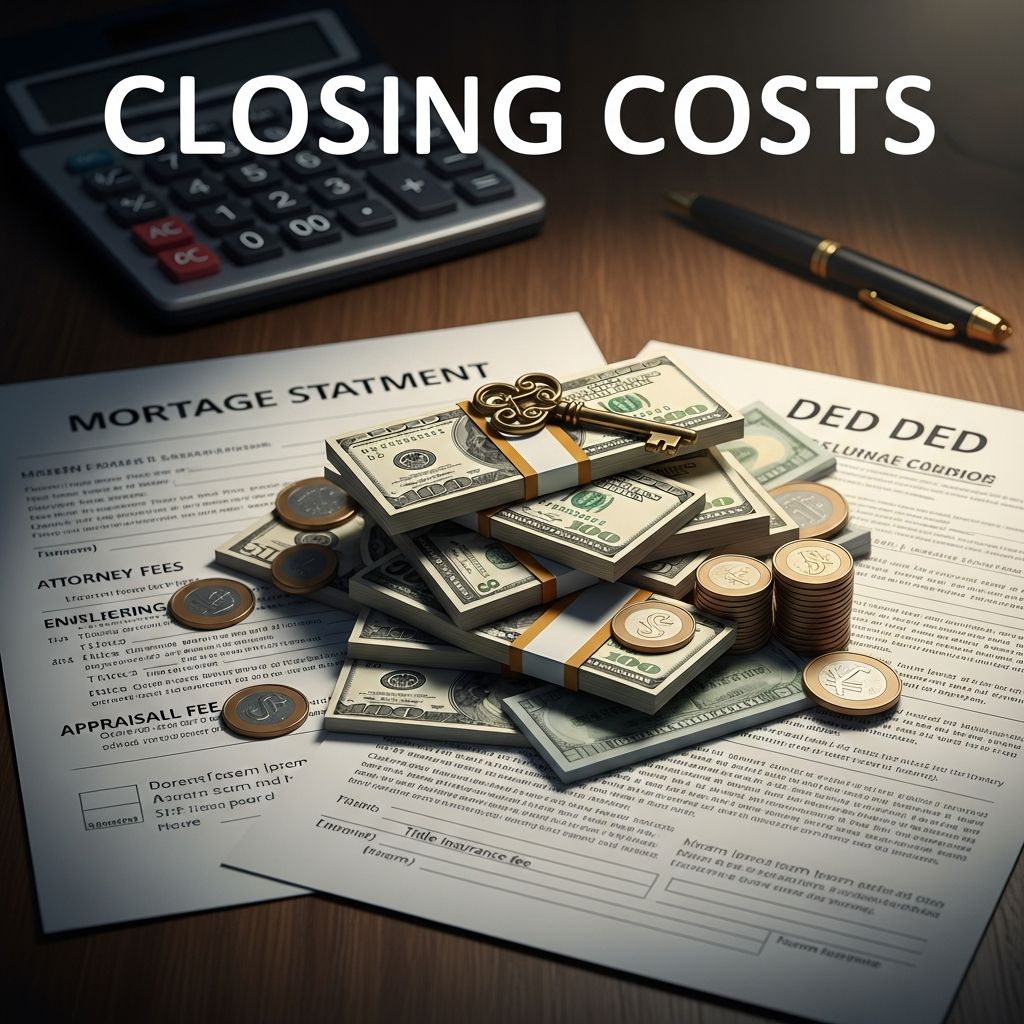
Closing costs represent a collection of fees and expenses paid at the finalization of a real estate transaction, whether buying, selling, or refinancing a property. These costs, often ranging from
2% to 6%
of the loan amount, cover administrative, legal, and government-related charges necessary to transfer property ownership.For homebuyers, these fees can add thousands to the upfront costs beyond the down payment. On a $300,000 mortgage, expect $6,000 to $18,000 in closing costs. Sellers also face similar expenses, though the split varies by location and negotiation. Understanding these costs helps buyers budget accurately and explore financing options like personal loans.
Closing Costs for Homebuyers
Buyers typically bear the brunt of closing costs, paying out-of-pocket for services that finalize the mortgage. These include lender fees, third-party services, and prepaid items. Lenders must provide a Loan Estimate within three days of application, detailing anticipated costs.
Average buyer closing costs fall between
3% and 6%
of the loan principal. Factors influencing the total include loan size, location, lender, and loan type (e.g., FHA, VA, conventional). For a $400,000 loan, this equates to $8,000-$24,000.Closing Costs for Sellers
Sellers incur closing costs related to transferring title, real estate commissions, and prorated taxes or HOA fees. While buyers pay most lender fees, sellers often cover agent commissions (5-6% of sale price) and transfer taxes in some states.[10]
Seller costs typically range from 6-10% of the sale price, heavily weighted by commissions. Negotiations can shift some buyer fees to sellers, up to program limits like 6% on FHA loans.
How Much Are Closing Costs?
Closing costs vary widely but consistently hover at
2-6%
of the loan amount across sources. Here’s a breakdown:- On a $250,000 loan: $5,000-$12,500.
- On a $300,000 loan: $6,000-$18,000.
- On a $450,000 sale: $9,000-$22,500.
Location impacts totals due to varying taxes and fees. Use the Loan Estimate to predict exact figures, as some fees like origination are negotiable.
Common Closing Costs and Fees
Closing costs encompass diverse fees. Below is a comprehensive list of typical charges:
- Application Fee: Charged for processing the loan application, up to $500.
- Credit Report Fee: Covers pulling your credit history, $30-$100.
- Appraisal Fee: Independent valuation of the property, $300-$600.
- Loan Origination Fee: Lender’s processing cost, 0.5-1% of loan amount.
- Title Search and Insurance: Ensures clear title; owner’s policy 0.5-1% of purchase price.
- Per-Diem Interest: Interest from closing to first payment due.
- Transfer Tax: State/local tax on property transfer.
- Recording Fee: Filing deed and mortgage with county, $50-$200.
- Escrow/Closing Fee: Paid to settlement agent, 1-2% of loan.
- Prepaids: Advance payments for taxes and insurance, often 2-3 months.
- Homeowners Insurance: First year’s premium.
- Discount Points: Optional 1% of loan per point to reduce rate.
Not exhaustive; additional fees like flood certification or survey may apply.
Who Pays Closing Costs?
| Party | Typical Responsibilities | Percentage of Total |
|---|---|---|
| Buyer | Lender fees, appraisal, title insurance, prepaids | 2-6% of loan |
| Seller | Commissions, transfer taxes, some title fees | 6-10% of sale price |
| Shared/Negotiated | Depending on market and concessions | Varies |
Buyers pay most origination and third-party fees; sellers handle commissions. Concessions allow sellers to cover up to 3-9% on conventional loans, 6% on FHA/USDA. Local customs influence splits.[10]
Can You Use a Personal Loan for Closing Costs?
Yes, personal loans can cover closing costs, providing quick, unsecured funds (3-6% of loan). Unlike down payments, which have sourcing rules, closing costs allow flexible financing. Personal loan origination fees range 1-10%, adding to costs.
Pros:
- Fast funding without collateral.
- Fixed payments for budgeting.
- Bridge cash shortfalls.
Cons:
- Increases debt-to-income (DTI) ratio, potentially affecting mortgage approval.
- Higher interest rates than mortgages (8-36% APR).
- Added monthly payments strain finances.
Alternatives to Personal Loans for Closing Costs
Besides personal loans, consider:
- Seller Concessions: Negotiate coverage, limited by loan type.
- Gifts from Family: Allowed for closing costs.
- Grants/Assistance Programs: First-time buyer aid from states or HUD.
- Low/No Closing Cost Mortgages: Lender credits offset fees, often via higher rates.
- VA/FHA Options: VA funding fees (1.25-3.3%); FHA has upfront MIP.
Average Closing Costs by State
Costs vary by state due to taxes and regulations. Examples (per recent data):
| State | Avg. Buyer Closing Costs | Key Factor |
|---|---|---|
| California | $12,000+ | High transfer taxes |
| Texas | $5,000-$8,000 | No state transfer tax |
| New York | $10,000+ | Mansion tax on luxury homes |
| Florida | $6,000-$9,000 | Doc stamps |
Check local averages; use tools like bankrate.com calculators (informed by sources).
Frequently Asked Questions (FAQs)
Q: What percentage of a home loan are closing costs?
A: Typically
2-6%
of the loan amount, varying by location and loan type.Q: Who pays closing costs, buyer or seller?
A: Buyers pay most lender and third-party fees; sellers pay commissions and some taxes. Negotiable via concessions.[10]
Q: Can a personal loan cover closing costs?
A: Yes, personal loans can fund closing costs but not down payments, though they may impact DTI.
Q: Are closing costs tax deductible?
A: Some, like points and mortgage interest, may be deductible; consult a tax advisor.
Q: How can I reduce closing costs?
A: Shop lenders, negotiate fees, seek seller concessions, or choose no-closing-cost loans.
Final Considerations
Budget 2-6% above your down payment for closing costs. Review the Loan Estimate and Closing Disclosure carefully—compare against estimates. Personal loans offer flexibility but weigh against higher rates and debt load. Consult a loan officer for personalized advice.
References
- Can You Take out a Personal Loan for Closing Costs? — SoFi. 2023. https://www.sofi.com/learn/content/personal-loans-for-closing-costs/
- Closing Costs Explained: What They Are and Their Potential Amounts — Nationwide. 2024. https://www.nationwide.com/lc/resources/home/articles/what-are-closing-costs
- What Are Closing Costs? — American United Federal Credit Union. 2023. https://www.amucu.org/closing-costs-and-fees-explained/
- What are closing costs and how much will you pay? — Rocket Mortgage. 2024. https://www.rocketmortgage.com/learn/closing-costs
- Closing Fees — Selfreliance FCU. 2023. https://www.selfreliance.com/closing-fees/
- How much are closing costs — What will you pay? — U.S. Bank. 2024. https://www.usbank.com/home-loans/mortgage/first-time-home-buyers/closing-costs.html
- What Are Closing Costs? — Experian. 2024. https://www.experian.com/blogs/ask-experian/what-to-know-about-closing-costs/
- Loan estimate explainer — Consumer Financial Protection Bureau. 2024. https://www.consumerfinance.gov/owning-a-home/loan-estimate/
Similar Articles








Read full bio of medha deb