What Are ATM Networks and How Do They Work?
Discover how ATM networks enable fee-free cash access, their major alliances, and tips for maximizing surcharge-free withdrawals.

ATM networks are cooperative alliances of automated teller machines that allow cardholders from participating financial institutions to withdraw cash without paying
surcharge fees
at non-proprietary ATMs. These networks connect banks, credit unions, and independent operators to expand access points for customers, particularly those withchecking accounts
.Unlike proprietary ATMs owned by a single bank, shared ATM networks distribute costs and benefits among members. For consumers, this means accessing funds at thousands of locations nationwide—often at convenience stores, pharmacies, or gas stations—without extra charges. Banks join networks to reduce customer complaints about limited ATM availability and compete with larger institutions.
How ATM Networks Benefit Consumers
Participation in ATM networks directly enhances
checking account
usability by eliminating out-of-network fees, which average $3–$5 per transaction. Customers enjoy:- Cost savings: No surcharges at in-network ATMs, preserving account balances.
- Convenience: Access to 50,000+ machines beyond branch locations.
- Travel flexibility: Nationwide and sometimes international coverage.
For example, a user with a small regional credit union gains access to major retailer ATMs like those at CVS or Walgreens through networks. This is especially valuable during holidays or travel when bank branches are scarce.
Major ATM Networks Explained
Several dominant networks dominate the U.S. market, each with unique footprints and partnerships. Here’s a breakdown:
| Network | Size (ATMs) | Key Partners | Strengths |
|---|---|---|---|
| Allpoint | 55,000+ | Costco, Target, CVS | Largest surcharge-free network; retailer-focused |
| MoneyPass | 40,000+ | Citibank, PNC, credit unions | Strong in Midwest/South; select fee networks |
| CO-OP | 30,000+ | Credit unions nationwide | Credit union exclusive; shared branching |
| STAR | |||
| Presto | 7,500+ | 7-Eleven, regional banks | Urban convenience stores |
| SUM | 2,500+ | Northeast banks | Regional density in NY/PA |
Allpoint, the largest, partners with over 80 financial institutions and focuses on retail surcharges-free access. MoneyPass emphasizes “select” networks where banks pay operators for usage. CO-OP serves 5,600+ credit unions exclusively.
How Do ATM Networks Operate?
ATM networks function through
interbank agreements
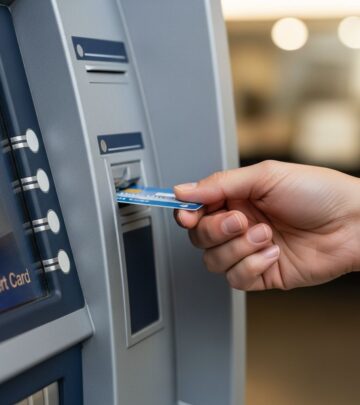
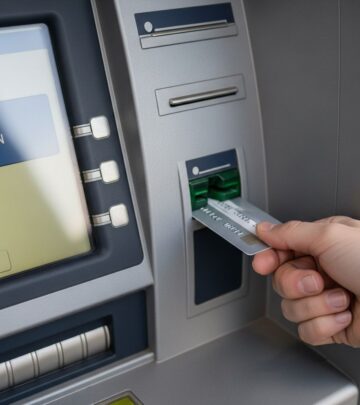
and electronic transaction routing. Here’s the step-by-step process:- Card insertion: Debit card from a network member is swiped.
- Authorization request: PIN verified; transaction details (amount, account) sent to card-issuing bank via network switch.
- Network routing: Central hub (e.g., Allpoint’s processor) confirms membership and approves/denies funds transfer.
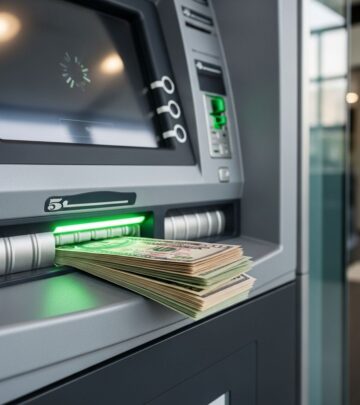
- Dispense: ATM releases cash; no surcharge applied due to pre-negotiated terms.
- Settlement: Banks settle funds daily via ACH or Fedwire, with networks taking a small interchange fee (10–50¢).
Behind the scenes, networks use
EFT switches
compliant with NACHA rules for secure processing. Proprietary software matches card BINs (first 6 digits) to member institutions.Finding In-Network ATMs
Locating surcharge-free ATMs is straightforward:
- Mobile apps: Bank/credit union apps with GPS locators (e.g., MoneyPass app).
- Network websites: AllpointNetwork.com, MoneyPass.com with ZIP code search.
- ATM decals: Look for network logos on machines.
- Card alerts: Some banks send texts for nearby options.
Pro tip: Download multiple network apps if your bank belongs to several for maximum coverage.
Costs and Economics for Banks
Banks pay networks
interchange fees
(20–60¢ per transaction) instead of higher surcharges. This subsidizes ATM operators (e.g., CARD dot: ATM deployers at stores). Networks generate revenue from:- Setup fees for new members.
- Volume-based transaction pricing.
- Premium services like real-time monitoring.
Consumers indirectly benefit as banks pass savings via better account perks.
International ATM Networks
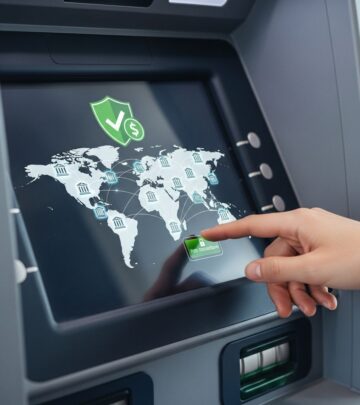
For travel, networks like
PLUS
andCirrus
(Visa/Mastercard) provide global access, though foreign transaction fees (1–3%) may apply. U.S. networks like Allpoint have limited overseas partners.Frequently Asked Questions (FAQs)
Q: What is an ATM network?
A: An ATM network is a shared system of ATMs where participating banks’ customers can withdraw cash fee-free at machines owned by other members.
Q: How do I know if my bank is in an ATM network?
A: Check your bank’s website, app, or account agreement for logos like Allpoint or MoneyPass. Most list networks under “ATM locator.”
Q: Can I use out-of-network ATMs without fees?
A: Rarely—most charge surcharges ($2–$5) plus your bank’s out-of-network fee ($1–$3). Always verify network status first.
Q: What if my ATM transaction is approved but no cash dispenses?
A: Contact your bank immediately; networks guarantee refunds for verified errors under Reg E (within 10 days).
Q: Do prepaid cards work with ATM networks?
A: Some do if issued by network members (e.g., Netspend with MoneyPass), but check terms for limits.
Q: Are ATM networks safe?
A: Yes, they use EMV chips, PIN encryption, and monitoring. Skimming risks exist everywhere—inspect machines and use indoor ATMs.
Maximizing ATM Network Benefits
To optimize:
- Join banks/credit unions in multiple networks for 80,000+ ATMs.
- Use apps for planning routes.
- Opt for cash back at checkout to reduce ATM visits.
- Monitor statements monthly for surprise fees.
Digital wallets and early direct deposit further minimize reliance on cash.
In summary, ATM networks democratize cash access, saving users billions annually in fees while enabling smaller institutions to thrive.
References
- Asynchronous Transfer Mode — Wikipedia. 2024-01-15. https://en.wikipedia.org/wiki/Asynchronous_Transfer_Mode
- Asynchronous Transfer Mode (ATM) in Computer Network — GeeksforGeeks. 2023-11-20. https://www.geeksforgeeks.org/computer-networks/asynchronous-transfer-mode-atm-in-computer-network/
- Chapter 2: An Overview of ATM Network — INRIA. 1998-06-01. http://www.inrialpes.fr/planete/people/elsayed/msc/ch2.pdf
- Asynchronous Transfer Mode — Cisco Systems. 2024-05-10. https://www.cisco.com/c/en/us/td/docs/net_mgmt/prime/network/3-8/reference/guide/atm.html
- Service Guides: Asynchronous Transfer Mode (ATM) — GSA Networx. 2023-09-12. https://networx-public-pricer.eos.gsa.gov/text/guide/?service_id=ATMS
Similar Articles








Read full bio of medha deb