What Are Assets?
Unlock the power of your personal assets: Learn what they are, types, valuation, and strategies to build lasting financial security.

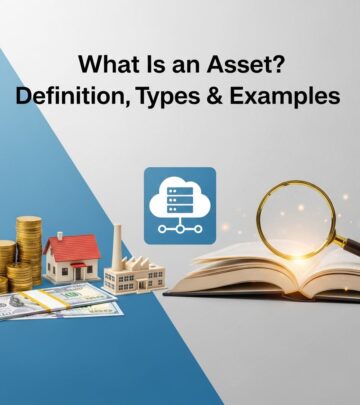
Assets represent everything you own that holds economic value, forming the foundation of your financial profile. These items, ranging from cash in your bank account to property you own, contribute directly to your net worth, calculated as total assets minus liabilities. Understanding assets is crucial for effective financial planning, whether you’re preparing for retirement, applying for loans, or simply aiming to build wealth over time.
Defining Assets in Everyday Finance
In personal finance, an asset is any resource with monetary worth that you can sell, use, or convert to benefit your financial position. This broad category encompasses physical possessions, monetary holdings, and even non-physical rights to value. Assets differ from liabilities, which are debts or obligations, and their balance determines your overall financial health.
For individuals, assets serve multiple purposes: they provide liquidity for immediate needs, generate income through investments, or appreciate in value for long-term growth. Financial institutions often evaluate your assets when assessing creditworthiness, as they indicate your ability to repay loans or handle financial setbacks.
Classifying Assets: Core Categories
Assets can be sorted into several key categories based on their nature, liquidity, and purpose. This classification helps in portfolio management and risk assessment.
Tangible vs. Intangible Assets
Tangible assets are physical items you can touch and see, such as homes, vehicles, or jewelry. These often form the bulk of personal wealth for many households and can provide utility beyond their sale value, like shelter from a house.
Intangible assets, conversely, lack a physical form but hold significant value through legal claims or contracts. Examples include stocks, bonds, patents, and royalties. They are increasingly important in modern portfolios due to their potential for high returns and scalability.
Liquid vs. Fixed (Illiquid) Assets
Liquid assets convert easily to cash without substantial loss in value, offering flexibility for emergencies or opportunities. Common examples are savings accounts, stocks, and money market funds.
Fixed or illiquid assets take longer to sell and may fluctuate in value during the process. Real estate and collectibles fall here, prized for appreciation but less ideal for quick cash needs.
| Asset Type | Examples | Liquidity Level | Typical Use |
|---|---|---|---|
| Liquid | Cash, stocks, CDs | High | Emergency funds, short-term needs |
| Fixed/Illiquid | Real estate, vehicles | Low | Long-term growth, income generation |
| Tangible | Homes, cars, jewelry | Variable | Utility and appreciation |
| Intangible | Bonds, mutual funds, patents | Variable | Wealth building, diversification |
Comprehensive List of Personal Asset Types
Personal assets span diverse areas, each contributing uniquely to your financial ecosystem.
- Real Estate: Includes primary residences, rental properties, and land. These often appreciate and can yield rental income, making them cornerstone investments.
- Cash and Equivalents: Encompasses checking/savings accounts, CDs, and money market funds for immediate access.
- Investment Securities: Stocks offer ownership stakes with growth potential; bonds provide steady interest; mutual funds diversify across markets.
- Retirement Accounts: 401(k)s, IRAs, and pensions accumulate tax-advantaged savings for future security.
- Personal Property: Vehicles, boats, furniture, and electronics hold value, though many depreciate over time.
- Valuables and Collectibles: Art, antiques, coins, and jewelry can appreciate based on market demand and rarity.
- Digital Assets: Cryptocurrencies, NFTs, and domain names represent emerging value in the digital economy.
- Insurance Policies: Whole life policies with cash surrender value act as borrowable assets.
- Receivables: Money owed to you from loans or agreements counts as future cash inflow.
Why Inventory Your Assets Matters
Creating a detailed asset inventory reveals your true net worth and highlights strengths or gaps in your finances. It aids in estate planning, insurance coverage decisions, and loan applications. Regularly updating this list ensures you’re prepared for life’s uncertainties, from market shifts to personal emergencies.
To build your inventory:
- Gather statements for bank, investment, and retirement accounts.
- Appraise physical items like homes and vehicles using market comparables.
- Research values for collectibles via auctions or experts.
- Account for digital holdings with wallet statements or blockchain records.
Valuing Your Assets Accurately
Asset valuation involves determining fair market value—what a willing buyer would pay a willing seller. Liquid assets like stocks use real-time quotes, while illiquid ones require appraisals or comparables. Tools like online estimators or professional services provide reliable figures.
Challenges include market volatility (e.g., stocks) and subjective pricing (e.g., art). Annual reviews adjust for appreciation, depreciation, or economic changes, keeping your financial picture current.
Strategies to Grow and Protect Assets
Growing assets demands diversification—spreading investments across types to mitigate risks. Allocate portions to liquid holdings for safety, equities for growth, and real estate for stability.
Protection strategies include:
- Insurance: Cover tangible assets against loss or damage.
- Beneficiary Designations: Update on accounts to ensure smooth transfer.
- Tax Planning: Use retirement accounts for deferrals.
- Debt Management: Prioritize high-interest liabilities to boost net worth.
Rebalancing annually aligns your portfolio with goals, such as retirement or home purchase.
Assets in Credit and Lending Contexts
Lenders view assets as collateral or repayment buffers. Strong asset positions improve loan terms and approval odds. For mortgages, liquid assets cover down payments and reserves; for personal loans, they demonstrate stability. Documenting assets with statements strengthens applications.
Common Pitfalls in Asset Management
Avoid over-relying on illiquid assets, which trap value during crises. Neglecting to update valuations leads to inaccurate net worth tracking. Emotional attachments to collectibles can inflate perceived value, skewing decisions. Regularly audit to sidestep these issues.
Frequently Asked Questions (FAQs)
What counts as a personal asset?
Anything of value you own, including cash, property, investments, vehicles, and digital holdings.
How do assets affect my net worth?
Net worth = Assets – Liabilities. Higher assets increase it, signaling financial strength.
Are retirement accounts considered assets?
Yes, 401(k)s, IRAs, and pensions are key intangible assets for long-term planning.
What’s the difference between assets and liabilities?
Assets add value; liabilities are debts subtracted from assets.
How often should I value my assets?
Annually or after major events like purchases or market shifts.
Building Wealth Through Smart Asset Allocation
Effective asset management starts with clear goals: short-term (emergency fund), medium-term (home down payment), long-term (retirement). Younger individuals might favor growth-oriented equities, while those nearing retirement prioritize preservation via bonds and cash.
Incorporate automation, like payroll deductions to retirement plans, to steadily build holdings. Monitor economic indicators—inflation erodes cash value, favoring appreciating assets like real estate or stocks.
For families, consider joint ownership and trusts to protect assets across generations. Digital tools, from budgeting apps to portfolio trackers, simplify oversight without professional fees.
Ultimately, assets are dynamic tools for achieving independence. By categorizing, valuing, and strategically managing them, you position yourself for resilience and prosperity amid uncertainties.
References
- What Are Personal Assets? A Guide to Managing Yours — Legal Templates. 2023-05-15. https://legaltemplates.net/resources/financial/what-is-a-personal-asset/
- What Are Personal Financial Assets? — Consumer’s Credit Union. 2024-02-10. https://www.consumerscu.org/blog/what-are-personal-financial-assets
- What Are Assets In Personal Finance? — Rocket Money. 2024-08-20. https://www.rocketmoney.com/learn/personal-finance/what-qualifies-as-an-asset
- What Are Financial Assets? What to Know — Western & Southern Financial Group. 2024-11-05. https://www.westernsouthern.com/investments/what-are-financial-assets
- Personal Assets: What They Are and Why They Matter — NerdWallet Canada. 2023-12-01. https://www.nerdwallet.com/ca/p/article/finance/what-are-personal-assets
- Types of Personal Assets and How To Manage Them — State Farm. 2024-03-18. https://www.statefarm.com/simple-insights/financial/types-of-personal-assets
Similar Articles








Read full bio of Sneha Tete